


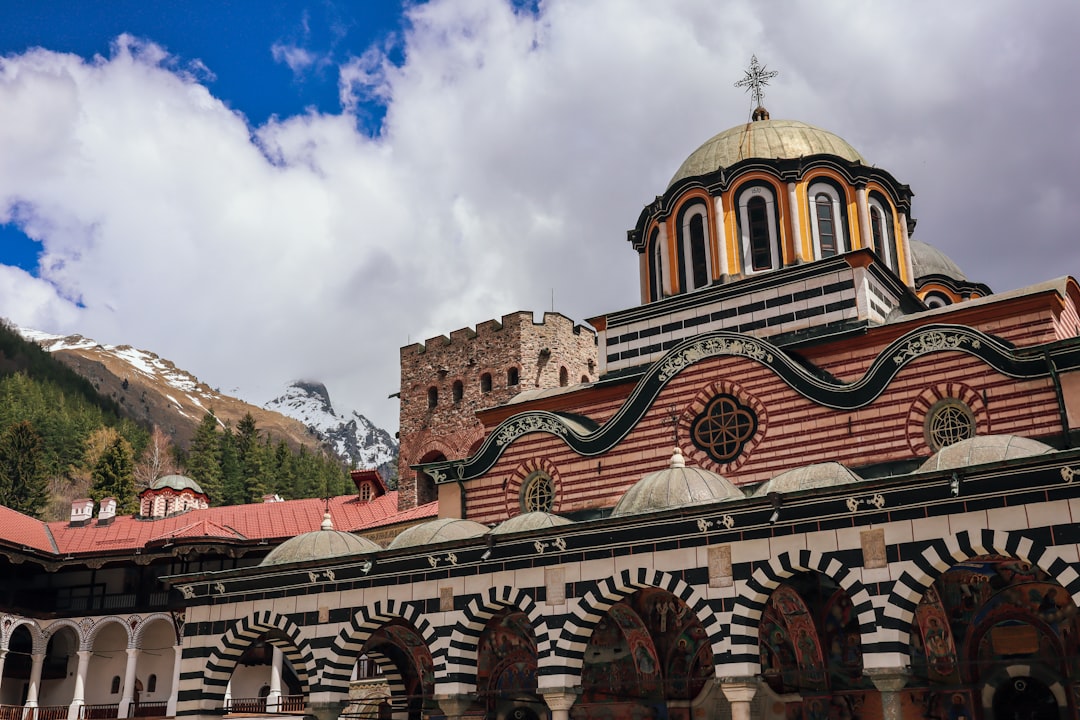
The air up here in the Rila Mountains doesn't just smell of pine; it smells of centuries of stubbornness. I'm standing on the stone terrace of Rila Monastery, shivering in a wind that cuts through my jacket like a knife, watching a busload of tourists spill out in a chaotic wave of cameras and confusion. They're here for the postcard shot, sure, but they have no idea they're standing in the physical heart of a national obsession. This isn't just a church. It's a fortress of ideology, a stone manifesto carved into the side of a mountain, screaming defiance at anyone who's ever tried to erase Bulgaria from the map. The sheer scale of it is disorienting. The walls are so thick they could stop a medieval battering ram, and the frescoes inside are so loud, so aggressively symbolic, that they feel less like decoration and more like a political broadcast from the 11th century.
I've spent the last three days bouncing between Sofia, the monastic cells, and the nearby village of Rila, trying to make sense of how a religious site became the ultimate symbol of national survival. It's not subtle. The architecture is a shout. The history is a bloodstain on the carpet. And the way modern Bulgarians talk about this place—with a mix of reverence, pride, and defensive nationalism—is the key to understanding the entire Balkan psyche. You can't visit Rila Monastery without walking through the debris of empires, both real and imagined.
The Fortress of Faith and Nation
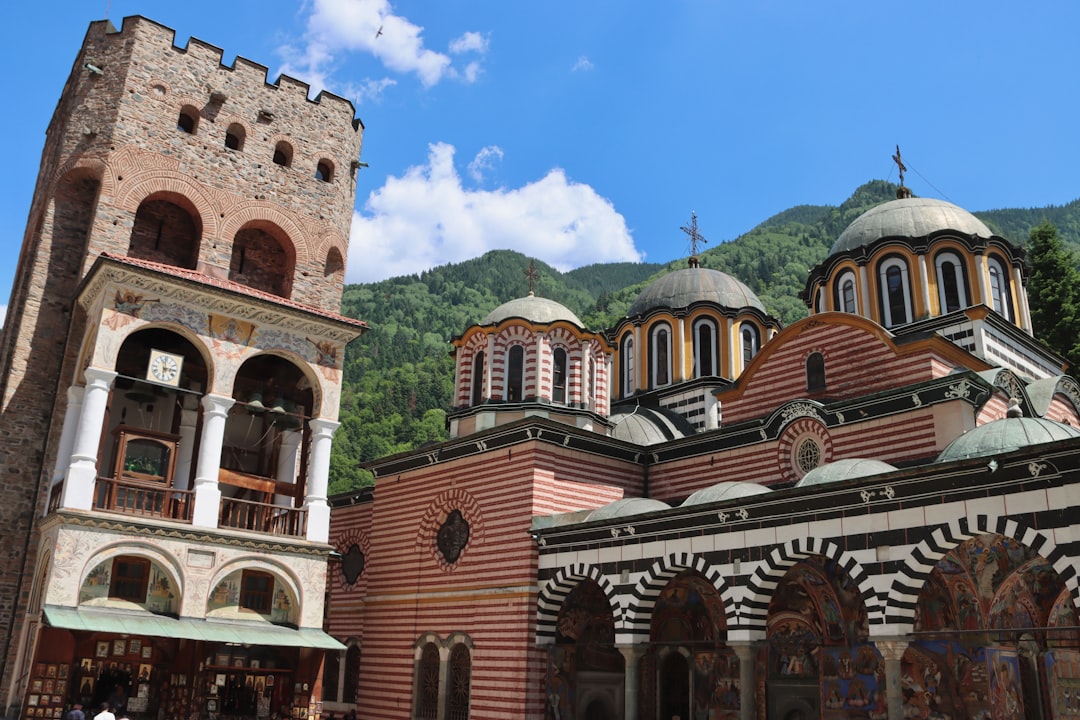
To understand the monastery, you have to understand the siege. Built in the 10th century by St. Ivan of Rila, this wasn't originally a retreat for quiet contemplation. It was a stronghold. The massive defensive walls, which you can still walk along, were constructed not just to keep out bandits, but to withstand the Ottoman Empire. For five hundred years, this complex was one of the few places where the Bulgarian language, liturgy, and identity could survive the systematic erasure imposed by foreign rule. When the Ottomans banned Bulgarian schools and churches, Rila kept the flame alive. The monks here weren't just praying; they were archiving, copying manuscripts, and preserving a cultural DNA that the state had tried to kill.
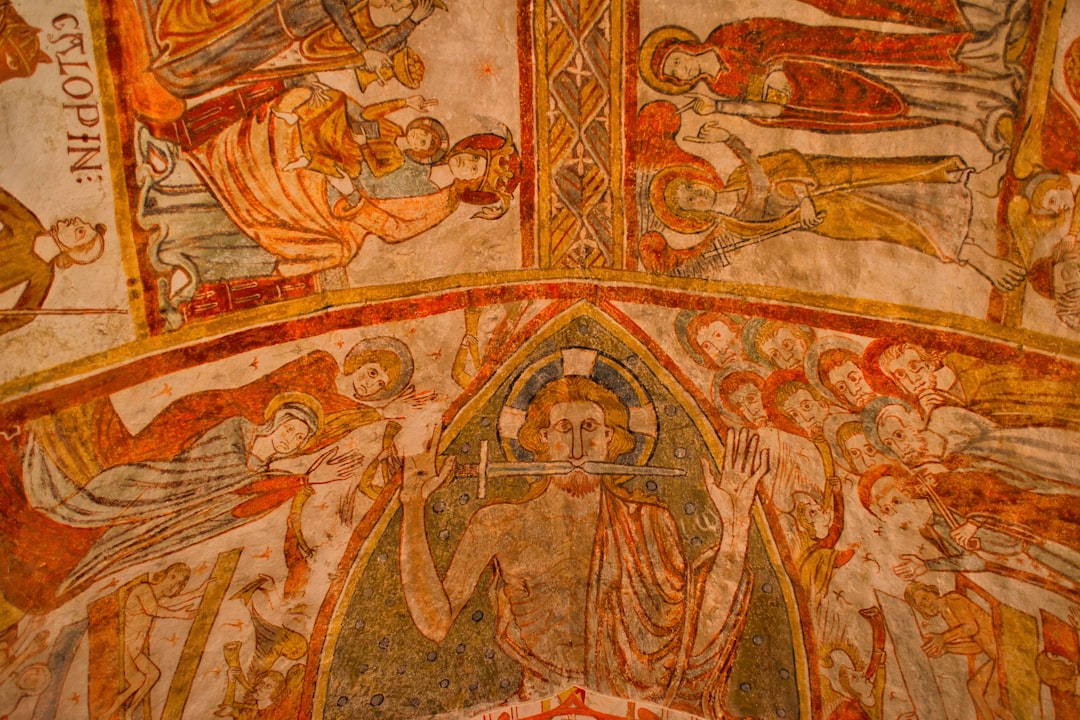
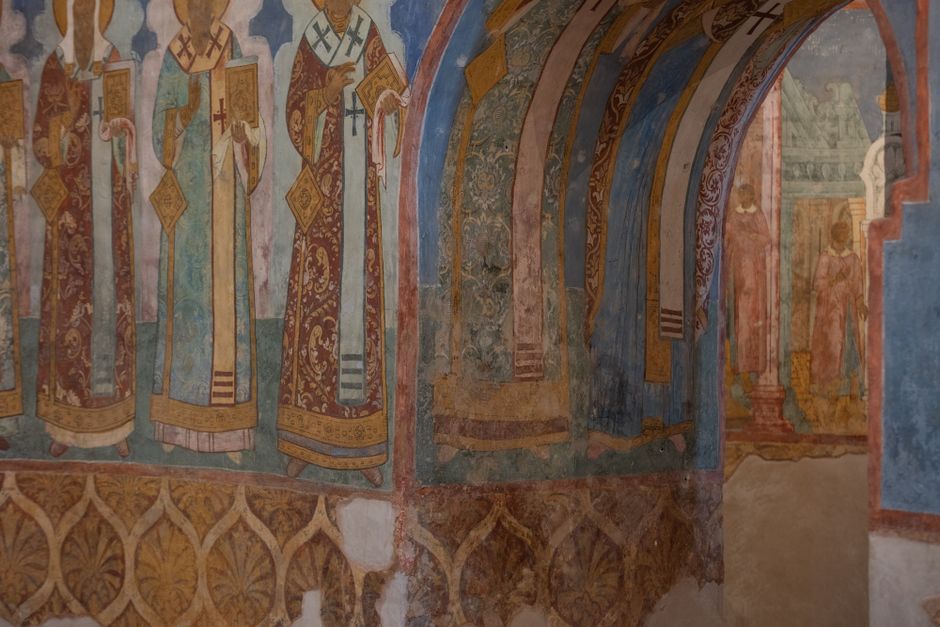
The architecture reflects this paranoia. The towers are thick, the windows are small and high, and the layout is designed for defense. But the real political statement is inside. The frescoes, particularly the "Last Judgment" in the main cathedral, are masterpieces of medieval art, but they are also loaded with subtext. The depiction of hell is terrifyingly detailed, filled with local demons and punishments that felt immediate to the medieval viewer. It was a warning: submit to the faith, or face eternal damnation. But in the context of Ottoman rule, it was also a coded message of resistance. The saints depicted here were often seen as national protectors, and the act of painting them was an act of defiance. The monastery became a symbol of the Bulgarian revival, a beacon that said, "We are still here."
Even after liberation in 1878, the monastery's role shifted but didn't diminish. Under communist rule, the site was preserved, but the narrative was sanitized. The monks were pushed out, and the focus was shifted to the "people's culture" and the anti-imperialist struggle. The frescoes were restored, but the religious symbolism was downplayed in favor of a nationalist, secular interpretation. It was a strange compromise: the regime needed the monastery as a tourist draw and a symbol of Bulgarian resilience, but it couldn't allow it to be a center of religious power. Today, that tension still lingers. You can feel the weight of history in every stone, a reminder that this place has always been a battleground for the soul of the nation.
Decoding the Frescoes: Art as Political Propaganda
Walk into the main cathedral, and you're hit by a wall of color. The frescoes are overwhelming, covering every inch of the walls and ceiling. But look closer, and you'll see that this is not just art; it's propaganda. The "Last Judgment" is the centerpiece, a massive mural that dominates the western wall. The depiction of Christ in Majesty is serene, but the hell below is chaotic and violent. The demons are grotesque, the punishments are inventive, and the overall effect is one of terror. But why? In the medieval mind, this wasn't just about religious salvation; it was about social order. The fresco served as a reminder of the consequences of sin, but also of the power of the church and the state. In the context of Ottoman rule, it was a message of hope: that justice would eventually be served, and that the Bulgarian people would be vindicated.
The other frescoes are equally loaded. The life of St. Ivan of Rila is depicted in a series of panels that show him as a miracle worker, a healer, and a protector. But there are also scenes of political significance. One panel shows the Byzantine Emperor Basil II granting privileges to the monastery, a reminder of the church's historical ties to power. Another shows the monks defending the monastery from attackers, a clear reference to the Ottoman sieges. These images were not just decorative; they were a visual history of the Bulgarian struggle, a way of keeping the memory of resistance alive in a time when written records were dangerous to possess.
Even the iconography of the saints is political. St. Ivan of Rila is depicted as a rugged, ascetic figure, dressed in simple robes, living in a cave. He is the ideal Bulgarian monk: self-sufficient, resilient, and unyielding. Other saints, such as St. George and St. Demetrius, are shown as warriors, slaying dragons and battling enemies. These images resonated with the Bulgarian people, who saw themselves as the true Christians, fighting against the "infidel" Ottomans. The monastery became a symbol of the holy war, a place where the spiritual and the political merged into a single, powerful narrative.
The Modern Pilgrimage: Nationalism and Tourism Collide
Today, the monastery is a UNESCO World Heritage site, and it draws hundreds of thousands of visitors every year. But the pilgrimage has changed. The devout monks have been replaced by tour groups, and the spiritual journey has been commodified into a photo op. The gift shops sell t-shirts with the monastery's logo, and the souvenir stalls are filled with cheap trinkets. It's a stark contrast to the solemnity of the past, and it's easy to see why some Bulgarians feel a sense of loss. The monastery has been turned into a theme park, a symbol of national pride that is sold to the highest bidder.
But there's also a sense of pride. For many Bulgarians, the monastery is a source of identity, a reminder of their history and their resilience. It's a place where they can connect with their roots, even if that connection is mediated by a guided tour. The government has invested heavily in the site, restoring the frescoes, improving the infrastructure, and promoting it as a key tourist destination. It's a smart move, economically, but it also raises questions about the role of the state in preserving cultural heritage. Who owns the narrative? Who gets to decide what the monastery means?
I talked to a young guide named Elena, who was leading a group of students from Sofia. She was passionate, articulate, and clearly proud of her heritage. But she was also aware of the tensions. "People come here to see the beauty," she said, "but they don't always understand the pain. This place survived because people were willing to die for it. It's not just a pretty building; it's a monument to survival." Her words stuck with me. The monastery is not just a relic; it's a living symbol, constantly being reinterpreted and redefined. It's a mirror, reflecting the hopes and fears of the Bulgarian people.
Getting There & What to Expect
Getting to the monastery is straightforward, but the journey is part of the experience. The nearest major city is Sofia, about 120 kilometers away. You can take a bus from the Sofia Central Bus Station, which runs frequently and takes about two hours. The buses are comfortable, and the route takes you through the Rila Mountains, offering stunning views of the landscape. Alternatively, you can drive, which gives you more flexibility. The road is well-maintained, and there are plenty of parking spots near the monastery. If you're coming from other parts of Bulgaria, there are connections from Plovdiv and Burgas, but the journey is longer.
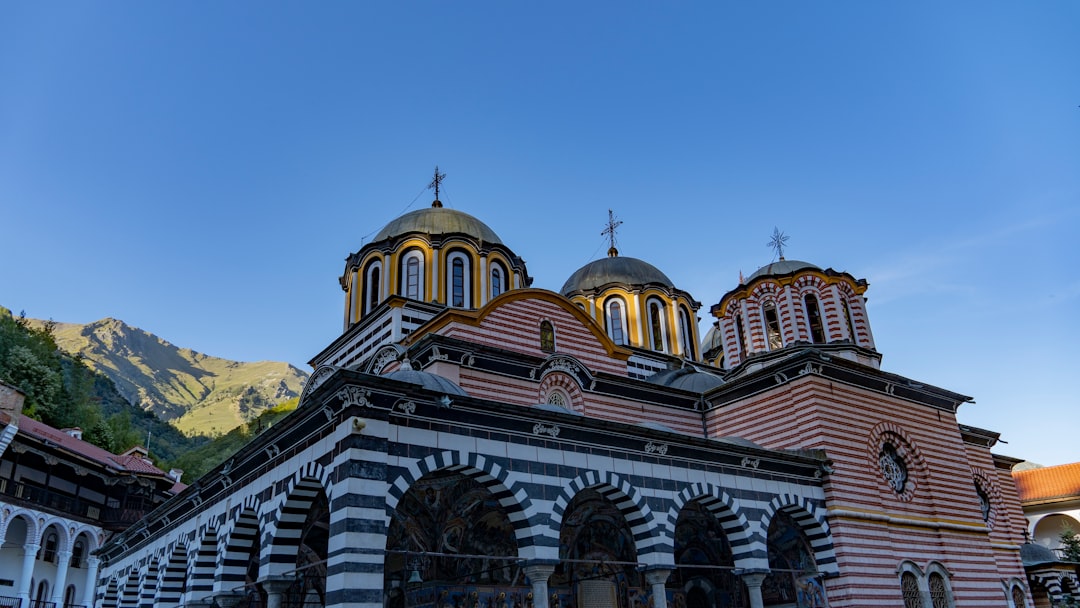
Once you arrive, the first thing you'll notice is the scale. The complex is huge, with multiple churches, towers, and buildings. The main cathedral is the highlight, but there are also smaller chapels, a museum, and a library. The museum is particularly interesting, with artifacts from the monastery's history, including manuscripts, icons, and religious objects. The library is open to scholars, but access is restricted for tourists. The best time to visit is in the morning, when the light is best for photography and the crowds are smaller. The entry fee is 8 EUR, which is reasonable given the size and significance of the site. If you're planning to stay longer, there are hostels and hotels in the nearby village of Rila, ranging from 20-40 EUR for a basic room to 60-100 EUR for more comfortable accommodations. Meals are affordable, with a typical lunch costing 5-10 EUR.
Search accommodation in Rila on Booking.com →
The Silence After the Noise
I left Rila Monastery as the sun was setting, casting long shadows across the stone walls. The tourists had gone, the buses had left, and the silence was absolute. It was a stark contrast to the chaos of the afternoon, and it felt like the monastery was finally exhaling. I walked back to my car, the cold air biting at my face, and I couldn't shake the feeling that I had witnessed something profound. This place is not just a historical site; it's a living entity, pulsing with the energy of centuries. It's a testament to the power of faith, the resilience of identity, and the enduring human need for meaning. As I drove back down the mountain, the lights of Sofia twinkling in the distance, I realized that the monastery wasn't just a symbol of the past; it was a beacon for the future. In a world that is constantly changing, it remains a fixed point, a reminder of who we are and where we came from. And that, perhaps, is the most powerful political statement of all.
Comments