


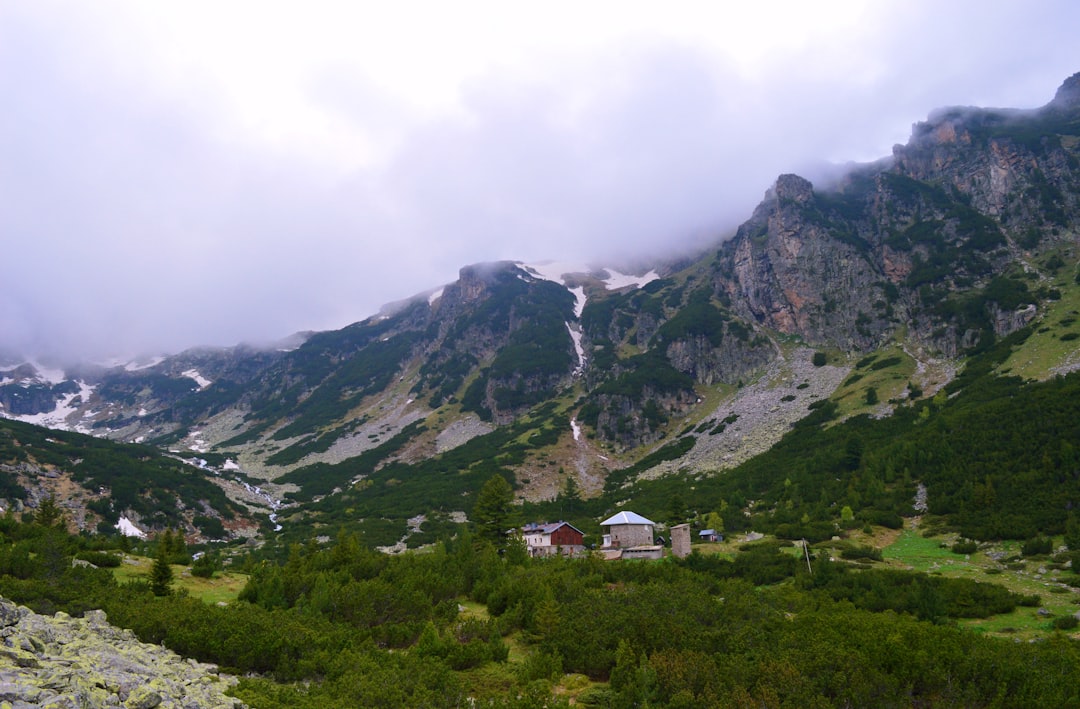
I am standing in the shadow of a wooden tower that looks like it was dropped from a fairy tale by a drunken carpenter, surrounded by a sea of Orthodox pilgrims in white headscarves and tourists clutching cameras like weapons. The air in Western Bulgaria is thin, crisp, and smells faintly of pine resin and old incense. My boots are caked in mud from the approach, and my stomach is growling for something that isn't another tourist-trap pastry. This place, Rila Monastery, is not just a building; it is a fortress of faith, a wooden and stone anomaly that has survived Ottoman cannons, communist bulldozers, and the endless churn of Balkan history. It feels less like a museum and more like a living, breathing organism that demands your respect, your silence, and your wallet.
But I am not here to pray. I am here to sweat. The monastery is just the warm-up act, the cultural appetizer before the main course: the brutal, beautiful ascent into the Rila Mountains. The goal is the Seven Rila Lakes, a chain of glacial pools that sit like cold, blue eyes high above the tree line. The transition from the spiritual heaviness of the monastery to the physical brutality of the trail is jarring. One moment you are admiring Byzantine frescoes; the next, you are gasping for air at 2,500 meters, wondering why you thought hiking in the Balkans would be easy. It is a journey of contrasts, of wood and stone, of prayer and pain, and it is the most honest travel experience you will find in this region.
Wooden Giants and Stone Fortresses
The architecture of Rila Monastery is a chaotic, magnificent collision of styles. Built in the 10th century but largely reconstructed in the 19th, it is a palimpsest of Bulgarian identity. The complex is walled, a defensive necessity in a region that saw centuries of Ottoman rule. The walls are thick, imposing, and scarred by time. Inside, the air is cooler, thick with the scent of beeswax and old paper. The main cathedral, the Church of the Nativity of the Virgin Mary, is a masterpiece of folk-baroque architecture. The wooden bell tower, known as the St. Archangel Michael Tower, is the icon of Bulgarian tourism, its multi-tiered structure rising like a wooden skyscraper against the grey sky. It is not just pretty; it is structural engineering from a time when wood was the only resource that mattered.
Inside the church, the frescoes are vibrant, almost garish in their intensity. They depict saints, martyrs, and biblical scenes with a raw, unapologetic energy. The paintings are not subtle; they are meant to shock and inspire. The floor is covered in intricate geometric tiles, a testament to the craftsmanship of the era. The monastery is not just a place of worship; it is a center of Bulgarian culture and education during the National Revival period. It kept the language and the faith alive when the rest of the country was under foreign control. Walking through the courtyards, you can feel the weight of that history. It is not a gentle history; it is one of survival, of resistance, of holding on to something sacred in the face of overwhelming force.
The surrounding buildings are a mix of stone and wood, with steep roofs designed to shed the heavy Balkan snow. The scriptorium, where monks copied manuscripts by candlelight, is a quiet room that feels out of time. The library holds thousands of books, many of them centuries old. The architecture here is functional, but it is also deeply symbolic. Every beam, every stone, every painted icon has a meaning. It is a place where the spiritual and the physical are intertwined, where the weight of history is palpable in every step you take.
The Ascent: From Faith to Frost
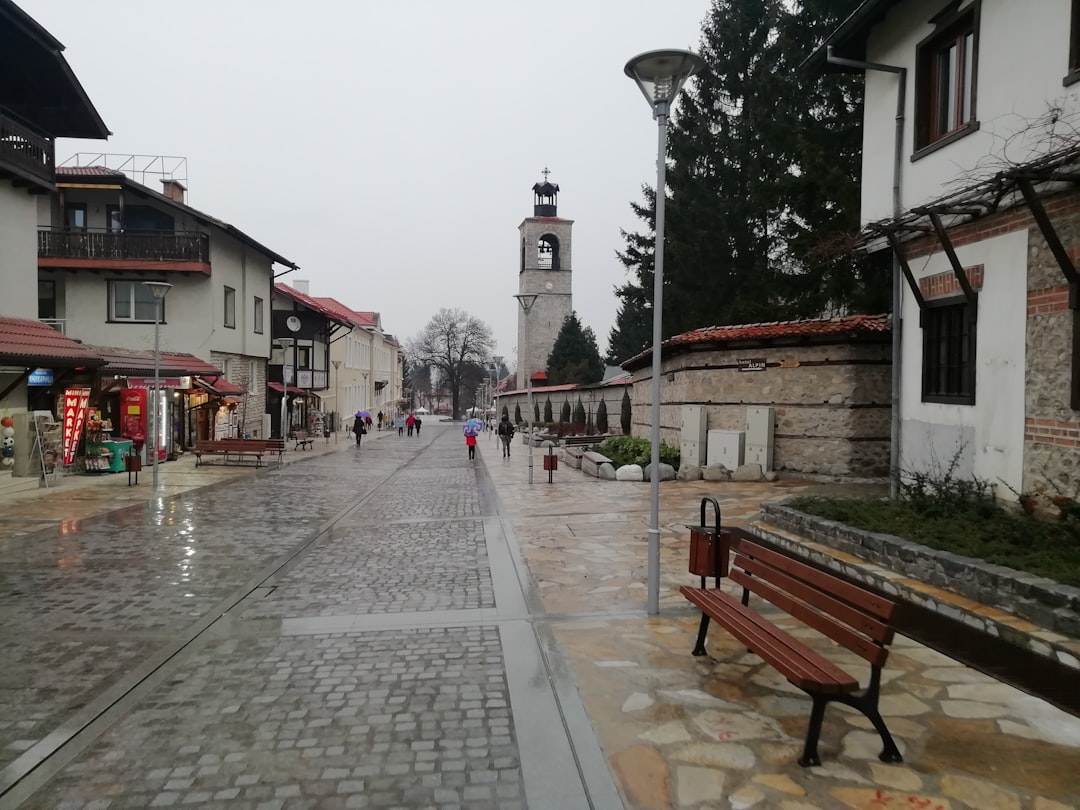
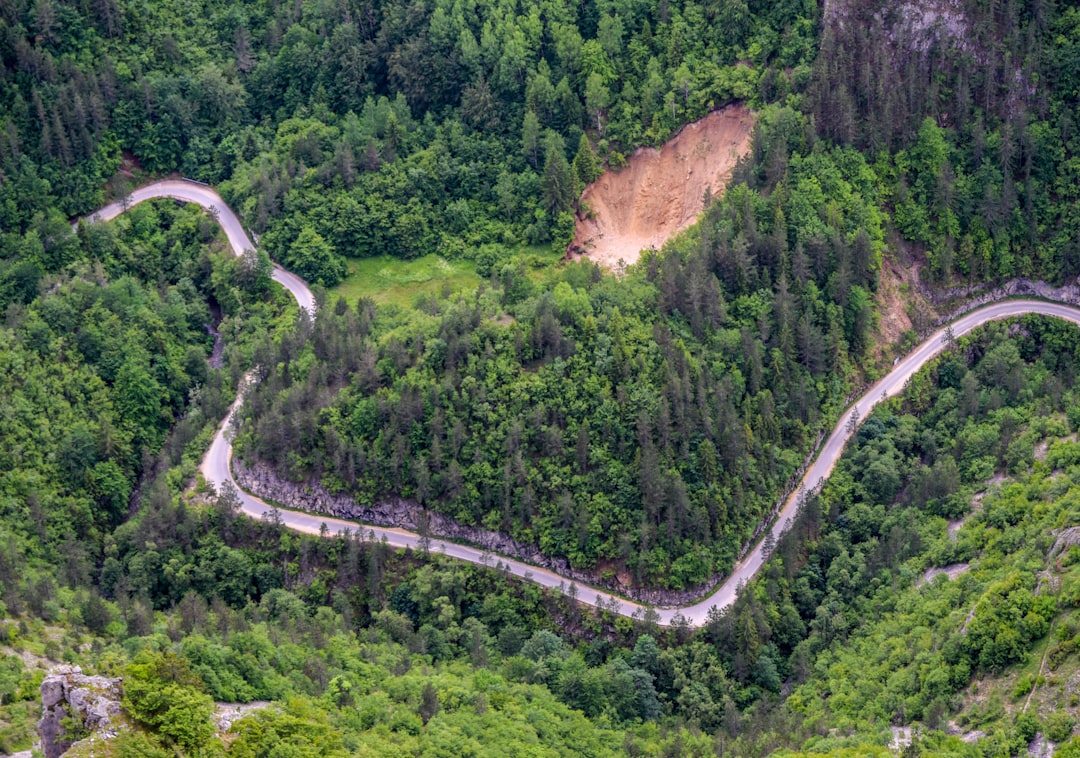
Leaving the monastery, the landscape changes dramatically. The lush greenery of the valley gives way to rugged, rocky slopes. The trail to the Seven Lakes is well-marked but unforgiving. It starts with a gentle climb, winding through pine forests that smell of damp earth and decay. But as you gain altitude, the path becomes steeper, the air thinner. The trees disappear, replaced by alpine meadows and jagged rocks. The silence here is profound, broken only by the sound of your own breathing and the crunch of boots on gravel. It is a physical challenge, but it is also a mental one. The isolation is intense, and the beauty is overwhelming. You feel small, insignificant, and yet deeply connected to the land.
The trail is not for the faint of heart. It requires endurance, patience, and a willingness to suffer. The altitude gain is significant, and the weather can change in an instant. One moment you are basking in the sun; the next, you are shivering in a sudden downpour. The trail is exposed in places, with steep drops and loose rocks. It is not a walk in the park; it is a test of will. But the reward is worth it. As you crest the final ridge, the lakes come into view, a chain of blue jewels nestled in the mountains. They are cold, clear, and breathtaking. The sight of them is a moment of pure joy, a release from the tension of the climb. It is a moment that stays with you, a memory that you will carry for the rest of your life.
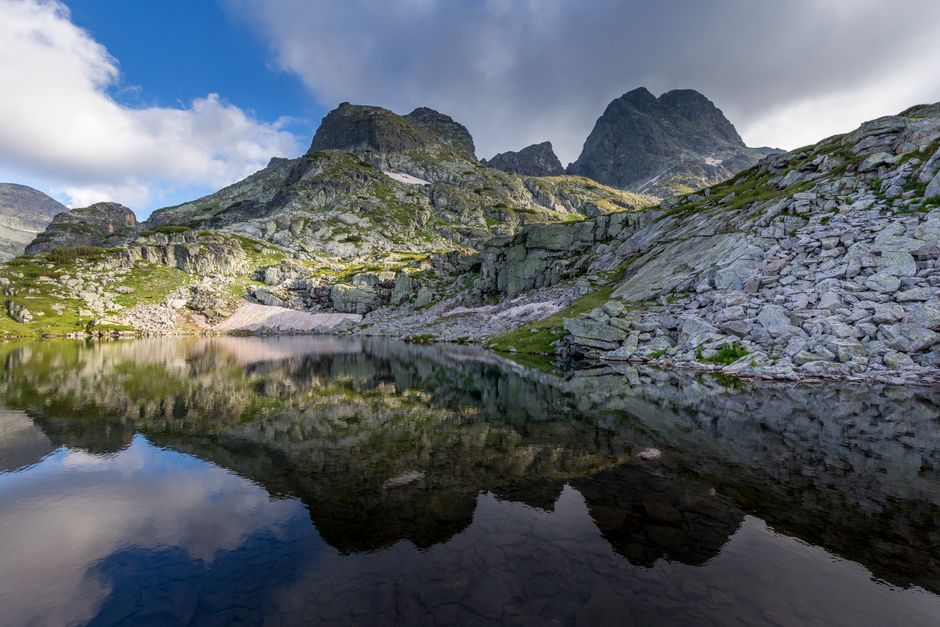
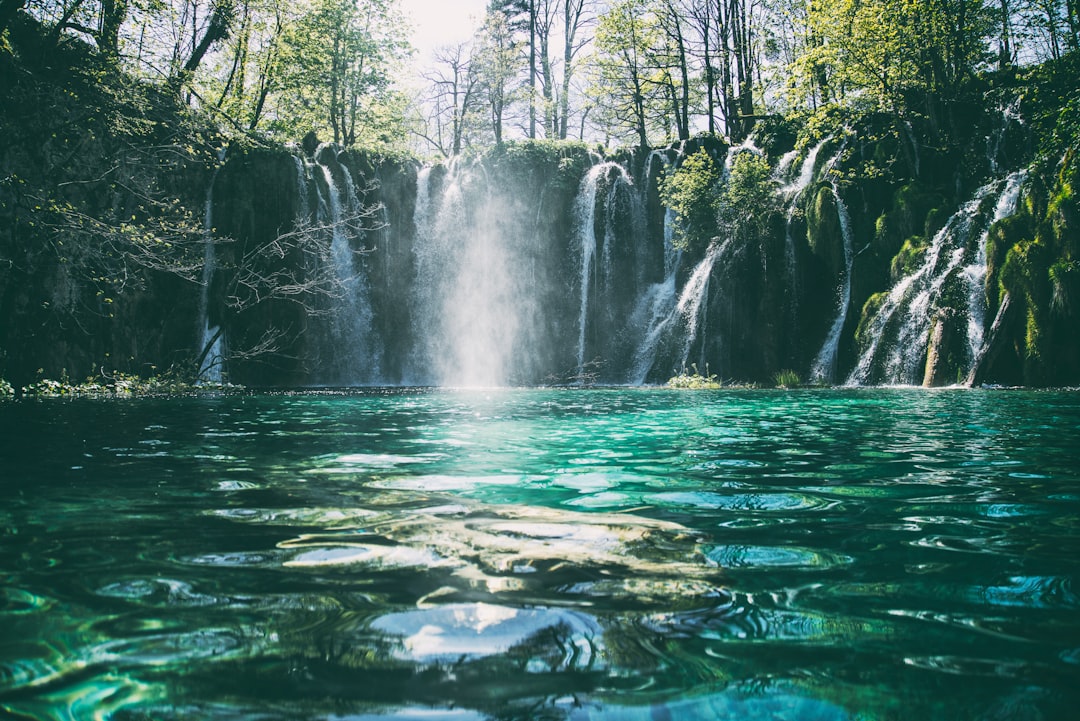
The lakes themselves are glacial, formed by the movement of ice thousands of years ago. They are deep, cold, and pristine. The water is so clear that you can see the bottom, even in the deepest parts. The surrounding landscape is barren, rocky, and starkly beautiful. There are no trees here, only grass and stone. The silence is absolute, broken only by the wind and the occasional cry of a bird. It is a place of solitude, of reflection, of peace. It is a place where you can escape the noise of the world and find a moment of clarity. It is a place where you can reconnect with nature, with yourself, with the earth.
Routes & Trail Info
The main route to the Seven Lakes starts from the Rila Monastery and follows a well-marked trail. It is a long hike, covering approximately 14 kilometers one way, with an elevation gain of over 1,000 meters. The trail is moderate in difficulty, but it requires a good level of fitness. It takes about 4-5 hours to reach the lakes from the monastery, and another 4-5 hours to return. The trail is well-maintained, but it is not easy. There are steep sections, rocky paths, and exposed ridges. It is not a hike for beginners, but it is manageable for anyone with a good level of fitness and proper equipment.
There is an alternative route that starts from the Yulen Peak area, which is closer to the lakes. This route is shorter, about 5 kilometers one way, but it is steeper and more difficult. It is recommended for experienced hikers only. The trail is rocky and exposed, with some steep sections. It takes about 2-3 hours to reach the lakes from Yulen Peak, and another 2-3 hours to return. This route offers a different perspective on the lakes, with stunning views of the surrounding mountains. It is a more challenging hike, but it is also more rewarding.
For those who do not want to hike the full distance, there is a cable car that takes you part of the way up the mountain. The cable car starts from the Rila Monastery and takes you to the Yulen Peak area. From there, you can hike to the lakes. This option is good for those who want to see the lakes but do not have the time or fitness to hike the full distance. It is a convenient option, but it does not offer the same sense of achievement as hiking the full trail.
Getting There & What to Expect
The nearest major city is Sofia, the capital of Bulgaria. From Sofia, you can take a bus to Rila, a small town near the monastery. The bus ride takes about 2 hours and costs around 5-8 EUR. From Rila, you can take a local bus or taxi to the monastery. The taxi ride takes about 15 minutes and costs around 10-15 EUR. Alternatively, you can rent a car in Sofia and drive to Rila. The drive takes about 1.5 hours and is a scenic route through the mountains. It is a great option for those who want flexibility and freedom.
Accommodation in Rila is limited but affordable. There are several guesthouses and hotels in the town, with prices ranging from 30-60 EUR per night for a double room. There is also a mountain refuge near the lakes, which is a good option for those who want to spend the night in the mountains. The refuge is basic, with shared rooms and simple meals, but it offers a unique experience. The price is around 20-30 EUR per night, including meals. It is a great option for those who want to experience the mountains up close.
The best time to visit the Rila Monastery and the Seven Lakes is from June to September. The weather is warm and dry, and the trails are clear. The lakes are frozen in the winter, and the trails are covered in snow. It is possible to hike in the winter, but it requires proper equipment and experience. The spring and autumn can be beautiful, but the weather is unpredictable. It is best to check the weather forecast before you go and bring appropriate clothing and equipment.
Search accommodation in Rila on Booking.com →
The Descent into Reality
Coming down the mountain is always harder than going up. Your knees ache, your muscles burn, and your mind is foggy with fatigue. But the view from the top stays with you. It is a view that changes you, that makes you see the world differently. You return to the monastery, to the noise and the crowds, with a sense of peace and perspective. You have been to the edge of the world, and you have come back. It is a journey that is not just about the destination, but about the journey itself. It is a journey that challenges you, that tests you, that breaks you down and builds you back up. It is a journey that is worth taking, not just for the views, but for the experience. It is a journey that reminds you of the beauty and the brutality of the world, of the power of nature and the resilience of the human spirit. It is a journey that you will never forget.
Comments