


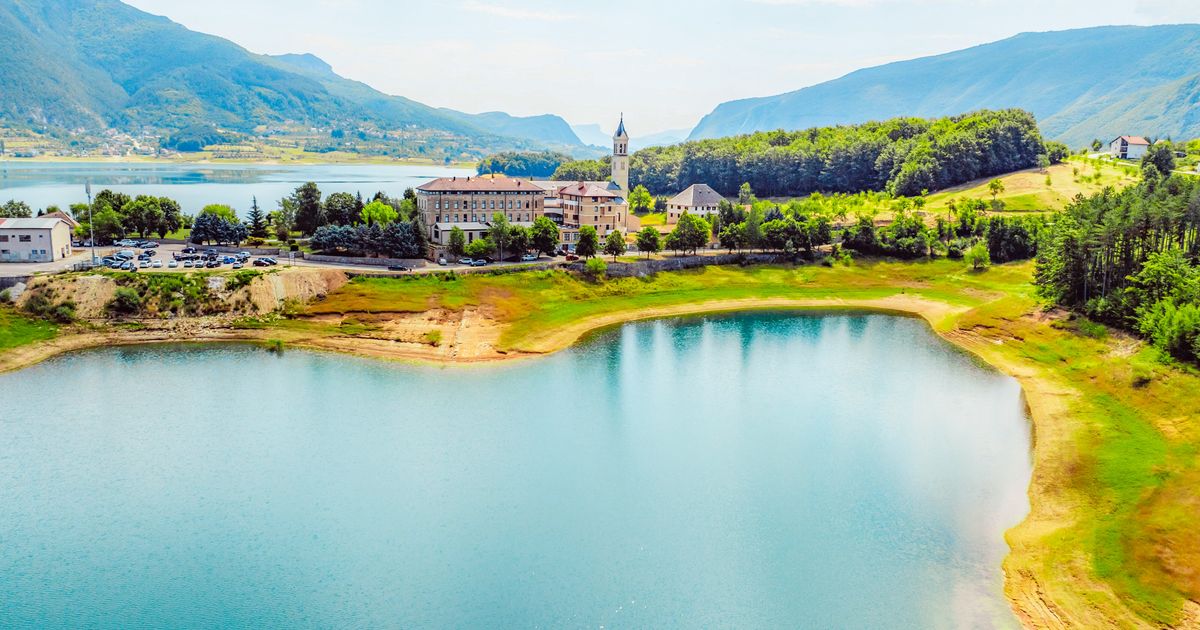
Some places capture your imagination instantly, but their true depth is only revealed once you understand their story. Nestled in the heart of Bosnia and Herzegovina, surrounded by rugged mountains and untouched landscapes, lies a destination that looks like a postcard come to life. At first glance, Ramsko Lake appears to be the perfect summer getaway, boasting crystal-clear water, serene silence, and breathtaking views. Yet, beneath its tranquil surface hides a far more compelling narrative.
Deep underwater lie the remnants of villages, graveyards, and a way of life that vanished forever when the valley was transformed into a reservoir. Ramsko Lake is not just a natural wonder; it is a submerged archive of local history.
A Lake That Changed the Course of Local History
Ramsko Lake was created in 1968 through the damming of the Rama River and the construction of a hydroelectric power plant reservoir. Today, it stretches across the municipality of Prozor-Rama, encircled by the Raduša, Makljen, Ljubuša, and Vran mountains. It is widely regarded as one of the most beautiful artificial lakes in the Balkans.
The lake spans approximately 12 kilometers in length and reaches depths of up to 95 meters in certain areas. Its distinctiveness comes not only from its size and natural beauty but also from the numerous islands and peninsulas that give it an almost surreal appearance. The most famous of these is the Šćit peninsula, which resembles the shape of a guitar when viewed from above.
Submerged Villages and Graveyards That Resurface
What makes Ramsko Lake truly unique is the fact that remnants of past life lie just beneath its surface. When the valley was flooded in the late 1960s, many residents were forced to abandon their homes and relocate to other areas. Old villages, roads, fields, and cemeteries were left forever underwater.
However, nature occasionally reveals what has been hidden for decades. During years when water levels drop significantly, the remains of former settlements become visible. Foundations of houses, traces of old roads, and parts of graveyards emerge, serving as a poignant reminder of the world that disappeared beneath the lake. Many elderly locals still vividly remember their homes, now resting deep under the water.
Where Nature and History Coexist
The Ramski region is renowned for its rich cultural heritage, which is still carefully preserved today. On the Šćit peninsula stands a Franciscan monastery that has served as one of the most important symbols of the area for centuries. Visitors can explore museum collections, traditional houses with open fireplaces, old craft workshops, and numerous exhibits that testify to the lives of the region’s inhabitants.
Special attention is drawn to sculptures of the Ramsko Cross, the Last Supper, the Mother of Ramsko, and Diva Grabovčeva, which safeguard the memory of the history and traditions of this part of Bosnia and Herzegovina.
A Paradise for Nature Lovers
Beyond its fascinating history, Ramsko Lake is now one of the most beautiful natural destinations in the region. The water is exceptionally clear and rich in fish, making it a favorite spot for anglers. Visitors can enjoy boat rides, swimming, camping, and picnics on the shore, while those seeking active recreation can choose hiking and cycling through the surrounding mountainous terrain.
Countless viewpoints offer a special experience, opening up panoramic views of the blue water dotted with islands and the green mountains that surround it.
A Destination Gaining Tourist Attention
Although it is not yet among the most famous tourist attractions in the Balkans, Ramsko Lake attracts a growing number of visitors each year. Many call it one of the most beautiful hidden gems of Bosnia and Herzegovina, precisely because of its combination of untouched nature, authentic gastronomy, and unusual history. On the shores, tourists can taste homemade pies, lamb, veal, trout, local cheeses, and traditional Ramska sljivovica, leading many to claim that it is a place where time seems to stand still.


ramska šljivovica je legendarna, ali taj potopljeni svet je zaista emotivan. ne znam da li bih se usudio da ronim tamo ngl... šta mislite