


British fortunes diverge on the Parisian clay
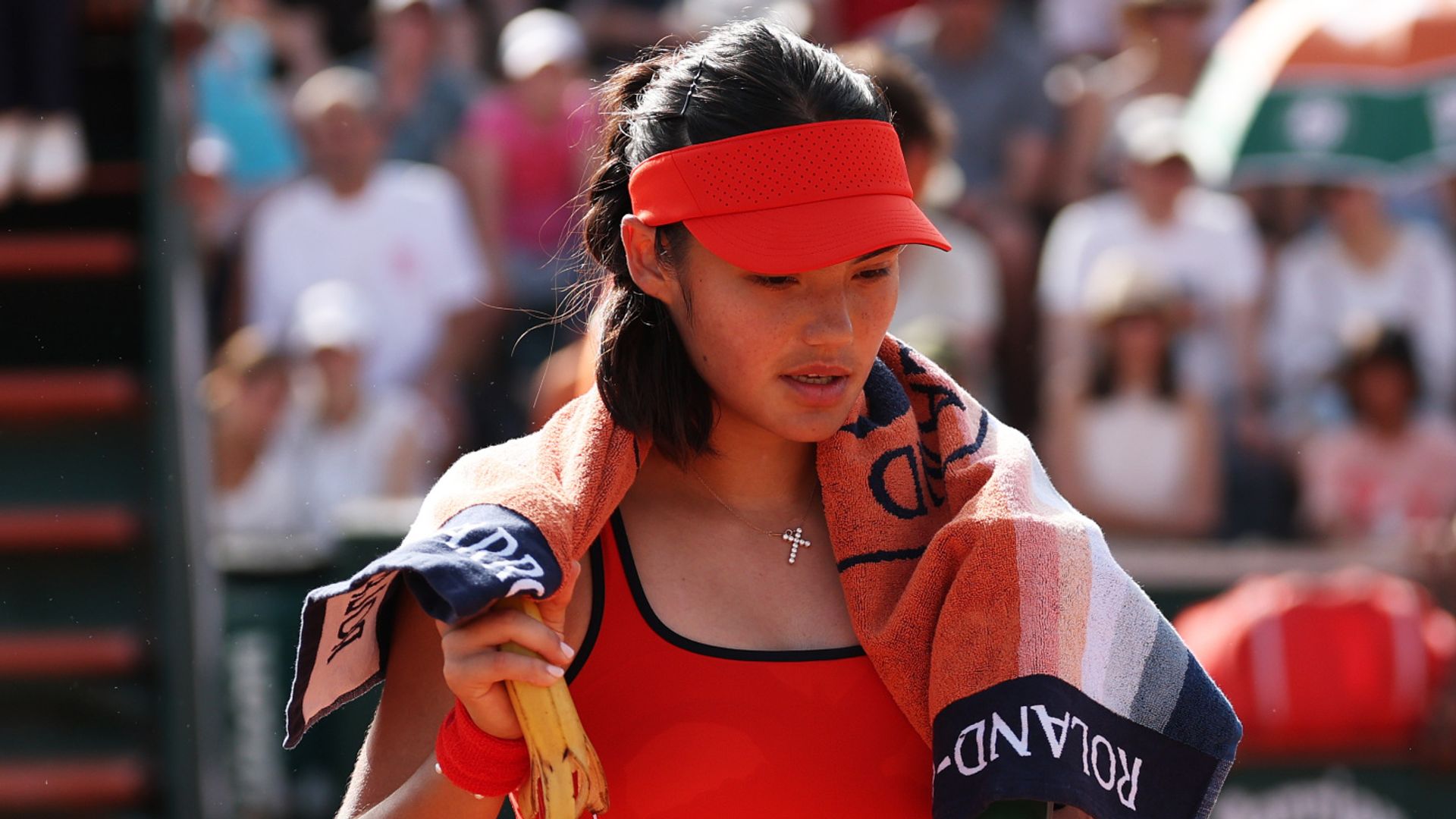
The opening Sunday at Roland-Garros delivered a stark contrast in fortunes for British tennis, while the wider tournament was overshadowed by the ongoing conflict in Ukraine. Emma Raducanu endured a swift first-round elimination, falling to Argentine clay-court specialist Solana Sierra in straight sets. The defeat ended a promising return to competitive tennis for the British number one, who had only played one match since recovering from a prolonged post-viral illness.
Raducanu struggled to find rhythm against Sierra, who moved with confidence on the slow red dirt. The first set concluded in just twenty-five minutes with a 6-0 scoreline, exposing the physical rustiness that comes after months away from the baseline. Although Raducanu managed to save a break point early in the second set, Sierra maintained control, building a 3-1 lead and serving for the match at 5-4. A late break attempt by Raducanu forced a tiebreak, but Sierra’s aggressive shot-making proved decisive, sealing a 6-0 7-6 (7-4) victory in one hour and forty-five minutes on Court 13.
British tennis avoided a complete opening day slump thanks to Fran Jones. Ranked 102 in the world, Jones produced a gritty three-set performance against Brazil’s Beatriz Haddad Maia. After dropping the opener 1-6, Jones steadied her groundstrokes, winning a tense second-set tiebreak before closing out a 1-6 7-6 (7-4) 6-2 victory to advance to the second round.
Competition continues under heavy shadows
While British players focused on clay-court adaptation, Ukrainian 15th seed Marta Kostyuk carried the weight of a nation into her opening match. Kostyuk defeated Russia’s Oksana Selekhmeteva 6-2 6-3, but the post-match atmosphere was defined by the ongoing war in her homeland. Overnight, a major Russian strike targeted Kyiv, killing four people and injuring approximately one hundred. One missile landed merely one hundred metres from the family home where Kostyuk’s mother, sister, and great aunt were sheltering.
During an emotional press conference, Kostyuk displayed photographs of the devastation on her phone, describing the match as one of the most mentally taxing of her career. She admitted to battling nausea and intrusive thoughts throughout the contest, wondering how different her reality would be had the strike been slightly closer. Despite Selekhmeteva having switched to a Spanish passport just before the tournament, Kostyuk declined a post-match handshake, maintaining her stance on the conflict that has displaced millions across Europe and the Balkans.
The early rounds at the French Open have once again highlighted how elite sport operates in parallel with geopolitical realities. As clay-court specialists adjust to the Parisian conditions and newcomers navigate the Grand Slam pressure, the tournament continues to serve as both a sporting showcase and a platform for voices that resonate far beyond the baseline.
Comments