


President Vladimir Putin has signed a decree allowing the Russian state to seize the property of citizens who left the country and are subject to international sanctions. The legislation, which took effect immediately, marks a significant escalation in Moscow’s internal crackdown on those it views as traitors or "foreign agents." The move targets wealthy oligarchs, business leaders, and public figures who have relocated abroad, effectively stripping them of their assets within Russian jurisdiction. For the Balkans, a region that has historically served as a popular destination for Russian capital and expatriates, this development introduces a layer of legal and financial uncertainty for residents and investors alike.
The decree empowers authorities to confiscate real estate, vehicles, and bank accounts belonging to individuals designated under the new sanctions regime. This action is part of a broader strategy to isolate Russia from Western influence and punish dissent. The implications extend beyond domestic politics, affecting international property markets and diplomatic relations. As global scrutiny intensifies, the Balkan states find themselves navigating a complex geopolitical landscape where Russian assets and citizens are increasingly scrutinized.

Legal Framework and Scope of the Decree
The newly signed law grants the Russian government broad powers to identify and seize assets linked to sanctioned individuals. According to reports from Deutsche Welle, the legislation specifically targets those who have fled the country amid the ongoing conflict in Ukraine. The definition of "sanctioned" includes individuals listed by Western governments, as well as those deemed to have acted against Russia’s national interests. This vague terminology allows for wide interpretation, potentially encompassing a large number of expatriates and business owners.
The process involves the Federal Treasury and other state agencies, which can now initiate legal proceedings to transfer ownership of confiscated properties to the state or designated entities. This mechanism bypasses traditional judicial reviews, raising concerns about due process and property rights. For those affected, the loss of assets is immediate and irreversible, with limited avenues for appeal. The decree also extends to family members, meaning that spouses and children of sanctioned individuals may also face asset freezes, further broadening the impact of the legislation.
International legal experts warn that this move could set a dangerous precedent for property rights globally. The arbitrary nature of the sanctions and the lack of transparent criteria for designation create an environment of fear and uncertainty. Businesses operating in Russia must now conduct rigorous due diligence to ensure they are not inadvertently holding assets linked to sanctioned individuals. The ripple effects are already being felt in international banking and real estate sectors, where compliance with Russian laws conflicts with Western sanctions regimes.
Impact on the Balkans and Regional Stability
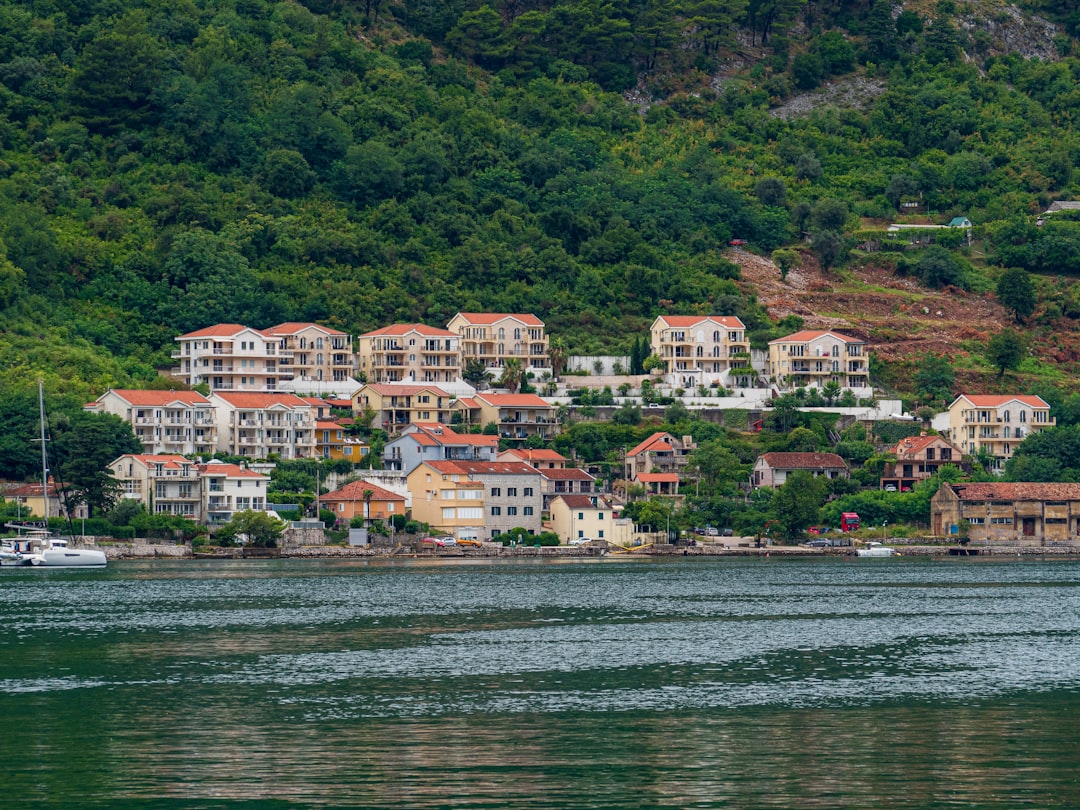
The Balkans, particularly countries like Serbia, Montenegro, and North Macedonia, have long been popular destinations for Russian investors and expatriates seeking alternative lifestyles or business opportunities. The new decree threatens to disrupt this dynamic, as many of these individuals hold significant assets in the region. Property markets in coastal areas of Montenegro and Serbia, for instance, have seen a surge in Russian investment in recent years. The potential seizure of these assets could lead to a sudden drop in property values and economic instability in these areas.
Diplomatic tensions may also rise as Balkan countries grapple with the implications of the decree. While some nations maintain close ties with Moscow, others are aligned with Western sanctions policies. This divergence creates a challenging diplomatic environment, where balancing act is required to maintain good relations with both sides. For example, Serbia’s non-aligned stance may be tested as it navigates the pressure from both Russia and the European Union. The region’s stability depends on how well these countries can manage the fallout from Russia’s internal policies.
Furthermore, the decree could affect tourism and investment flows to the Balkans. Russian tourists and investors may become hesitant to travel or invest in the region due to fears of asset seizure or legal complications. This could have a negative impact on local economies that rely heavily on tourism and foreign investment. Hotels, restaurants, and real estate agencies in popular destinations like Dubrovnik or Budva may see a decline in business as Russian clientele reduce their presence. The long-term effects on the Balkan economy remain uncertain, but the potential for disruption is significant.
Global Repercussions and Future Outlook
The international community has reacted with concern to Putin’s decree, viewing it as an attack on fundamental human rights and property ownership. Western governments have condemned the move, warning that it will further isolate Russia on the global stage. The United States and the European Union have reiterated their commitment to supporting the rule of law and protecting the rights of individuals. However, the practical impact of these statements is limited, as Russia remains largely unaffected by external pressure.
For the Balkans, the situation requires careful monitoring and strategic planning. Governments in the region must assess the legal and economic risks associated with hosting Russian assets and citizens. This may involve strengthening legal frameworks to protect property rights and ensure compliance with international standards. Additionally, diplomatic efforts should focus on maintaining open lines of communication with both Moscow and Western capitals to mitigate potential conflicts. The Balkan states must remain vigilant and adaptable in the face of evolving geopolitical dynamics.
Looking ahead, the decree is likely to have lasting effects on Russia’s relationship with the international community. It reinforces the trend of increasing authoritarianism and isolation, which could have profound implications for global stability. For the Balkans, the challenge lies in navigating this complex landscape while safeguarding their own interests and stability. The coming months will be critical in determining how the region responds to these developments and whether it can emerge resilient amidst the turmoil. Readers should stay informed about ongoing legal and diplomatic developments, as they will shape the future of the Balkan region in significant ways.

Comments