


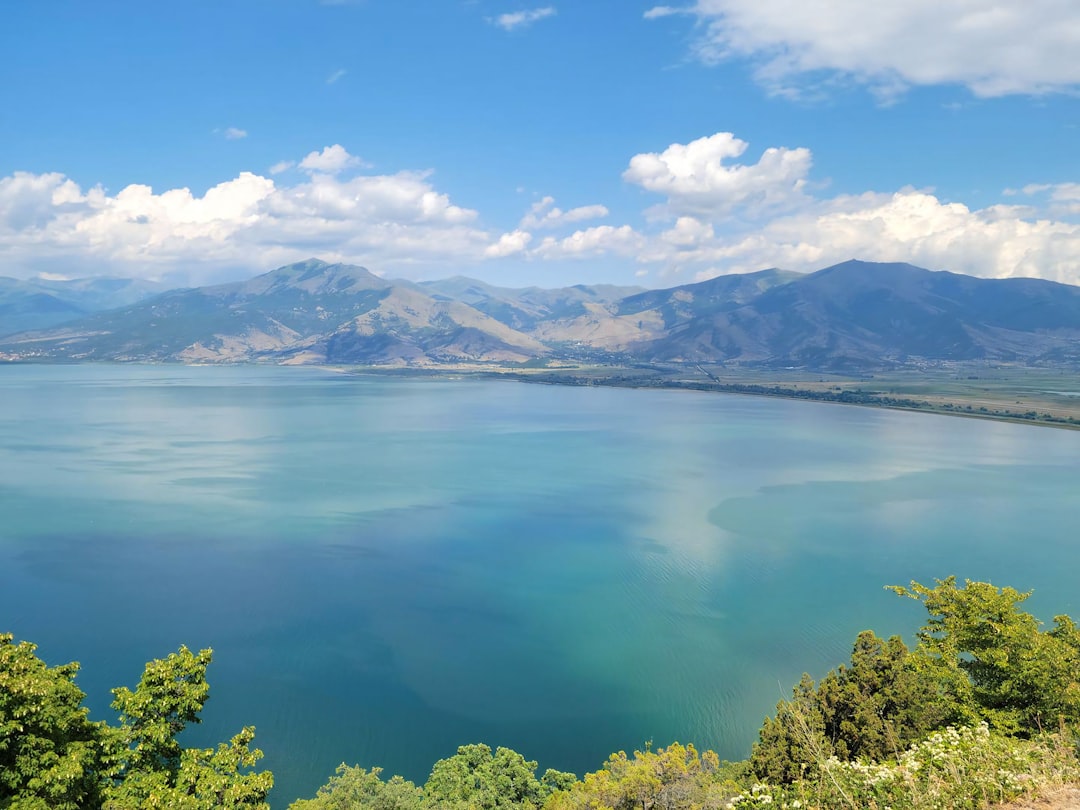
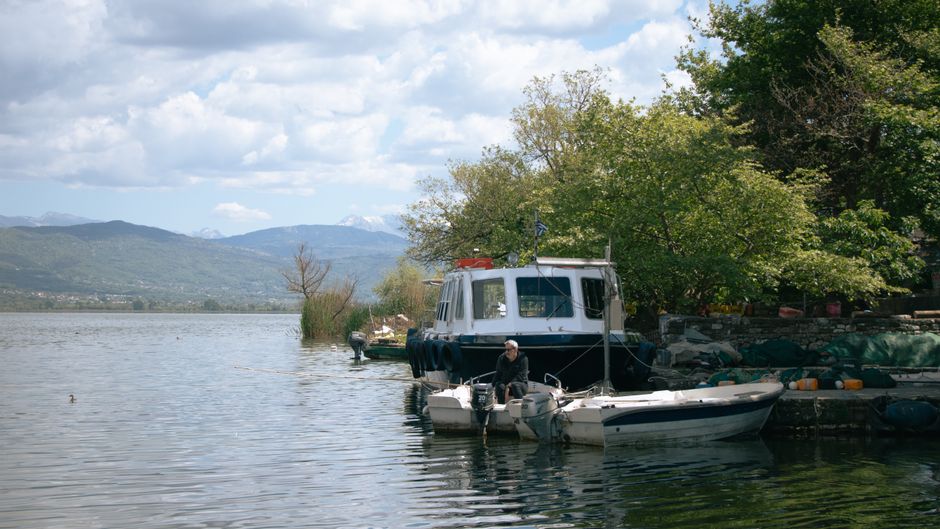
The coffee tastes like burnt rubber and the wind is trying to pry my notebook out of my hands. I am sitting on a plastic stool at a roadside table near Edessa, Greece, watching a white-headed duck bob in the reeds like a tiny, feathered submarine. A local man in a faded flannel shirt leans over my shoulder, points at a heron, and shouts something in Greek that sounds suspiciously like he's telling me to shut up and look. I don't speak the language, but the gesture is universal: this place is sacred, and I am the noisy outsider. The air smells of damp earth and pine resin. My boots are already caked in the thick, red mud of the Macedonian side. This is the Prespa Lakes region, a jagged, beautiful scar on the map where Greece, North Macedonia, and Albania bleed into each other, and the only thing that matters here is the bird on the branch and the trail under your feet.
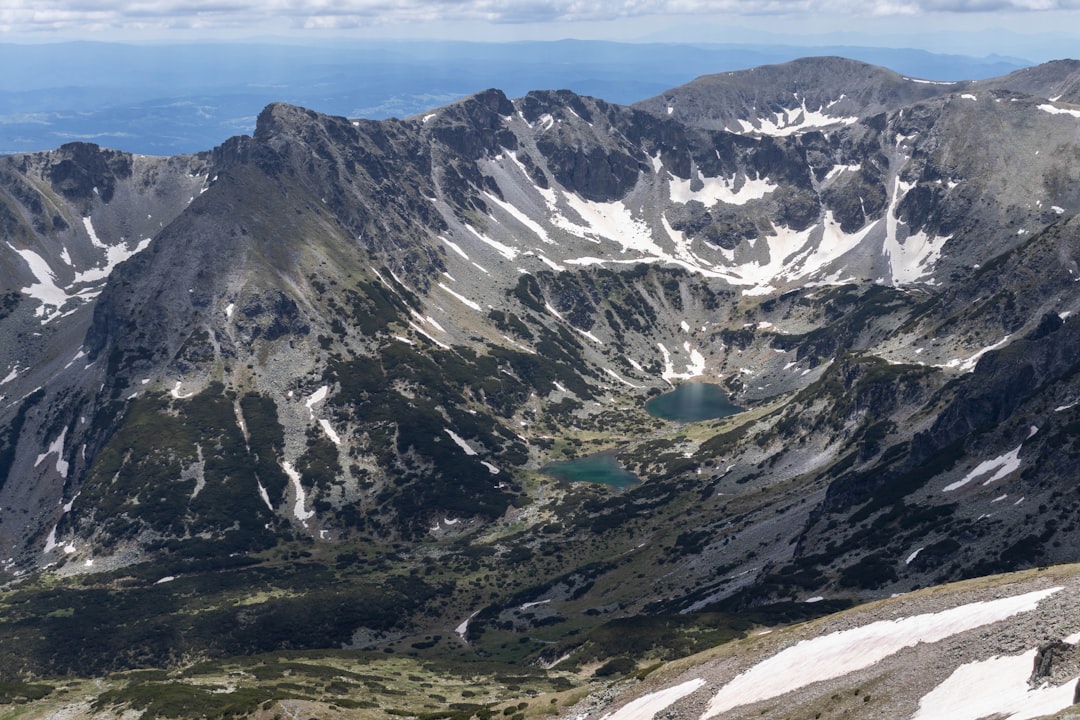
Most tourists rush past this borderland, chasing the beaches of Halkidiki or the party streets of Skopje. They miss the quiet violence of nature here. The lakes are tectonic wonders, some of the highest in Europe, sitting at over 850 meters above sea level. The water is cold, clear, and teeming with life that doesn't care about political borders. I spent three days jumping between the Greek village of Edessa and the Macedonian town of Resen, chasing pelicans and hiking trails that feel like they haven't been walked in decades. It's not a polished resort destination. It's raw, rugged, and utterly gripping if you're willing to get lost.
History & Identity
Prespa is a place where history feels heavy, like the fog that rolls off Great Prespa Lake in the early morning. For centuries, this region was a buffer zone, a disputed frontier where empires clashed and retreated. The Byzantines built monasteries here to guard the spiritual high ground, and those stone structures still cling to the hillsides like barnacles on a whale. The border between Greece and North Macedonia was drawn by outside powers, slicing through villages and families, but the landscape remains indifferent to the ink on the map.
The identity of Prespa is deeply rooted in isolation and resilience. The villages on the shores are small, often declining, but fiercely proud. The people here are shepherds, fishermen, and increasingly, guardians of a fragile ecosystem. The region is part of the Prespa Lakes protected area, a transboundary conservation project that has slowly turned political tension into cooperation. The monasteries, like the Holy Lake Monastery on the Greek side, serve as cultural anchors, preserving frescoes and traditions that predate modern nations. Walking these trails, you feel the weight of centuries in the silence between bird calls.
Where to Go
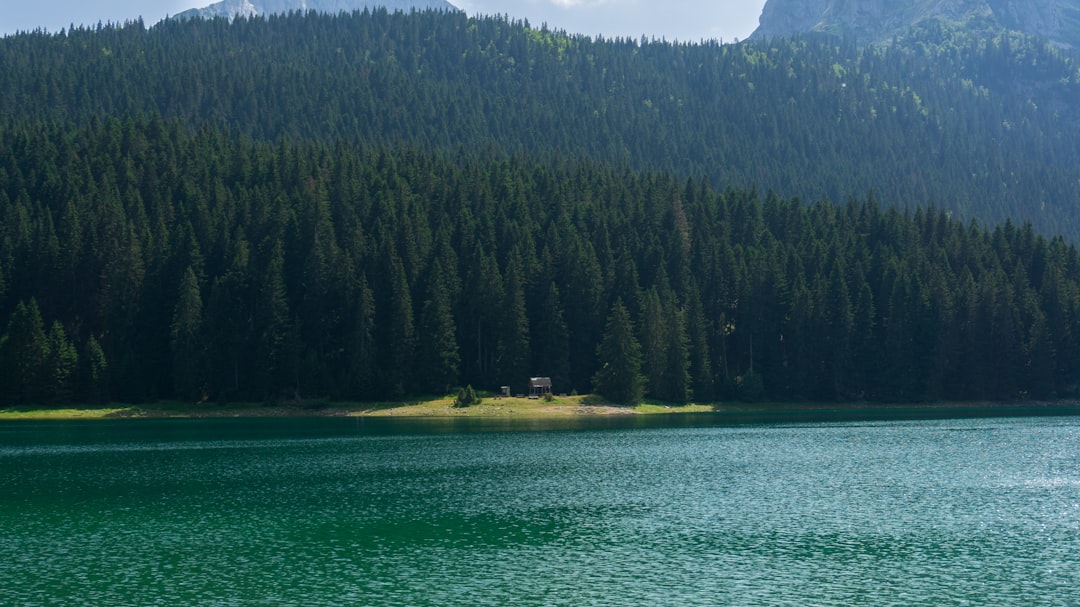
Great Prespa Lake — The largest of the two lakes, straddling the border between Greece, North Macedonia, and Albania. It is the heart of the region, a vast, shimmering expanse of water that changes color with the wind. The Greek side offers the best viewing points for wildlife, with calm bays and reed beds that harbor thousands of birds. It is free to access, but respect the protected status of the area. Do not feed the wildlife. The best time to visit is early morning, when the light is soft and the birds are most active.
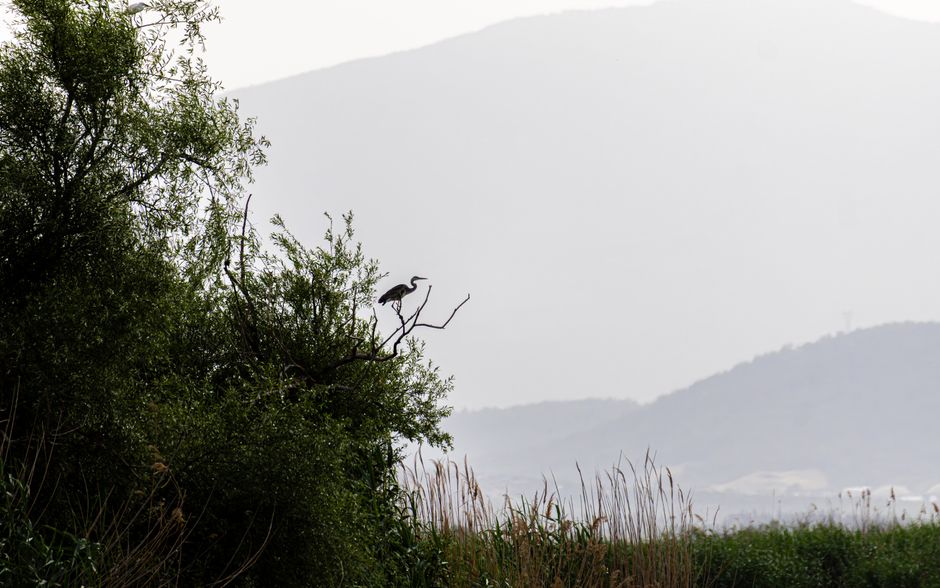
Small Prespa Lake — Located entirely within Greek territory, this lake is smaller but equally wild. It is connected to the Great Lake by a narrow channel, and the water here is often calmer. The surrounding hills are dotted with olive groves and ancient ruins. It is a quieter alternative to the Great Lake, ideal for those seeking solitude. The village of Edessa sits on its western shore, providing easy access to trails and viewpoints.
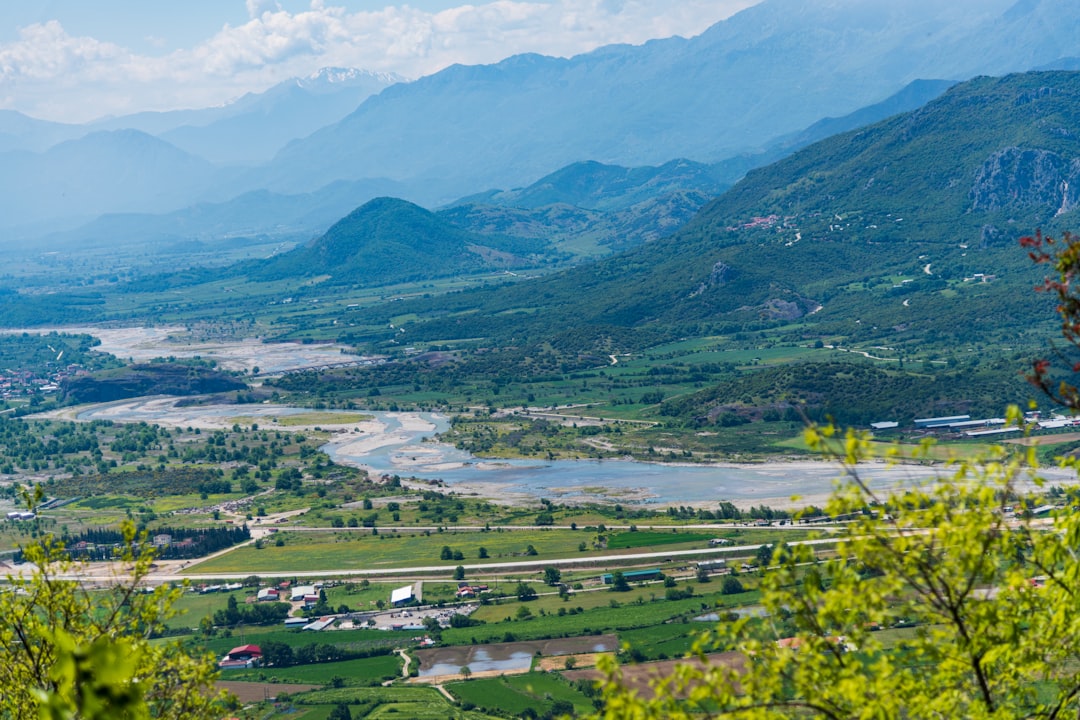
Resen Lake — A glacial lake on the Macedonian side, connected to Great Prespa Lake by a short, navigable channel. It is smaller and more enclosed, surrounded by steep hills and forests. The town of Resen sits on its northern shore, offering a more developed tourist infrastructure with cafes and guesthouses. The lake is a key stop for birdwatchers, particularly for migratory species that use the channel as a corridor.
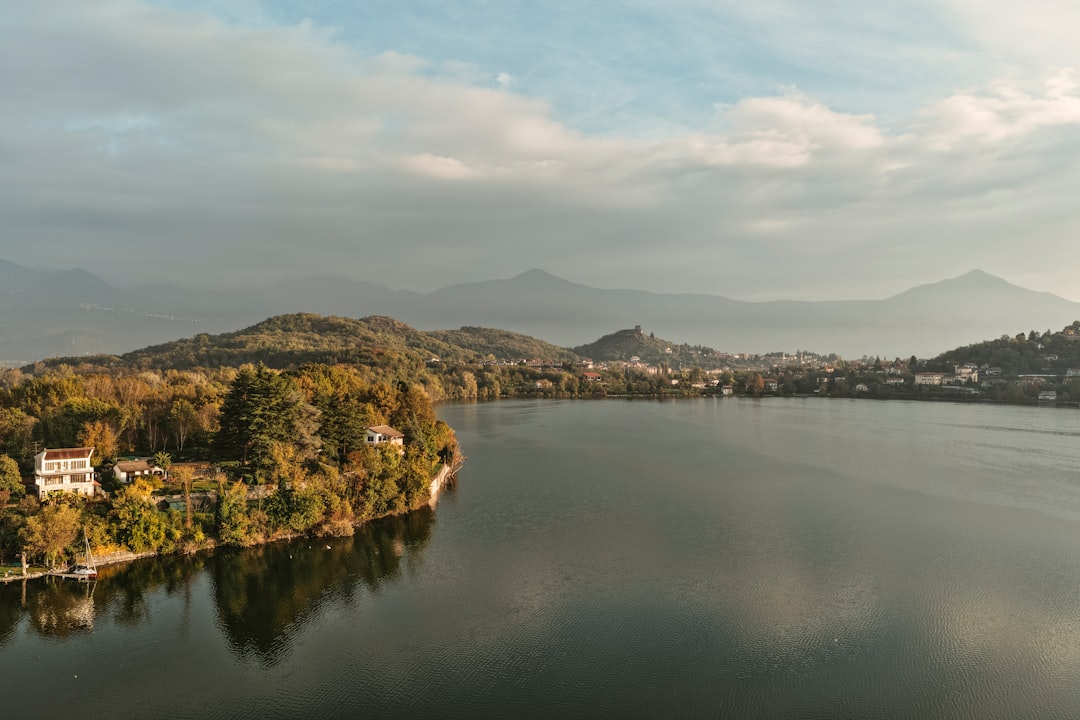
Holy Lake Monastery — Perched on a hill overlooking Great Prespa Lake, this 15th-century monastery is a masterpiece of Byzantine architecture. The frescoes inside are remarkably preserved, depicting saints and biblical scenes in vivid color. The views from the monastery grounds are spectacular, offering a panoramic vista of the lake and the surrounding mountains. Entry is free, but donations are appreciated. Dress modestly and remove your shoes before entering the church.
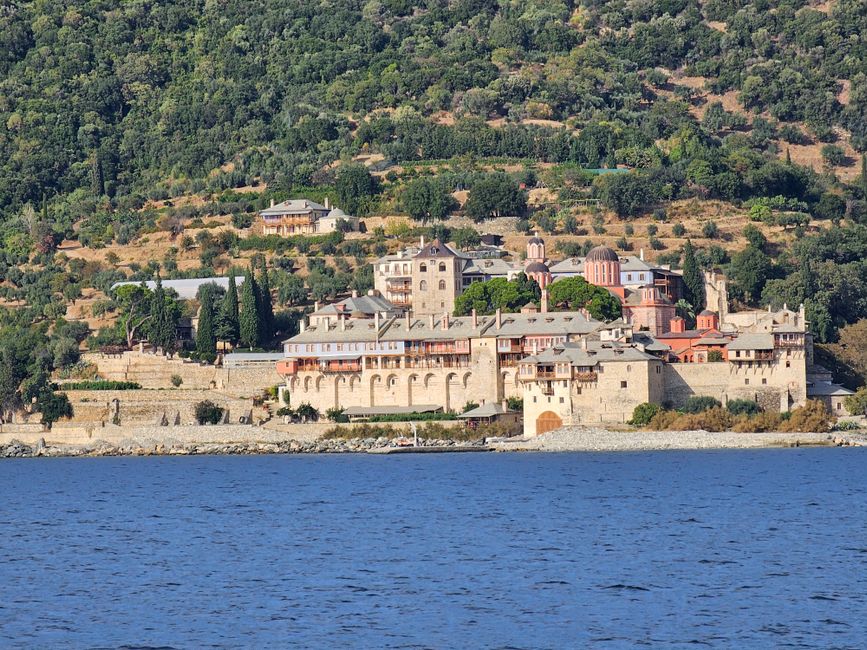
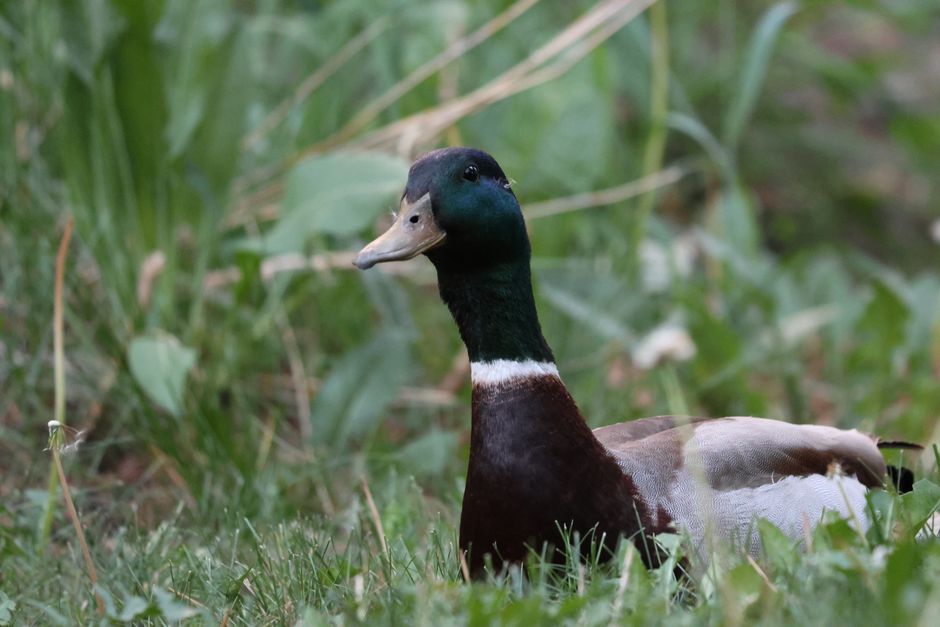
Prespa National Park — The protected area on the Macedonian side, encompassing Great Prespa Lake and the surrounding forests. It is home to a diverse array of flora and fauna, including the rare Prespa chub fish and the white-headed duck. The park offers a network of trails for hiking and birdwatching, with information centers in Resen and Bitola. It is a vital sanctuary for biodiversity, and visitors are encouraged to support conservation efforts.
What to Eat & Drink
The food in Prespa is simple, hearty, and deeply connected to the land. The lakes provide fresh fish, particularly the Prespa chub, which is often grilled or fried and served with local greens. The villages are known for their homemade cheeses, made from sheep and goat milk, and their honey, which is collected from the wildflower meadows. The wine is robust, red, and often served in clay pots.
- Grilled Prespa Chub — Fresh fish from the lake, grilled with olive oil and lemon. Typical price 12-18 EUR per serving.
- Local Cheese Platter — A selection of aged sheep and goat cheeses, served with honey and bread. Typical price 8-12 EUR per person.
- Prespa Wine — Red wine from local vineyards, often served in traditional clay pots. Typical price 4-6 EUR per glass.
- Wild Greens Salad — A salad made from foraged wild greens, dressed with olive oil and vinegar. Typical price 5-8 EUR per serving.
For budget travelers, there are several taverns in Edessa and Resen that offer set menus for 10-15 EUR per person. Street food options are limited, but you can find fresh bread and cheese from local bakeries for 2-4 EUR. The best place to eat in Edessa is the waterfront area, where several taverns offer views of the lake. In Resen, the main square has a cluster of cafes and restaurants that cater to both locals and tourists.
Nightlife
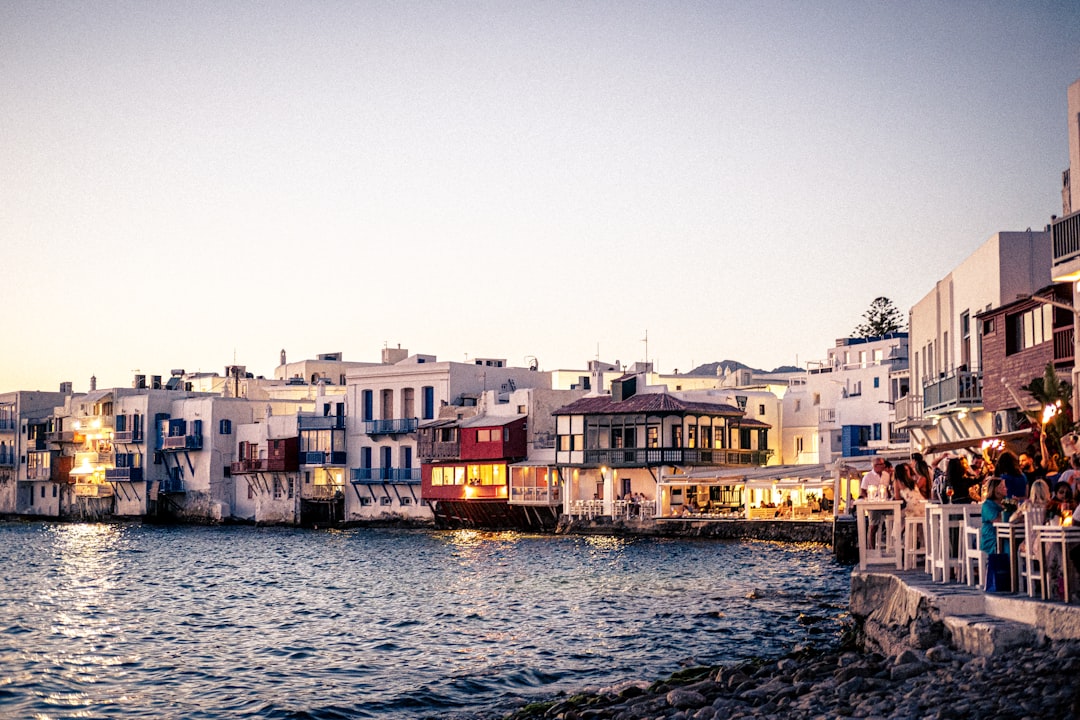
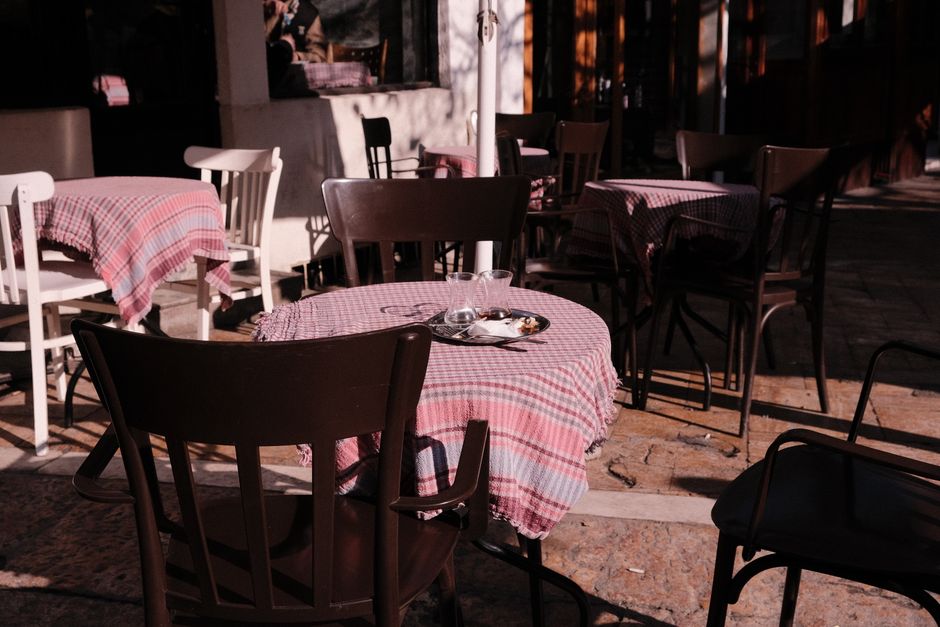
Prespa is not a party destination. The nightlife is quiet, centered around the main squares of Edessa and Resen. In Edessa, you can find a few bars along the waterfront that serve local wine and coffee. The atmosphere is relaxed, with locals gathering to chat and play backgammon. In Resen, the main square has a couple of cafes that stay open late, offering a more social scene. There are no clubs, and the music is usually traditional folk or soft pop. It is a place to unwind, not to party.
The best bar in Edessa is Taverna Prespa, which offers a cozy atmosphere and a good selection of local wines. The cover charge is non-existent, and the drinks are reasonably priced. In Resen, Cafe Square is a popular spot for locals and tourists alike, with live music on weekends. It is a place to observe the local culture, not to dance until dawn.
Getting There & What to Expect
The nearest major airport is Skopje Airport in North Macedonia, which is about 100 km from Resen. There are direct flights from several European cities, and the journey to Resen takes about 1.5 hours by car or bus. From Thessaloniki Airport in Greece, it is about 150 km to Edessa, taking roughly 2 hours by car or bus. Buses run regularly between Skopje and Resen, and between Thessaloniki and Edessa, with tickets costing 10-15 EUR one way.
Accommodation in the region is affordable, with budget guesthouses in Edessa and Resen ranging from 30-50 EUR per night. Mid-range hotels are available for 60-90 EUR per night, offering more comfort and amenities. Camping is also an option, with several sites near the lakes charging 5-10 EUR per night. The best time to visit is from April to October, when the weather is mild and the birdwatching is at its peak. Winter can be cold and snowy, making some trails inaccessible.
Expect to do some driving. The villages are small and spread out, and public transport is limited. A rental car is highly recommended, with prices starting from 30-50 EUR per day. The roads are generally in good condition, but can be narrow and winding. Be careful when driving, and respect the speed limits. The border crossing between Greece and North Macedonia can be slow, so allow extra time for this part of the journey.
Search accommodation in Edessa, Greece on Booking.com →
The Borderless Truth
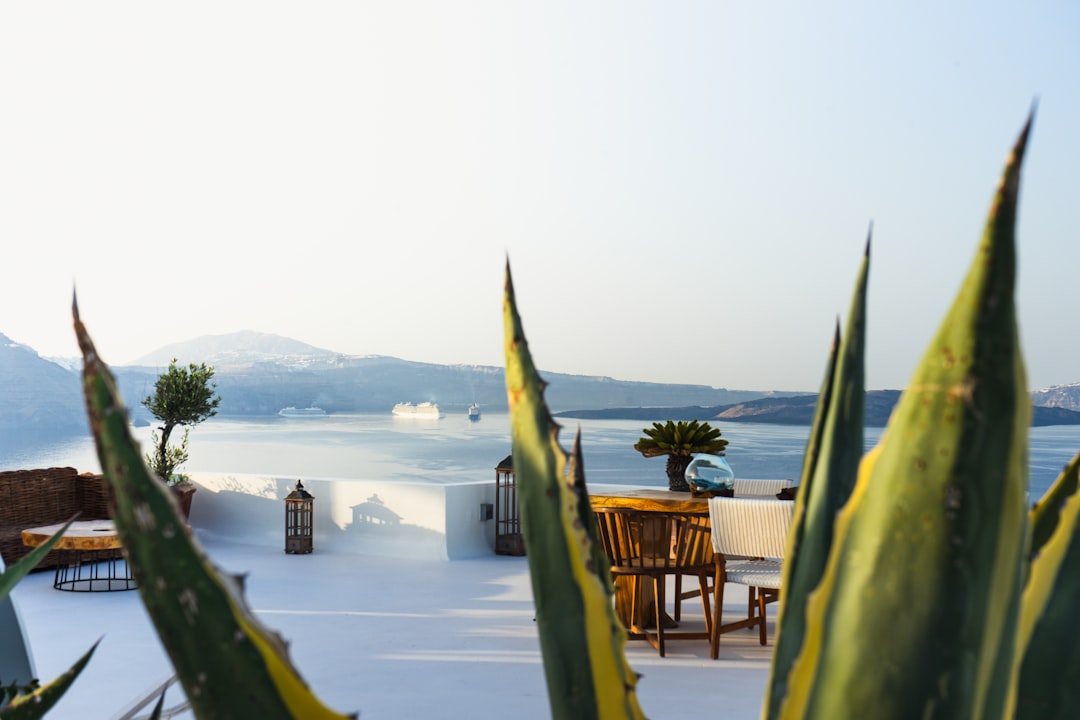
I stand on the shore of Great Prespa Lake, watching the sun dip below the horizon. The water turns a deep, bruised purple, and the birds begin to roost in the reeds. On the other side of the lake, I can see the lights of a Macedonian village, twinkling like fireflies. There is no fence here, no guard, no checkpoint. Just water, wind, and the quiet hum of nature. It is a reminder that the earth does not belong to any one nation, and that the most beautiful things in life are often found in the spaces between.
Comments