


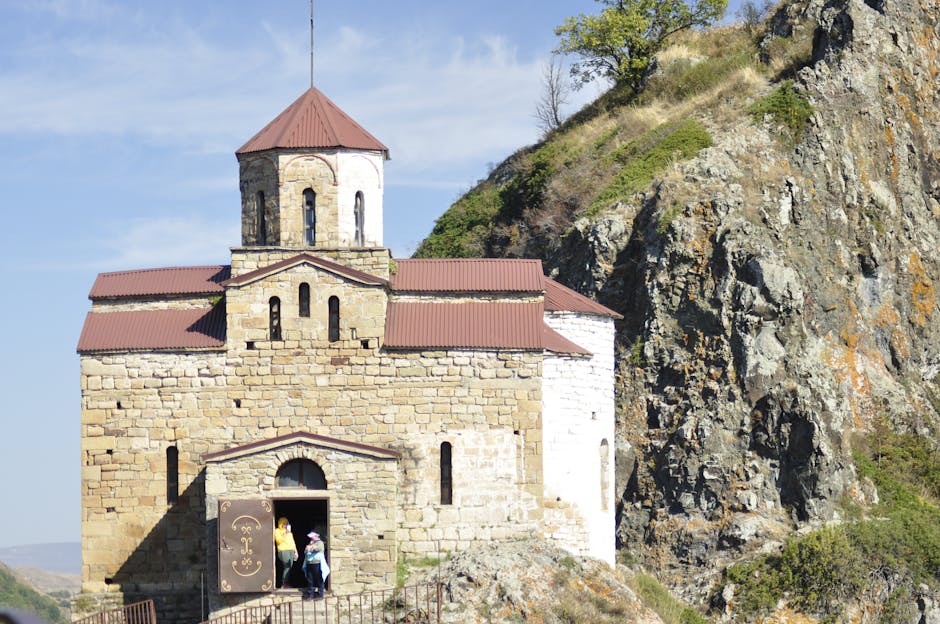
The coffee in Hisarya square tasted like burnt almonds and old money. I sat on a cracked stone bench, watching a group of locals in sharp suits argue about football while a street musician played a violin that sounded like it had survived two revolutions. This isn't a postcard. This is Plovdiv, and it's vibrating with a frequency that most guidebooks miss. The city doesn't care about your Instagram aesthetic; it cares about your survival, your taste, and your willingness to wander into alleyways that smell of rose oil and ancient limestone.
Most tourists treat the Old Town as a museum exhibit. They walk the main street, snap a photo of the Roman Theatre, and call it a day. Big mistake. The real Plovdiv hides in the gaps between the restored facades, in the courtyards where cats rule and history is lived, not just displayed. This is a city that has been rebuilt, burned, and reborn so many times that its identity is a palimpsest of empires. And right now, it's the most electric, affordable, and genuinely authentic urban destination in the Balkans.
History & Identity
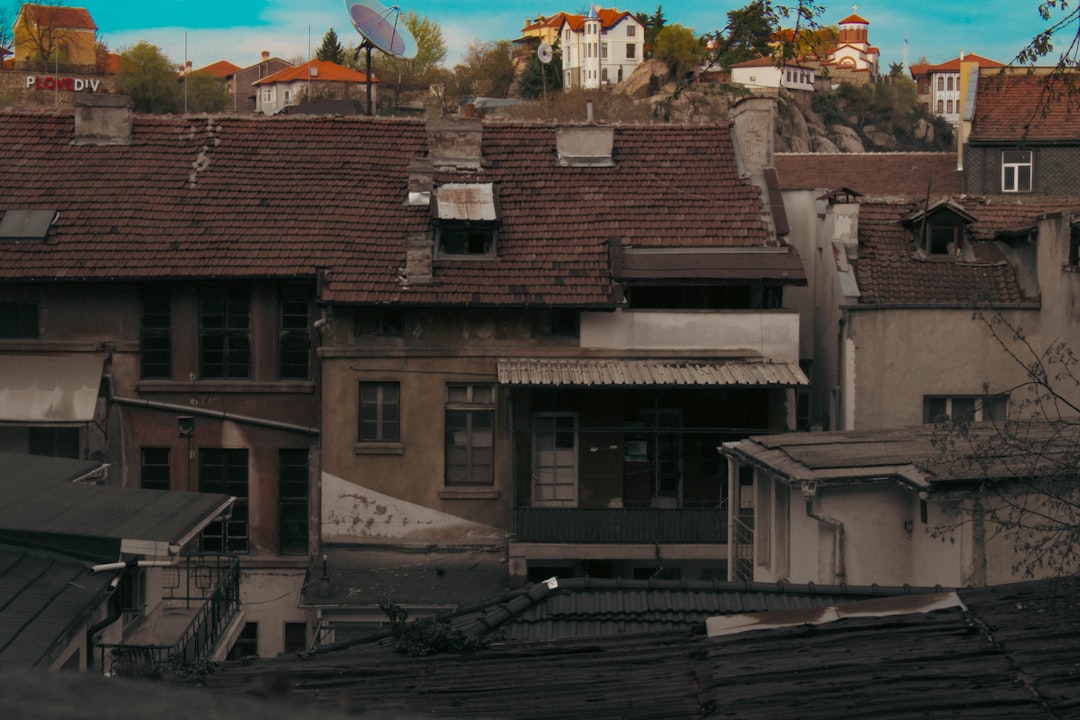
Plovdiv isn't just old; it's aggressively ancient. Archaeologists have found traces of habitation dating back to Neolithic times, making it one of Europe's oldest continuously inhabited cities. The Thracians called it Philippopolis, the Romans expanded it into a major provincial capital, and the Byzantines turned it into a religious center. But the layers don't just sit there; they collide. You'll find a Roman stadium right next to a Ottoman bathhouse, and a Communist era brutalist building casting a shadow over a Revival period house.
The city's modern identity was forged in fire. The 1934 earthquake leveled much of the historic center, leading to a massive reconstruction that gave the Old Town its current eclectic mix of styles. Then came the Communist era, which suppressed its cosmopolitan soul, followed by a chaotic post-1989 transition that saw the city nearly abandoned by its own residents. Today, Plovdiv is experiencing a renaissance driven by artists, entrepreneurs, and a stubborn refusal to be just another provincial backwater. It was the 2019 European Capital of Culture, a title it earned not by polishing its image, but by embracing its gritty, creative underbelly.
The result is a city that feels alive in a way that Sofia or Budapest can't replicate. There's a raw energy here, a sense that the city is still writing its own story. The people are proud, direct, and fiercely protective of their home. They don't do "tourist traps" well; they do authentic experiences, and you have to be willing to engage on their terms.
Where to Go
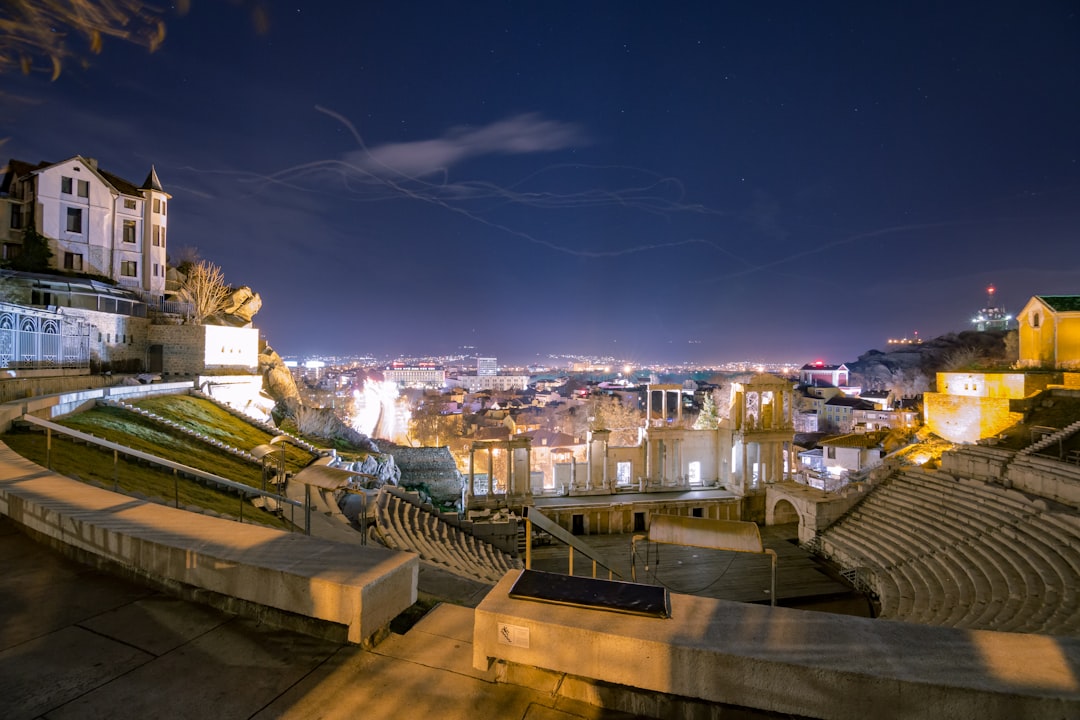
The Roman Theatre — This isn't a ruin you walk around; it's a working venue. Built in 2nd century AD, it's one of the best-preserved Roman theatres in the Balkans. The acoustics are still perfect, and the views over the Old Town are unmatched. Entry is 5 EUR, but it's worth paying for the guided tour in English to understand the scale of the Roman Philippopolis.
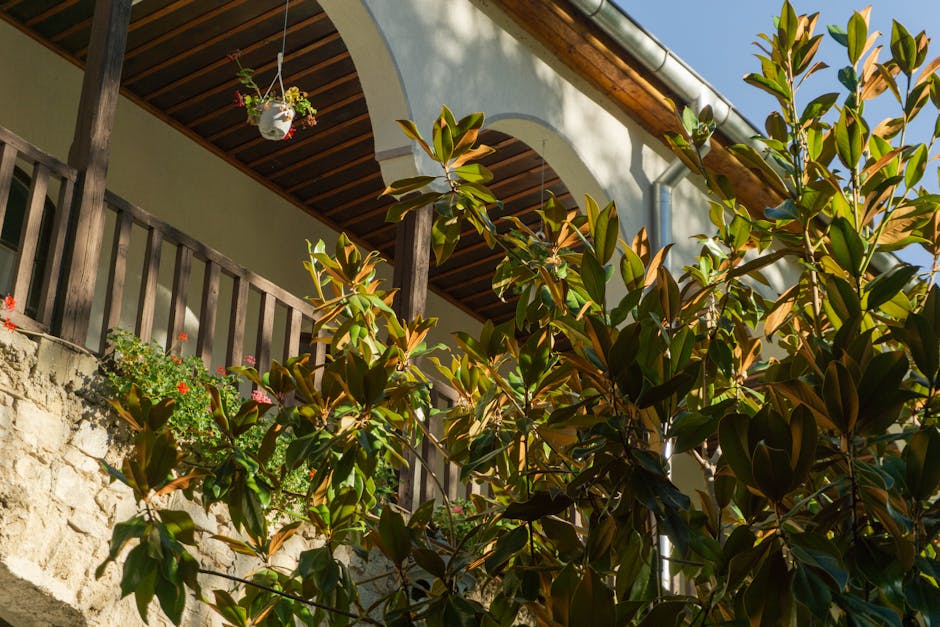
The Ethnographic Museum — Housed in a beautifully restored Revival period mansion on Hisarya street, this museum offers a window into the domestic life of Plovdiv's merchants during the 19th century. The courtyard is a peaceful oasis, and the artifacts tell a story of wealth, craftsmanship, and Ottoman-era resilience. Entry 4 EUR.
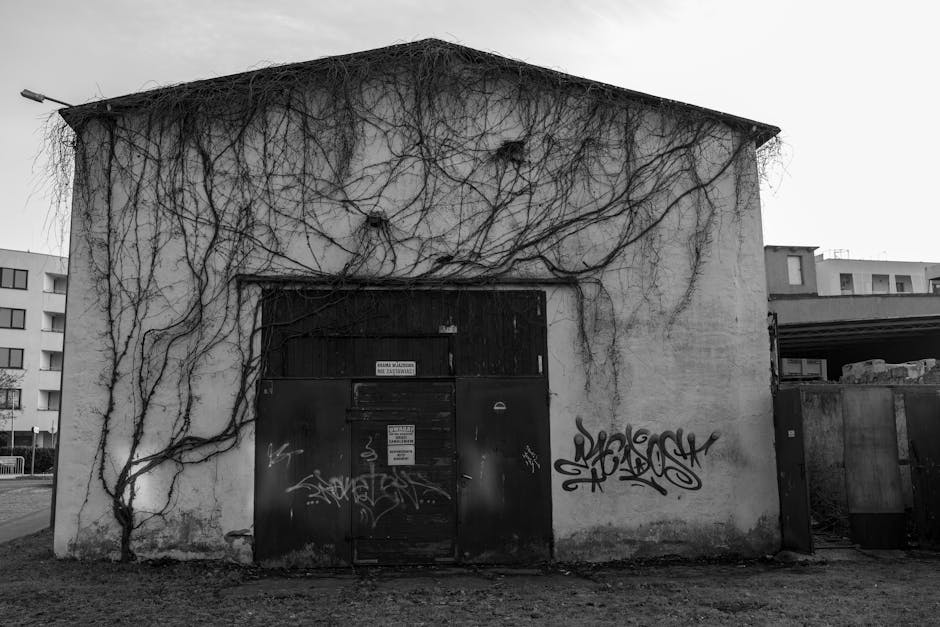
The Kapana District — Once an industrial zone full of old warehouses, Kapana is now the city's creative heart. Street art covers every wall, galleries pop up in former factories, and the cafes are always full of locals. It's the place to go for an evening walk, a beer, and a sense of where the city is heading. No entry fee, just your curiosity.
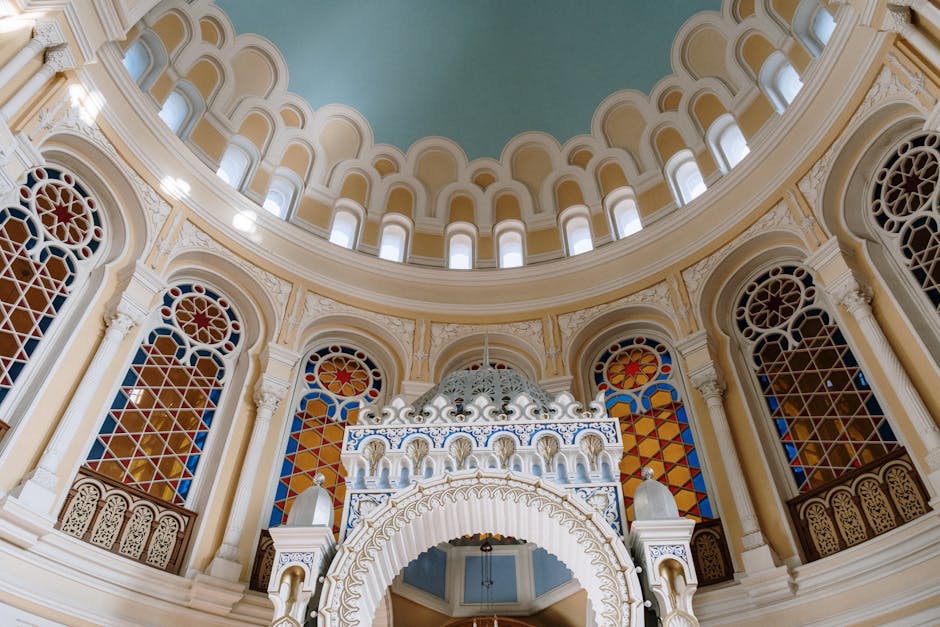
The Old Synagogue — A stunning example of Moorish architecture from 1893, this synagogue is one of the largest in the Balkans. It survived the 1943 deportation of Bulgarian Jews, a dark chapter the city confronts openly. The interior is breathtaking, with intricate woodwork and stained glass. Entry 3 EUR.
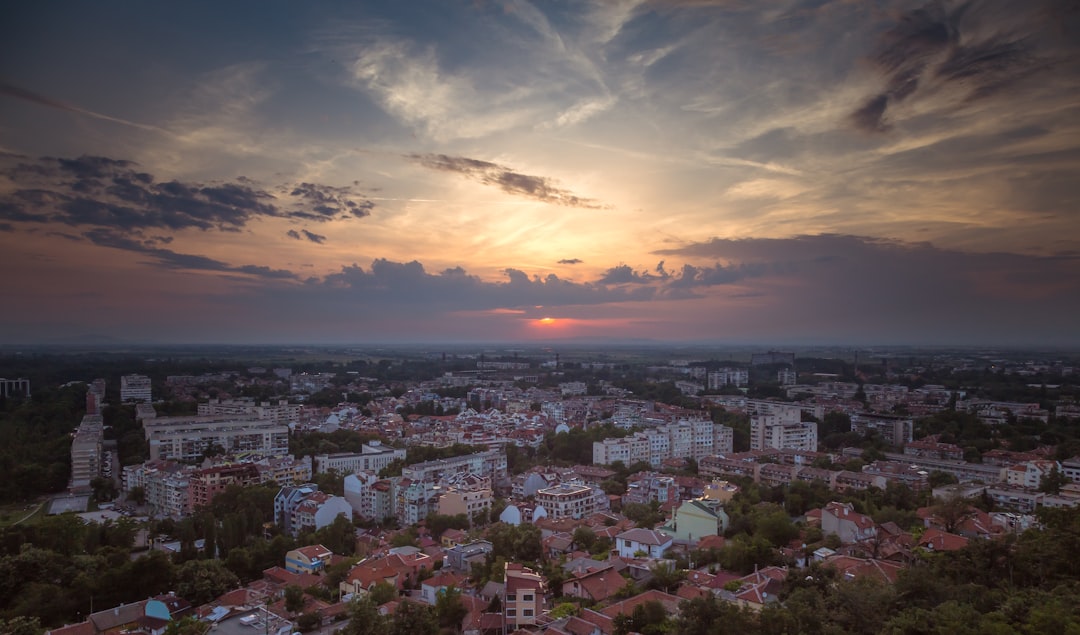
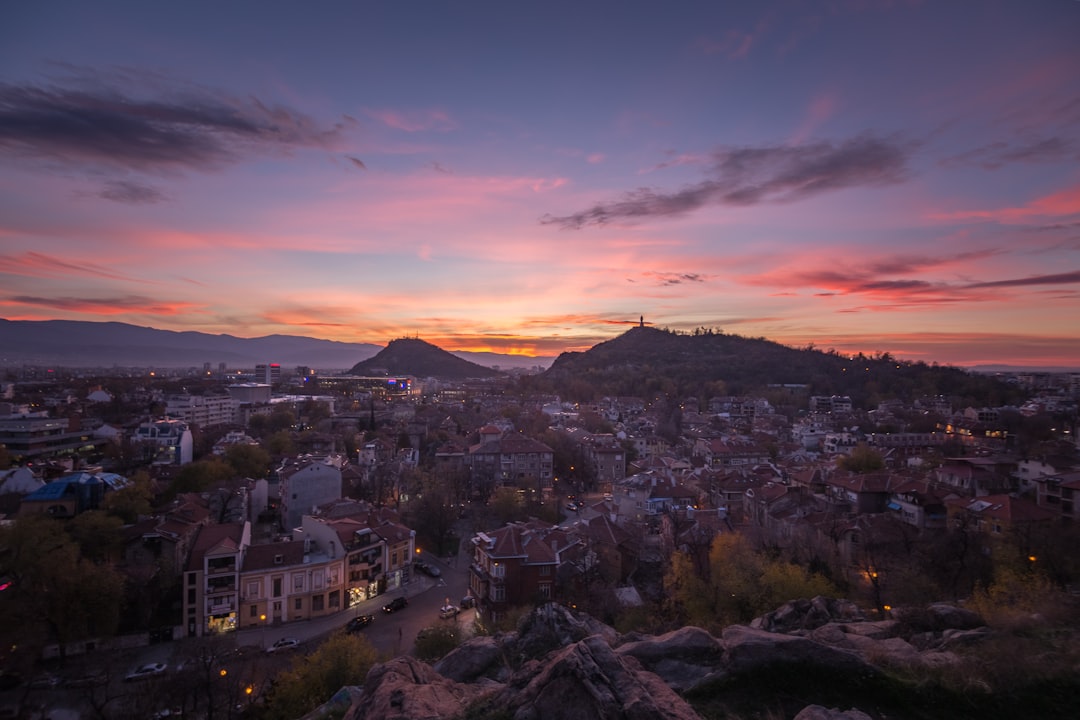
The Nebet Tepe Fortress — The highest point in the city, this hill offers panoramic views of the entire Thracian plain. The fortress ruins date back to the Thracian period, with later Ottoman additions. It's a bit of a climb, but the view at sunset is worth the sweat. Free entry.
The City Art Gallery — Housed in a former Ottoman bathhouse, this gallery showcases Bulgarian art from the 19th century to the present. The building itself is a masterpiece of adaptive reuse, with vaulted ceilings and natural light flooding the exhibition spaces. Entry 4 EUR.
What to Eat & Drink
Plovdiv is a foodie's paradise, and it's cheap. You can eat well for 10-15 EUR a day if you stick to local spots. The city is famous for banitsa, a phyllo pastry filled with cheese, spinach, or pumpkin. A slice at a local bakery is 2-3 EUR and tastes like heaven. For a full meal, try shopska salata 4 EUR, a fresh salad of tomatoes, cucumbers, and peppers topped with grated sirene cheese, followed by arni na chyushume 12-15 EUR, lamb cooked with peppers and onions.
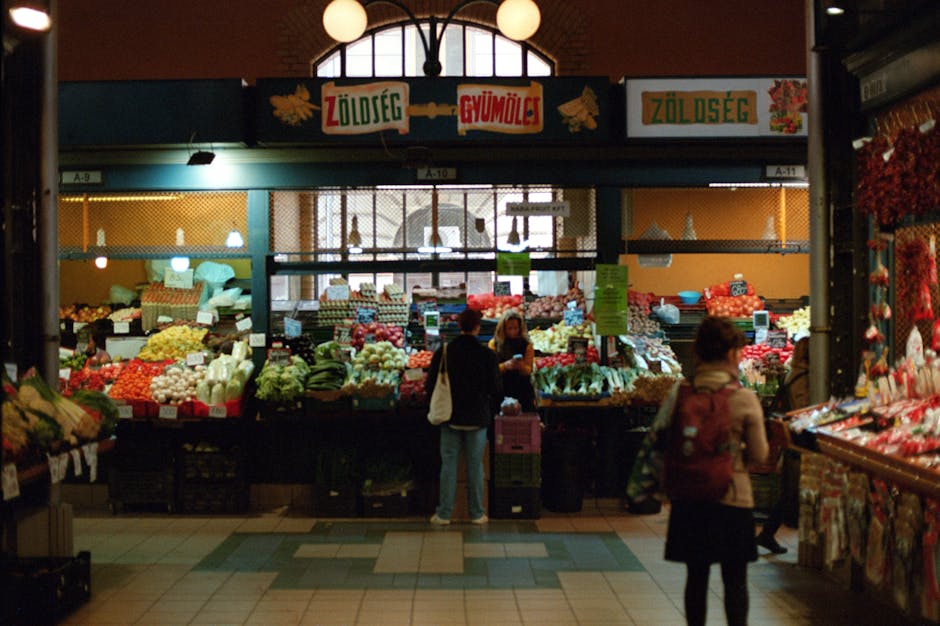
Hisarya Street is the main drag for dining, but the real gems are in the side streets. Kapana has a concentration of trendy cafes and restaurants, where you can find everything from gourmet burgers to traditional Bulgarian cuisine with a modern twist. For a budget meal, hit the Central Market Hall, where you can grab a pita 1-2 EUR or a skewer of kebabche 3-4 EUR to eat standing up.
Drinking is cheap and plentiful. A domestic beer is 2-3 EUR, and a glass of local wine is 3-5 EUR. Plovdiv is in the heart of Bulgaria's wine country, so don't leave without trying a Grozde or Mavrud. The city has a thriving cocktail scene, too, with bars in Kapana serving up creative mixes for 8-10 EUR.
Nightlife
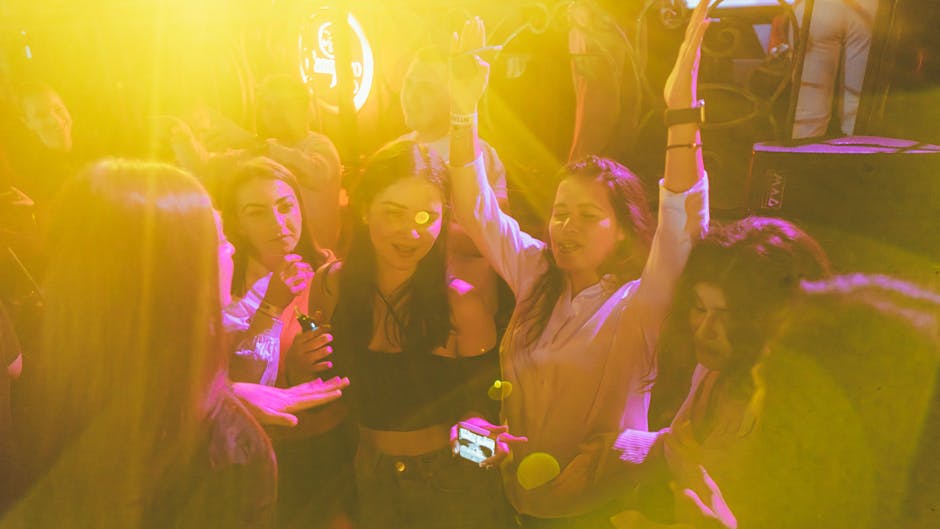
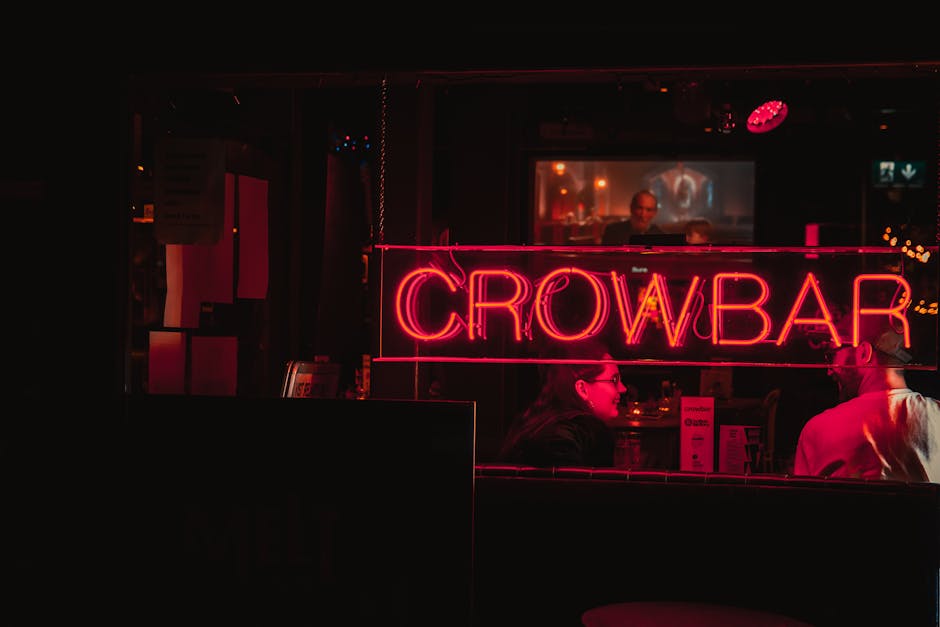
Kapana is the undisputed king of Plovdiv nightlife. The district comes alive after dark, with bars, clubs, and live music venues packed with locals. Bar 3 is a favorite for craft beer and indie music, with a relaxed atmosphere and a great terrace. Kapana Art Hub often hosts live performances, from jazz to electronic, in a stunning warehouse setting. Cover charges are rare, or around 3-5 EUR if there's a big act.
For a more traditional experience, head to Hisarya Street, where pubs and wine bars line the cobblestones. Wine Bar Plovdiv offers a curated selection of local wines and a cozy interior. The crowd here is a mix of tourists and locals, and the vibe is more laid-back. A night out in Plovdiv costs less than a coffee in London, and the energy is infinitely more authentic.
Getting There & What to Expect
Plovdiv International Airport is small but growing, with direct flights to major European cities. From Sofia, it's a 2-hour drive or a 3-hour bus ride, costing around 10-15 EUR. The bus station is central, and taxis to the Old Town are 5-7 EUR. Trains from Sofia take 3 hours and cost 10 EUR.
Accommodation is affordable and plentiful. Budget hostels in the Old Town start at 15-20 EUR/night, while mid-range hotels are 40-60 EUR/night. The best time to visit is May to October, when the weather is warm and the city is alive with festivals. Avoid December, when it's cold and wet, and many places close.
Search accommodation in Plovdiv on Booking.com →
The Verdict
I left Plovdiv with my shoes full of limestone dust and my head full of stories. This city doesn't give you a polished experience; it gives you a real one. It's messy, vibrant, and unapologetically itself. The people are warm but wary, the history is heavy but alive, and the food is cheap and incredible. If you're looking for a postcard-perfect Balkan city, go to Prague. If you want to feel the pulse of a city that's fighting for its soul and winning, come to Plovdiv. Just don't expect it to be easy. It's not. And that's exactly why it's worth it.
Comments