


Plovdiv Inches Closer to UNESCO Status With Roman Mosaics
Plovdiv’s long-standing efforts to secure UNESCO World Heritage status may soon culminate in success, thanks not to its Renaissance houses, but to its Roman mosaics. The final decision will be made by experts from 21 countries, who will evaluate whether the mosaics possess exceptional universal value. Former UNESCO Director-General Irina Bokova expressed confidence that the colorful panels of the Episcopal and Small Basilicas, as well as the late Roman building "Irina," meet all the criteria to be inscribed on the World Heritage List.
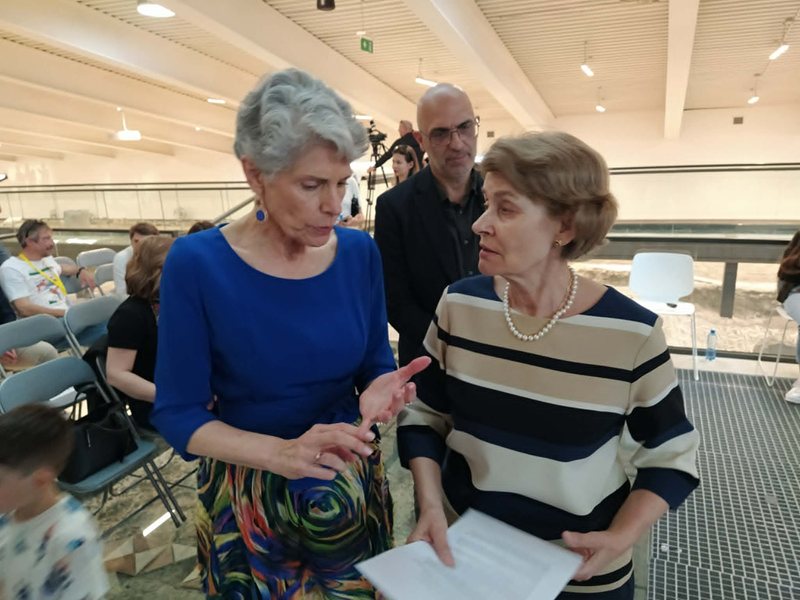
Bokova, who was in Plovdiv for the international event "Day of the Mosaics," celebrated the 5th anniversary of the opening of the Episcopal Basilica and the 70th anniversary of Bulgaria's membership in UNESCO, emphasized the historical significance of the mosaics. Plovdiv, known as one of the oldest continuously inhabited cities in Europe, boasts mosaics that deserve to be seen by the world. Bokova outlined the steps Plovdiv must take, including preparing a proposal for the Cultural Heritage Committee and undergoing an expert mission to assess the site.
The mosaics in Plovdiv, particularly those in the Episcopal and Small Basilicas, have attracted over 200,000 visitors since their discovery. Bokova highlighted the importance of preserving cultural heritage in a globalized world, noting that unique sites like Boyana Church, Rila Monastery, and Old Nesebar are crucial components of Bulgaria's rich historical tapestry.
This is huge for Plovdiv and all of Bulgaria! The Roman mosaics deserve their place in the UNESCO World Heritage list. I can't wait to see the global spotlight on these incredible historical treasures. Will Plovdiv finally get the recognition it deserves?