


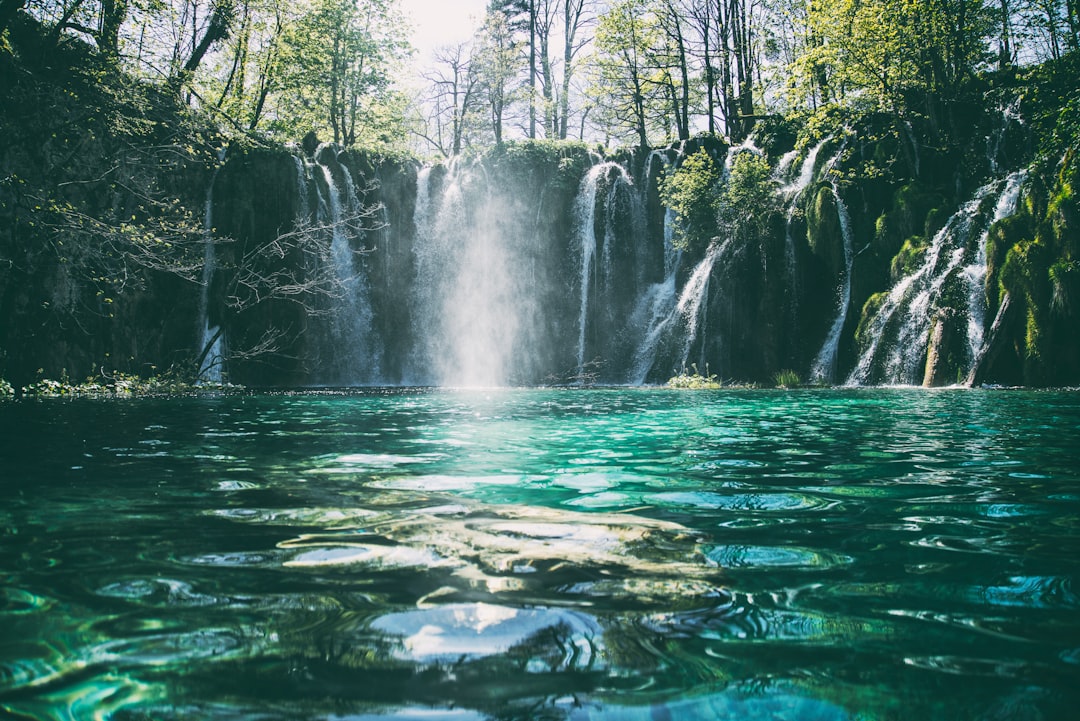
I stood on a slick wooden plank, rain lashing my face, watching a thousand liters of glacial melt water smash into the limestone below. The air smelled of wet pine and ancient stone. Around me, tourists in bright yellow rain ponchos shuffled like a confused flock of ducks, trying to keep their footing on the narrow walkways that snake through the heart of Plitvice Lakes National Park. This isn't a gentle stroll in a city park. This is a high-stakes navigation of a living, breathing hydrological machine. You are walking on a network of boardwalks that feels both impossibly fragile and structurally indestructible, suspended over turquoise drops that don't care if you slip. The mist gets into your lungs. The roar of the water drowns out your thoughts. It is chaotic, wet, and utterly magnetic.
Most people treat this place like a photo op. They arrive at dawn, snap a picture of the Upper Lakes, and leave by noon. But the real story of this Croatian wilderness is in the circuit. It's about understanding how the water moves, how the travertine barriers build themselves over centuries, and which route actually lets you see the park without getting trampled by a busload of day-trippers. I spent three days here, walking every kilometer of the marked paths, getting soaked twice, and learning that the best views are the ones you have to earn through mud and steep stairs.
The Hydrological Engine
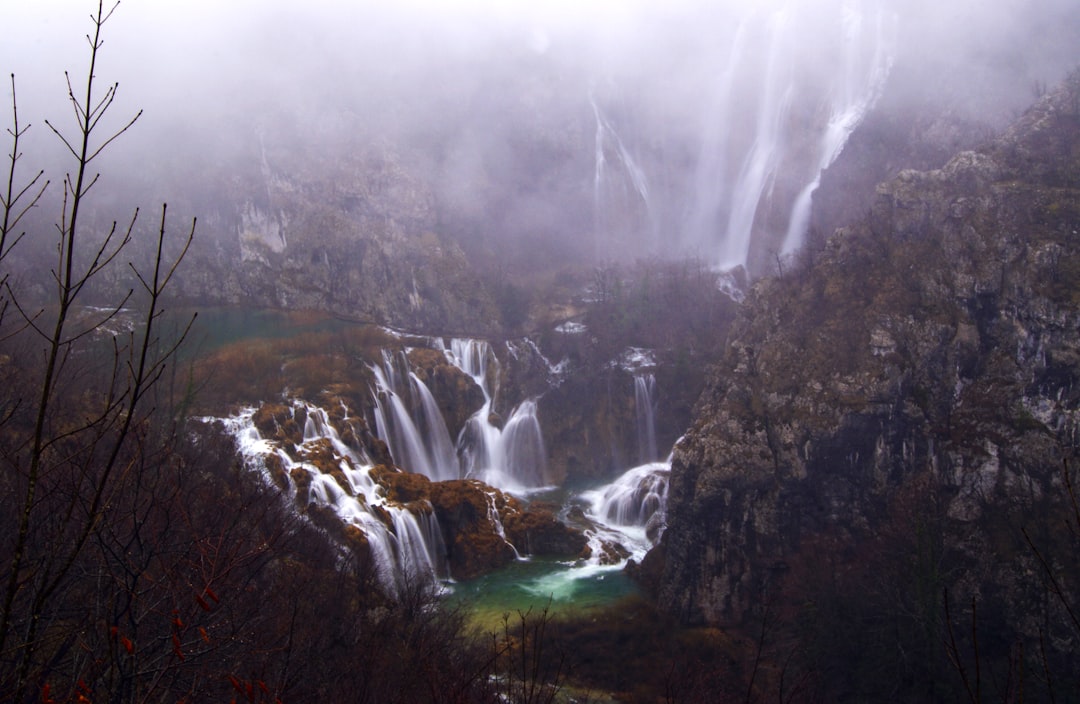
Before you step on the first boardwalk, you need to understand what you are looking at. This is not just a pretty lake. It is a geological miracle. The water in these lakes is rich in calcium carbonate. As it flows over moss and algae, the minerals precipitate out, building up hard, coral-like barriers called travertine. These barriers act as dams, holding the water back and creating the cascading series of sixteen lakes that define the park. The lakes are divided into two distinct groups: the Upper Lakes and the Lower Lakes, connected by a massive waterfall that drops nearly eighty meters.
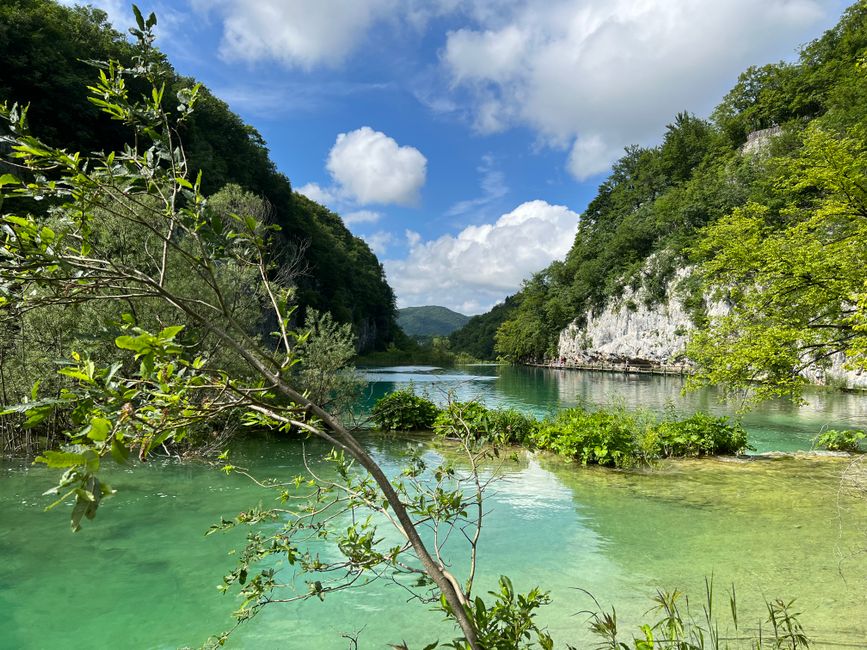
The system is alive. The travertine barriers are constantly growing and changing. In some places, the water flows over the top; in others, it tunnels through underground channels. This means the landscape you see today is subtly different from the one a decade ago. The boardwalks are designed to adapt to this change, built on stilts and reinforced with steel to withstand the constant erosion and mineral buildup. Walking here feels like walking on the skin of a living organism. The water is cold, even in July, because it comes from deep underground springs. The color shifts from milky blue to deep emerald depending on the angle of the sun and the mineral content of the specific lake.
The Circuit Routes
The park offers four main trails, labeled A, B, C, and D, which can be combined to form longer loops. The most popular is the "Great Plitvice" loop (A + B), which covers about 10 kilometers and takes four to five hours. This route takes you through the heart of both the Upper and Lower Lakes. It is intense. You will climb hundreds of stairs, navigate narrow bridges, and spend hours in the shade of dense forests. The other option is the "Small Plitvice" loop (A + C), which is shorter and focuses more on the Lower Lakes. For those with mobility issues, there are shorter sections with electric boat connections, but the full experience requires legs that are ready for work.
I recommend starting at Entrance 2 if you want to hit the Upper Lakes first. This allows you to do the hardest part of the hike while you have the most energy. The path winds through the Upper Lakes, offering views of the Veliki Slap (Great Waterfall) from multiple angles. The boardwalks here are wide and well-maintained, but they can get crowded. If you want solitude, you need to push past the main viewing platforms and head toward the less-visited lakes at the end of the loop. The water here is quieter, the moss is thicker, and the only sound is the drip of water on stone. It is a stark contrast to the tourist hubbub near the entrance.
Navigating the Lower Lakes
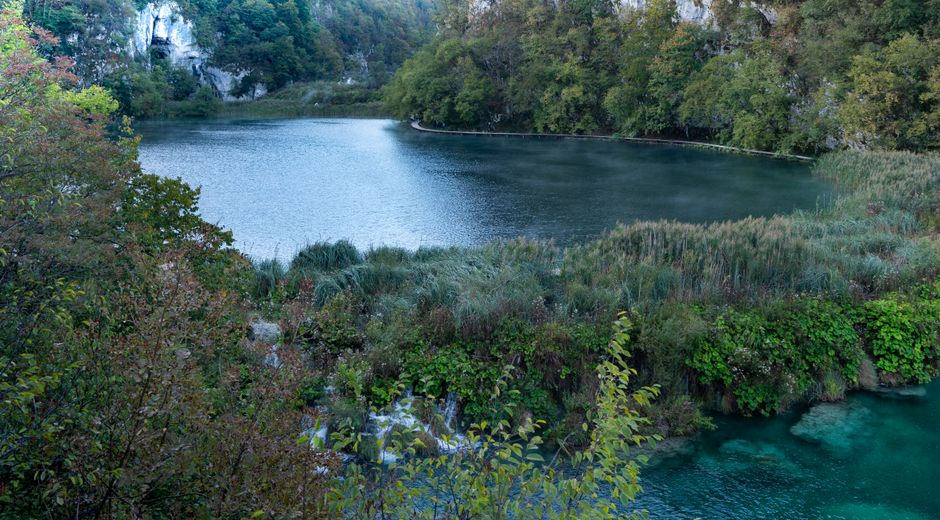
The Lower Lakes are a different beast. The terrain is steeper, the air is hotter, and the waterfalls are more dramatic. The Kozjak Lake, the largest in the system, sits like a calm eye in the storm. From here, the path descends sharply toward the Lower Lakes, where the water churns through narrow canyons. The boardwalks here are narrower, forcing you to single-file with other hikers. You will pass under bridges and over tunnels where the water rushes past your feet. The humidity is high, and the smell of wet earth is overpowering. It is a sensory overload in the best possible way.
One of the most striking features of the Lower Lakes is the way the light plays on the water. The dense canopy of beech and spruce trees filters the sunlight, creating dappled patterns on the turquoise surface. The waterfalls here are not just tall; they are complex. Water splits into multiple streams, hits rocks, and reforms into new channels. You can spend twenty minutes just watching a single cascade, trying to trace the path of a single drop. It is mesmerizing. The park rangers are strict about staying on the boardwalks, and for good reason. The edges are slippery, and the drop is significant. Respect the barriers, and the park will reward you with views that will stay with you long after you leave.
Routes & Trail Info
Great Plitvice Loop (A + B)
Starting Point: Entrance 2 (Upper Lakes)
Total Distance: 10 km (round-trip loop)
Elevation Gain: 250 m
Estimated Duration: 4-5 hours
Difficulty: Intermediate
Small Plitvice Loop (A + C)
Starting Point: Entrance 2 (Upper Lakes)
Total Distance: 6 km (round-trip loop)
Elevation Gain: 150 m
Estimated Duration: 2-3 hours
Difficulty: Beginner
Wild Nature Trail (D)
Starting Point: Entrance 1 (Lower Lakes)
Total Distance: 3.7 km (one-way)
Elevation Gain: 100 m
Estimated Duration: 1.5 hours
Difficulty: Beginner
Getting There & What to Expect
The nearest major city is Zagreb, located about 150 kilometers away. The drive takes roughly two hours on good roads. For those without a car, buses run regularly from Zagreb's main bus station to the park entrances. The journey is scenic, passing through rolling hills and small villages. Once you arrive, you need to buy tickets in advance, especially during the summer months. The park limits the number of daily visitors to protect the ecosystem. Budget around 20-30 EUR for an adult entry ticket, depending on the season. Children under six enter for free.
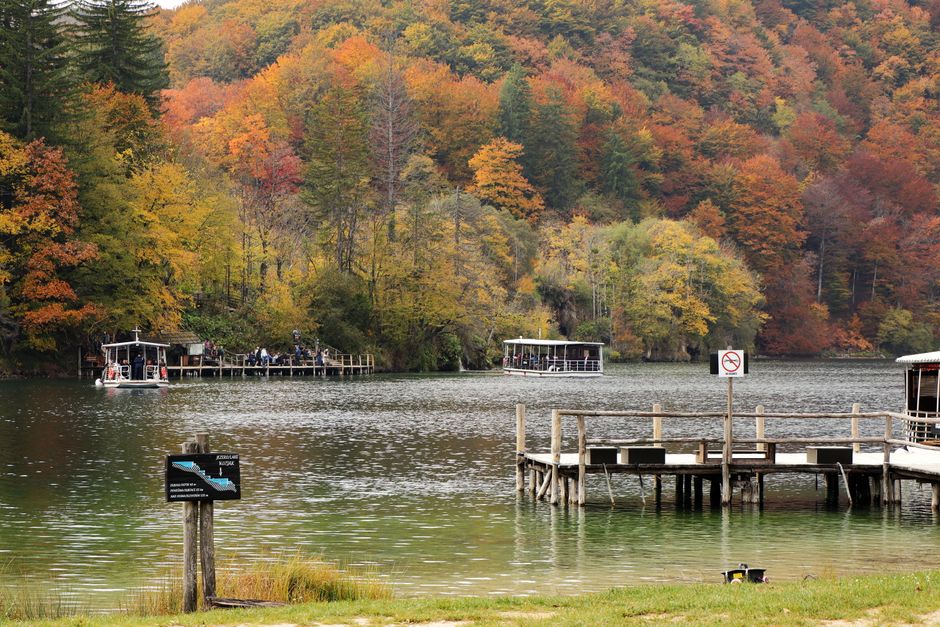
Inside the park, you can take electric boats and buses to help with the longer distances. The boats run on the Kozjak Lake, saving you a steep climb. The buses shuttle between the entrances and key points along the trails. These services are included in your ticket, but they can get crowded. If you want to avoid the rush, arrive early or stay late. The park is open from 7 AM to 5 PM in summer, but the light is best in the late afternoon when the sun hits the waterfalls from the side. Accommodation nearby is limited. You can stay in hostels in the nearby town of Plitvice for 15-25 EUR per night, or in hotels for 50-80 EUR. Camping is not allowed inside the park. Meals inside the park are expensive, with a simple sandwich costing 5-8 EUR. Bring your own food and water.
Search accommodation in Plitvice on Booking.com →
The Last Drop
I left the park as the sun began to set, my boots heavy with mud, my shirt soaked through. My legs ached, and my camera battery was dead. But as I drove away, I looked back at the treeline, knowing that somewhere behind those trees, the water was still falling, still building, still changing. This place doesn't care about your schedule or your comfort. It demands your attention. It forces you to slow down, to look up, to listen. In a world that moves too fast, Plitvice is a reminder that some things take time. Some things are built drop by drop, stone by stone. And if you're lucky enough to be there, you get to walk on the edge of it all, suspended over the abyss, watching the water do its work.
Comments