


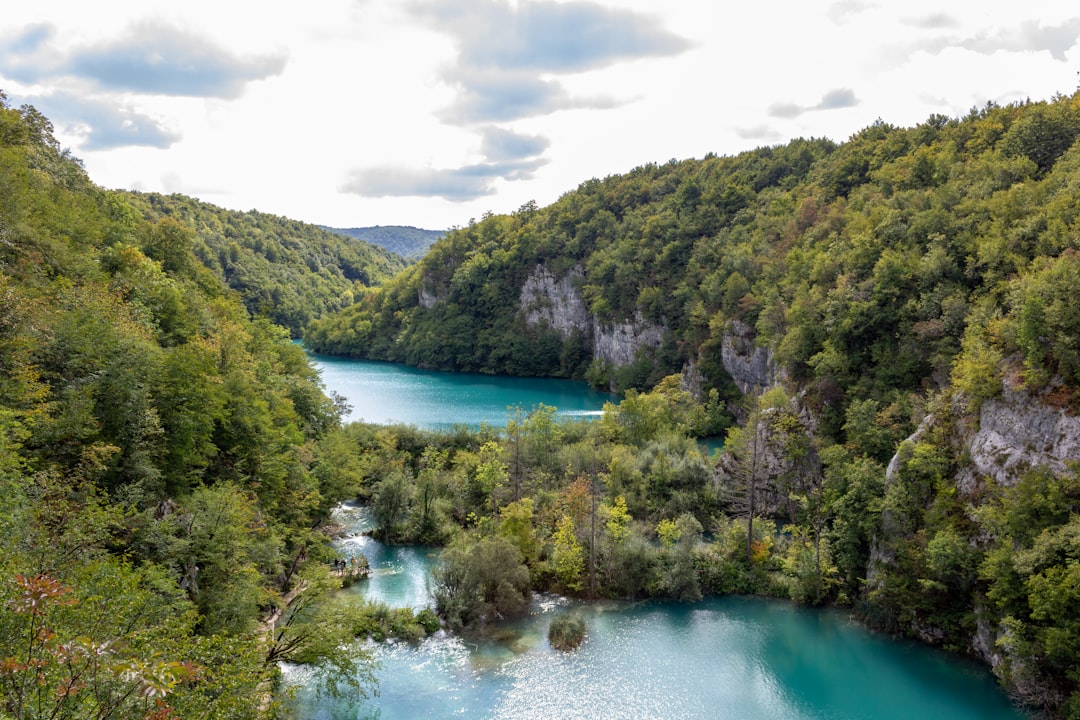
The bus from Zagreb doesn't just arrive; it deposits you into a different climate zone. I stepped off the coach at the main gate of Plitvice Lakes National Park, and the air hit me like a wet wool blanket. It wasn't the crisp, dry chill of the city. It was heavy, saturated with the scent of decaying beech leaves and mineral-rich water. Most people tell you spring is best for the waterfalls, when the snowmelt turns the cascades into roaring white beasts. They are wrong. Spring is for the tourists with their selfie sticks and their waterproof jackets. October is for the ghosts. October is when the park exhales.
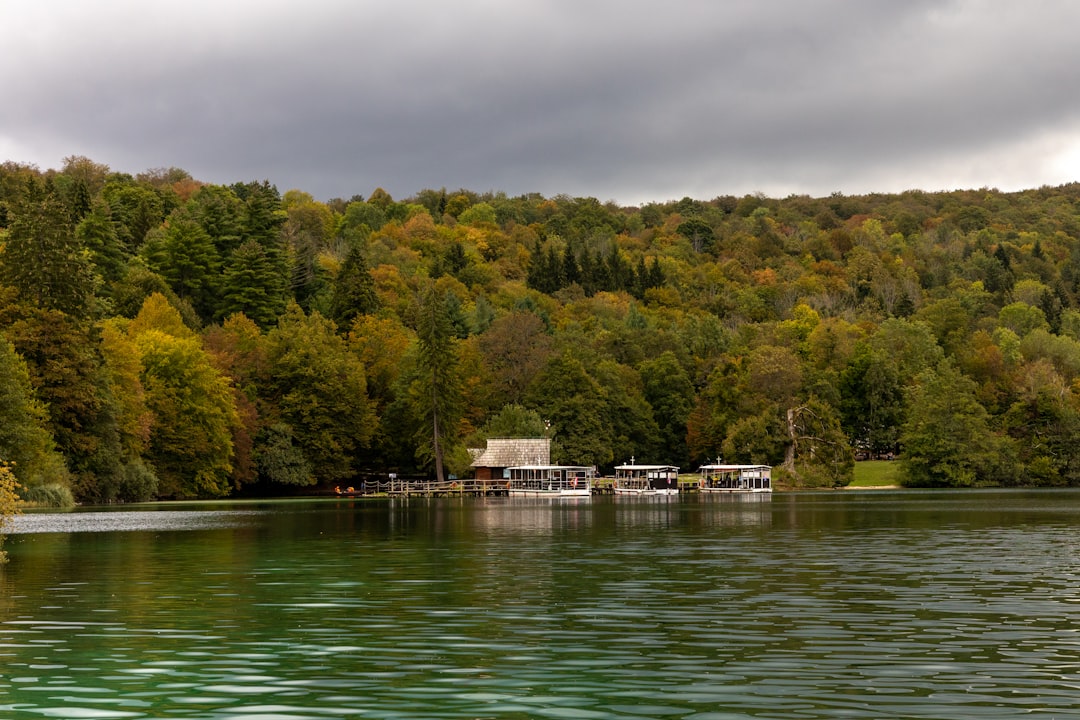
I walked the first wooden boardwalk alone. The massive crowds that choke these paths in July and August have vanished, replaced by a sparse scattering of locals and a few stubborn international travelers who actually know what they're doing. The light is low, golden, and diffuse, filtering through a canopy that is currently executing its annual transformation from green to a violent, burning orange. The waterfalls aren't roaring; they are murmuring, sliding over rocks covered in moss and fallen leaves. It is quiet enough to hear the snap of a twig three meters away. It is raw, unpolished, and utterly indifferent to your presence. This is the Balkans at its most elemental.
The Alchemy of Color and Water
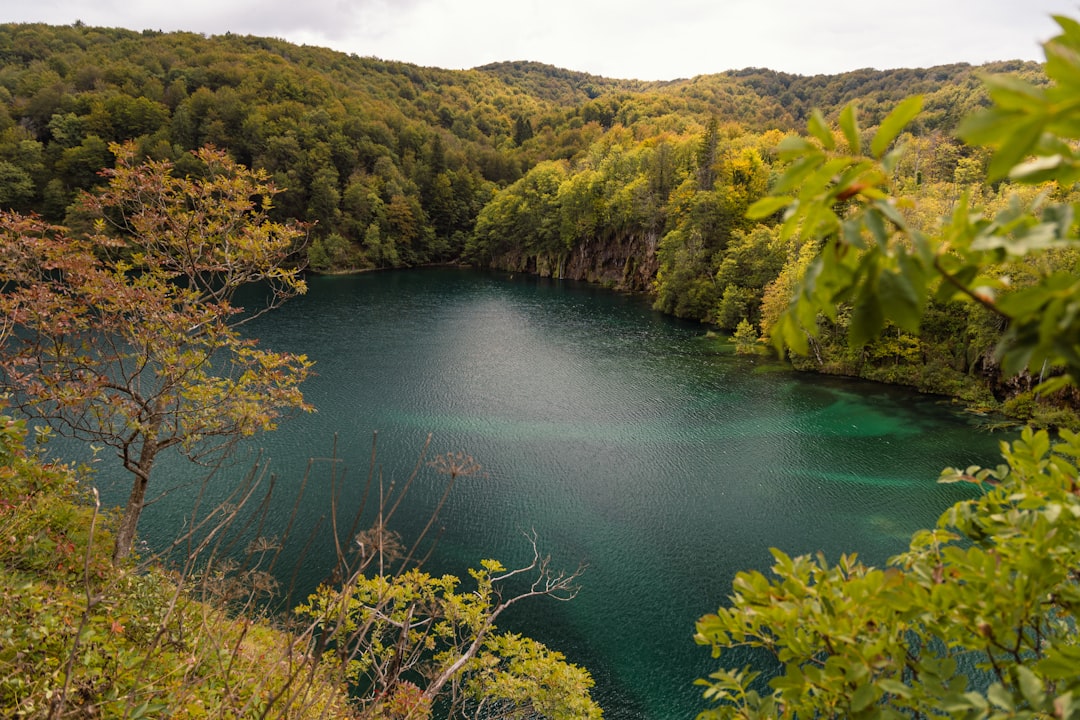
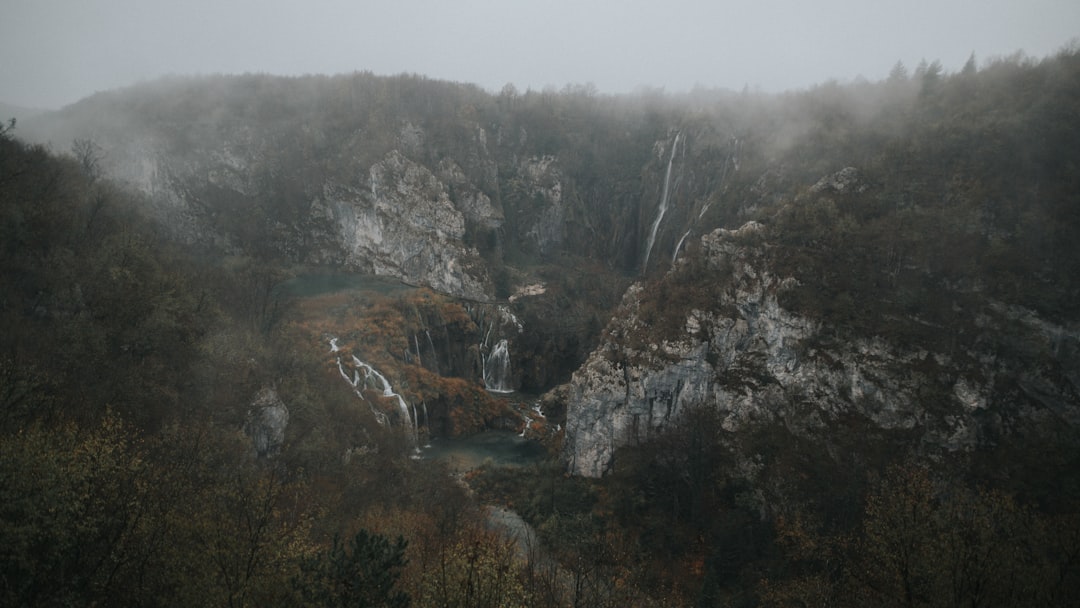
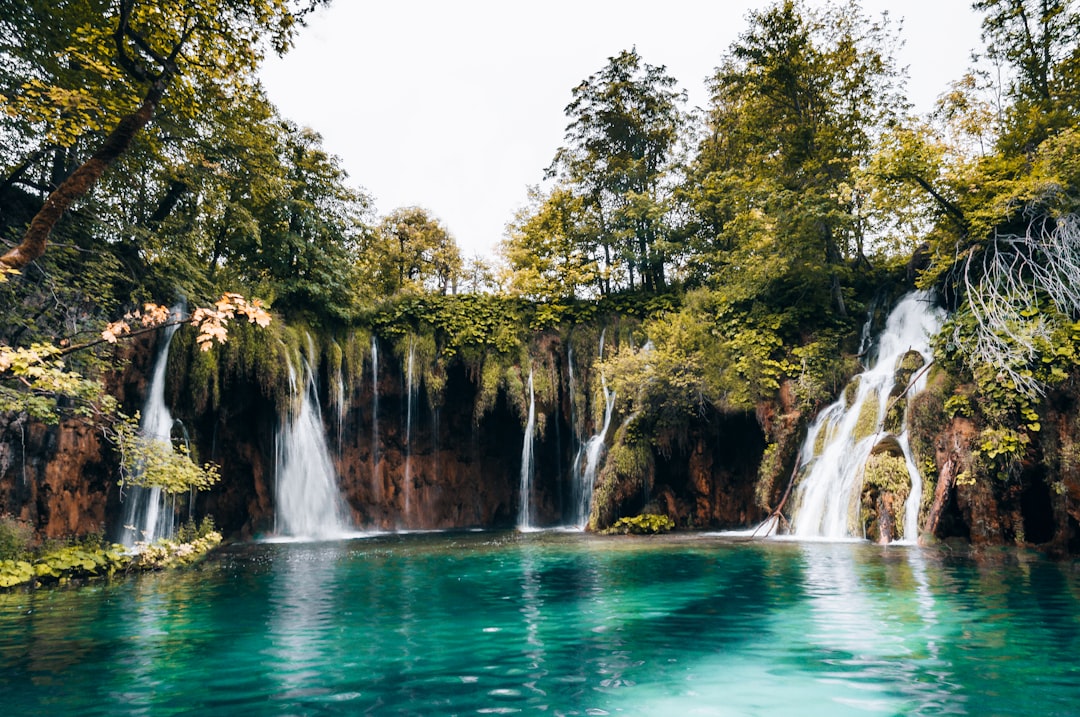
The magic of Plitvice Lakes National Park in autumn is not just about the leaves. It is about the interaction between the dying forest and the living water. The lakes here are turquoise and emerald, colored by the algae and the mineral content of the water. In the dead of summer, the green foliage competes with the water. In October, the contrast becomes electric. The leaves of the beech and maple trees turn shades of rust, gold, and deep crimson. When these leaves fall into the water, they create a surreal palette. You see bright orange leaves floating on top of deep blue water, framed by grey stone and dark wood. The visual impact is immediate and overwhelming. It is not "pretty." It is intense. The fog that rolls in during the mornings adds a layer of mystery, softening the edges of the landscape and making the waterfalls appear as if they are emerging from nowhere. The light changes every ten minutes. One moment you are in shadow, the next you are bathed in a golden glow that makes the water look like liquid glass.
The temperature is the other factor. The average high in October is around 13-15 degrees Celsius. It is cold enough to keep the mass tourists away, but warm enough to walk for hours without freezing your fingers off. You need layers. A light jacket is not enough. You need a windbreaker, a fleece, and a hat. But the reward is the solitude. The boardwalks, which are crowded and claustrophobic in the summer, are wide open. You can stop, breathe, and look. You can stand at the edge of Veliki Slap and watch the water plunge 78 meters into the abyss without being jostled by a hundred other people. The silence is heavy. It presses against your ears. It is a silence that feels earned.
The Walk: A Study in Patience
The main trail, the "K" route, is 22 kilometers long. In the summer, most people do half of it and call it a day. In October, you should do the whole thing. The walk is not easy. The wooden boardwalks are slippery with condensation and fallen leaves. The stone steps are uneven. You need good boots. Not sneakers. Boots with grip. The terrain is rugged, and the park does not coddle you. But the views are worth every step. As you move from lake to lake, the scenery changes. You go from the upper lakes, which are smaller and more intimate, to the lower lakes, which are larger and more dramatic. The waterfalls change character. Some are gentle cascades, others are thundering drops. The sound of the water is constant, a white noise that blocks out the rest of the world. You pass through forests that are thick with fog. You cross bridges that seem to hang in mid-air. You see deer and wild boar hiding in the underbrush. The park feels alive, but it is a wild, untamed life. It is not a zoo. It is a wilderness that has been partially tamed by boardwalks and signs, but it still retains its edge. The park rangers are strict. They will stop you if you step off the path. They will fine you. And they should. The ecosystem is delicate. The travertine barriers that form the lakes are living structures. They grow and change every year. If you step off the path, you damage them. Respect the rules. Respect the place.
The best time to start is early. The buses arrive in the morning, but if you can get there at opening time, you will have the first hour to yourself. The light is best then. The fog is thickest. The colors are most saturated. As the day progresses, the light fades, and the park grows darker. By late afternoon, the shadows are long, and the trees look like silhouettes against the grey sky. It is eerie, but beautiful. The park closes at sunset. Do not linger. The gates lock. The staff leaves. You are on your own. And in the middle of a national park, being on your own is not something you want to risk.
Surviving the Cold: Food and Shelter
There are no restaurants inside the park. This is a rule. You must bring your own food. Or you can buy it at the entrance. The options are limited. You will find sandwiches, salads, and some local dishes. The prices are reasonable, but the quality is average. If you want a real meal, you need to go to the nearby villages. Korenica and Gospić are the two main towns. They are small, but they have good restaurants. The food is traditional Croatian. Think stews, roasted meats, and fresh bread. It is hearty food, designed to keep you warm. The prices are cheap. A main course costs around 10-15 EUR. A beer costs around 2-3 EUR. It is a good deal. But you need to plan ahead. If you are in the park all day, you will be hungry. Bring snacks. Bring water. The tap water is safe to drink, but it is cold. Bring a thermos with tea or coffee. It will save you. There are also some small cafes near the main entrance, but they are crowded and expensive. Avoid them if you can. The best option is to pack a picnic. Buy bread, cheese, and meat from a local shop in Korenica. Find a bench in the park. Eat in silence. Watch the water. It is a simple pleasure, but it is one of the best parts of the trip.
Accommodation is another issue. The park has a few hotels, but they are basic. If you want comfort, you need to stay in Gospić or Korenica. There are several good hotels and guesthouses. The prices are low. A double room costs around 40-60 EUR in October. It is a bargain. But you need to book in advance. Even in October, the park is popular. The weekends are busy. The weekdays are quiet. If you can, go on a Tuesday or Wednesday. You will have the park to yourself. The experience will be better. The silence will be deeper. The colors will be brighter. It is a small change, but it makes a big difference.
Getting There & What to Expect
Getting to Plitvice Lakes National Park is easy. The nearest airport is in Zagreb. From there, you can take a bus to the park. The journey takes about 2.5 hours. The buses are comfortable and cheap. A ticket costs around 10-15 EUR. There are also direct buses from other cities in Croatia. If you are driving, the road is good. The park has a large parking lot. Parking costs around 5-10 EUR per day. It is worth it. The convenience is worth the price. Once you are at the park, you need to buy a ticket. The prices vary by season. In October, it is considered the "intermediate" season. A ticket costs around 35-45 EUR for adults. It is valid for one day. You can enter from either Gate 1 or Gate 2. Gate 1 is closer to the lower lakes. Gate 2 is closer to the upper lakes. It does not matter which gate you choose. You can walk the whole loop. It takes about 5-6 hours. Bring your camera. Bring your boots. Bring your patience. And bring your respect. This place is a treasure. Treat it like one.
The best months to visit are September, October, and November. The crowds are smaller. The weather is cooler. The colors are more vibrant. The water is calmer. It is a different experience from summer. It is quieter. It is more reflective. It is more honest. You are not just looking at a postcard. You are experiencing a landscape. You are feeling the cold. You are hearing the water. You are seeing the light. It is a sensory experience. It is a memory in the making. Do not miss it.
Search accommodation in Gospić on Booking.com →
The Last Light
I sat on a bench near the end of the boardwalk, watching the sun dip below the horizon. The light was fading fast. The colors were turning grey. The water was turning black. The silence was absolute. I felt a strange sense of peace. Not the kind of peace you get from a spa or a beach. The kind of peace you get from being small. From being insignificant. From being part of something larger than yourself. The park does not care about you. It does not care about your job, or your money, or your problems. It only cares about the water, and the rocks, and the leaves. And that is a relief. It is a reminder that the world is bigger than we are. That nature is still wild. That there are places where you can still disappear. I stood up, brushed the leaves off my jacket, and walked back to the gate. The bus was waiting. The cold was biting. But I was smiling. I had seen the fire. I had seen the fog. I had seen the silence. And I knew I would be back. Not in summer. Not in the heat. But in the autumn. When the leaves fall. When the water whispers. When the world is quiet.

Comments