


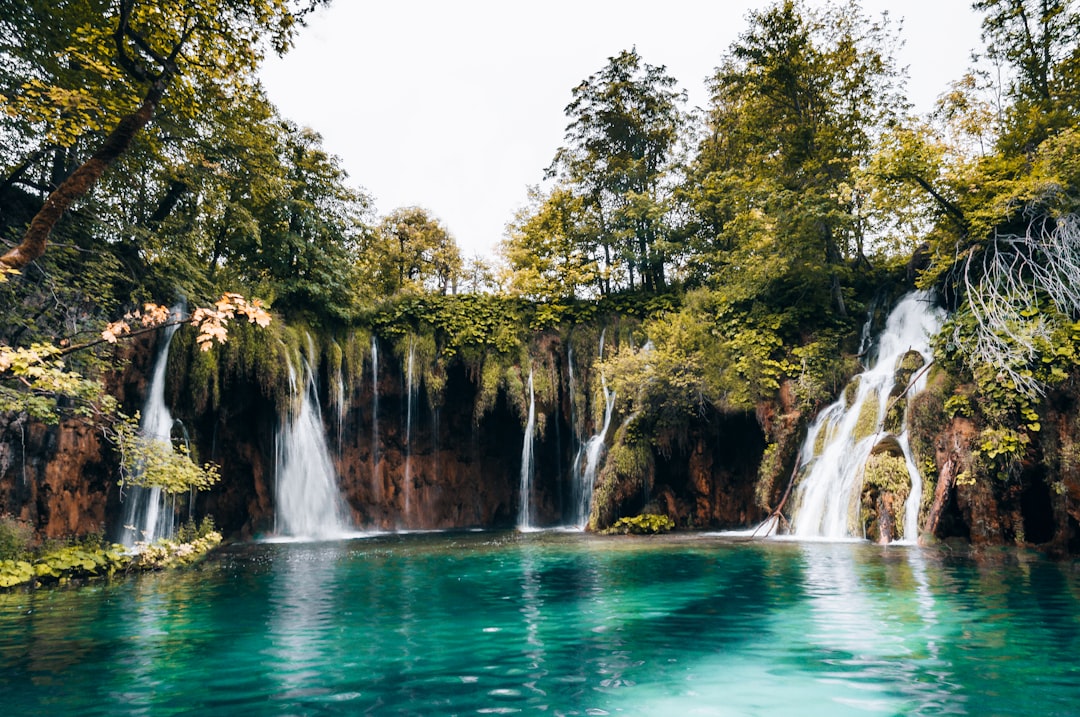
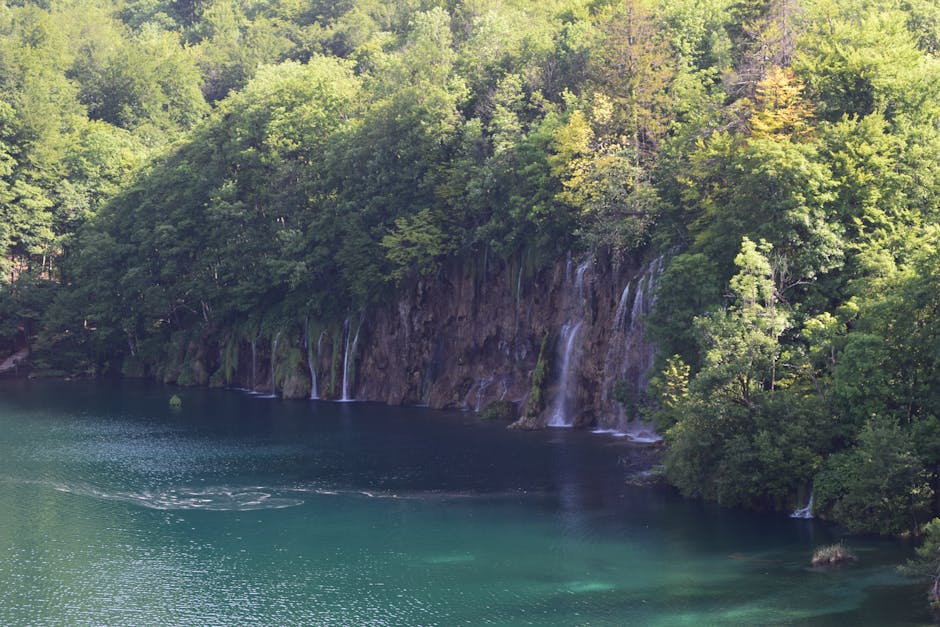
The air inside Plitvice Lakes National Park doesn't just smell like pine; it smells like wet stone and ancient, cold history. I arrived just as the morning fog was lifting off the surface of Kozjak Lake, the water so still it looked like black glass until a trout broke the surface. I wasn't here for a checklist. I was here because I needed to see if the emerald reputation held up against the reality of three million other tourists who have stood exactly where I was standing. The answer is yes, but only if you get up early enough to claim a patch of silence for yourself before the crowds roll in from the buses. The waterfalls here don't just fall; they cascade over travertine barriers built by algae and moss over millennia, creating a living, breathing staircase of water that seems to defy gravity and logic.
My boots were already soaked halfway up the wooden boardwalks. The infrastructure here is a marvel of engineering disguised as natural pathways, allowing you to walk through the heart of the water without destroying it. But it's the sound that hits you first. The roar of Veliki Slap, the Great Waterfall, echoes through the valley like a distant thunderstorm, a constant reminder that this place is wild, even if it's fenced off and ticketed. I spent an hour just sitting on a bench near the upper lakes, watching the water change color from turquoise to deep blue to milky white, depending on the sunlight and the angle of the view. It's hypnotic. It's exhausting. It's worth every second.
History & Identity
Plitvice isn't just a nature reserve; it's a survivor. The area has been inhabited since the Neolithic period, but its modern identity was forged in the fires of the 20th century. During World War II, the park was a strategic hideout for Yugoslav Partisans, who used the dense forests and complex terrain to evade Axis forces. The legacy of that era is still visible in the form of old bunkers and hidden trails that few tourists ever find. After the war, the park was declared a protected area, and in 1949, it officially became a national park. It was the first national park in Croatia, setting the standard for conservation in the region.
The park's global significance was cemented in 1979 when it became one of the very first UNESCO World Heritage Sites. The recognition wasn't just for the beauty of the lakes but for the unique geological process that created them. The travertine barriers, formed by the deposition of calcium carbonate from the water, are constantly growing, shifting, and changing. This means the park is literally evolving in real-time. Waterfalls that exist today might be gone in a decade, replaced by new formations elsewhere. It's a dynamic landscape, not a static museum.
The Lakes & Waterfalls
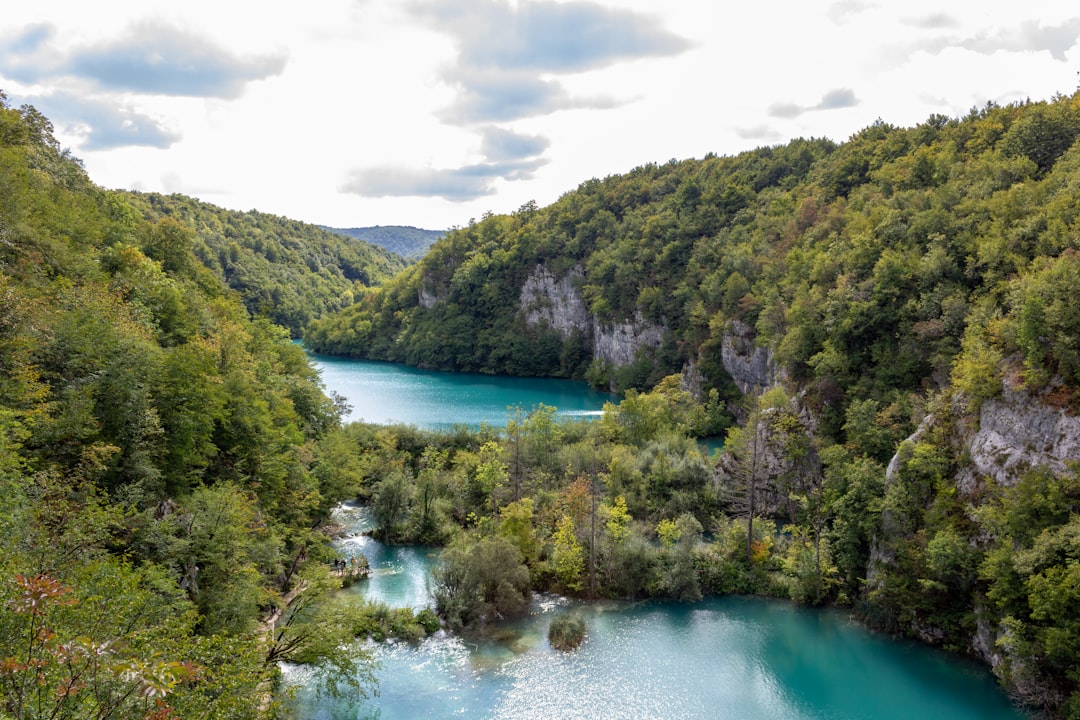
Prošćansko Jezero — The journey usually begins here, at the highest point of the upper lakes. This lake is the source of the Plitvice River, and its waters are fed by several springs. The water is crystal clear, and the surrounding forest is dense with beech and fir. The boardwalks here are well-maintained, and the views are spectacular, especially in the morning light. Entry to the park includes access to all lakes and waterfalls, but you'll need to choose a specific route based on the ticket you buy. 35-45 EUR for adults in peak season.
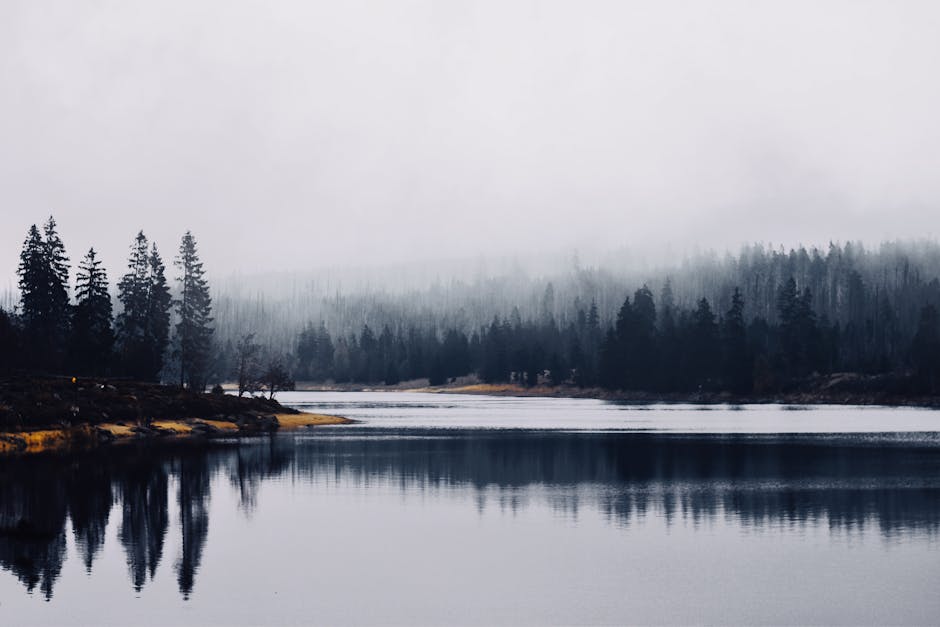
Veliki Slap — The Great Waterfall is the crown jewel of the lower lakes. Standing at 78 meters high, it's the tallest waterfall in Croatia. The sheer volume of water crashing down creates a mist that coats everything in the vicinity, and the roar is deafening. There's a small café at the base, but I'd recommend bringing your own snacks. The view from the top is breathtaking, looking down into the abyss of water and rock. It's a powerful reminder of the raw energy of nature.
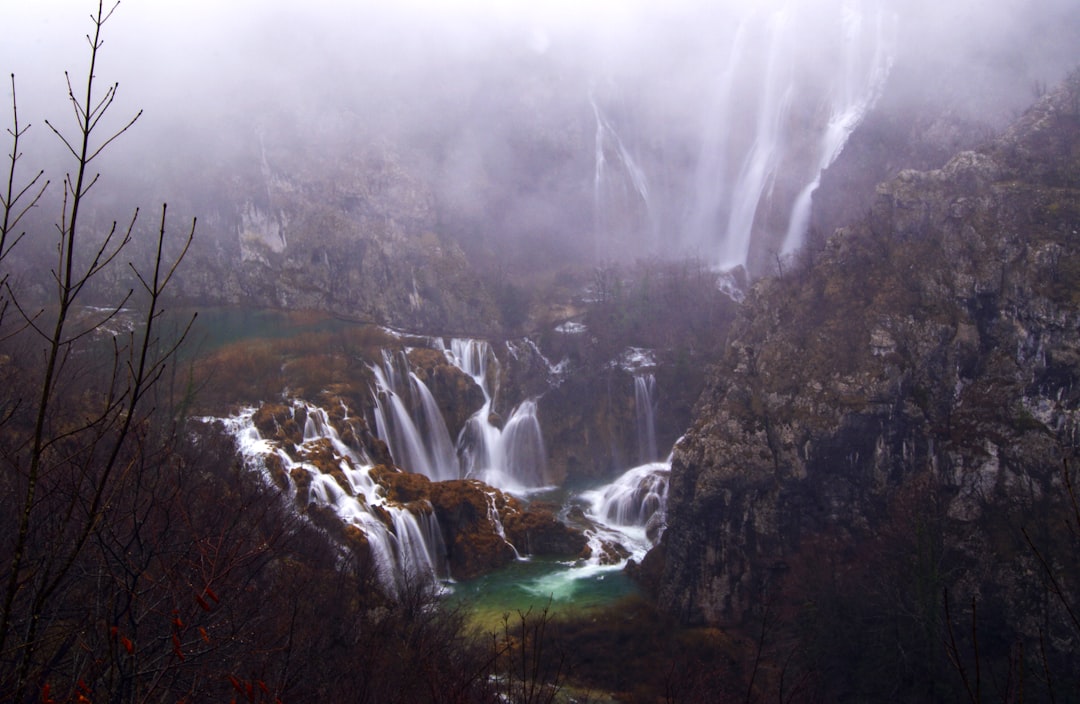
Gavanovac Waterfall — Located in the lower lakes, this waterfall is smaller than Veliki Slap but no less impressive. It's surrounded by lush vegetation, and the water here is a vibrant turquoise. The boardwalks here are narrower, and the path is more rugged, which adds to the sense of adventure. It's a great spot for a picnic, and the water is cool enough to dip your feet in if you're brave enough.
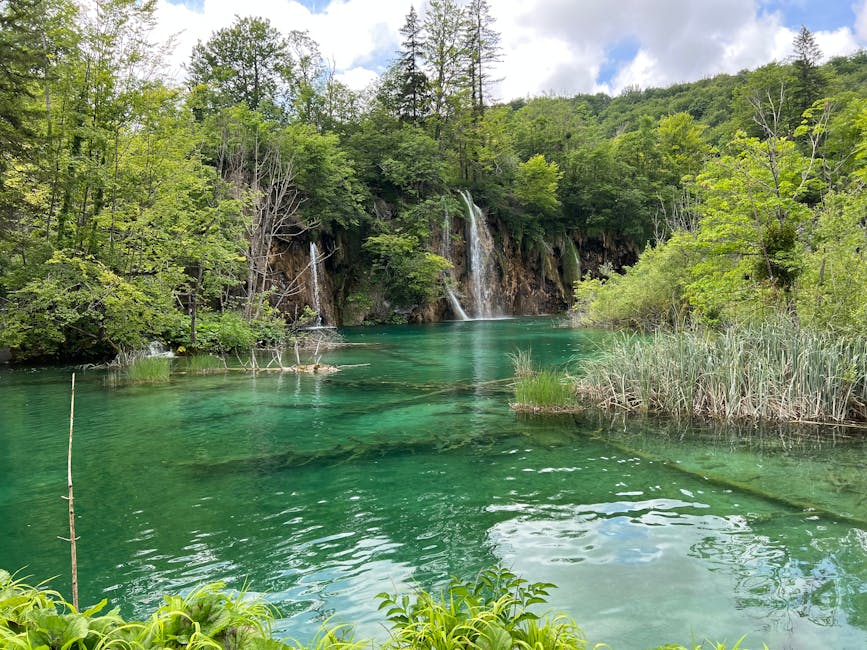
Kozjak Lake — The largest lake in the park, Kozjak is a deep, dark blue and surrounded by dense forest. It's a popular spot for boat rides, which take you between the upper and lower lakes. The boats are traditional wooden vessels, and the ride is short but scenic. The lake is also home to several fish species, including trout and pike. It's a peaceful spot, away from the main crowds, and a great place to take a break from walking.
What to Eat & Drink
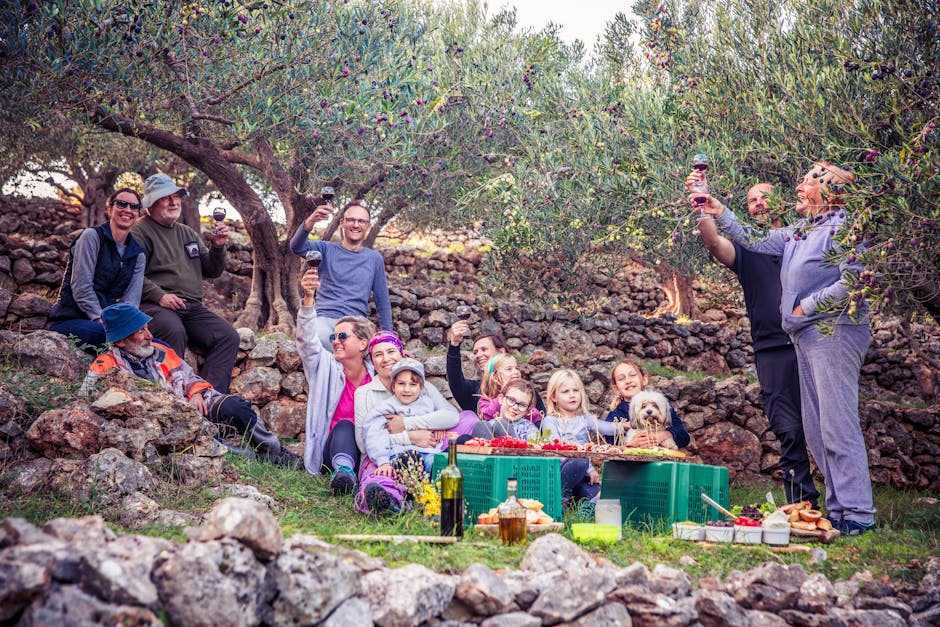
Food options inside the park are limited to a few cafeterias and kiosks, and they're pricey. You'll pay 8-12 EUR for a basic meal of pasta or grilled meat, and 3-5 EUR for a coffee and cake. My advice? Bring your own food. There are several picnic areas scattered throughout the park, and the views are worth the extra effort of packing a lunch. If you do eat out, try the local cheese, known as Paški sir, which is made from sheep's milk on the nearby island of Pag. It's salty, crumbly, and delicious.
Outside the park, in the nearby town of Plitvička Jezera, you'll find a few more dining options. The Restaurant Gornja is a popular spot for locals and tourists alike, offering traditional Croatian dishes like čobanac (a slow-cooked beef stew) and fiš paprikaš (fish paprikash). Prices are slightly lower here, with main courses ranging from 10-15 EUR. There's also a small market in the town where you can buy local produce, honey, and wine.
Nightlife
Let's be clear: there is no nightlife in Plitvice Lakes National Park. The park closes at dusk, and the surrounding villages are quiet, sleepy places. The closest town with any semblance of nightlife is Gospić, about 30 kilometers away. There, you'll find a few bars and clubs, but it's not a party destination. If you're looking for a wild night out, head to Zagreb or Rijeka. But if you're looking for a quiet evening by the lake, with a bottle of local wine and the sound of crickets, you've come to the right place.
Getting There & What to Expect
The nearest airport is Zagreb Airport, about 150 kilometers away. From there, you can take a bus to Plitvička Jezera, which takes about 3 hours and costs around 15-20 EUR. Alternatively, you can rent a car, which gives you more flexibility and allows you to explore the surrounding area. The drive is scenic, with winding roads through mountains and forests. Once you arrive, you'll need to buy a ticket at the entrance, which can be done online or on-site. Peak season is from June to September, when the crowds are thickest. Off-season is quieter, but some trails and facilities may be closed.
Accmodation options are limited inside the park, with a few campsites and a hotel available. Prices range from 20-40 EUR for a campsite pitch to 100-150 EUR for a hotel room. In Plitvička Jezera, there are several guesthouses and hostels, with prices ranging from 15-30 EUR per night. The best time to visit is early in the morning, right when the park opens, or late in the afternoon, when the crowds start to thin out. The weather can be unpredictable, so bring layers and waterproof gear.
Search accommodation in Plitvička Jezera on Booking.com →
The Last Drop
As the sun set behind the peaks of the Velebit Mountains, I stood by the edge of Kozjak Lake, watching the water turn from blue to purple to black. The silence was absolute, broken only by the occasional splash of a fish or the call of a bird. It was a moment of pure, unadulterated peace, a reminder of why we travel in the first place. Plitvice Lakes National Park isn't just a destination; it's an experience. It's a place where time slows down, where the world shrinks to the size of a single drop of water, and where the beauty of nature is on full display. I left with my boots still wet, my heart full, and a renewed appreciation for the power of silence.

Comments