


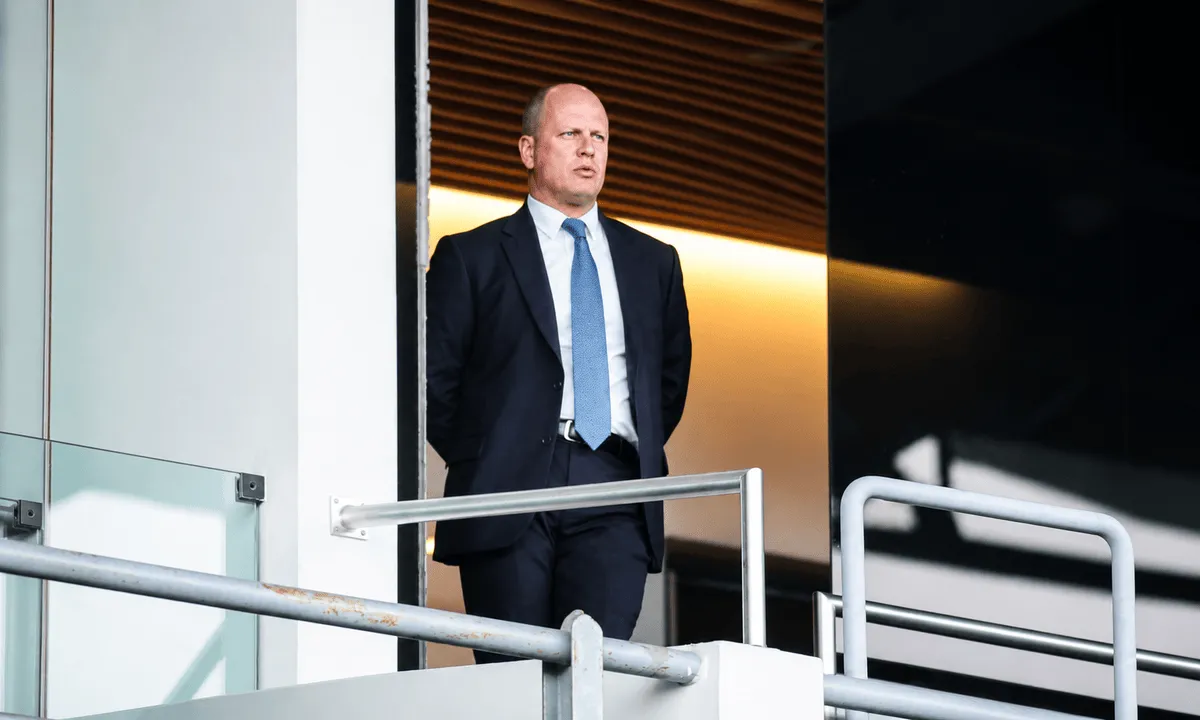
PAOK is preparing to install Evgeny Koshelev in a pivotal administrative position, with the official confirmation slated for June. The development was first signaled when Koshelev attended the recent derby against Olympiacos, seated in the executive suite alongside club president Georgios Savvidis, Andreas Papamimiko, and Maria Gontzarova. His presence at such a high-profile fixture was widely interpreted as a preview of the structural changes underway at the Thessaloniki club.
Restructuring Daily Operations
Reports indicate the appointment is in its final stages. Koshelev will oversee the administrative organization of the football club, taking responsibility for internal workflows and day-to-day management. The position mirrors the operational mandate previously held by Makis Gkagatsis before his departure to the Hellenic Football Federation. Rather than focusing on sporting recruitment, the role centers on institutional cohesion, ensuring that departmental functions align with the board’s long-term vision. Koshelev’s background in technical management suggests a push toward modernizing the club’s internal infrastructure.
His seating arrangement at Toumba Stadium during the derby was hardly accidental. It served as a quiet but clear signal that the board has finalized its selection. The upcoming general assembly in June will formalize the partnership and outline the precise scope of his responsibilities. Until then, the club has already communicated its direction to members and staff.
Modernizing Balkan Football Administration
This appointment reflects a broader trend across Greek football, where traditional ownership models are gradually incorporating professional management frameworks. PAOK has consistently invested in upgrading its operational standards over the past decade, moving away from reactive decision-making toward systematic planning. The introduction of a dedicated administrative director aligns with similar moves at other top-tier clubs in the region, where sustainability and transparent governance are becoming competitive necessities.
Managing a multi-sport institution with a massive global fanbase requires precise coordination across departments, from youth academies to commercial partnerships. Koshelev’s integration into the executive circle aims to bridge that gap, providing a structured approach to resource allocation, compliance, and internal communication. As Greek football continues to navigate strict financial regulations and heightened competitive pressures, administrative clarity will likely determine which organizations maintain their trajectory. The June announcement will mark another step in PAOK’s ongoing evolution, positioning the club to handle the complexities of modern professional sports with greater precision.


Comments