



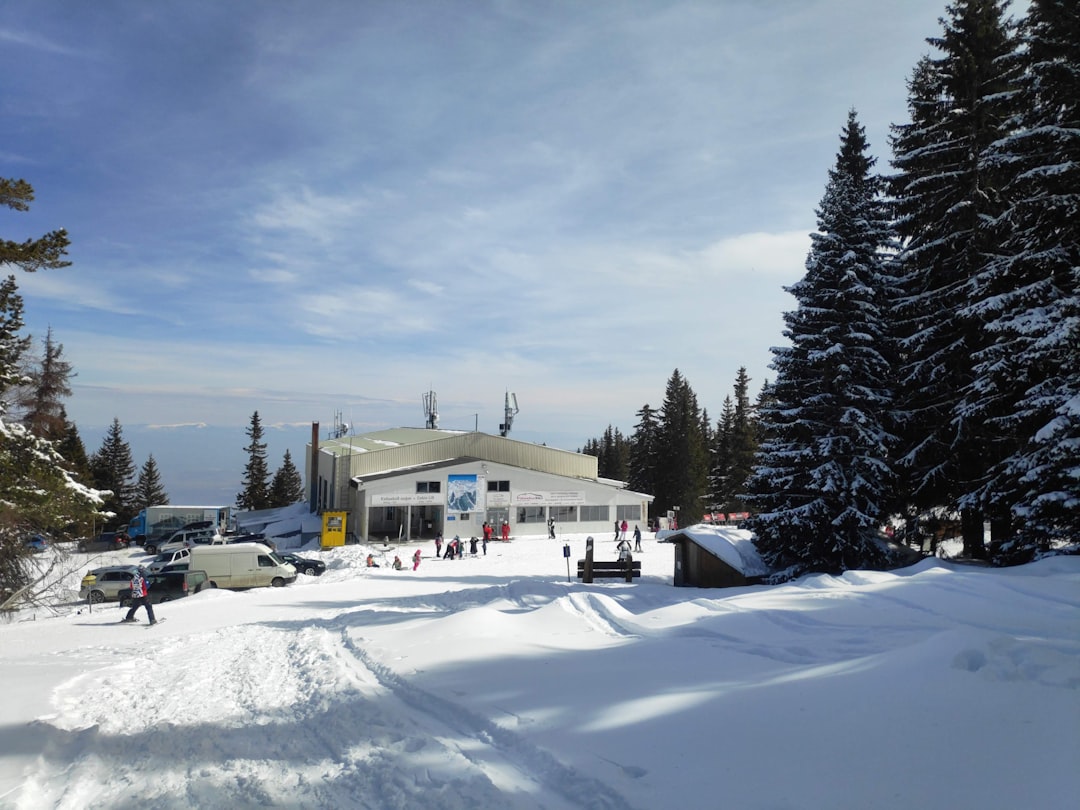
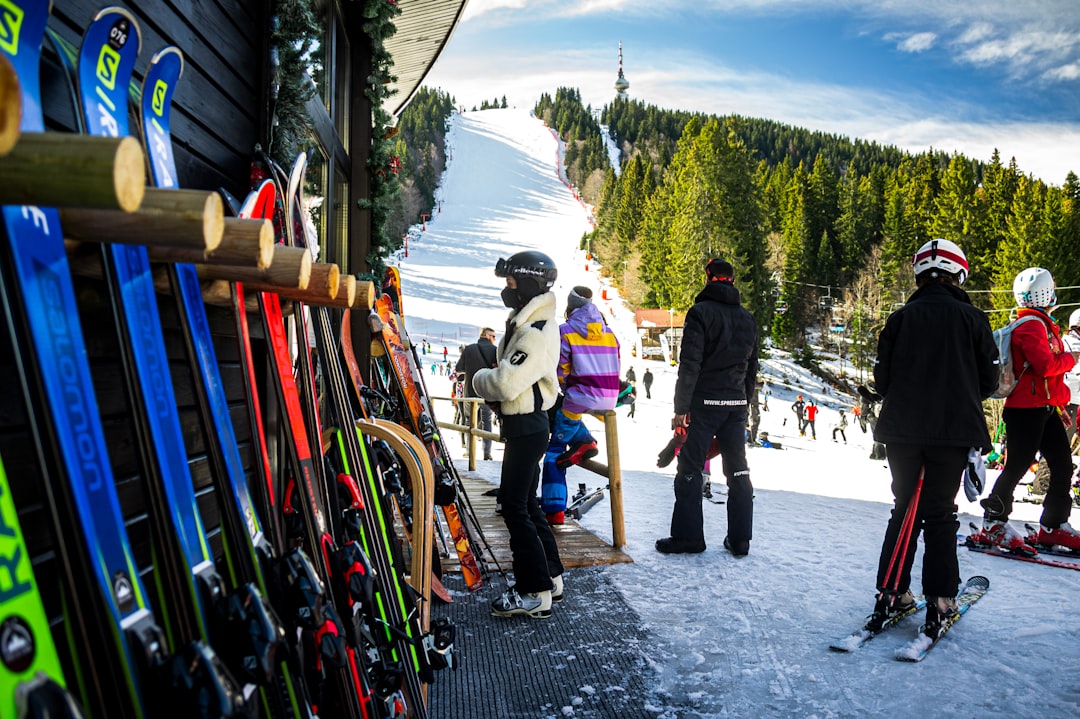
The coffee at the base of the lift in Pamporovo tastes like burnt rubber and old memories, but it’s the only thing warm in my hands. I’m standing in a wind that cuts through my jacket like a dull knife, watching a family from Sofia drag a teenager who clearly wanted to be in a warm apartment playing video games. They are here because this is what you do in Bulgaria in January. You go to the snow. You suffer slightly. You eat food that is too salty and too good. The mountains here are not the polished, corporate ski resorts of the Alps. They are raw, chaotic, and deeply Bulgarian. The snow is real, the prices are a joke compared to Europe, and the vibe is somewhere between a village party and a survival expedition.
I spent a week shuttling between the two biggest names in Bulgarian skiing: Borovets and Pamporovo. One is a high-altitude, Soviet-era giant clinging to the Rila peaks. The other is a sunny, lower-altitude bowl in the Pirin mountains that feels like a secret that everyone knows. This is not a guide for people who want heated handlebars and champagne bars. This is for the traveler who wants to know where the locals actually go, how much it costs, and what it really feels like to ski in the Balkans when the temperature drops below zero.
History & Identity
The ski culture in Bulgaria was built on two pillars: Borovets and Pamporovo. Both were developed during the communist era, but they evolved in completely different directions. Borovets, located in Rila National Park, was designed as a grand international resort. It hosted the 1970 FIS Alpine World Ski Championships. The infrastructure is massive, with wide roads and large apartment blocks that look like they were poured from concrete molds. It feels like a place that was built to impress foreign dignitaries, and it still carries that weight. The identity here is one of scale and tradition. It is the first ski resort in Bulgaria, and it acts like the older, more serious sibling.
Pamporovo, on the other hand, is nestled in Pirin National Park. It was developed later, in the 1970s, but it never tried to be as grand. It is smaller, sunnier, and more relaxed. The town itself is a single main street that runs through a pine forest. The identity here is about nature and accessibility. It is a place where you can ski in the morning and hike in the afternoon. The vibe is less about competition and more about community. You see more families, more students, and fewer corporate retreats. The history is there, but it is buried under layers of snow and pine needles.
Where to Go
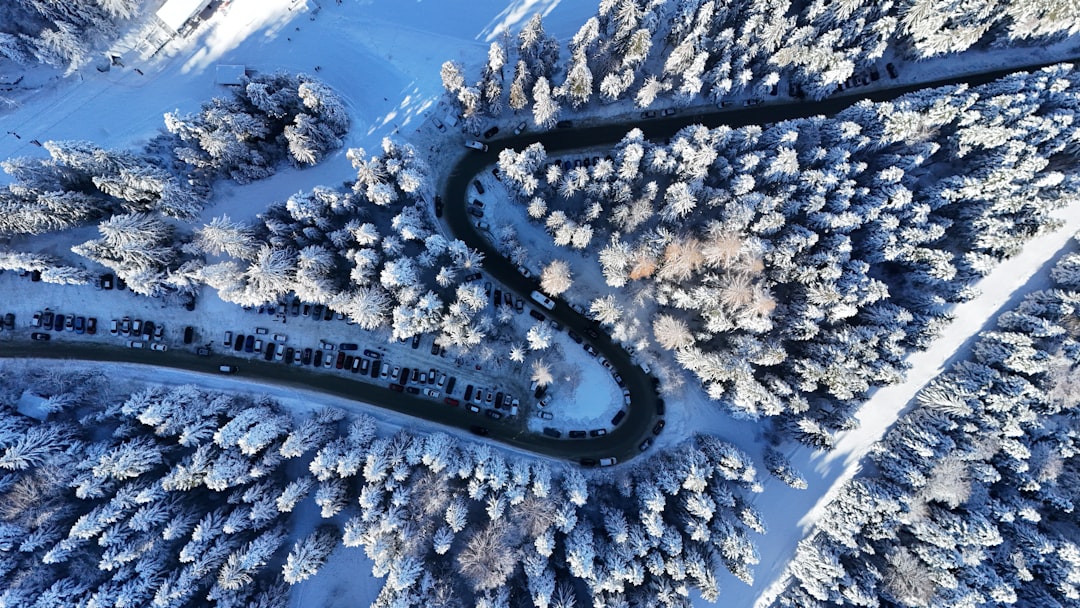
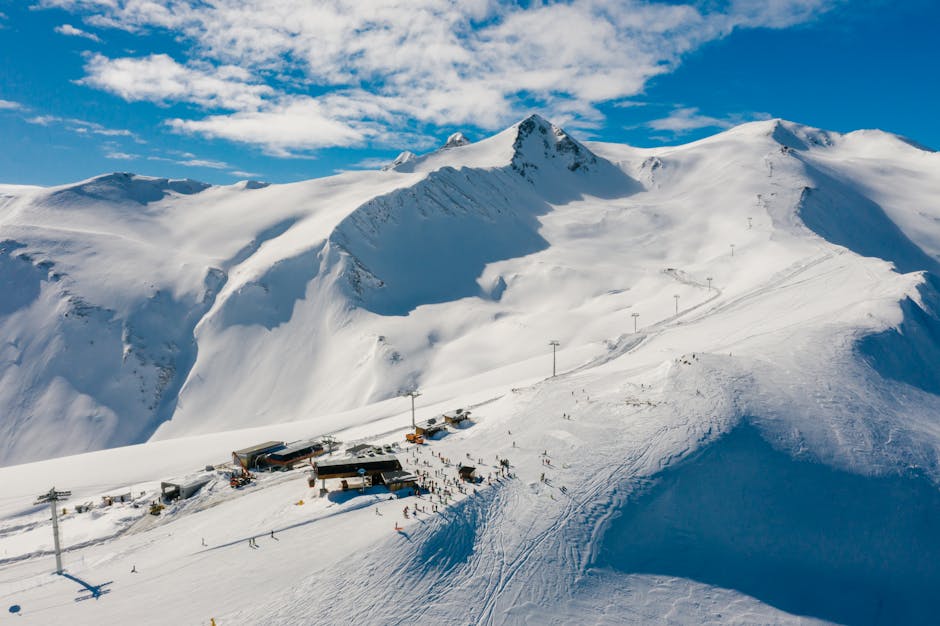
Borovets — This is the main hub for skiing in the Rila mountains. The resort is spread out over a large area, with several distinct zones. The main attraction is the ski lift system, which is extensive and modernized in recent years. You can ski from the top of Smolyan to the base of the resort. The views are dramatic, with steep valleys and rocky peaks. It is a serious ski destination for those who want long runs and good snow coverage.
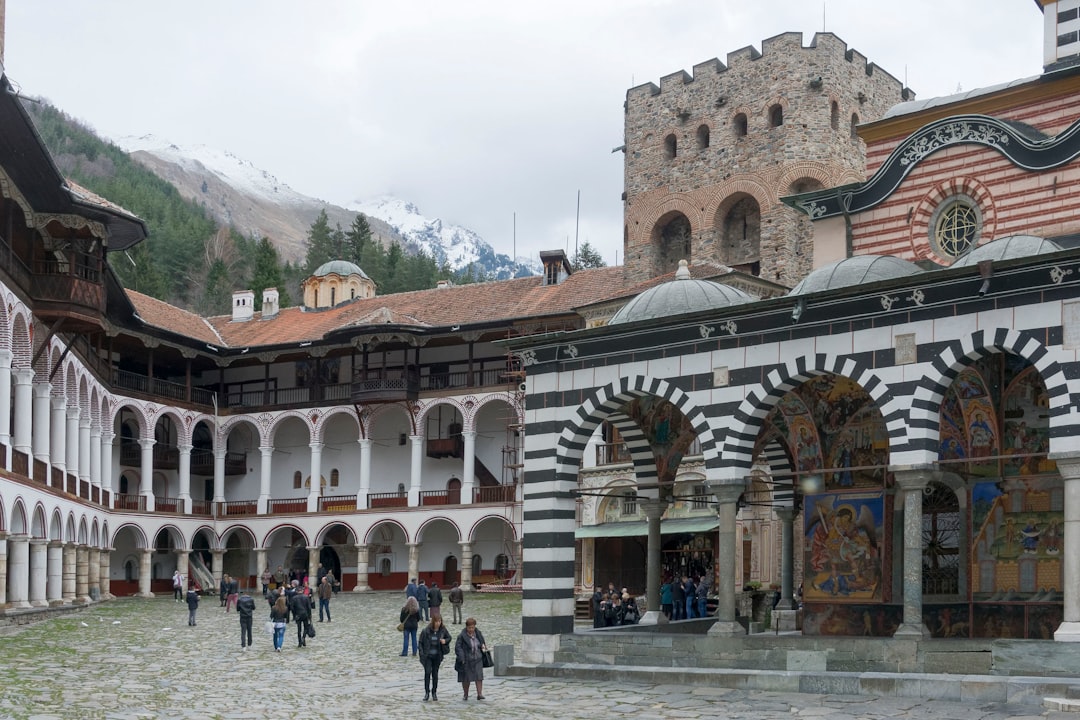
St. Ivan Rilski Monastery — Located just a few kilometers from the resort, this is one of the most famous monasteries in Bulgaria. It is a UNESCO World Heritage site and a masterpiece of Bulgarian medieval architecture. The frescoes inside are stunning, and the atmosphere is incredibly peaceful. It is a short drive from the slopes, making it a perfect stop for a cultural break during your ski trip. The entry fee is reasonable, and the monastery is open to visitors throughout the day.
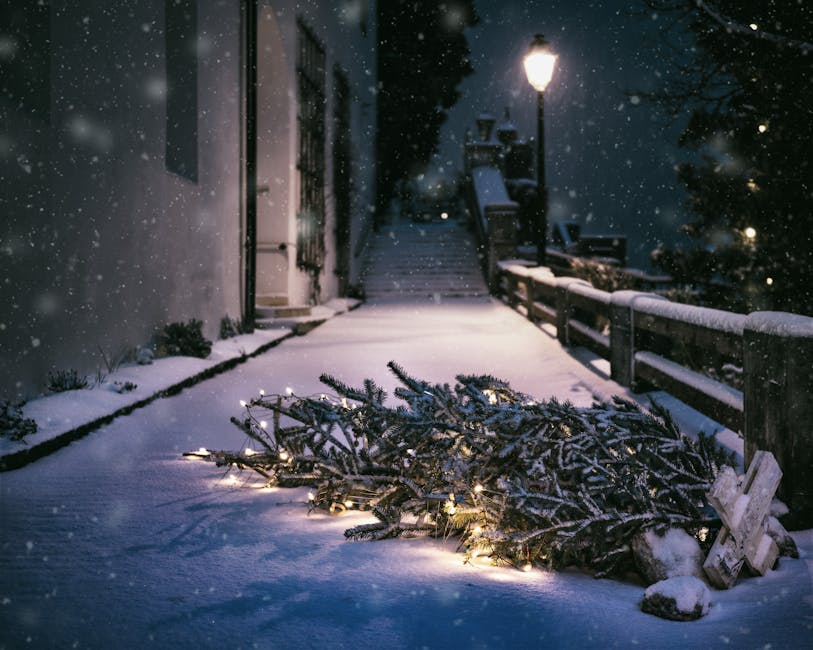
Pamporovo Main Street — The heart of the resort is a single street lined with hotels, restaurants, and bars. It is pedestrian-friendly in the center, and the atmosphere is lively, especially in the evenings. The street is decorated with lights during the holiday season, and there are often street musicians and performers. It is a great place to stroll, grab a coffee, and watch the world go by. The shops sell everything from ski gear to traditional souvenirs.
Pirin National Park — This is one of the most beautiful national parks in Bulgaria, with rugged mountains, deep valleys, and pristine forests. The park is home to a variety of wildlife, including bears, wolves, and eagles. There are many hiking trails, even in the winter, if you have the right equipment. The views from the top of the mountains are breathtaking, and the silence is profound. It is a place to disconnect from the world and reconnect with nature.
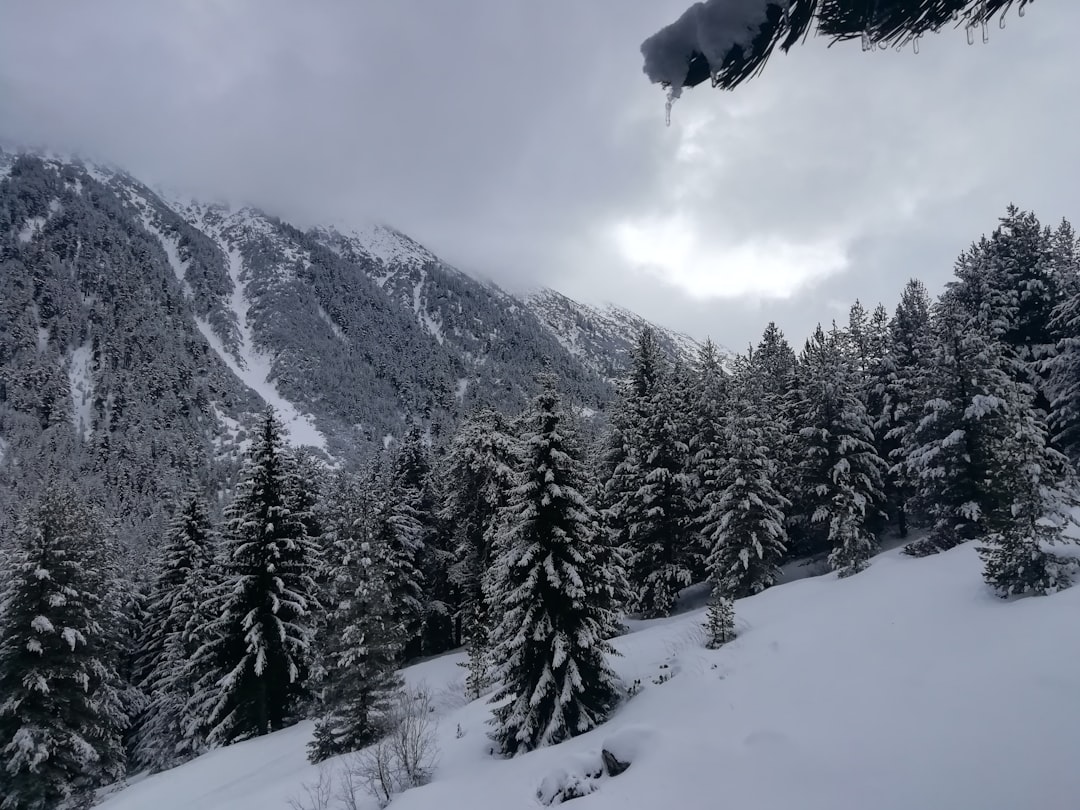
Skakavitsa Peak — This is the highest peak in the Pirin mountains, and it offers some of the best skiing in the country. The runs are steep and challenging, and the views are spectacular. It is a popular spot for advanced skiers, but there are also easier runs for beginners. The lift to the top is modern and reliable, and the snow conditions are usually excellent. It is a must-visit for anyone who wants to experience the best of Bulgarian skiing.
What to Eat & Drink
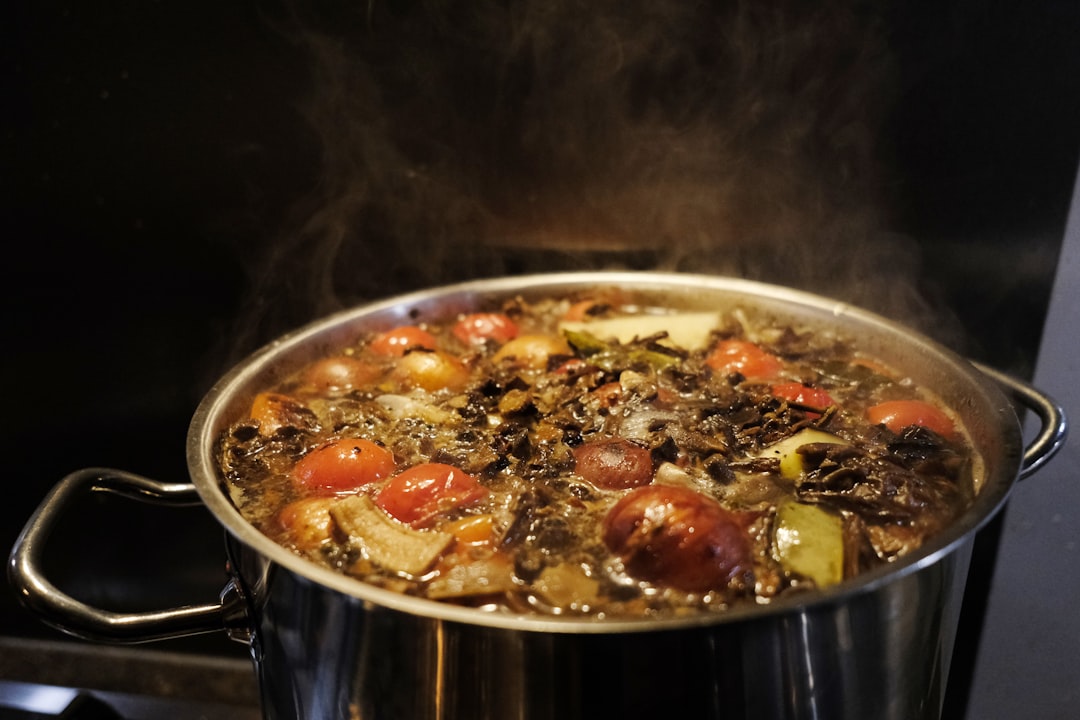
Food in Bulgarian ski resorts is hearty, cheap, and designed to keep you warm. You will not find fancy, molecular gastronomy here. You will find banitsa (cheese pastry) for 1-2 EUR, shkembe chorba (tripe soup) for 5-7 EUR, and kebab for 3-4 EUR. The portions are large, and the prices are small. You can eat well on a budget, and you will leave the table full.
In Borovets, the dining options are more varied, with many international restaurants and cafes. You can find everything from Italian pizza to American burgers. However, the best food is still the traditional Bulgarian cuisine. Look for restaurants that serve kyufte (meatballs) and shopska salad. The prices are higher than in Pamporovo, but still reasonable compared to other European resorts. A typical meal for two will cost around 20-30 EUR.
In Pamporovo, the food scene is more local and authentic. The restaurants are smaller, and the menus are simpler. But the food is fresh, and the flavors are intense. The banitsa is made fresh every morning, and the shkembe chorba is simmered for hours. The prices are lower, and the portions are just as large. A typical meal for two will cost around 15-20 EUR.
The budget breakdown is simple. Street food and take-away are under 5 EUR per meal. Sit-down local restaurants are 8-15 EUR per person. Mid-range hotels and restaurants are 15-25 EUR per person. You can eat well on a budget, and you will enjoy every bite. The food is a key part of the experience, and it is one of the best things about skiing in Bulgaria.
Nightlife
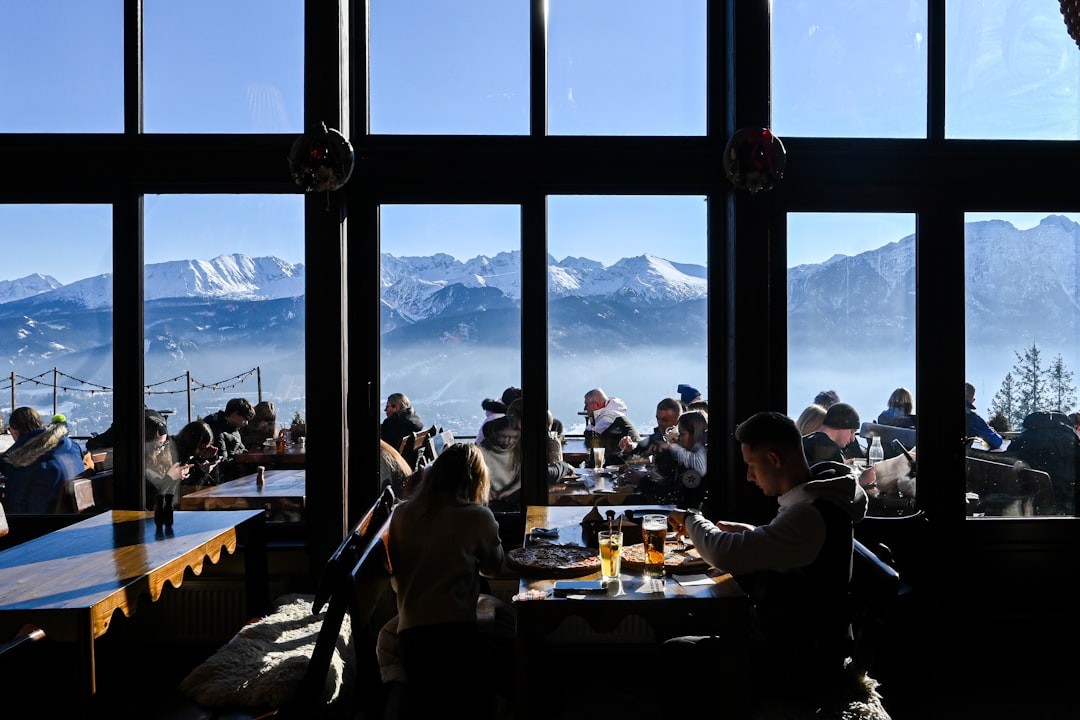
Nightlife in Bulgarian ski resorts is not about clubs and dancing. It is about bars, live music, and socializing. The bars are warm, cozy, and filled with locals and tourists alike. The music is usually traditional Bulgarian folk music or pop hits. The drinks are cheap, and the atmosphere is relaxed.
In Borovets, the nightlife is more active. There are several bars and clubs, and the music is louder. The main street is busy until late, and there are often events and parties. The bars are modern, and the drinks are varied. It is a good place for those who want to dance and party.
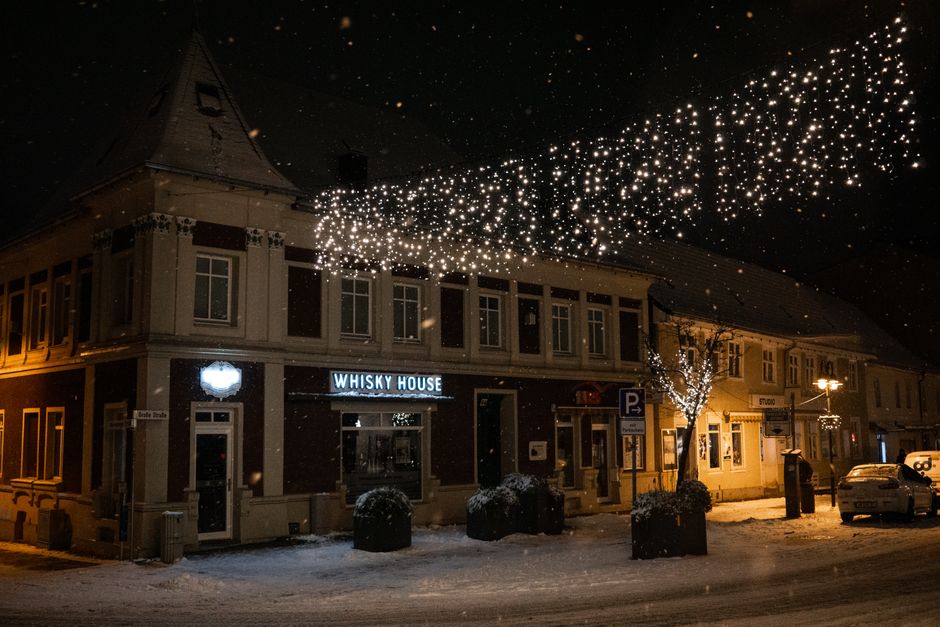
In Pamporovo, the nightlife is more low-key. The bars are smaller, and the music is softer. The atmosphere is more intimate, and the conversations are deeper. It is a good place for those who want to relax and chat. The bars are often filled with locals, and the vibe is friendly and welcoming.

The main bar districts are the main streets in both resorts. In Borovets, it is the area around the main lift station. In Pamporovo, it is the center of the town. The bars are open until late, and the prices are reasonable. A beer costs 1-2 EUR, and a cocktail costs 3-5 EUR. You can drink well on a budget, and you will enjoy the experience.
Getting There & What to Expect
The nearest airport to both resorts is Sofia Airport. From there, you can take a bus or a taxi to the resorts. The bus to Borovets takes about 2 hours and costs around 10-15 EUR. The bus to Pamporovo takes about 1.5 hours and costs around 8-12 EUR. Taxis are more expensive, but they are faster and more convenient. A taxi to Borovets costs around 50-70 EUR, and a taxi to Pamporovo costs around 40-60 EUR.
Accommodation prices vary depending on the season and the type of hotel. Budget hostels and guesthouses cost around 20-40 EUR per night. Mid-range hotels cost around 50-100 EUR per night. Luxury hotels and apartments cost around 100-200 EUR per night. Prices are higher during the peak season (December to February), and lower during the off-season (March to April).
The best months to visit are January and February, when the snow is deepest and the weather is coldest. However, March is also a good month, as the weather is warmer and the crowds are smaller. The ski season usually runs from December to April, but it can vary depending on the snow conditions.
Expect cold weather, strong winds, and variable snow conditions. The lifts are modern, but they can be slow during peak times. The slopes are well-groomed, but they can be icy in the morning. The food is good, and the prices are low. The nightlife is relaxed, and the atmosphere is friendly. It is a great place to ski, and it is a great place to experience Bulgarian culture.
Search accommodation in Borovets on Booking.com →
Search accommodation in Pamporovo on Booking.com →
The Real Balkan Chill
I leave with snow in my boots and a head full of memories. The mountains are silent now, the lifts are stopped, and the bars are dark. But the spirit of the place remains. It is a spirit of resilience, of community, of joy in the simple things. It is a spirit that you will not find in the polished resorts of the Alps. It is a spirit that is uniquely Bulgarian. And it is a spirit that you will carry with you long after you have left the slopes. The snow will melt, the trees will green, and the mountains will sleep. But the memory of the cold, the warmth of the food, and the laughter of the people will remain. This is the real Balkan chill. And it is a chill that is worth feeling.

Comments