


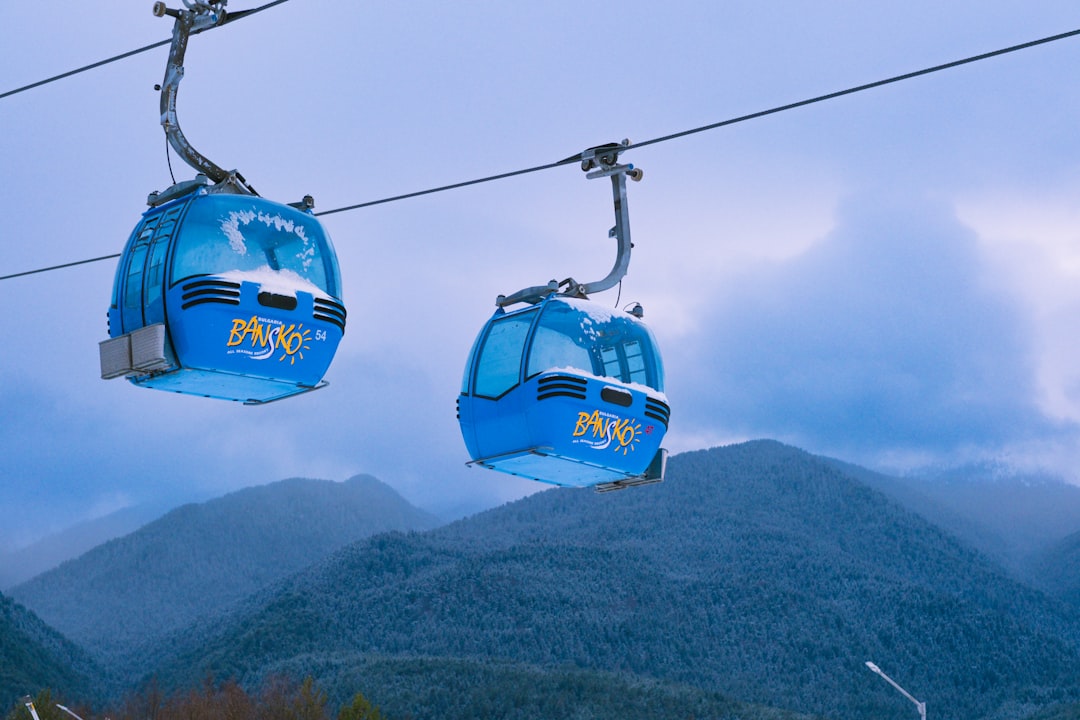
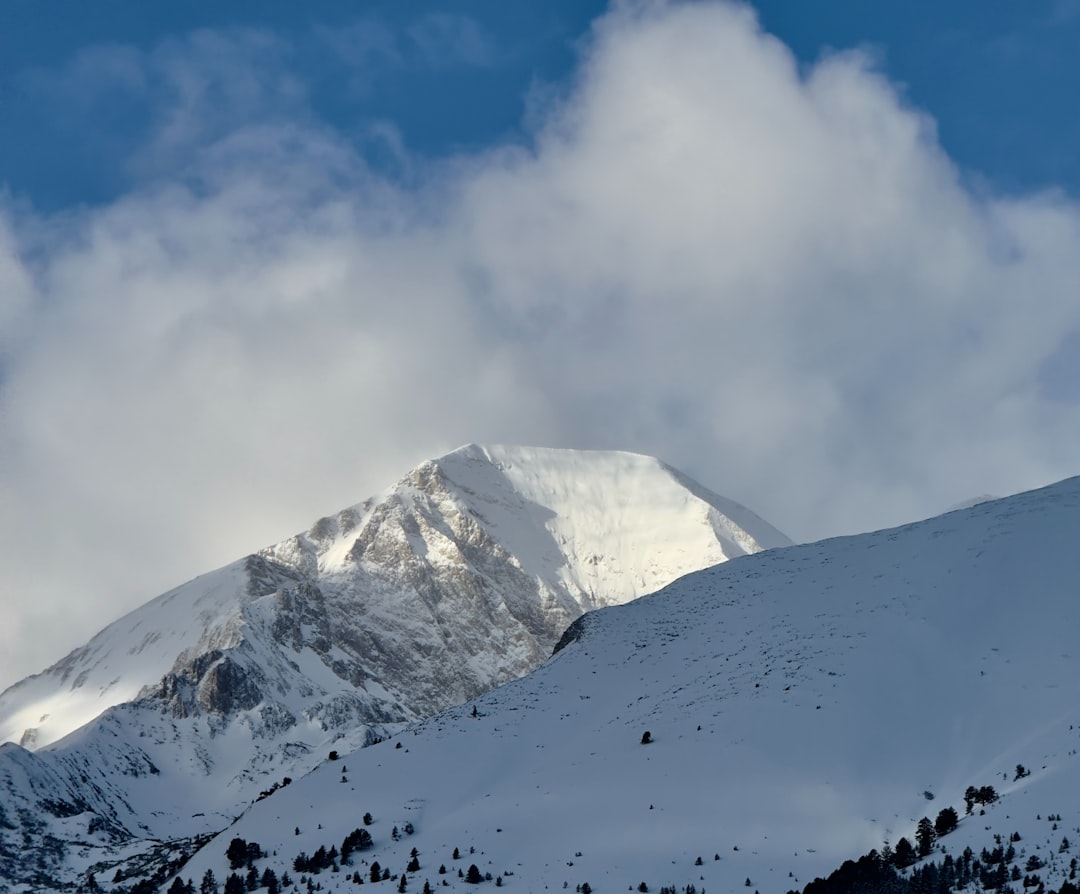
The wind on Pirin Mountains doesn't whisper; it screams. I was standing at the top of the Vihren Peak ridge, my goggles fogged, my breath freezing in the air, watching a local kid carve down a slope that looked more like a cliff face. He didn't look back. He just dropped in, a blur of blue against the white, disappearing into the trees before I could even blink. This isn't the sanitized, corporate ski resort experience you get in the Alps. This is raw, unfiltered, and terrifyingly beautiful. Bansko isn't just a ski resort; it's a playground for those who want to feel the mountain's pulse, not just its marketing budget.
I came here expecting a typical Eastern European ski town: cold, quiet, and maybe a bit depressing. Instead, I found a vibrant, chaotic, and utterly addictive scene. The slopes are wide, the snow is reliable, and the people are friendly. But the real magic happens when you step off the beaten path. The backcountry here is legendary, offering some of the best off-piste skiing in the Balkans. It's not for the faint of heart, but it's for those who want to experience skiing in its purest form.
History & Identity
Bansko has a history that stretches back centuries, long before the first ski lift was installed. Originally a mining town, it was known for its rich deposits of gold and silver. The town's architecture reflects this past, with traditional Bulgarian houses featuring intricate wood carvings and stone foundations. Today, those houses are often converted into cozy ski lodges, serving hot rakia and hearty meals to tired skiers.
The ski resort itself is relatively young, with the first lifts opening in the 1960s. But it was the late 1990s and early 2000s that saw a boom in development, as investors recognized the potential of Pirin's unique geography. The resort has since grown into one of the largest in the Balkans, with over 70km of marked slopes and a growing reputation for its backcountry terrain. Despite this growth, Bansko has managed to retain its authentic Bulgarian charm, avoiding the over-commercialization that plagues many Western European resorts.
Where to Go
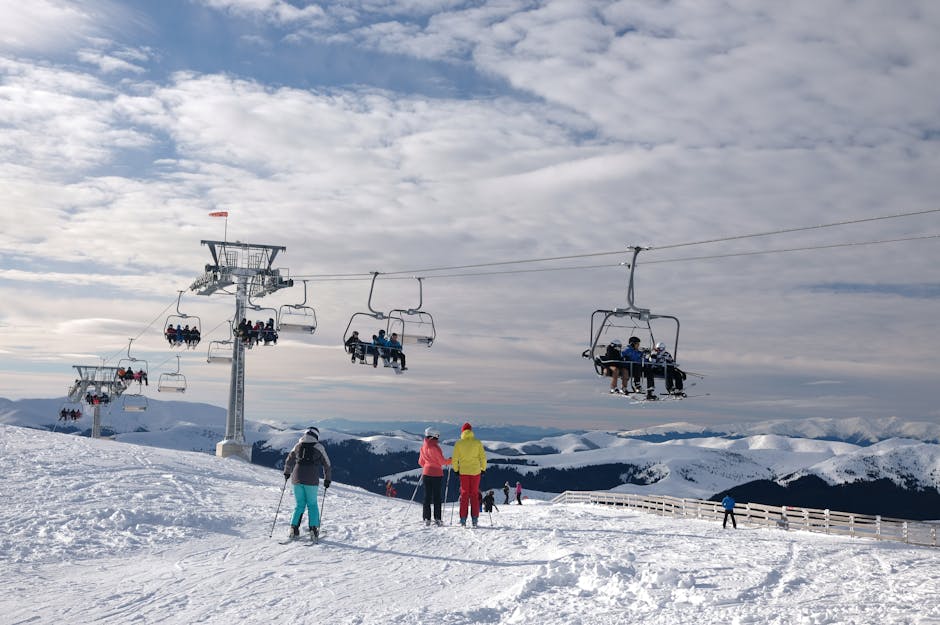
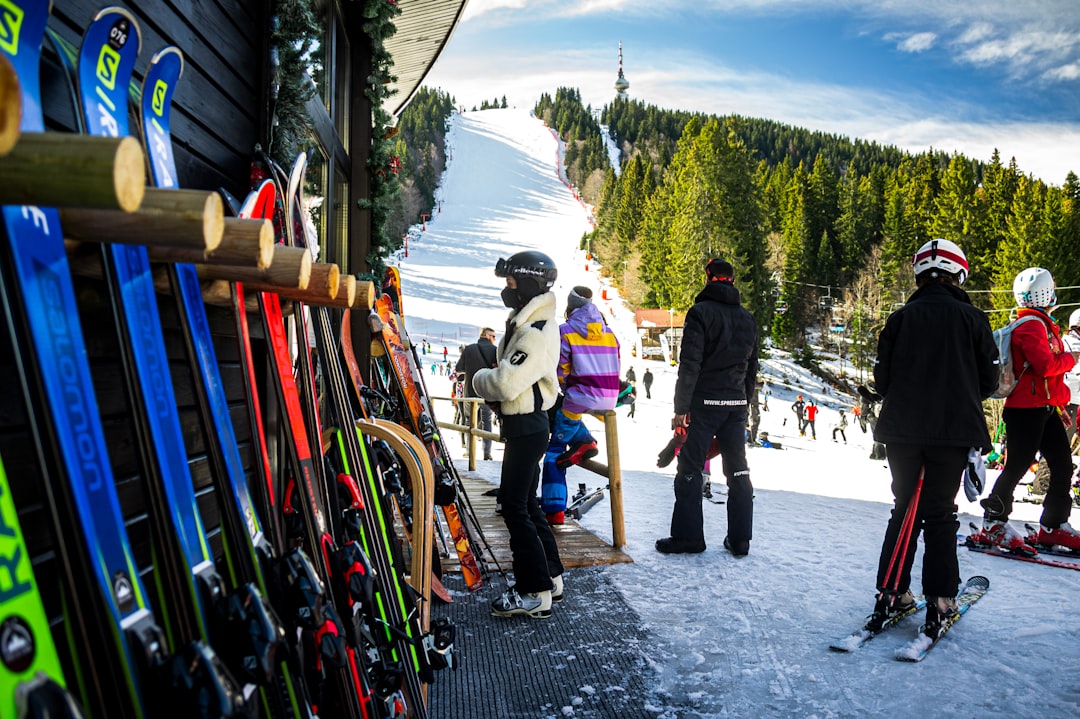
Bansko Ski Resort — The heart of the action, this sprawling complex offers a mix of beginner, intermediate, and advanced slopes. The main village is lively, with plenty of restaurants, bars, and ski shops. Entry to the slopes is 60-80 EUR for a full day, which is a steal compared to Western Europe. The best time to go is between January and March, when the snow conditions are at their best.
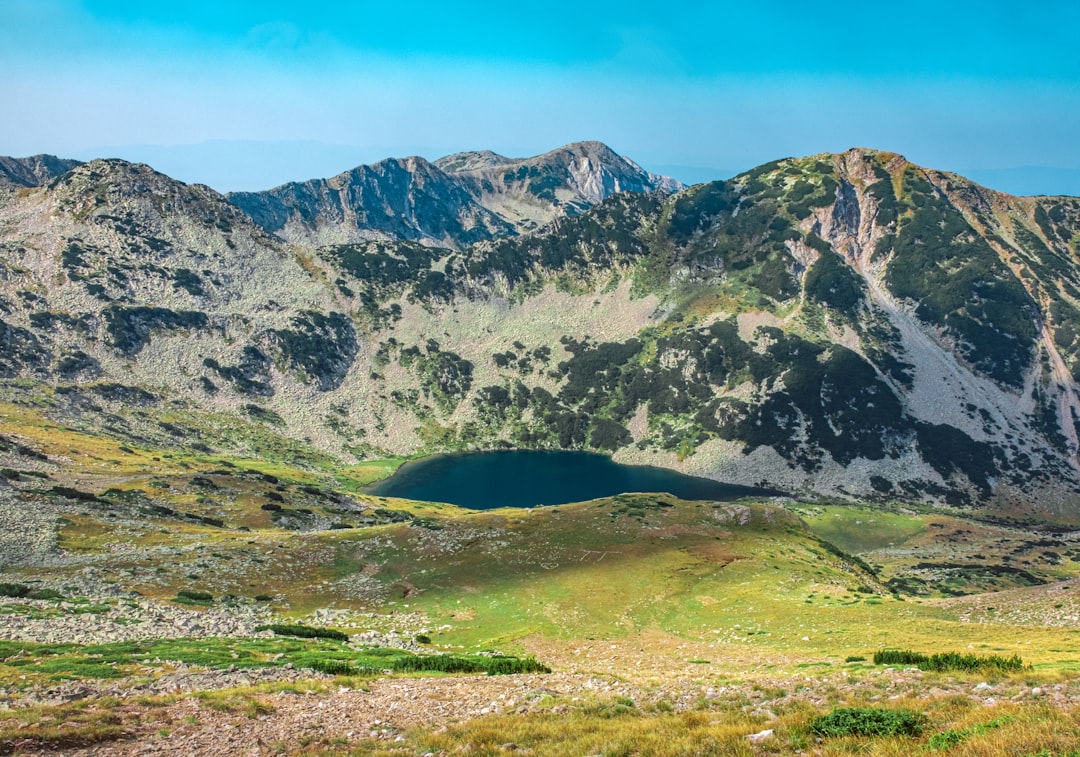
Pirin National Park — A UNESCO World Heritage site, this park is a paradise for nature lovers. The trails are well-marked, and the scenery is breathtaking. You can hike to the top of Vihren Peak, the highest peak in Pirin, or explore the many lakes and waterfalls. Entry to the park is free, but you may need to pay for parking or guided tours.
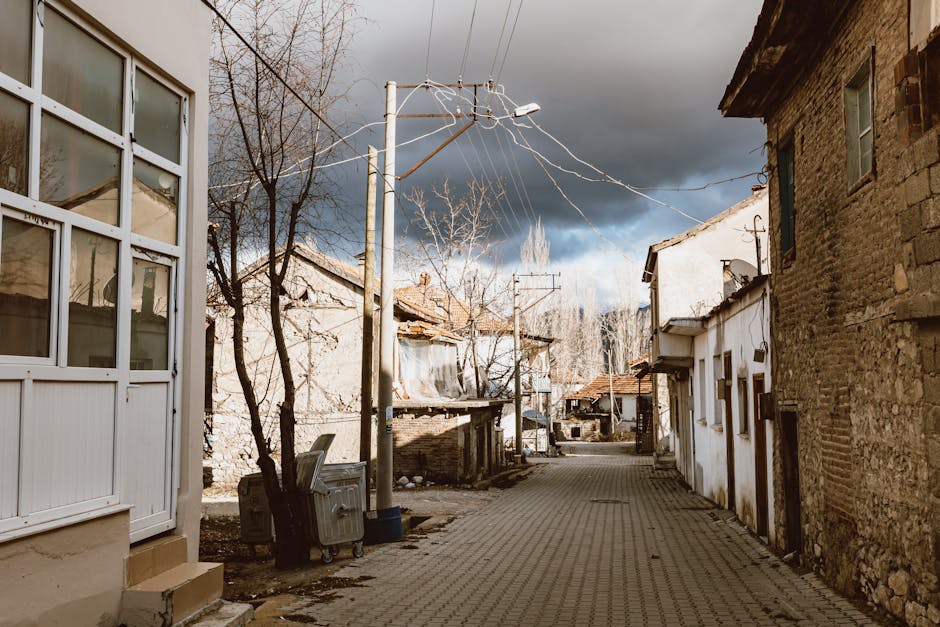
Old Town Bansko — A step back in time, this historic district is filled with traditional Bulgarian houses, churches, and museums. The House Museum of Hristo Botev is a must-visit, offering a glimpse into the life of one of Bulgaria's most famous national heroes. The town square is also a great place to people-watch and grab a coffee.
Backcountry Zones — For the experienced skier, the backcountry around Bansko is a dream. The terrain is challenging, with steep slopes, deep powder, and hidden glades. But it's also dangerous, so it's essential to go with a guide or have a solid understanding of avalanche safety. The Pirin Mountains offer some of the best off-piste skiing in the Balkans, but only for those who know what they're doing.
What to Eat & Drink
Shopi Salata — A refreshing salad made with tomatoes, cucumbers, onions, and sirene cheese. It's the perfect way to cool down after a day on the slopes. Price: 3-5 EUR.
Kebapche — A spicy sausage made with ground meat, peppers, and spices. It's a Bulgarian classic, and you'll find it on every menu. Price: 4-6 EUR.
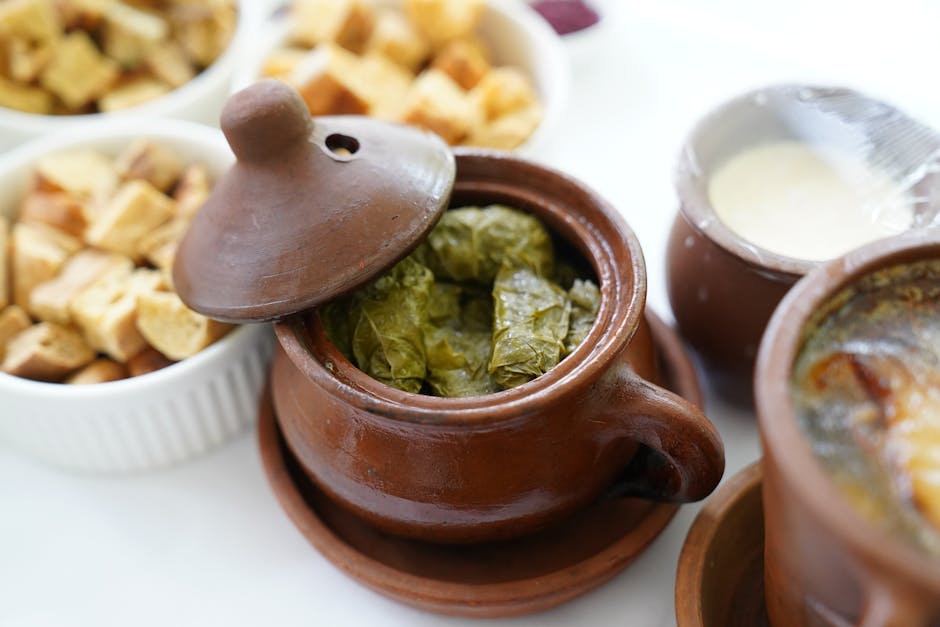
Banka — A hearty stew made with meat, vegetables, and cheese, baked in a clay pot. It's the ultimate comfort food for a cold winter day. Price: 8-12 EUR.
Rakia — A strong fruit brandy, usually made from plums or grapes. It's the national drink of Bulgaria, and it's the perfect way to warm up after a day of skiing. Price: 2-4 EUR per shot.
Bansko has a vibrant food scene, with plenty of restaurants serving traditional Bulgarian cuisine. The main street is filled with options, from cheap street food to upscale dining. You can also find plenty of cafes and bakeries, serving fresh pastries and coffee. For a more budget-friendly option, check out the local markets, where you can buy fresh produce, meat, and cheese.
Nightlife
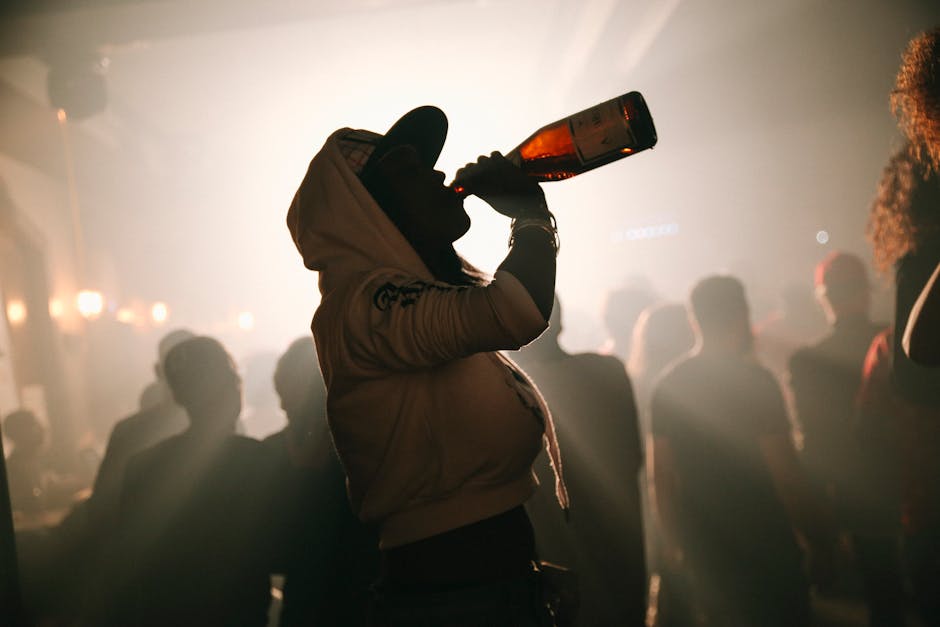
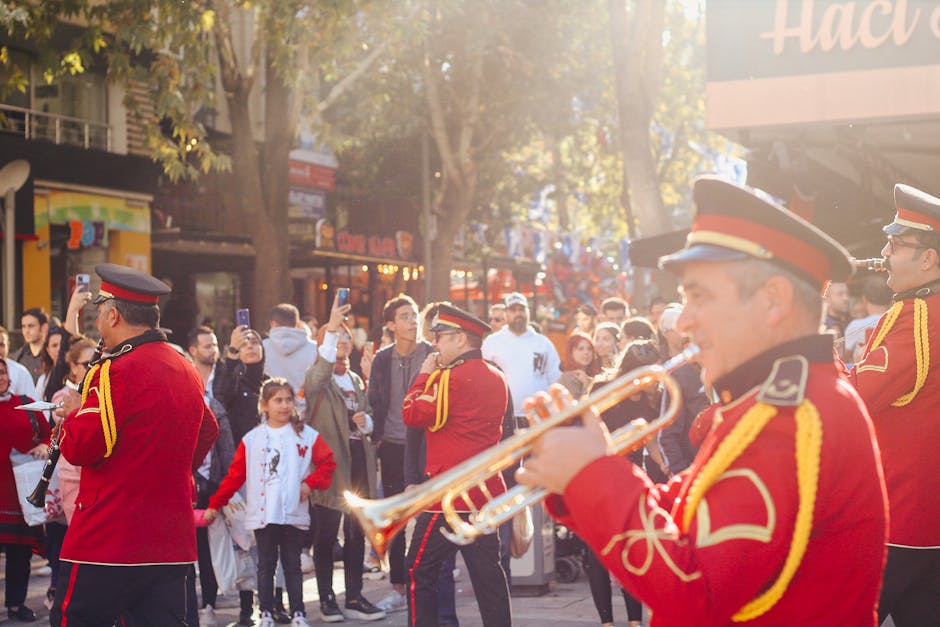
Bansko's nightlife is surprisingly lively, with plenty of bars and clubs to choose from. The main street is the hub of activity, with venues playing everything from pop to rock to Bulgarian folk music. The Bansko town square is also a popular spot for live music and street performers. If you're looking for a more relaxed atmosphere, check out the many cafes and lounges, where you can sip on a drink and watch the world go by. The nightlife scene is particularly vibrant during the peak ski season, with plenty of events and parties to keep you entertained.
Getting There & What to Expect
The nearest airport is in Sofia, which is about 170km from Bansko. You can take a bus or a private transfer, which takes about 2.5-3 hours. Buses are cheap and frequent, costing around 10-15 EUR. Private transfers are more expensive, but they offer a more comfortable and convenient option. If you're driving, the road from Sofia to Bansko is well-maintained, but it can be treacherous in winter, so make sure your car is equipped with snow chains.
Accommodation in Bansko ranges from budget hostels to luxury hotels. You can find a hostel for as little as 20-40 EUR per night, while a mid-range hotel will cost around 80-150 EUR per night. Luxury hotels can cost upwards of 200 EUR per night. The best time to visit is between January and March, when the snow conditions are at their best. But be prepared for crowds, as Bansko is a popular destination for skiers from across Europe.
Search accommodation in Bansko on Booking.com →
Final Descent
As the sun sets over the Pirin Mountains, casting long shadows across the snow, I feel a sense of peace I haven't felt in years. The chaos of the day fades away, replaced by the quiet hum of the resort and the distant sound of skis scraping against ice. Bansko isn't perfect. The infrastructure could be better, the service can be inconsistent, and the crowds can be overwhelming. But it's real. It's authentic. And it's a reminder that skiing, at its core, is about the love of the mountain, not the price of the lift ticket.
I'll be back. Not for the perfect snow, or the pristine slopes, but for the feeling of freedom that comes with dropping into the unknown. For the thrill of the ride, the camaraderie of the lift, and the simple joy of being alive. Bansko isn't just a ski resort. It's a state of mind.


Comments