


In a significant development for regional economics and international diplomacy, Pakistan and Iran have officially signed a comprehensive trade agreement. The announcement, made by Pakistan's Prime Minister, marks a new era of commercial cooperation between the two nations, focusing on energy imports, agricultural exchanges, and streamlined customs procedures. For audiences in the Balkans, this agreement is not merely a South Asian diplomatic milestone; it represents a potential shift in global trade routes that could indirectly impact energy prices and logistics networks across Europe, including the Balkan region. As global supply chains become increasingly fragmented, new alliances between major energy producers and emerging markets create ripple effects that extend far beyond the signing table.
Details of the Agreement and Economic Context
The newly signed pact aims to remove longstanding barriers to trade between Islamabad and Tehran. Key provisions include the establishment of a **bilateral trade committee** to oversee the implementation of tariffs, the reduction of non-tariff barriers, and the facilitation of direct air and sea links. Pakistan has historically relied on imports for energy and certain agricultural products, while Iran has sought to expand its export markets amidst international sanctions. This agreement allows Iran to export natural gas, oil products, and pistachios to Pakistan, while Pakistan will increase exports of textiles, rice, and manufactured goods to Iran. The move is seen as an effort to stabilize local currencies and reduce inflation in both countries.
Analysts suggest that the agreement could significantly boost bilateral trade volumes, which have remained below potential in recent years due to logistical challenges and financial restrictions. By creating a more predictable trade environment, both governments hope to attract private sector investment and foster economic growth. The pact also includes provisions for technical cooperation and joint ventures in sectors such as pharmaceuticals and information technology. This broader economic integration is part of a larger strategy by both nations to strengthen ties with neighbors and reduce dependency on distant trade partners.

Global Implications and Energy Market Shifts
The strategic alignment between Pakistan and Iran has broader implications for global energy markets. Iran remains one of the world's largest holders of oil and natural gas reserves. Any increase in its export capacity to stable markets like Pakistan can influence global supply dynamics. For Europe, and specifically the Balkans, which has been actively diversifying its energy sources since the disruption of Russian gas supplies, shifts in Asian energy trade can have indirect effects. If Iran directs more resources toward South Asia, it may alter the availability of alternative gas supplies for other regions, potentially affecting pricing structures in global LNG markets.
Furthermore, this agreement highlights a growing trend of regional powers forging direct economic partnerships to bypass complex international financial systems. This shift towards localized trade blocs challenges the traditional Western-dominated economic order. For Balkan countries that are members of or aspiring to join the European Union, understanding these emerging economic alliances is essential. The EU's foreign policy and energy security strategies must account for these new dynamics, as they influence global stability, inflation rates, and the flow of goods through key transit corridors that connect Asia to Europe.
The diplomatic move also sends a strong signal to neighboring countries and global powers about the changing geopolitical landscape. It underscores the willingness of nations in the Middle East and South Asia to prioritize regional stability and economic cooperation over ideological divisions. This approach could encourage other nations in the region to pursue similar agreements, leading to a more integrated and self-sufficient Asian economic zone. Such integration could eventually compete with existing trade frameworks, influencing global trade policies and investment flows.
The Balkan Angle: Transit, Trade, and Strategic Interest
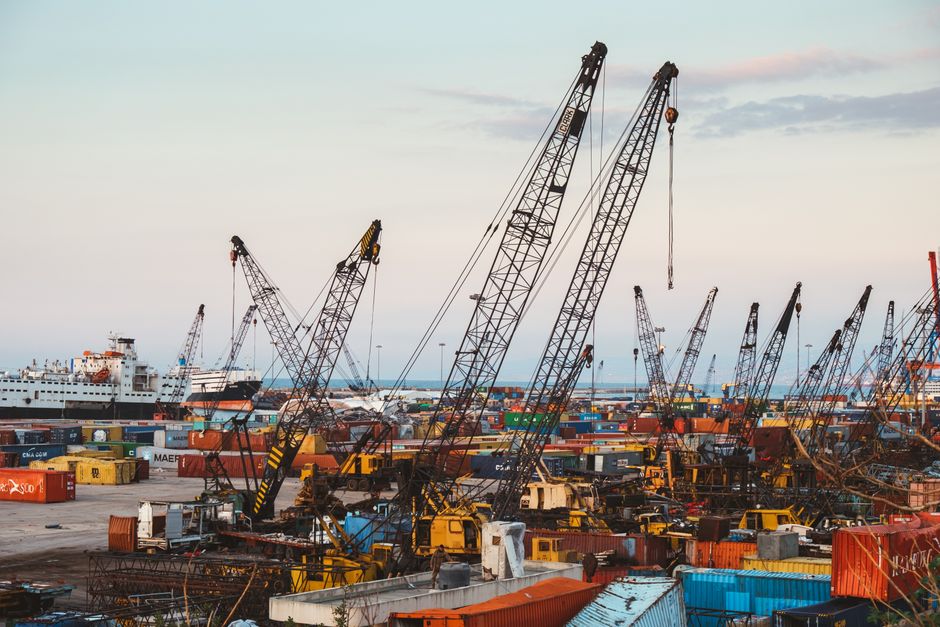
While the agreement is geographically distant, the Balkans have a strategic interest in its success due to the region's role as a transit hub. The Middle Corridor, which links China to Europe via Central Asia and the Caspian Sea, passes through or near Iran's sphere of influence. Enhanced trade between Iran and Pakistan could lead to increased logistical activity in the broader region, potentially benefiting Balkan ports such as Piraeus in Greece, which serves as a major gateway for Asian goods entering Europe. If trade volumes increase, the demand for efficient transit routes through the Balkans could rise, offering economic opportunities for logistics companies and infrastructure projects in the region.
Additionally, Balkan nations are closely monitoring the diplomatic shifts as they navigate their own foreign policy balances. Countries like Greece, Bulgaria, and Romania maintain strategic partnerships with NATO and the EU, but they also seek to expand trade ties globally. The strengthening of ties between Iran and Pakistan may prompt Balkan governments to reassess their engagement with the broader Middle East and South Asia. This could lead to new diplomatic initiatives aimed at fostering trade and cultural exchanges, leveraging the Balkans' historical connections with the Ottoman Empire and their modern role as a bridge between East and West.
Finally, the agreement's impact on global inflation and energy prices will directly affect Balkan economies, which are still recovering from post-pandemic and post-conflict economic shocks. Stable energy prices are vital for industrial production and household budgets in the region. By contributing to a more diversified and resilient global energy market, the Pakistan-Iran pact could help mitigate price volatility. Balkan policymakers will need to monitor these developments closely to ensure that their national energy strategies remain robust and that their economies can adapt to changing global trade patterns.
The signing of the trade agreement between Pakistan and Iran is a testament to the evolving nature of international relations, where economic pragmatism often drives diplomatic decisions. For the Balkans, this development is a reminder of the interconnectedness of the global economy. While the immediate effects may be subtle, the long-term implications for energy security, trade routes, and diplomatic alignment are significant. Readers in the region should watch for subsequent announcements regarding specific trade volumes and logistical improvements, as these will provide concrete indicators of the agreement's success. Ultimately, the stability and prosperity of the Balkans are influenced by global events, making it essential to stay informed about these international developments.



Comments