


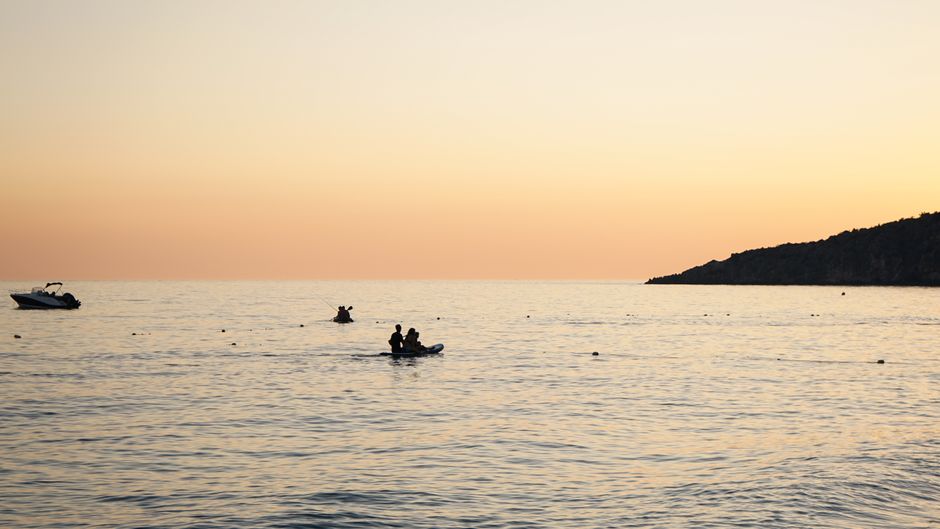
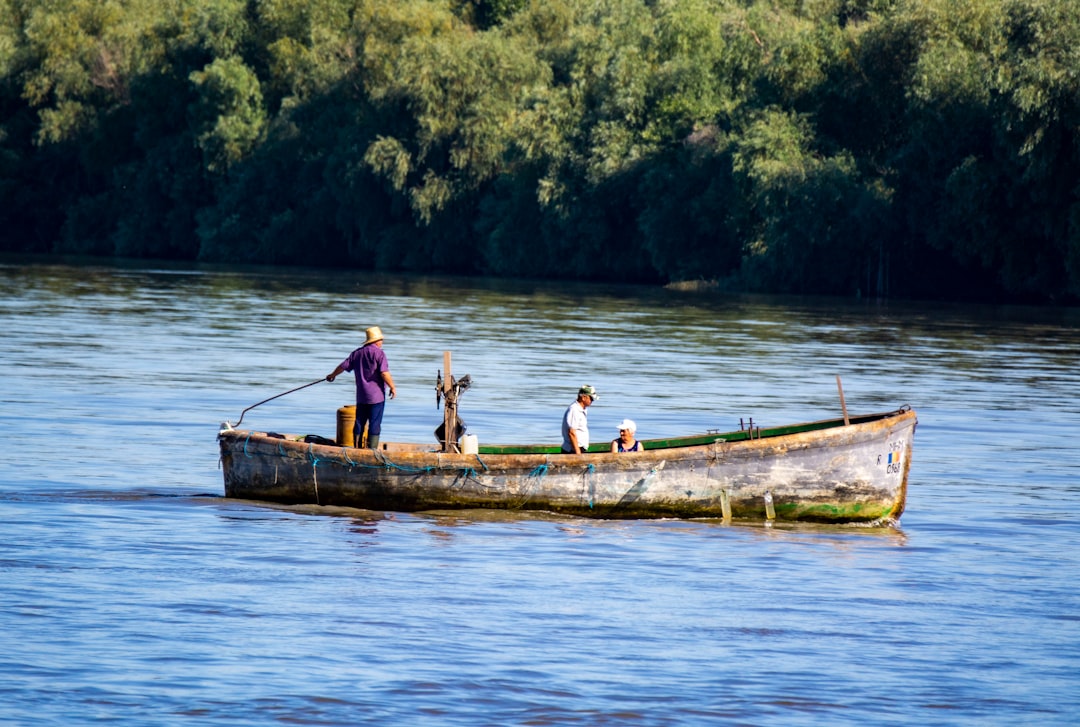
The salt crusted my eyelashes before I even realized I was crying. It wasn't emotion, exactly. It was the wind off the Adriatic Sea, whipping spray into my face as I bailed water from a plastic kayak that had seen better decades. I was thirty kilometers south of Tirana, deep in the jagged, sun-bleached throat of the Karaburun Peninsula. My guide, a local fisherman named Arben who spoke more in grunts and gestures than English, pointed a calloused finger toward a tangle of reeds and said, "There. The birds. Watch." I watched. I also watched the hull of my kayak scrape against submerged limestone, a reminder that this wasn't a sanitized eco-tour. This was raw, briny, and entirely unscripted.
Most travelers to Albania chase the turquoise coast of Sarandë or the party vibe of Durrës. They miss the peninsula's true character because they stay on the asphalt. Karaburun is a land of stark contrasts: crumbling Ottoman ruins, dense Mediterranean scrub, and salt pans that have been harvested since Roman times. To kayak here is to surrender to the elements. The water is cold, the currents are tricky, and the salt flats shimmer with an almost hallucinogenic quality in the midday heat. It is not pretty in the postcard sense. It is alive, harsh, and utterly unforgettable.
History & Identity
The Karaburun Peninsula is a geological outlier, jutting into the Adriatic like a broken tooth. For centuries, it served as a strategic choke point for Mediterranean trade routes. The name itself derives from the Arabic Qaraburun, meaning "black cape," referring to the dark cliffs that guard its southern tip. During the Ottoman era, the region was a hub for salt production, a commodity as valuable as gold. The salt pans you see today, with their geometric pools and crystalline crusts, are the remnants of that ancient industry.
In the 20th century, Karaburun became a fortress. Under Enver Hoxha's communist regime, the entire peninsula was a restricted military zone. No civilians were allowed. Beaches were mined. Villages were abandoned. This isolation preserved the landscape but left a scar on the local culture. Today, the peninsula is reopening, but the silence remains. When you paddle through the salt marshes, you are navigating a place that was deliberately hidden from the world for fifty years. The ruins of military bunkers dot the shoreline, half-buried in sand, a surreal backdrop to your paddling journey.
Where to Go
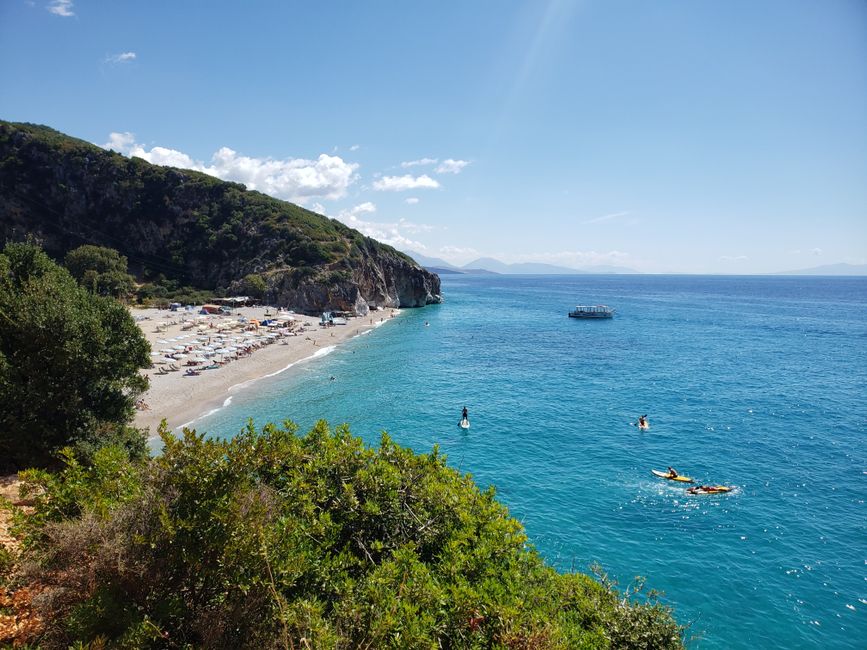
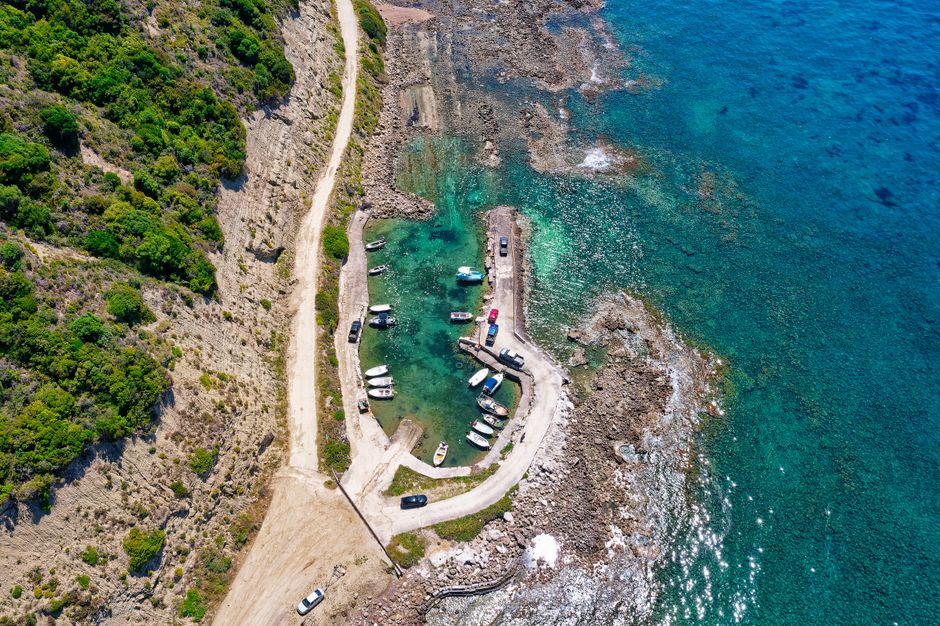
Karaburun National Park — The crown jewel of the peninsula, this protected area encompasses the southern tip and the surrounding waters. It is a biodiversity hotspot, home to rare bird species and marine life. The cliffs here are dramatic, rising steeply from the sea. Kayaking along the coast offers views that are impossible to get from the road. Entry to the park is free, but respect the boundaries. Some areas are still sensitive due to historical military use. Best visited in the early morning to avoid the midday heat and catch the wildlife at their most active.
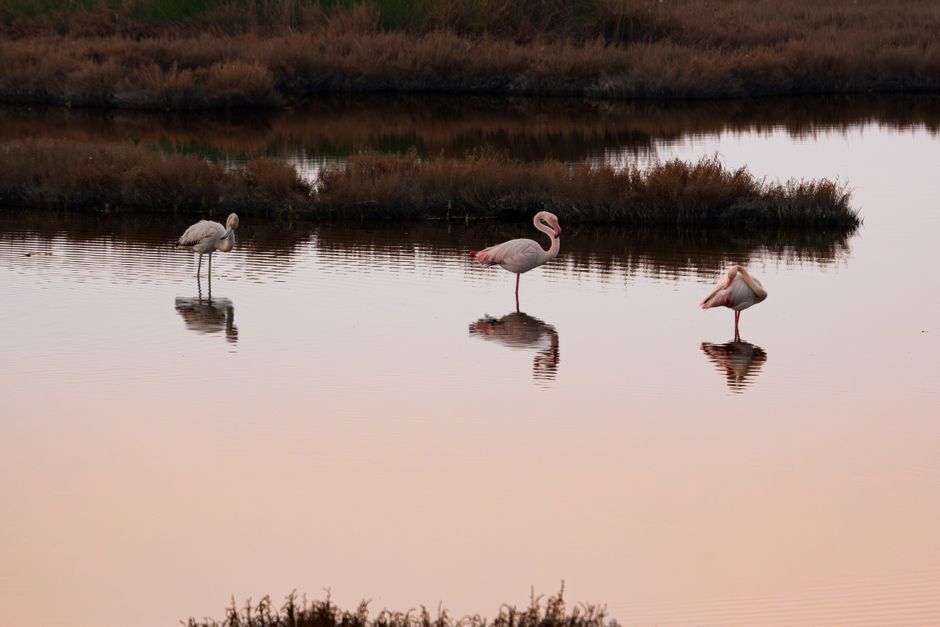
Karavasta Lagoon — While technically just north of the peninsula, this vast wetland system is often included in kayaking itineraries due to its proximity and ecological significance. It is a migratory bird paradise, with thousands of flamingos, pelicans, and herons. The water is shallow and calm, perfect for beginners. The salt pans here are still in use, and you can see the traditional harvesting methods in action. Hire a local guide to navigate the best channels and spot the birds. The silence here is profound, broken only by the splash of oars and the cry of gulls.
Karaburun Lighthouse — Perched on the southernmost point of the peninsula, this historic lighthouse has guided ships since the 19th century. It is a stark white structure against the blue sky, a symbol of resilience. You can kayak around its base, but swimming near it is prohibited due to strong currents. The views from the water are spectacular, with the open Adriatic stretching to the horizon. It is a perfect spot for a mid-paddle break, though there are no facilities here. Bring your own water and snacks.
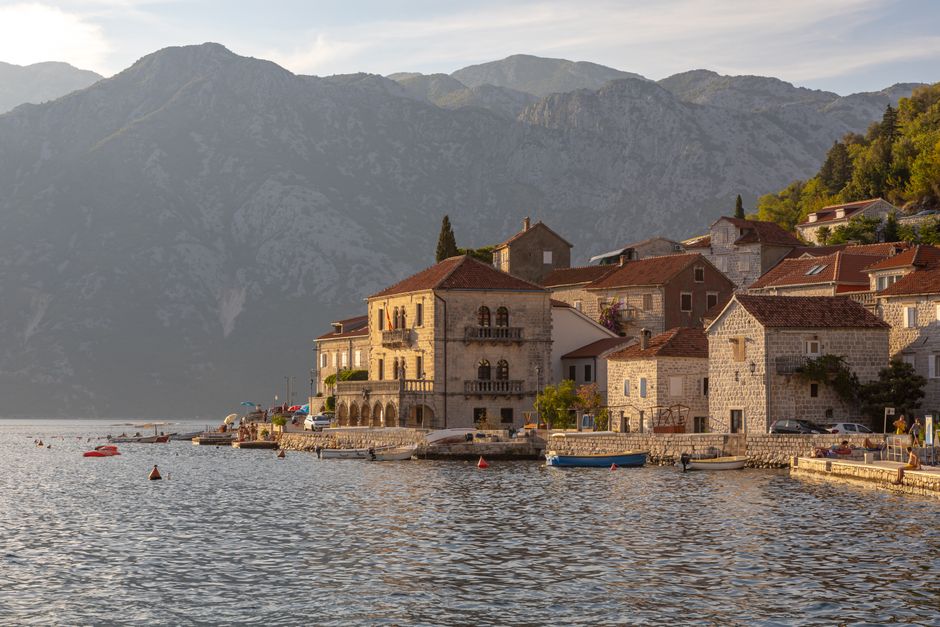
Qeparo Village — A traditional fishing village perched on the northern side of the peninsula, Qeparo is a charming stop before or after your kayaking trip. The stone houses, narrow streets, and local tavernas offer a glimpse into Albanian coastal life. It is less touristy than other spots on the Riviera, retaining an authentic atmosphere. Visit the local market for fresh seafood and produce. The harbor here is a good starting point for guided kayak tours into the nearby coves and bays.
Rovinj Island — Wait, no. That's Croatia. Do not make that mistake. Instead, head to Karaburun Island, a small, uninhabited islet just off the peninsula's coast. It is a protected nature reserve, home to sea turtles and rare plants. Kayaking to the island is a short but rewarding trip. You can anchor your kayak and explore the rocky shores, but camping is strictly forbidden. The island is a sanctuary, and visitors are expected to leave no trace. It is a place of quiet reflection, far from the noise of the mainland.
What to Eat & Drink
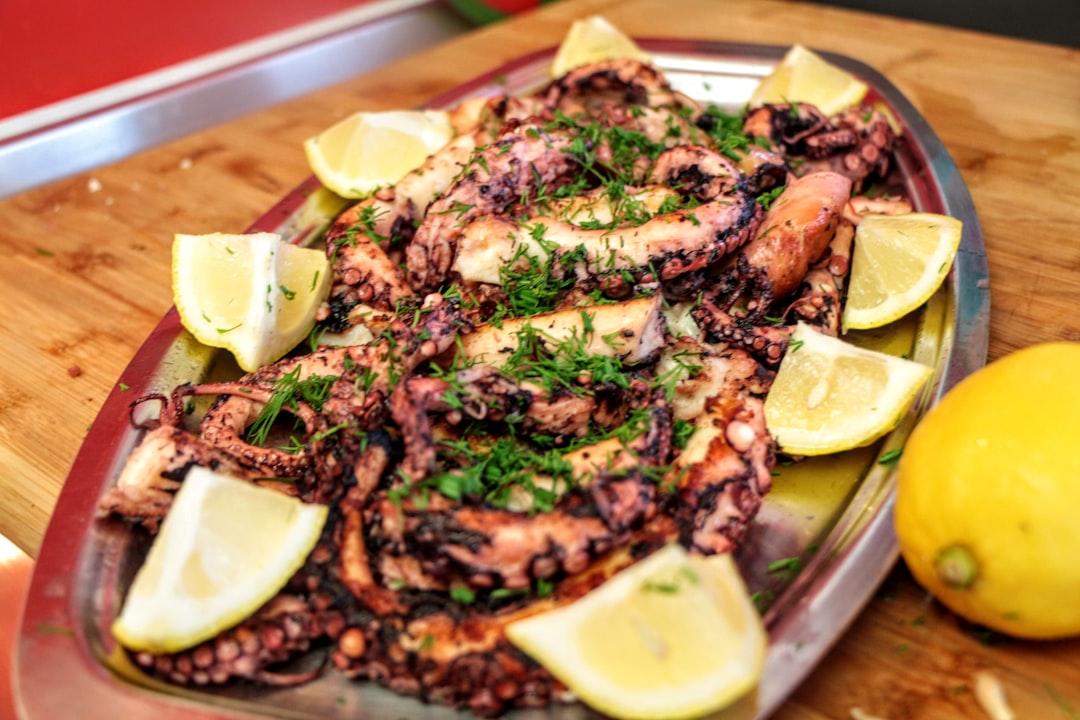
Eating in Karaburun is an experience in simplicity and freshness. The local cuisine is dominated by seafood, harvested daily from the Adriatic. Octopus is a staple, often grilled or served in a salad with lemon and olive oil. Expect to pay 8-12 EUR for a generous portion. Sea bass is another favorite, usually grilled whole and served with potatoes and herbs. A whole fish for two people will cost around 15-20 EUR.
For a lighter meal, try grilled squid, a popular street food item. You can find it at local tavernas or beach bars, priced at 5-8 EUR per serving. Fava, a yellow split pea puree, is a traditional Albanian dish that pairs well with seafood. It is creamy, flavorful, and inexpensive, costing about 3-5 EUR. Vegetables are fresh and abundant, with grilled zucchini and eggplant common sides.
Budget breakdown: Street food and take-away options like grilled octopus or sandwiches can be had for 5-8 EUR per meal. A sit-down meal at a local taverna with seafood and drinks will cost 15-25 EUR per person. Mid-range restaurants with a view of the sea may charge 25-40 EUR. For budget travelers, look for local markets or small family-run eateries in Qeparo or Karaburun village. Avoid the tourist traps on the main road, where prices are inflated.
The main food street is in Karaburun village, where a cluster of tavernas line the harbor. Gjiri i Lalaçit is a small bay with a few beach bars serving fresh fish and cold beers. For take-away, visit the local fish market in Vlorë, the nearest city, where you can buy fresh seafood to cook yourself. Food courts are rare in this region, so rely on local eateries and markets.
Nightlife
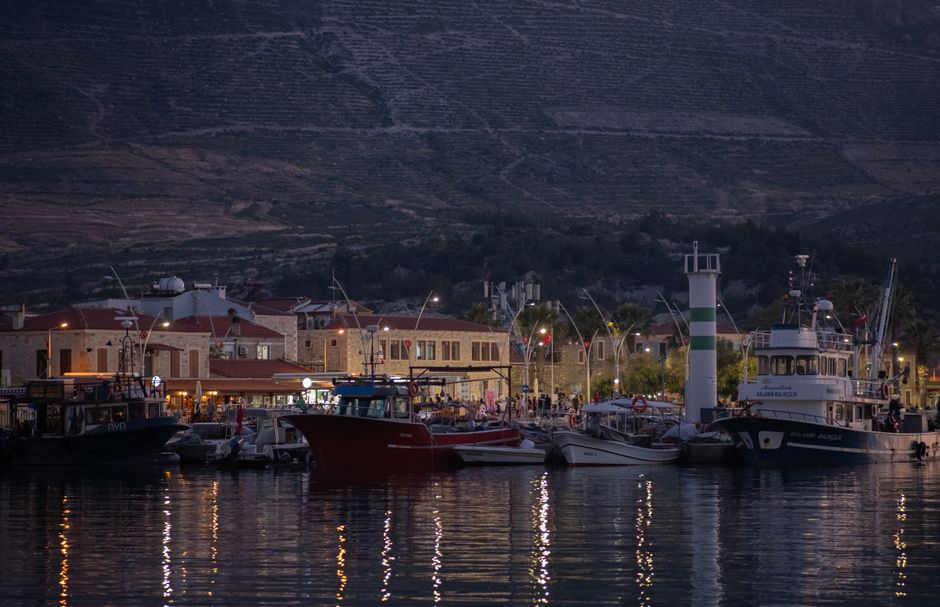
Nightlife in Karaburun is not what you might expect. There are no clubs or bars with loud music. The peninsula is quiet, even in the summer. The main social hub is in Karaburun village, where a few tavernas stay open late. Restaurant Marina is a popular spot for locals and tourists alike, offering live music on weekends. The atmosphere is relaxed, with people sitting outside, drinking raki and talking. Bar Kala is another option, located near the castle ruins. It has a small terrace with views of the sea, perfect for a sunset drink.
For a more vibrant scene, head to Vlorë, the nearest city. The waterfront area has several bars and clubs, including Club Vibe and Bar Porto. These places cater to a younger crowd, with electronic music and dancing. Cover charges are low, usually 5-10 EUR, and drinks are reasonably priced. However, the vibe is different from the peninsula. Karaburun is about quiet evenings, stargazing, and the sound of the waves. If you want partying, go to Vlorë. If you want peace, stay in Karaburun.
Getting There & What to Expect
The nearest major airport is Tirana International Airport Nënë Tereza, located about 100 kilometers north of Karaburun. From Tirana, you can take a bus to Vlorë, the closest city, which takes about 2.5 hours and costs 5-8 EUR. From Vlorë, you can hire a taxi or a private transfer to Karaburun village, which takes about 45 minutes and costs 20-30 EUR. Alternatively, you can rent a car in Tirana or Vlorë, which gives you more flexibility. The road to Karaburun is winding and scenic, but drive carefully.
Kayak rentals are available in Karaburun village and Qeparo. Prices range from 15-25 EUR per hour for a single kayak, or 30-50 EUR for a guided tour. Equipment includes a paddle, life jacket, and waterproof bag. Guides are recommended, especially for beginners, as they know the best routes and can spot wildlife. The best time to visit is from May to October, when the weather is warm and the sea is calm. July and August are the busiest months, so book in advance.
Accommodation options are limited. Budget hostels and guesthouses in Karaburun village cost 20-40 EUR per night. Mid-range hotels and apartments range from 50-100 EUR per night. Camping is possible in designated areas, but facilities are basic. Bring your own tent, sleeping bag, and food. Typical meal prices in local tavernas are 10-20 EUR per person. Expect a raw, unpolished experience. This is not a luxury destination. It is a place for adventurers who value nature over comfort.
Search accommodation in Karaburun on Booking.com →
The Salt in Your Veins
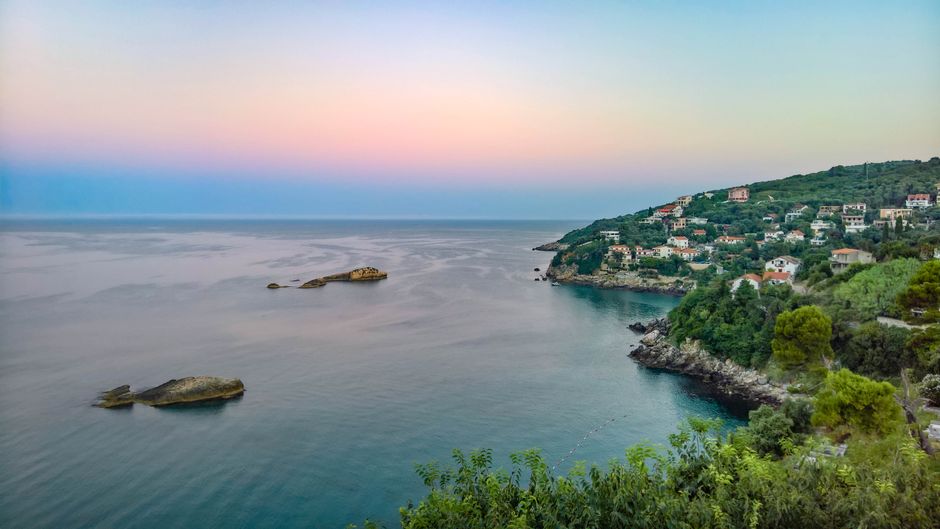
As the sun dipped below the horizon, painting the sky in shades of orange and purple, I realized I didn't want to leave. The salt on my skin was a badge of honor. The silence of the marshes was a gift. In a world that is increasingly loud and chaotic, Karaburun offered a rare moment of clarity. It was not easy. It was not comfortable. But it was real. And in the end, that is what travel is all about. Not the perfect photos, but the moments that change you. Paddling through the salt marshes of Karaburun is one of those moments. It is a reminder that the world is still wild, and that we are small within it. So go. Get salty. And listen to the birds.
Comments