


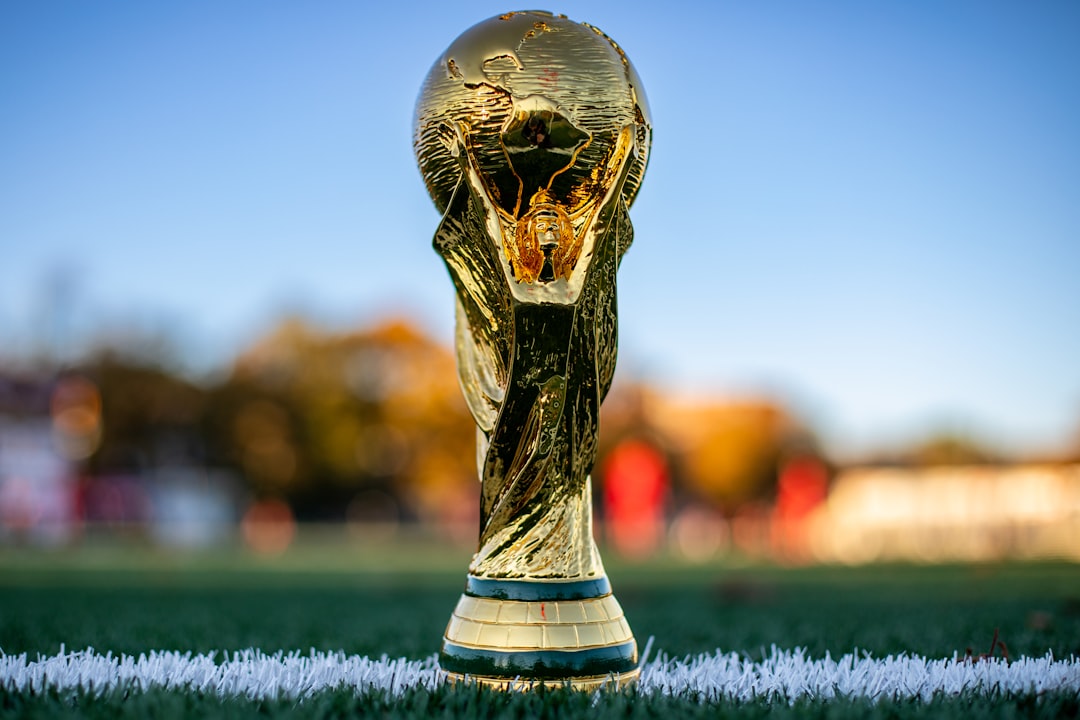
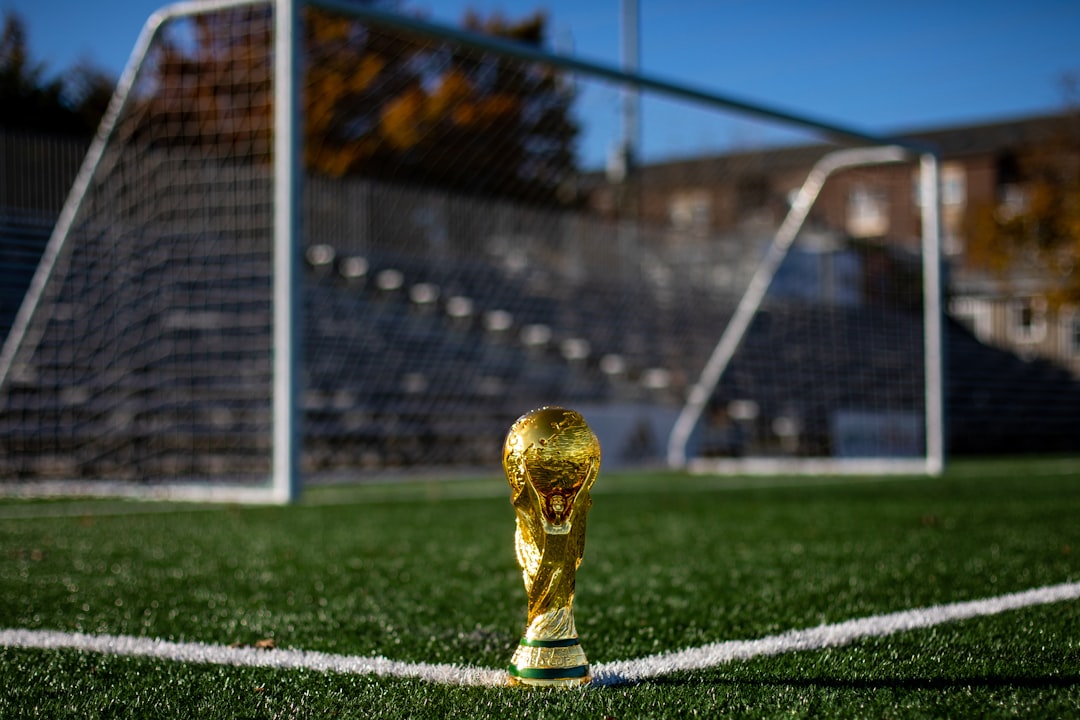
The search query "world cup games tomorrow" has surged in popularity, reflecting a common misconception among football fans regarding the current international match schedule. As of today, there are **no FIFA World Cup matches scheduled for tomorrow** or any immediate future dates. The most recent FIFA World Cup concluded in December 2022, with Argentina defeating France in a dramatic final in Qatar. The next edition of the tournament will not take place until November 2026, hosted jointly by the United States, Canada, and Mexico. This gap in the calendar often leads to confusion, with fans mistaking other major international competitions, such as the UEFA Nations League or CONCACAF Gold Cup, for World Cup qualifiers or finals.
For audiences in the Balkans and beyond, it is essential to distinguish between the World Cup and other high-profile tournaments. While the global spotlight is currently on club competitions like the UEFA Champions League and Europa League, international windows are reserved for continental qualifiers and friendly fixtures. The confusion likely stems from the high volume of search traffic related to major tournaments, where users may be seeking information on upcoming friendlies or regional championships that feature national teams from Europe, South America, and Asia.
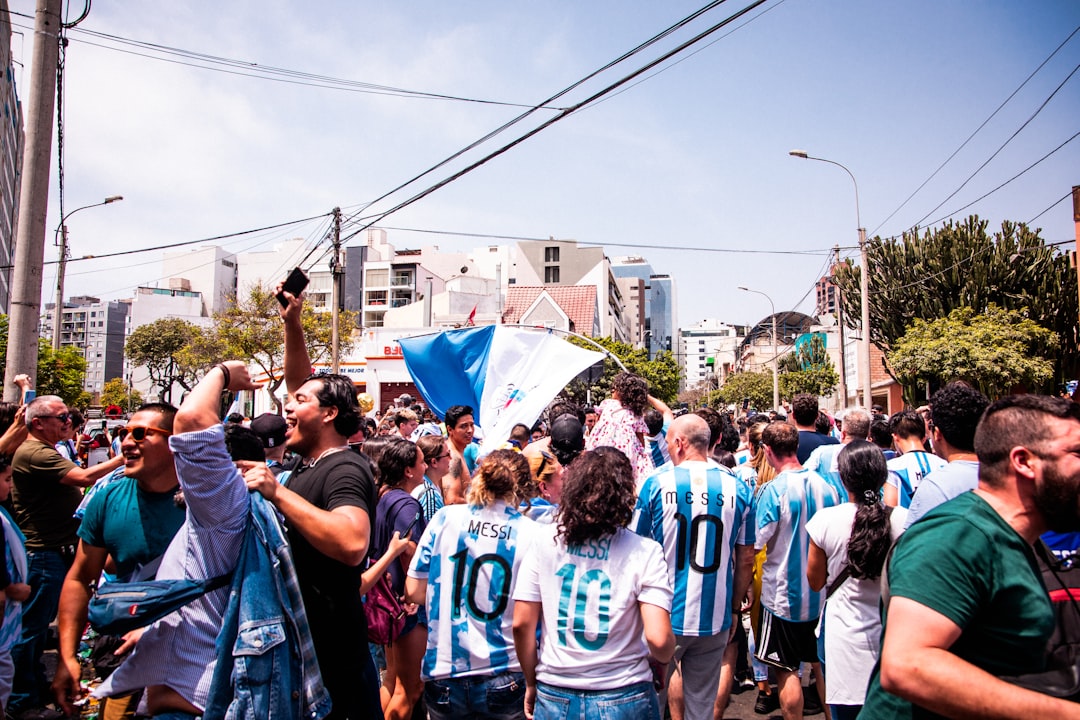
The Next FIFA World Cup: 2026 Expansion and Host Nations
The next FIFA World Cup, scheduled for 2026, marks a historic shift in the tournament's format. For the first time, the competition will expand from 32 to **48 teams**, increasing the number of matches from 64 to 104. This expansion aims to provide greater global representation and commercial growth. The tournament will be hosted by three North American nations: the United States, Canada, and Mexico. This tripartite hosting arrangement is unprecedented in the tournament's history and will see matches played across 16 cities, including iconic venues like MetLife Stadium in New York and BMO Field in Toronto.
For Balkan nations, the 2026 World Cup presents both challenges and opportunities. The expanded format means more spots are available, but the increased number of participating teams also intensifies the qualification process. Teams from the UEFA confederation will face tougher competition in their regional qualifiers. Nations such as Serbia, Croatia, Romania, and Bulgaria are actively preparing their squads for the qualifying campaigns that will begin in earnest in 2025. The increased slots may allow more Balkan teams to reach the final tournament, but the higher standard of play globally means that consistency and tactical evolution are more critical than ever.
The logistics of the 2026 World Cup are also a major focus for FIFA. With matches spread across three countries and multiple time zones, scheduling will be complex. Fans in Europe and the Balkans should anticipate some matches being played during late-night or early-morning hours due to the time difference with North America. However, the majority of group stage matches are expected to be scheduled to accommodate global television audiences, including prime-time slots in Europe and Asia.
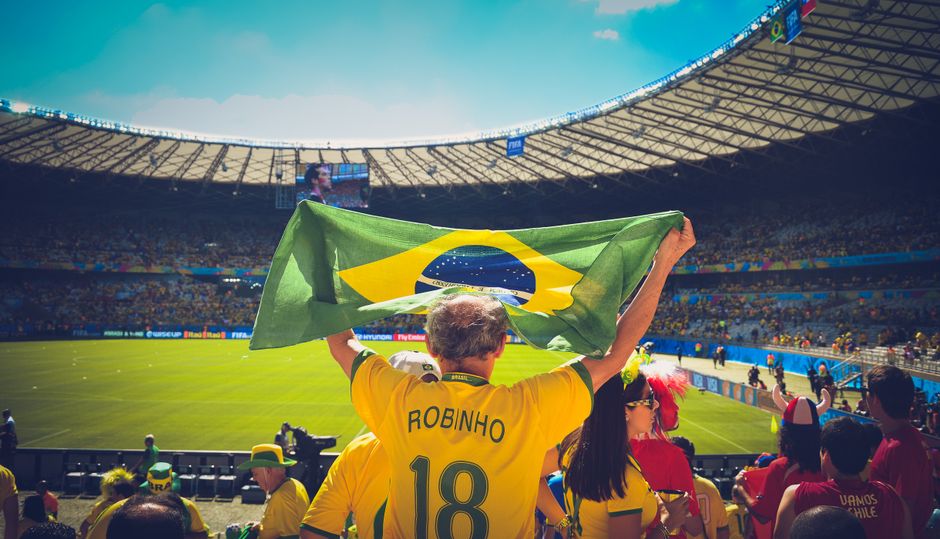
Current International Football: What Fans Are Actually Watching
While there are no World Cup games, international football remains active through other major competitions. The UEFA Nations League is the primary international tournament for European nations, featuring teams from the Balkans competing in a league format that offers promotion and relegation stakes. Additionally, national teams participate in friendly matches during international windows, which serve as preparation for future qualifiers and tournaments. These friendlies often feature emerging talent and tactical experiments, providing valuable insights for fans and analysts.
In other regions, tournaments like the CONCACAF Gold Cup in North America and the Copa América in South America draw significant attention. These competitions feature top-tier national teams and often include star players who are also key figures in club football. For Balkan fans, following these tournaments can provide a broader perspective on global football trends and the performance of players who may have connections to European clubs.
The confusion surrounding "world cup games tomorrow" also highlights the importance of reliable information sources. Fans are advised to consult official FIFA and UEFA websites for accurate schedules. Social media platforms often amplify rumors or outdated information, leading to misinformation. By verifying match dates and times through authoritative channels, fans can avoid disappointment and stay informed about the actual fixtures involving their favorite teams.
Why the Confusion Persists and What to Watch Next
The persistent search for "world cup games tomorrow" underscores the enduring popularity of the FIFA World Cup as the premier football event. Its quadrennial schedule creates a cyclical pattern of anticipation and disappointment, with fans often eager for the next major tournament. This phenomenon is not unique to the Balkans but is a global trend, reflecting the deep emotional connection fans have with international football. The lack of a World Cup in the current cycle means that other competitions must fill the void, but none carry the same prestige or global reach.
For Balkan audiences, the focus should shift to the upcoming qualification campaigns for the 2026 World Cup and the 2028 UEFA European Championship. These tournaments offer immediate stakes and opportunities for national teams to showcase their talent. Fans should also pay attention to the performance of Balkan players in European club competitions, as their success on the club stage often translates to international recognition and improved team dynamics.
In conclusion, while there are no World Cup games scheduled for tomorrow, the football calendar remains rich with other significant events. The 2026 World Cup is still two years away, but the preparation and qualification processes are already underway. Fans are encouraged to stay informed through official sources and to appreciate the diverse range of international competitions that keep the sport vibrant throughout the year. The next time a major tournament approaches, the excitement will be palpable, but for now, the focus is on the ongoing journeys of national teams across all continents.

Comments