


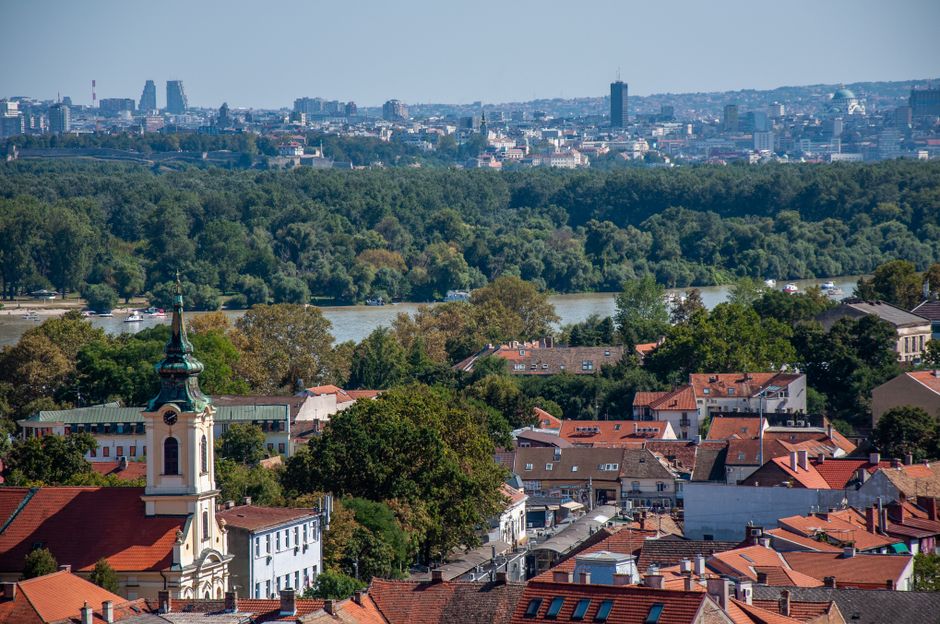
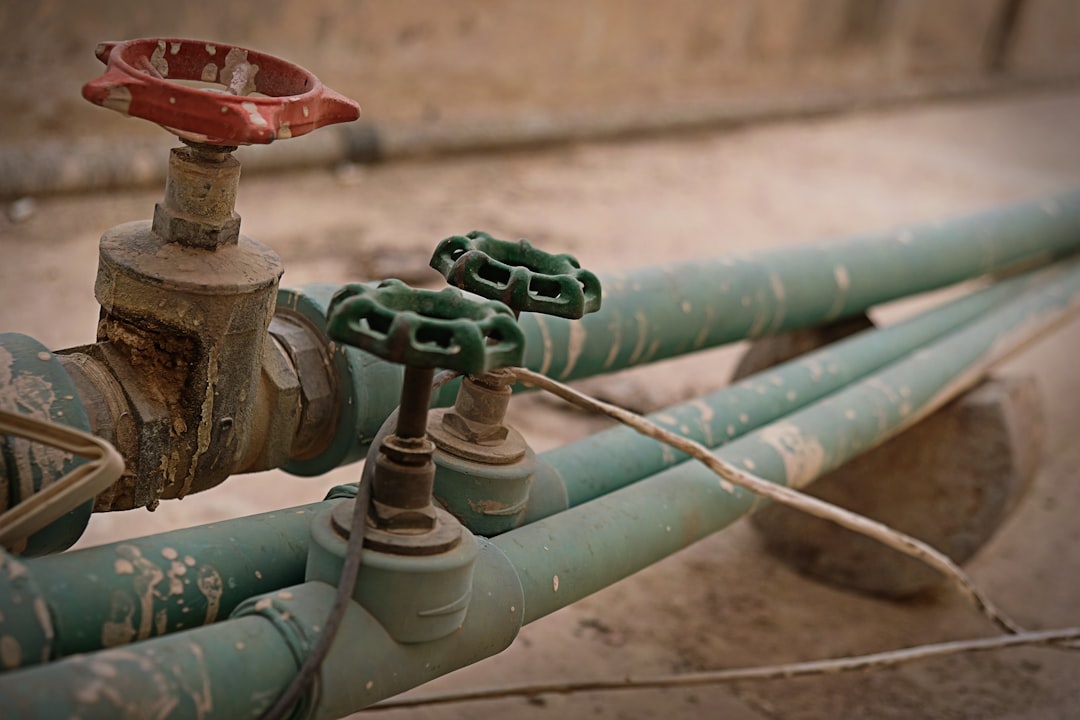
Residents of the Novo Naselje district in Novi Sad, Serbia's second-largest city, faced significant disruptions to their daily routines this week due to sudden water pressure drops. The local utility provider, JP Vodovod i Kanalizacija Novi Sad, announced emergency maintenance works to address technical failures within the distribution network. These repairs, scheduled to last approximately four hours, were necessary to restore normal water flow and prevent further instability in the supply system. The incident has reignited discussions about the resilience of urban infrastructure in the Vojvodina region as the city prepares for the upcoming summer season, where water demand typically peaks.
The disruption affected thousands of households in the Novo Naselje area, a densely populated residential zone known for its post-war architectural style and high number of multi-story apartment blocks. Low water pressure in such buildings often renders upper floors completely without water, causing immediate inconvenience for residents. The utility company issued warnings advising inhabitants to store water for essential needs during the repair window. This event underscores the ongoing challenges faced by municipal services in maintaining consistent utility delivery across older urban sectors that have not undergone comprehensive modernization in recent decades.
Infrastructure Challenges in Rapidly Growing Novi Sad
Novi Sad has experienced a construction boom in recent years, driven by population growth and increased investment in urban development. While new neighborhoods benefit from modern utility installations, older districts like Novo Naselje rely on aging pipe networks that are prone to wear and tear. The water supply system in Serbia has long faced issues with leakage rates and infrastructure decay, problems that are exacerbated by seasonal temperature changes and high usage periods. The recent pressure drop is a symptom of these broader systemic issues, highlighting the gap between rapid urban expansion and the capacity of existing municipal infrastructure.
Municipal authorities have acknowledged the need for continuous investment in water network rehabilitation. The current repairs are part of a larger maintenance schedule aimed at preventing more catastrophic failures, such as major pipe bursts that can lead to prolonged outages and water quality issues. By addressing these technical faults proactively, the utility provider aims to minimize the duration of service interruptions. However, residents have expressed frustration over the frequency of such announcements, calling for more transparent communication and faster resolution times to mitigate the impact on their daily lives.
Summer Preparedness and Regional Context
As summer approaches, water consumption in Novi Sad and surrounding areas is expected to rise significantly. Increased demand for irrigation, cleaning, and personal use places additional strain on the distribution network. The recent incident serves as a critical reminder for utility companies to ensure that systems are fully operational before the peak season begins. In neighboring Balkan countries, similar challenges have been observed, where heatwaves and drought conditions have tested the limits of water management capabilities. For instance, parts of Belgrade and Zagreb have also reported periodic supply issues during dry spells, reflecting a regional need for improved water conservation and infrastructure resilience.
The Vojvodina region, despite its reputation for abundant water resources from the Danube and Tisza rivers, faces distribution inefficiencies that affect end-users. The contrast between available water sources and reliable household delivery remains a key policy issue. Local governments are increasingly focusing on smart water metering and leak detection technologies to reduce non-revenue water and improve service reliability. The recent maintenance work in Novo Naselje is a small but indicative step in this direction, although critics argue that more comprehensive, long-term solutions are required to address the root causes of supply instability.

Looking ahead, the focus will be on whether these emergency repairs successfully stabilize the network in Novo Naselje and prevent recurrence in the coming months. Residents will be monitoring the situation closely, particularly as temperatures rise and water usage increases. The incident highlights the importance of robust infrastructure maintenance in ensuring quality of life in growing urban centers like Novi Sad. For Balkan audiences, it serves as a reminder of the shared challenges in modernizing public utilities to meet contemporary demands. Continued investment and proactive management will be essential to avoid similar disruptions and ensure a reliable water supply for all inhabitants.



Comments