


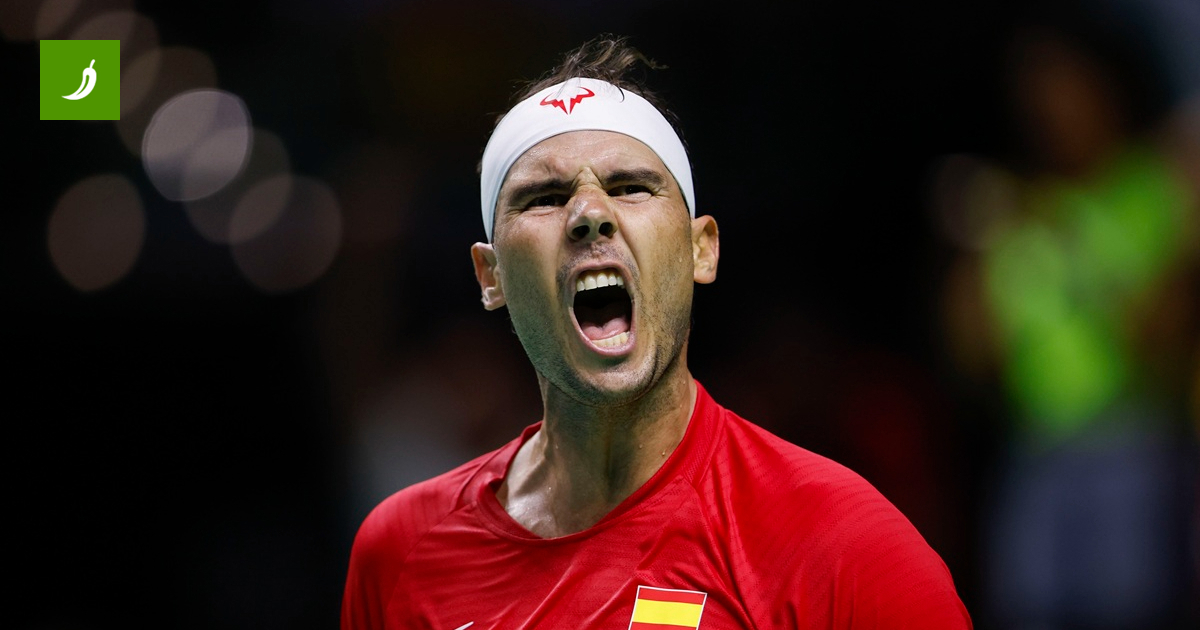
Rafael Nadal, one of the greatest tennis players of all time and a 22-time Grand Slam champion, shares intimate details about his struggles with injuries, chronic pain, and mental health in the new Netflix documentary 'Rafa', which premieres on May 29.
Life Under the Cameras
Nadal explains that he agreed to filming only at the end of his career, mainly due to the need for the people around him to adjust to the constant presence of cameras. "I am more accustomed, perhaps not in my private life, but in a certain way, I am more exposed. The people around me, until they get used to it, find it a bit more difficult," he said.
Nadal emphasized that he was entirely open in the documentary because it would not have made sense otherwise. "I was aware of what I was saying. If I wanted to tell something that wasn't true, why even film it? My story has already been told and seen over the years on the courts during 20 years of playing. So, to film a story about success, about what my career was, I don't think it would have made sense. The point was to tell something else."
A Body Mapped by Injuries
The documentary vividly portrays the physical struggle Nadal endured. "You can't understand my career without the story of the phases I went through in terms of physical problems. People get a glimpse into what the daily life of a professional tennis player is like, especially one with chronic issues like I had from the start of my career," Nadal explained.
He attributes the root of all his problems to a foot injury from 2005. "The solution that allowed me to continue playing was the graft that saved that foot. But it threw off the rest of my body. I think that's where all my problems began, even though it was that solution that enabled me to have a long career. Something that in 2005, when I was 19, seemed like the end for a few months."
Decisions That Saved His Career
Nadal recalls the situation before 2012 when his doctor advised him not to play at Indian Wells due to the risk of ending his career. He decided to play, which he now considers crucial. He also explained taking responsibility for taking anti-inflammatory medication, despite his team's objections.
"There was a time when I lived with constant pain. There were many days when I argued with the physiotherapist about whether I should take anti-inflammatory medication. In the end, I said that I would decide when to take them and when not to. It was uncomfortable to keep asking when I knew the person on the team didn't agree. From my perspective, it was either that or I wouldn't play tennis. I know it's harmful to the body, but because of taking so many medications, I have two perforations in my veins. But if it hadn't been that way, my career would have been completely different," Nadal was candid.
A Mental Health Crisis
One of the most shocking details he revealed was a severe mental health crisis in 2015. "I had an episode that lasted a year. It was hard to control what I had controlled my entire life. At one point, it's one thing not to control your emotions on the field, and quite another to have to walk around with a bottle of water because otherwise, you would choke on your own saliva," Nadal recounted.
"Then I said, 'Okay, I have a problem, I need to find experts.' I went to a psychologist and then a psychiatrist. They gave me medication that allowed me to recover over months. It was like that," Nadal said, dismissing claims that the psychiatrist recommended engaging Carlos Moyá. "The story about Carlos Moyá is a little different. At one point, it was decided that I needed additional motivation in the team."



Comments