


Former Turkish parliamentarian and prominent opposition figure **Musavat Dervişoğlu** has ignited a fierce political storm after calling for a mass rally in Ankara’s **Tandogan Square**, a site historically synonymous with the military and state power. The event, held in a crowded salon, saw attendees rise to their feet in applause as Dervişoğlu urged supporters to challenge the government’s narrative directly in the heart of the capital. This bold move has reignited debates about freedom of assembly and the limits of political protest in Turkey, drawing attention from international observers and domestic critics alike.
Dervişoğlu, known for his sharp rhetoric and unwavering stance against the ruling Justice and Development Party (AKP), has become a polarizing figure in Turkish politics. His call for a Tandogan rally is not just a political statement but a symbolic challenge to the status quo. The location itself, **Tandogan Square**, has been a focal point for protests and demonstrations over the years, making it a potent symbol of resistance. As tensions rise, the move has drawn both admiration from supporters and condemnation from government officials.
The Political Context: A Clash of Ideologies
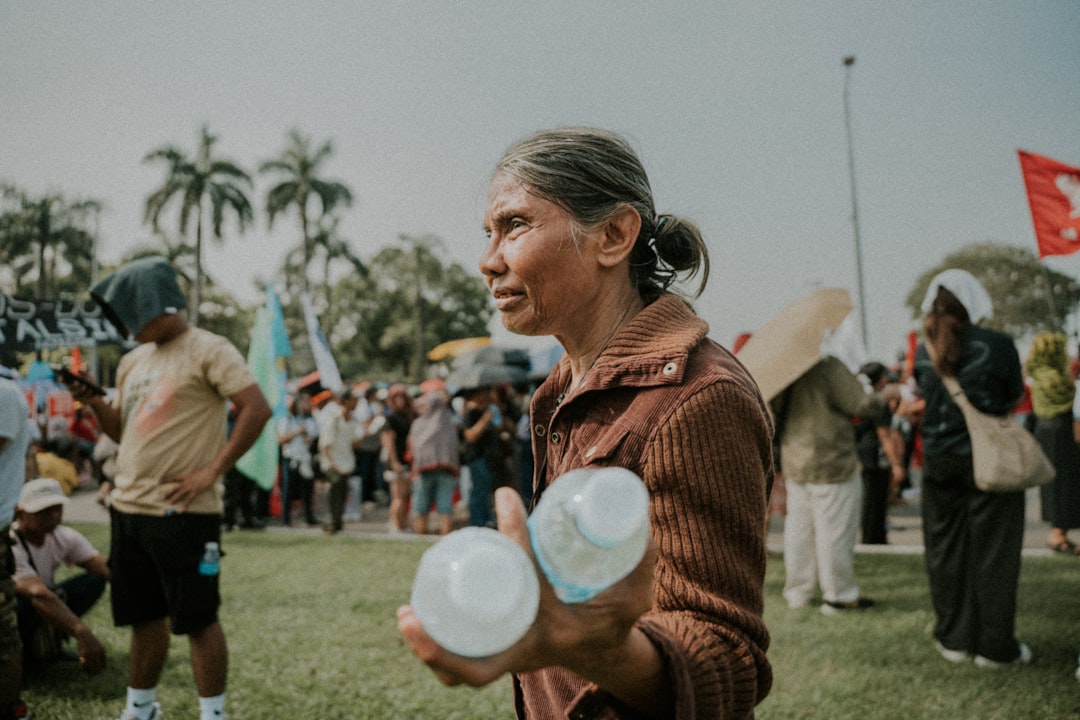
The call for a Tandogan rally comes at a time when political tensions in Turkey are at an all-time high. Dervişoğlu, a former member of the Republican People’s Party (CHP), has been a vocal critic of the government’s policies, particularly its handling of economic issues and civil liberties. His speech, which emphasized the need for unity and collective action, resonated with many who feel marginalized by the current political climate. The event was attended by hundreds of supporters, who listened intently as Dervişoğlu outlined his vision for a more democratic and equitable Turkey.
The government’s response has been swift and harsh. Officials have condemned the rally as an attempt to destabilize the country and have warned against any unauthorized gatherings. The Turkish government has a history of cracking down on protests, particularly those that challenge its authority, and this latest incident is likely to follow a similar pattern. Critics argue that such actions are a violation of basic democratic rights and are further eroding trust in the government.
The international community has also taken note of the situation. Human rights organizations have expressed concern over the potential for repression and have called for a peaceful resolution. The European Union, in particular, has been vocal about its support for democratic values and has urged Turkish authorities to respect the right to assembly. The situation remains fluid, with both sides digging in their heels and the potential for escalation looming large.
The Balkan Angle: Regional Implications
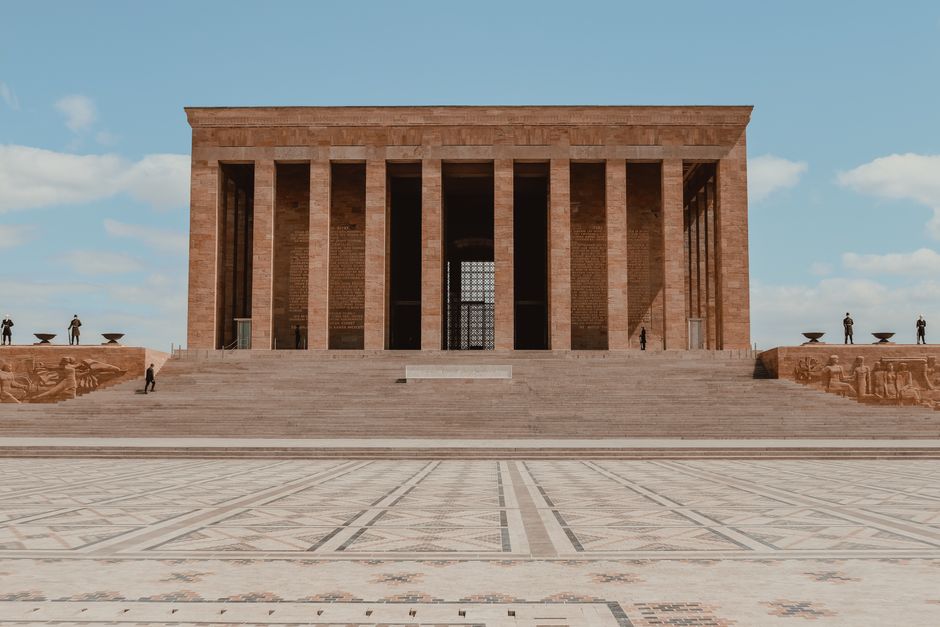
While the rally is primarily a domestic issue, its implications extend beyond Turkey’s borders, particularly to the Balkan region. Turkey has historically played a significant role in Balkan politics, and any internal instability can have ripple effects across the region. The Balkans, with their own complex political landscapes, are closely watching the situation in Turkey, as it could influence regional dynamics and alliances.
The Balkan countries, including Greece, Bulgaria, Serbia, and Romania, have their own challenges with political polarization and social unrest. The situation in Turkey serves as a cautionary tale and a point of reference for these nations. Leaders in the Balkans are likely to be monitoring the situation closely, as it could impact their own political strategies and relationships with Turkey. The region’s stability is intertwined with Turkey’s internal affairs, and any significant developments in Ankara could have far-reaching consequences.
Moreover, the Balkans have a history of ethnic and religious diversity, and the situation in Turkey could resonate with communities across the region. The call for a Tandogan rally, with its emphasis on unity and resistance, could inspire similar movements in the Balkans, where political dissent is often met with similar repression. The region’s leaders will need to navigate this delicate balance, ensuring that their own political systems remain stable while respecting the rights of their citizens.
What to Watch For Next
The coming days will be critical in determining the outcome of this political showdown. The government’s response to the rally call will be a key indicator of its stance on civil liberties and political dissent. If the authorities proceed with a crackdown, it could lead to further unrest and international condemnation. On the other hand, if they allow the rally to proceed, it could signal a shift in their approach to political opposition.
Supporters of Dervişoğlu are likely to mobilize quickly, and the scale of the rally will be a significant factor in the political landscape. A large turnout could boost the opposition’s morale and strengthen their position in future elections. Conversely, a lack of participation could weaken their stance and embolden the government. The situation is also likely to influence public opinion, with both sides using the event to rally their base and discredit their opponents.
For the Balkan region, the situation in Turkey is a reminder of the interconnectedness of political systems and the potential for regional instability. Leaders in the Balkans will need to remain vigilant and prepared to respond to any spillover effects. The coming weeks will be a test of resilience and diplomacy, as both Turkey and its neighbors navigate this complex and volatile period. The outcome of this political showdown could have lasting implications for the region’s stability and the future of democratic values in the Balkans and beyond.

Comments