


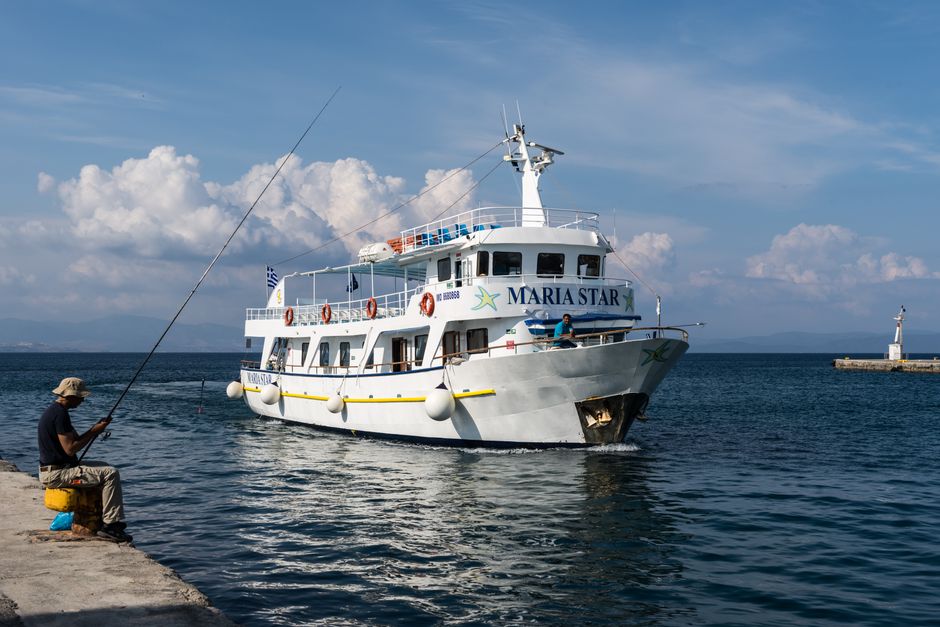
I stood in the freezing drizzle at the port of Ouranoupoli, watching a ferry cut through churning grey water toward the edge of the world. My knuckles were white on the railing, clutching a plastic bag containing three days of rations and a crumpled parchment permit. The air smelled of diesel, wet wool, and centuries of incense. Around me, a dozen other men shuffled like pilgrims in a biblical fever dream, adjusting backpacks and checking watches. No women. No phones. No modern noise. Just the relentless slap of waves against the hull and the looming silhouette of the peninsula that has forbidden female entry for a thousand years. This isn't a vacation. It is an intrusion into a living museum of Orthodox spirituality, and the moment the boat docked at the tiny port of Daphne, I felt the weight of history pressing down on my shoulders like a physical force.
The transition from the secular world to the Autonomous Monastic State of the Holy Mountain is abrupt. You don't just walk onto Mount Athos; you are vetted, stamped, and processed like contraband. The permit system, known as the diamonitirio, is the first test of patience. I had obtained mine months in advance through the Greek Ministry of Culture, a bureaucratic hurdle that filters out the casual tourist. As we disembarked, Greek soldiers in olive drab uniforms inspected our documents with the precision of border guards at a Cold War checkpoint. There was no smiling, no small talk. Just a stamp, a nod, and the instruction to board the local bus. The silence that followed was deafening. We were no longer in Greece, not really. We were in a theocratic republic where the clock ticks slower, and the rules are written by monks who haven't seen a television in decades.
History & Identity
The history of Mount Athos is a testament to human stubbornness and spiritual devotion. Founded in the 10th century by Emperor Constantine VII and his son Basil II, the peninsula was granted autonomy to create a sanctuary for monks fleeing the political chaos of the Byzantine Empire. The charter, known as the Typikon, established the unique political structure that still governs the region today: a self-governing monastic community under the spiritual authority of the Ecumenical Patriarch of Constantinople and the civil jurisdiction of the Greek state. This delicate balance has allowed the monasteries to survive Ottoman rule, Greek independence, and modern secularization.
The identity of Mount Athos is defined by its isolation and its preservation of Byzantine traditions. The 20 monasteries on the peninsula are not just religious centers; they are fortresses of culture, art, and learning. Each monastery operates independently, governed by a community of monks who follow one of three systems: the cenobitic system, where monks live and work together; the idiorrhythmic system, where monks live individually but gather for worship; and the hesychast system, which emphasizes solitude and silent prayer. This diversity of monastic life creates a rich tapestry of spiritual practices, each with its own rituals, architecture, and artistic heritage.
The peninsula's strategic location at the tip of the Chalkidiki peninsula has also made it a target for invaders throughout history. From the Persians to the Ottomans, every conqueror has tried to break the will of the monks. Yet, the community has endured, adapting to changing times while maintaining its core traditions. Today, Mount Athos is a UNESCO World Heritage site, recognized for its cultural landscape and its role as a center of Eastern Orthodox Christianity. But to the monks who live here, it is not a museum or a tourist destination. It is the Holy Mountain, a place where heaven touches earth, and the only goal is spiritual salvation.
Where to Go
Monastery of Vatopedi — One of the largest and wealthiest monasteries on Mount Athos, Vatopedi is famous for its silver-clad dome and its extensive library of rare manuscripts. The monastery is perched on the eastern coast, offering panoramic views of the Aegean Sea. Visitors are greeted by a warm welcome and invited to tour the church, the refectory, and the garden. The highlight is the icon of the Virgin Mary, believed to have been painted by Saint Luke. Entry is free, but donations are expected. Best visited in the morning when the light hits the silver dome.
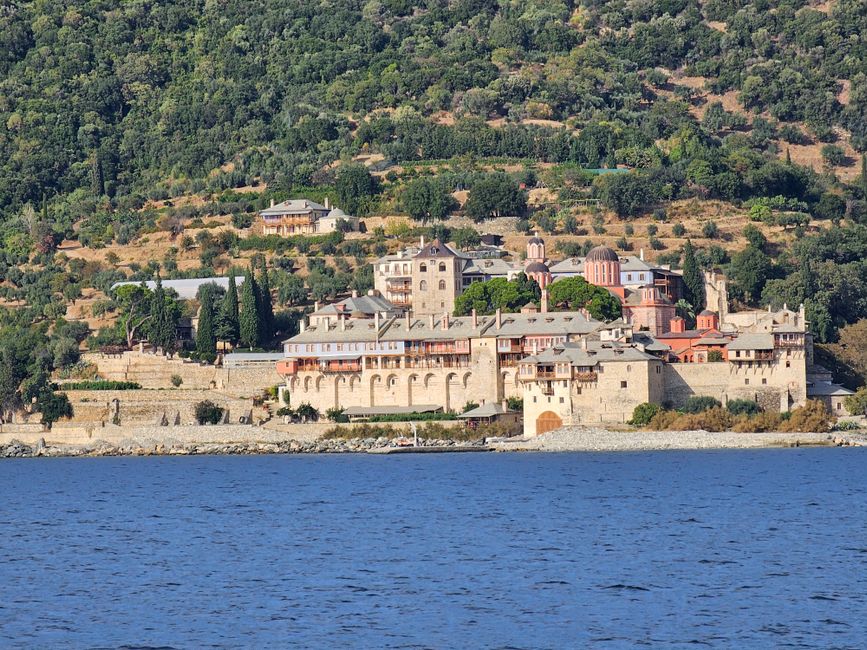
Monastery of Mone — Located near the center of the peninsula, Mone is known for its strict adherence to the cenobitic system and its beautiful church dedicated to the Transfiguration of Christ. The monastery is set in a lush forest, providing a serene backdrop for contemplation. The monks here are particularly hospitable to visitors, often sharing coffee and conversation in the courtyard. The monastery also houses a small museum of religious artifacts. Entry is free, and a short walk from the bus stop.
Monastery of Iviron — Founded by Georgian monks in the 10th century, Iviron is the oldest monastery on Mount Athos and one of the most architecturally significant. The complex is built on a steep hillside, with multiple levels connected by narrow staircases. The church is adorned with frescoes from the 16th century, and the library contains over 2,000 manuscripts. The monastery is known for its hospitality and its tradition of serving a special meal to visitors. Entry is free, but advance permission is recommended. Best visited in the afternoon when the crowds are smaller.
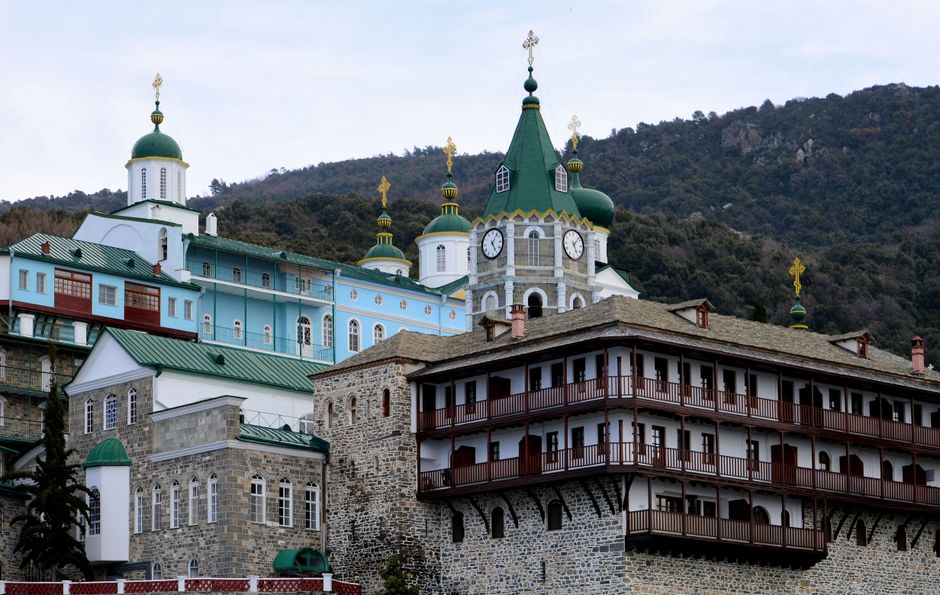
Skete of Xenophontos — Unlike the large monasteries, a skete is a smaller community of monks living in individual cells but sharing a common church. Xenophontos is one of the most popular sketes, known for its beautiful church and its peaceful atmosphere. The skete is located in a secluded valley, surrounded by pine forests. Visitors can wander through the cells, each with its own garden and chapel. The monks here are known for their hospitality and their willingness to share their stories. Entry is free, and a short hike from the main road.
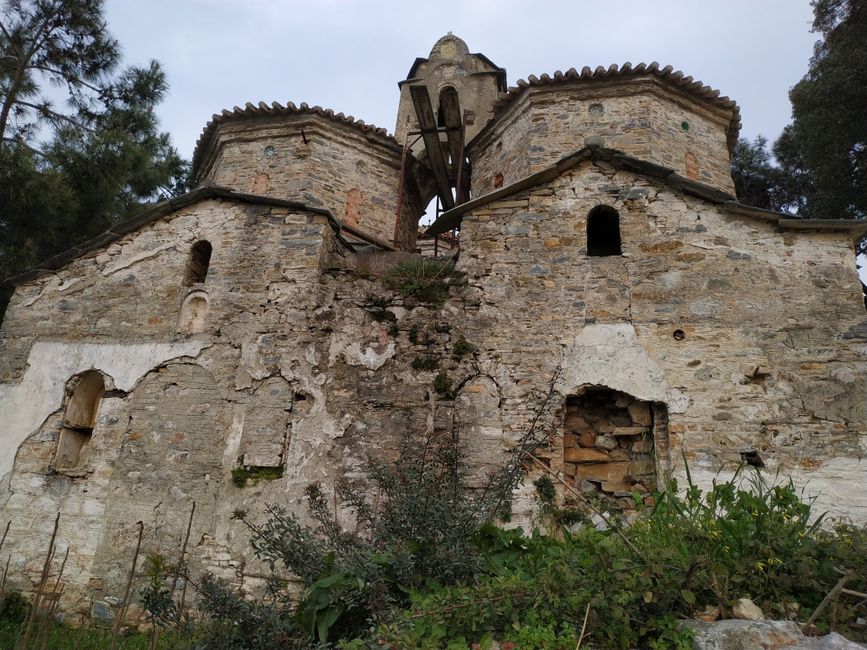
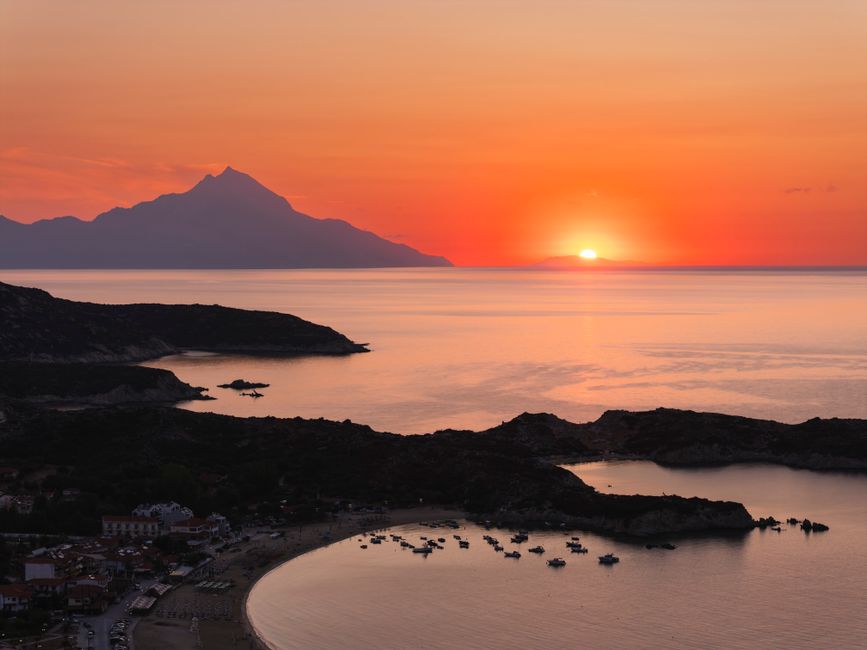
Viewpoint at Karoulia — For a breathtaking view of the entire peninsula, head to the viewpoint at Karoulia, near the Monastery of Simonopetra. The spot offers a panoramic view of the Aegean Sea, the surrounding monasteries, and the rugged coastline. It is a popular spot for photographers and hikers, and the best time to visit is at sunset when the light turns the sky into a canvas of orange and purple. The walk to the viewpoint is easy, and there is a small café nearby for refreshments.
What to Eat & Drink
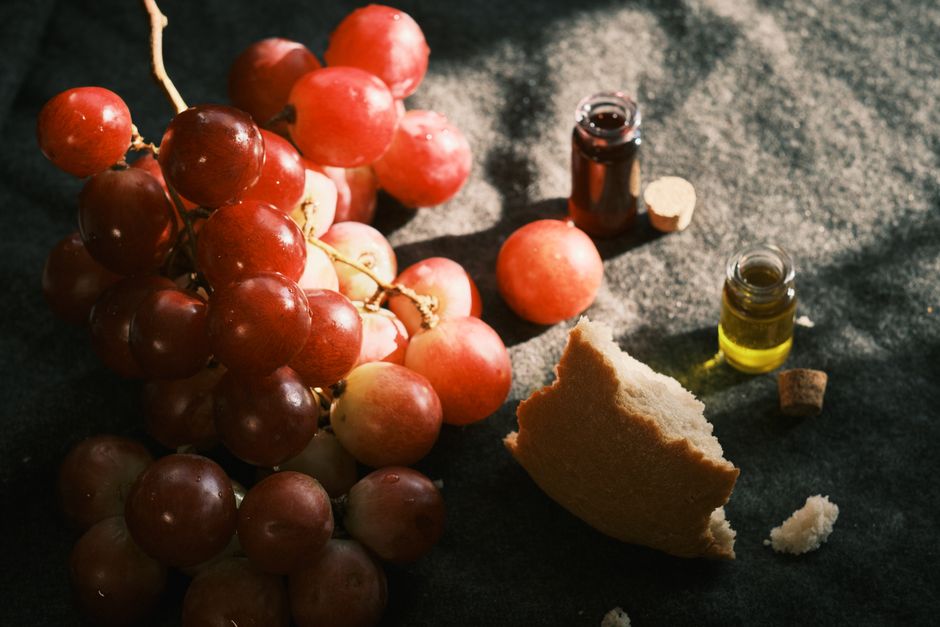
Food on Mount Athos is simple, hearty, and deeply rooted in Orthodox tradition. The monks follow a strict diet, abstaining from meat and often fasting during certain periods of the year. As a visitor, you are invited to partake in their meals, which are typically served in the refectory after the evening service. The menu is limited but flavorful, featuring dishes like ladera (vegetables cooked in olive oil) — 2-3 EUR, fasolada (bean soup) — 2 EUR, and honey cakes — 1-2 EUR. Fresh fruit and bread are always available, and wine is served in moderation.
Budget travelers can expect to spend 10-15 EUR per day on food if they eat at the monasteries and bring their own snacks. There are no restaurants or cafes on the peninsula, so it is essential to bring enough food for your stay. Water is available at every monastery, and the monks will provide tea or coffee if you ask. For those who prefer a more independent approach, there are a few small shops in the main towns where you can buy bread, cheese, and other essentials. However, these shops are expensive, and prices can be higher than in mainland Greece.
The food scene on Mount Athos is not about variety or luxury; it is about sustenance and community. Every meal is an opportunity to connect with the monks and share in their spiritual journey. The simplicity of the food reflects the simplicity of the monastic life, and every bite is a reminder of the values that sustain this unique community. For a true taste of Mount Athos, visit the Monastery of Vatopedi for their famous honey cakes, or the Monastery of Iviron for their traditional Georgian dishes.
Nightlife
Nightlife on Mount Athos is non-existent, and that is exactly the point. The peninsula is a place of silence and prayer, and the concept of entertainment is foreign to the monastic community. After the evening service, which typically ends around 8:00 PM, the monasteries fall quiet. The monks retire to their cells for personal prayer and meditation, and the only sound is the distant call of a night bird or the rustle of the wind in the trees.
For visitors, the night is a time for reflection and contemplation. There are no bars, clubs, or parties. The only "nightlife" is the opportunity to sit in the courtyard of a monastery, listen to the chanting of the monks, and watch the stars emerge over the Aegean Sea. It is a profound experience, one that forces you to slow down and connect with the present moment. For those who crave stimulation, Mount Athos is not the place. But for those seeking peace and spiritual renewal, it is a sanctuary like no other.
If you are looking for a place to unwind after a day of exploration, the Monastery of Mone offers a quiet courtyard with comfortable seating and a view of the forest. The Monastery of Iviron has a beautiful garden that is perfect for an evening stroll. But remember, the focus here is on spirituality, not socializing. Respect the silence, and you will be rewarded with a sense of peace that is hard to find anywhere else in the world.
Getting There & What to Expect
Getting to Mount Athos requires planning and patience. The nearest major city is Thessaloniki, and the journey to the peninsula typically involves a bus or a car ride to the port of Ouranoupoli or Ierissos. From there, you take a ferry to the port of Daphne, the only point of entry for visitors. The ferry ride takes about 45 minutes, and tickets cost 15-20 EUR one way. Buses from Thessaloniki to Ouranoupoli run regularly and cost 10-15 EUR one way, with a travel time of approximately 2 hours.
Accommodation on Mount Athos is limited to the monasteries, and visitors are required to stay in the guest rooms provided by the host monastery. There are no hotels or hostels on the peninsula. The cost of accommodation varies depending on the monastery, but most charge a donation of 20-40 EUR per night. This includes a simple room, meals, and access to the monastery's facilities. Some monasteries offer private rooms for an additional fee, but shared rooms are more common.
The best time to visit Mount Athos is between April and October, when the weather is mild and the roads are open. Winter visits are possible, but the cold and snow can make travel difficult. Children are allowed on the peninsula, but they must be accompanied by an adult and follow the same rules as other visitors. The minimum age for obtaining a permit is 12 years old.
Expect a slow pace of life, strict adherence to dress codes (shoulders and knees must be covered), and a deep respect for monastic customs. Mobile phones are allowed, but their use is discouraged. Cameras are permitted in most areas, but photography of monks without permission is forbidden. The goal is to immerse yourself in the spiritual atmosphere and leave the distractions of the modern world behind.
Search accommodation in Ouranoupoli on Booking.com →
The Weight of Silence
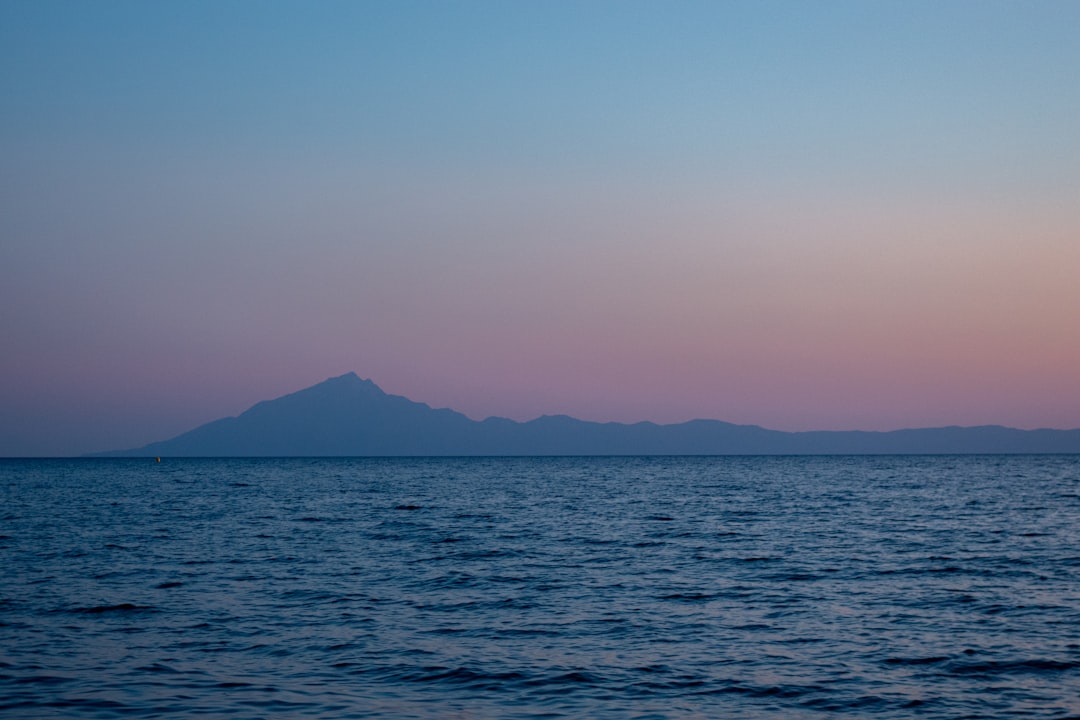
As I stood on the deck of the ferry returning to Ouranoupoli, the silhouette of Mount Athos shrinking in the distance, I felt a strange sense of loss. The silence that had enveloped me for days was replaced by the roar of the engine and the chatter of fellow passengers. I had come seeking adventure, but I had found something deeper: a connection to a tradition that has survived for centuries, untouched by the chaos of the modern world. The monks of Mount Athos are not relics of the past; they are living witnesses to a way of life that values spirituality over materialism, silence over noise, and community over individualism.
Mount Athos is not for everyone. It demands respect, patience, and a willingness to step outside your comfort zone. But for those who are willing to make the journey, it offers a glimpse into a world that is both ancient and timeless. It is a place where the past and the present converge, and where the search for meaning is not a metaphor, but a daily practice. As the ferry pulled away, I knew I would return. Not for the sights or the history, but for the silence. The kind of silence that speaks louder than words.
Comments