


The Contrast in Circuits
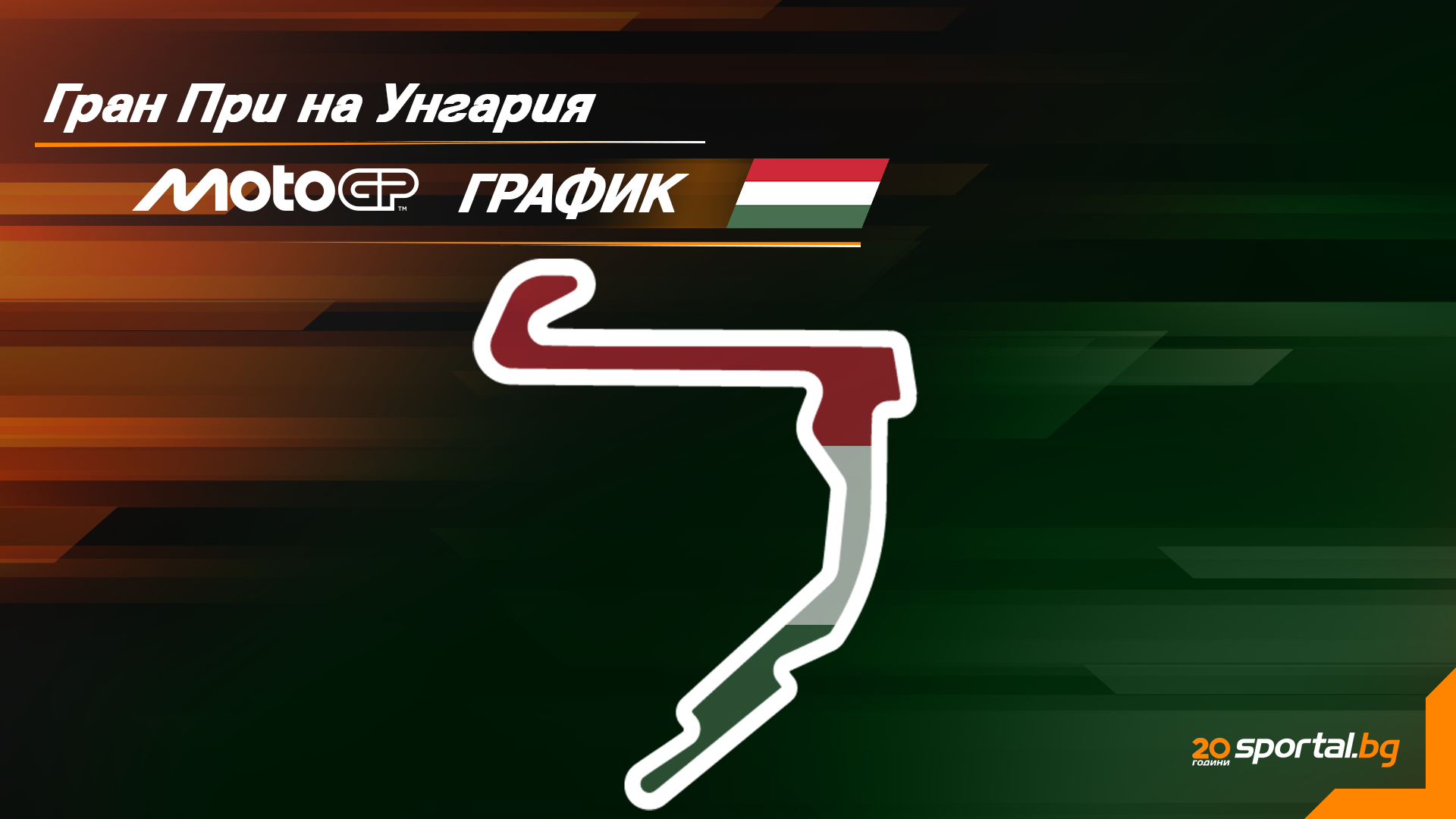
The MotoGP championship wheel turns again, leaving the high-speed sweep of Mugello Circuit behind for a completely different beast. This week, the paddock arrives in Hungary, setting up at Balatonring, a track defined by technical precision rather than raw velocity. Where Tuscany offered a fast, flowing ribbon of asphalt, Hungary presents a tight, stop-start puzzle that demands mechanical sympathy and rider patience.
The contrast is stark. The Italian Grand Prix was a test of bravery at speed; the Hungarian Grand Prix is a test of finesse in the corners. Teams must adjust their setups drastically, swapping aerodynamic packages and engine mappings to cope with the lower average speeds and higher cornering forces. For the riders, this is a weekend where consistency beats outright pace, and track position becomes everything.
Weekend Schedule and Key Sessions
The action kicks off on Friday morning with the smaller classes hitting the track first. Moto3 and Moto2 hold their opening free practice sessions, followed closely by the premier class. These early runs are critical for data collection, allowing engineers to dial in the chassis for the unique demands of the Hungarian layout. The afternoon session will see teams pushing harder, looking for that elusive balance before the lights go out for qualifying.
Saturday brings the intensity of qualifying and the unique thrill of the sprint race. The MotoGP sprint, running for 13 laps, will determine the grid for Sunday's main event, adding a layer of strategic complexity to the weekend. Riders must decide whether to conserve tires for the main race or attack early for sprint glory. The Moto3 and Moto2 qualifying sessions will also set the stage for their respective races.
Sunday Showdown
Sunday culminates in the main event. After a warm-up session, the Moto3 class takes to the track for a 20-lap race, followed by Moto2 over 22 laps. The headline act, however, is the 27-lap MotoGP race. This is where championships are won and lost. With the technical nature of the circuit, tire degradation will be a key factor, forcing teams to make bold strategic calls. The winner will be the one who can maintain rhythm through the tight sections without sacrificing too much exit speed.

балатонринг наистина е ад за гумите tbh не знам кой ще издържи 27 тура...