


The Impossible Penalty
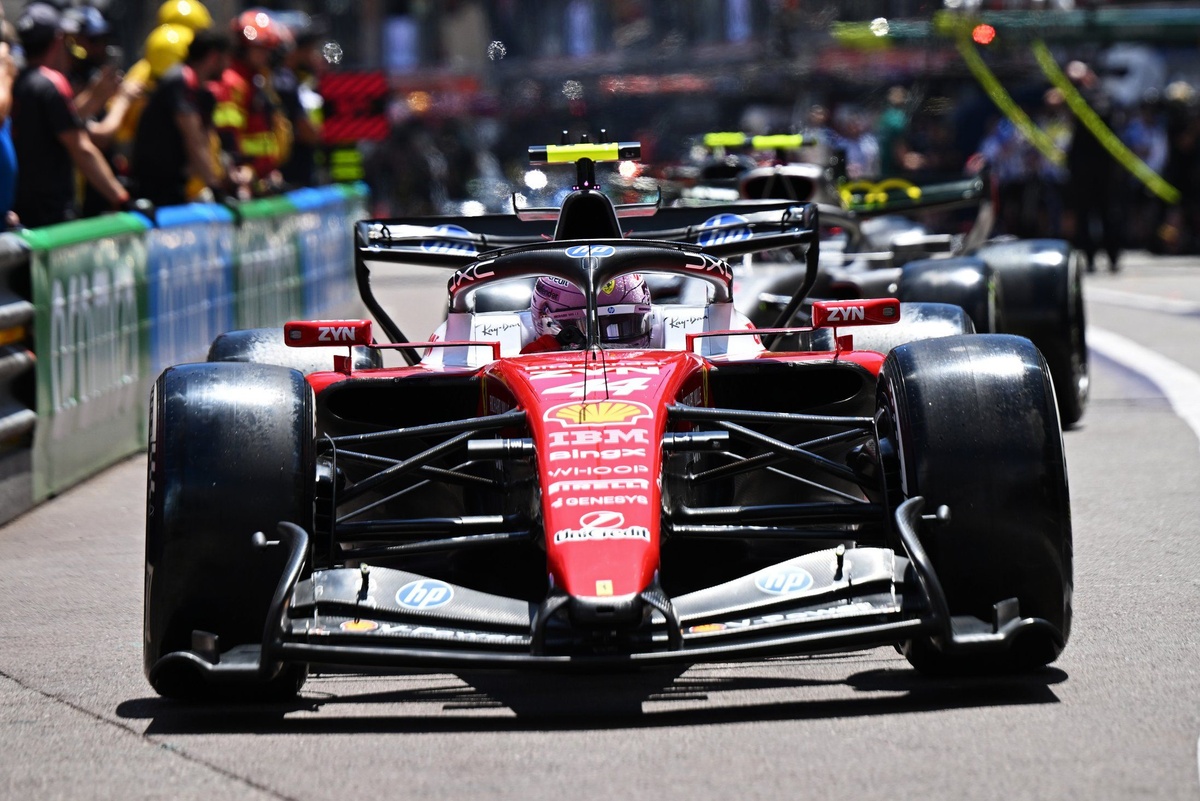
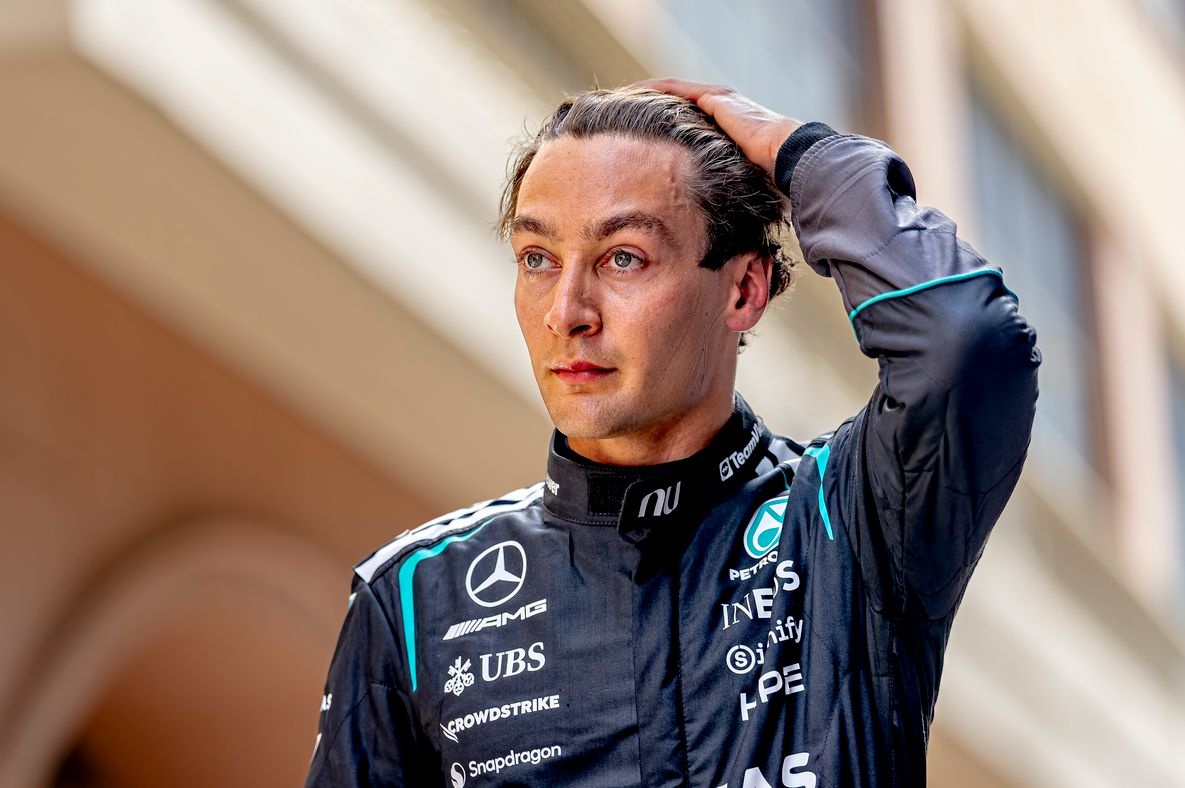
It defies logic. It defies physics. It definitely defies the spirit of fair play. At the Monaco Grand Prix, a bizarre storm of penalties swept through the pitlane, catching even the most seasoned veterans off guard. Drivers were flagged for speeding, but not by the usual margins of reckless excess. No, these infractions were microscopic. We are talking about 0.1 kilometres per hour. Just a whisper over the limit. Oscar Piastri, George Russell, Franco Colapinto, and Pierre Gasly all found themselves on the wrong side of the law by a fraction that could barely move a snail.
Lewis Hamilton, the seven-time world champion, also took a five-second time penalty, yet still stormed to a second-place finish. The FIA reviewed its timing equipment after the race. No glitches. No errors. The system worked perfectly. The problem wasn't the machines. The problem was the line.
The Cut That Cost Them
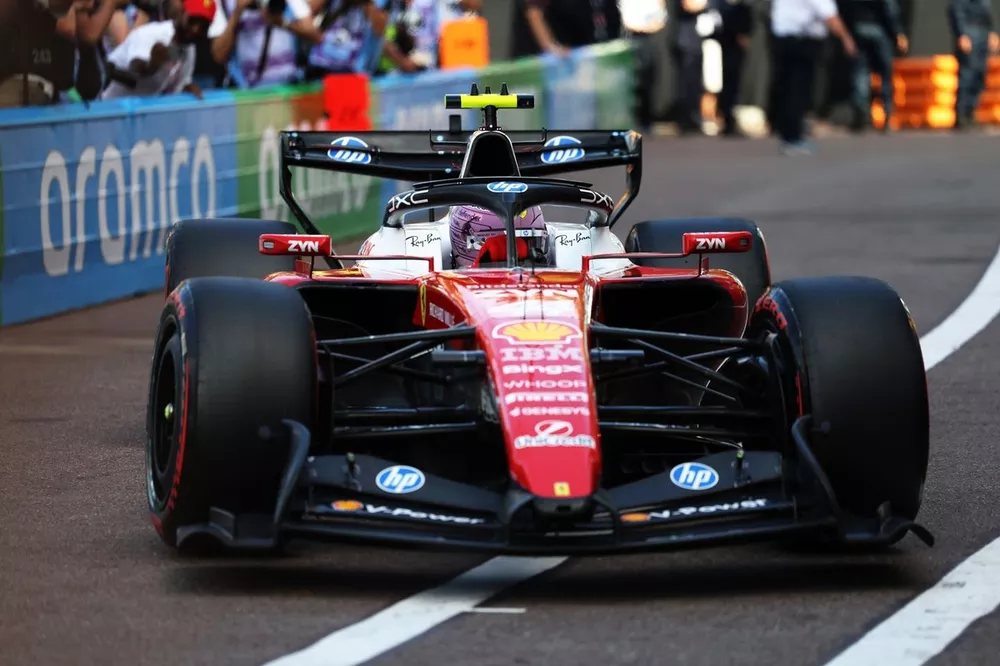
In Monaco, every centimetre is currency. The pit entry has a notorious kink, a sharp angle where drivers instinctively cut the corner to save precious metres. They drive straight on the right side for a brief moment, shaving off distance before committing to the lane. But here is the trap: the speed measurement begins the instant the first wheel crosses the threshold. For those cutting the corner, that is the front-left wheel. They enter the measured zone earlier, at a slightly higher velocity, before the limiter can fully engage and average out the speed across the entire pitlane sector.
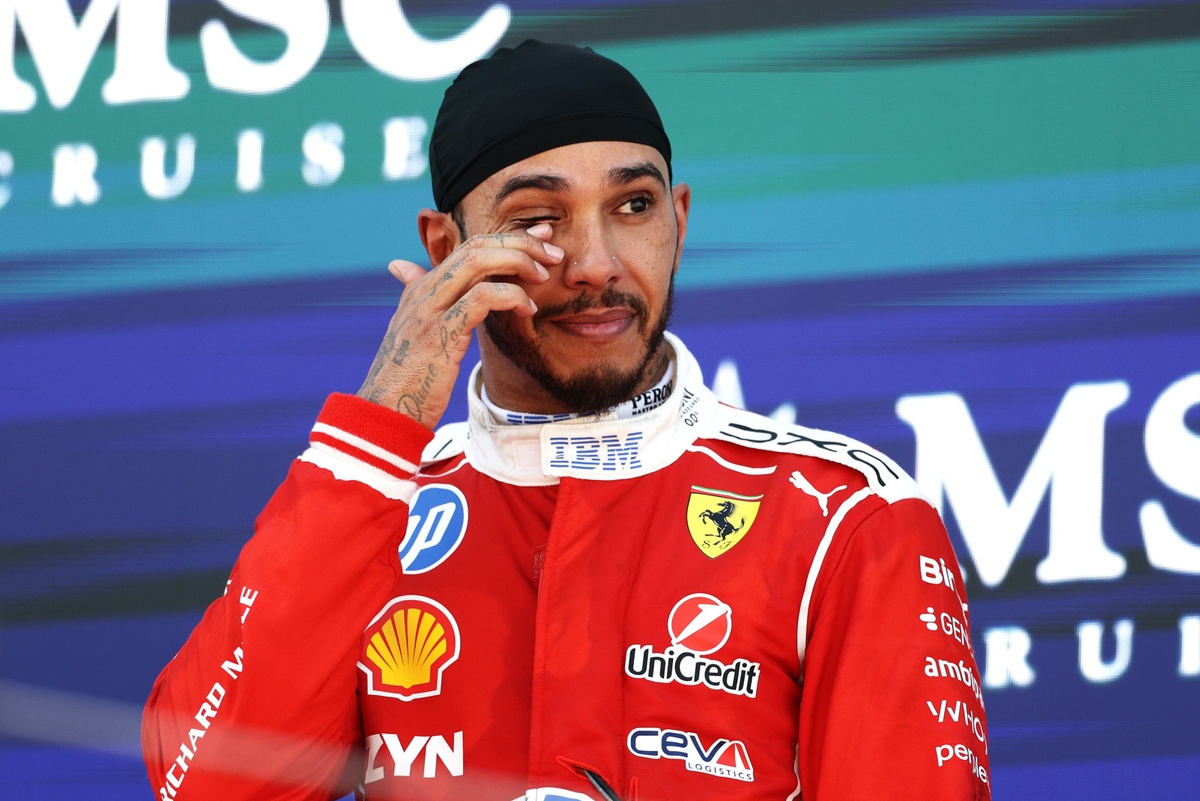
Hamilton was vocal in the post-race press conference. "I wasn't speeding," he insisted. "It's just the way the pitlane is. I've done this pitlane for years. The limiter is on immediately." He argued that the chosen line, a tradition among drivers for decades, was the culprit. "I was shocked to hear that I was speeding because I wasn't actually above the speed. It's the distance and something that we really need to look into."
Warnings Ignored
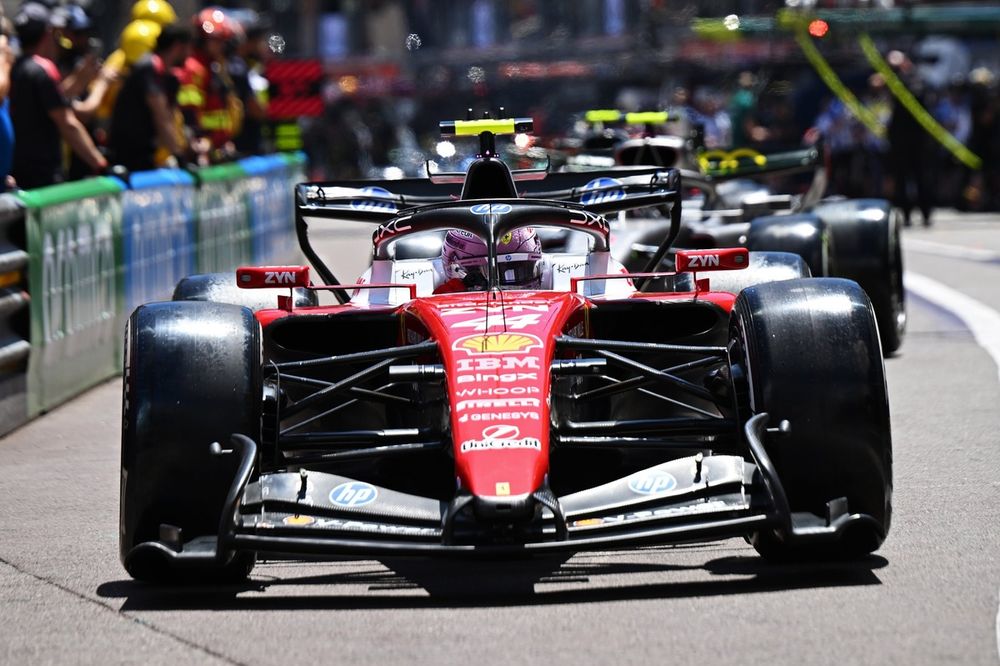
Race Control had warned teams before the lights went out. They advised taking the wider, slower entry line to avoid the measurement trap. But in Monaco, instinct often overrides instruction. Interestingly, aside from Hamilton, every penalised driver ran on a Mercedes power unit. McLaren team principal Andrea Stella confirmed that Piastri’s penalty likely stemmed from "shortcutting too much." The hypothesis is clear: the aggressive entry line induced the system to register a speed excess, regardless of the limiter calibration. It was a technicality that turned a routine stop into a costly mistake, proving once again that in Monte Carlo, the devil is in the details.

monaco pitlane limiter is literally broken rn lol. cutting a corner by a millimeter gets you a 5 sec penalty? f1 officials need to fix this mess before next season