


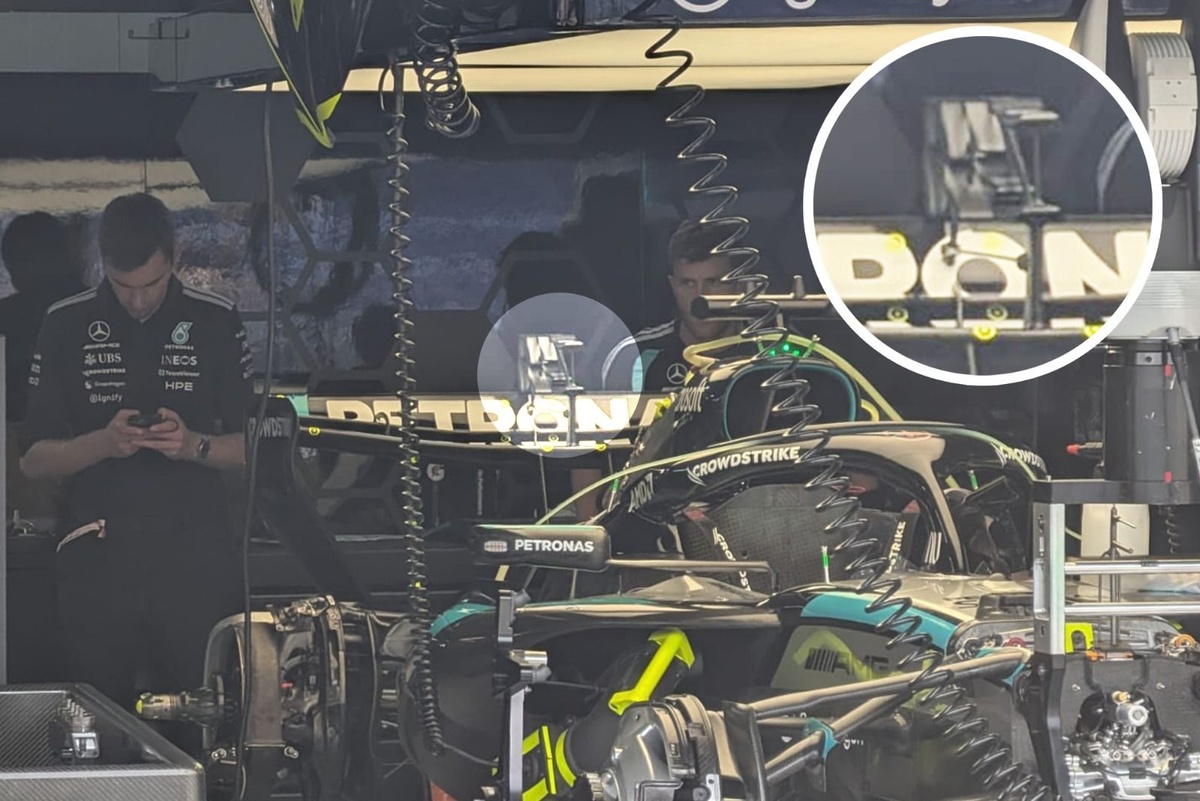
The Actuator Exodus
Formula 1 has arrived in Monaco, and the engineers have pulled a rabbit out of the hat. With the straight mode feature switched off for the weekend, the mechanical actuators that usually shift the rear wing are suddenly useless weight. So what did the teams do? They ripped them out. In their place, a growing number of constructors have packed the small rectangular legality box on top of the rear wing with clusters of microscopic winglets. It is a bold, vertical pursuit of grip.
Dirty Downforce in Monte Carlo
At most circuits, aerodynamicists must balance downforce against drag. Not here. The Circuit de Monaco is a low-speed labyrinth. There are no long straights to punish a drag-heavy setup. This allows teams to embrace what purists call "dirty downforce." By maximizing the rear wing's load, cars accelerate harder out of the hairpin. These new winglets generate upwash, expanding the low-pressure field at the rear. When linked to the diffuser, this creates more suction, pulling airflow underneath the car at higher velocity. The result is increased grip where it matters most.
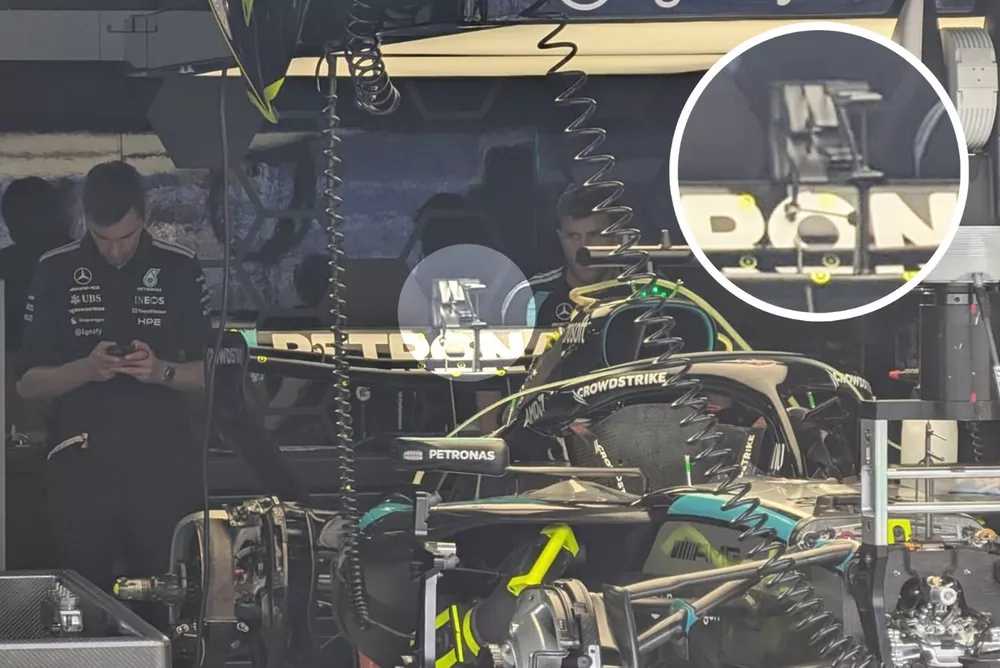
Mercedes Leads the Radical Charge
While Red Bull Racing has modified its standard housing to fit two enclosed winglets, and Audi Sport has added cascading elements to a pylon, it is Mercedes-AMG Petronas F1 Team that has gone furthest. Their setup looks like a series of aerofoils on a vine. A mainplane-mounted pylon supports a trio of cascading winglets, topped by another. Behind this, two further banks of winglets cascade down, with the final elements attached to the upper flap. Each terminates with a Gurney flap to maximize potency. Even Ferrari and Cadillac have adopted similar tab-like extensions, while Racing Bulls has extended the central chord length with a single tab. The arms race for downforce has never looked quite so vertical.



mercedes looking absolutely nuts with that wing setup lol. looks like a christmas tree on the back of the car. gonna be interesting to see if it actually works or if they just overthought it rn