


The Steam and the Silence
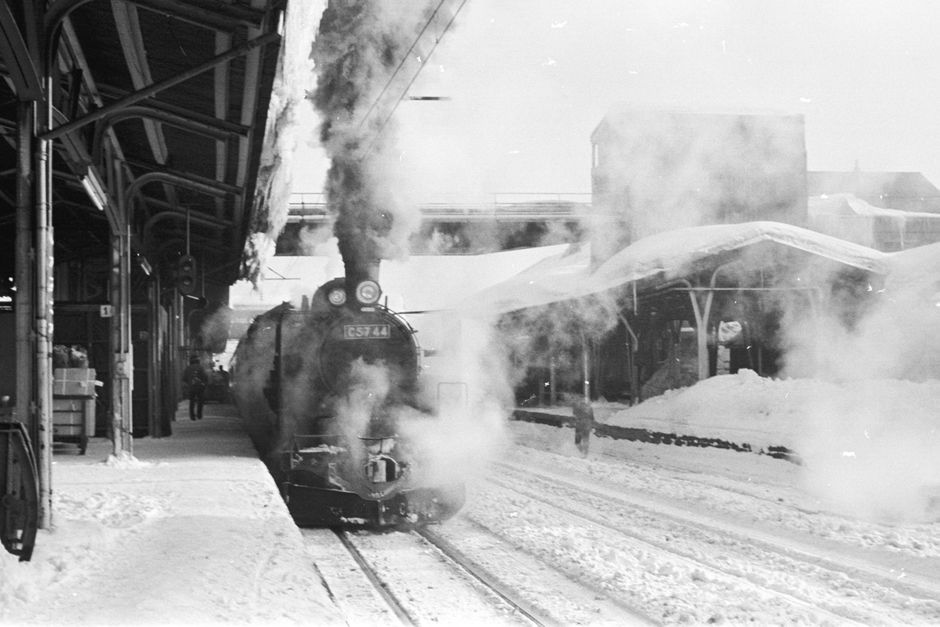
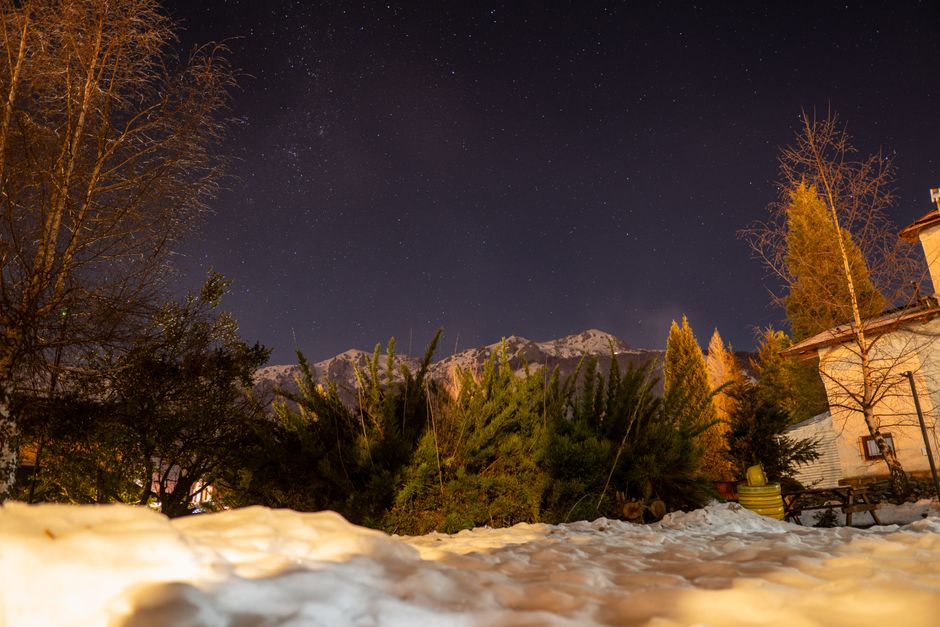
I didn't plan to wake up at 4:30 AM in the shadow of Tara River Canyon, but the promise of a vintage steam train doesn't allow for sleep. The air in Mokra Gora is so cold it feels like a physical weight, pressing against your lungs with the scent of pine resin and wet coal. I'm standing on a platform that feels more like a set from a period drama than a functioning transit hub, watching the black silhouette of a locomotive exhale white clouds into the pre-dawn dark. This isn't just a commute; it's a ritual. The locals, bundled in thick wool and fur-lined hats, don't look surprised. They've been doing this for decades. I'm here for the wood, the trains, and the silence that falls over these mountains when the tourists leave.
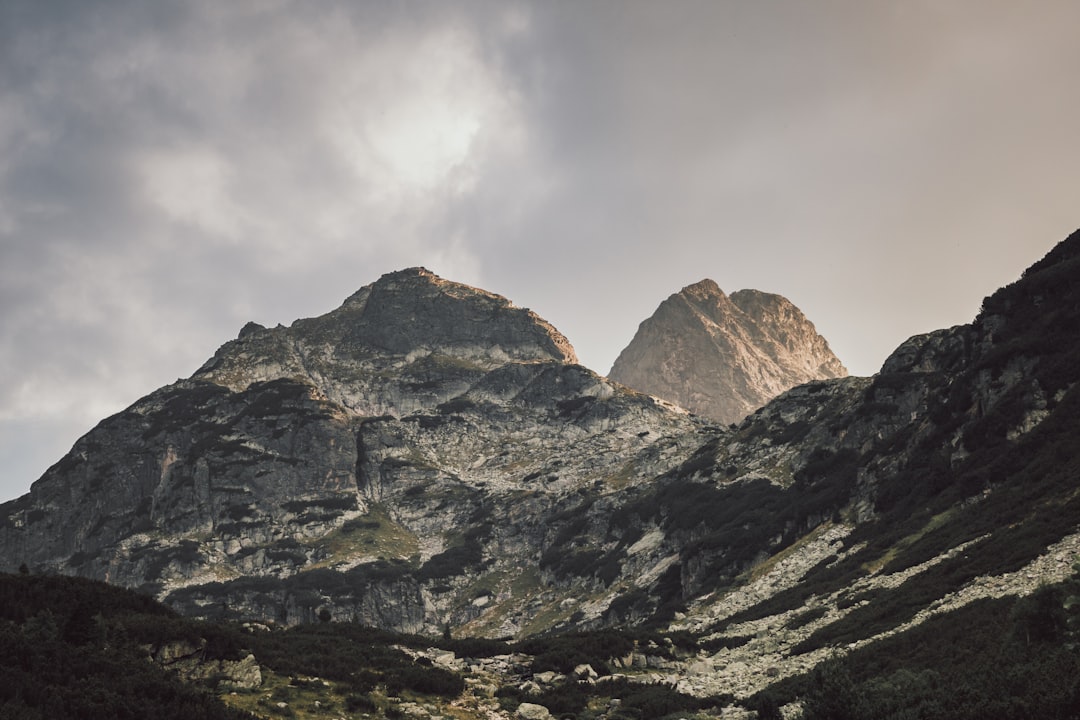
Most people think of Serbia as a land of concrete brutalism and socialist-era monuments. They forget that tucked into the northwest, where the border with Bosnia gets hazy and the trees grow thick, lies a different world. Mokra Gora isn't a village you stumble upon by accident. It's a destination built on nostalgia and timber, a place where time seems to have been carved out of the same wood as the houses. I came here to see if the hype matches the cold, and after three days of eating paprika-laced stews and watching trains climb vertical grades, I can tell you: it's not for the faint of heart, but it's unforgettable.
History & Identity
The history of Mokra Gora is tied directly to the rails. In the early 20th century, the Žabljak–Belgrade railway was built to connect the interior of Yugoslavia to the coast, cutting through some of the most difficult terrain in the Balkans. The village itself was essentially created to support this engineering feat. It wasn't just a transit stop; it became a hub for woodworkers, taking advantage of the dense forests that surround it. The identity of the place is rooted in this duality: the hard, industrial power of the steam engine and the soft, intricate craft of the woodcarver.
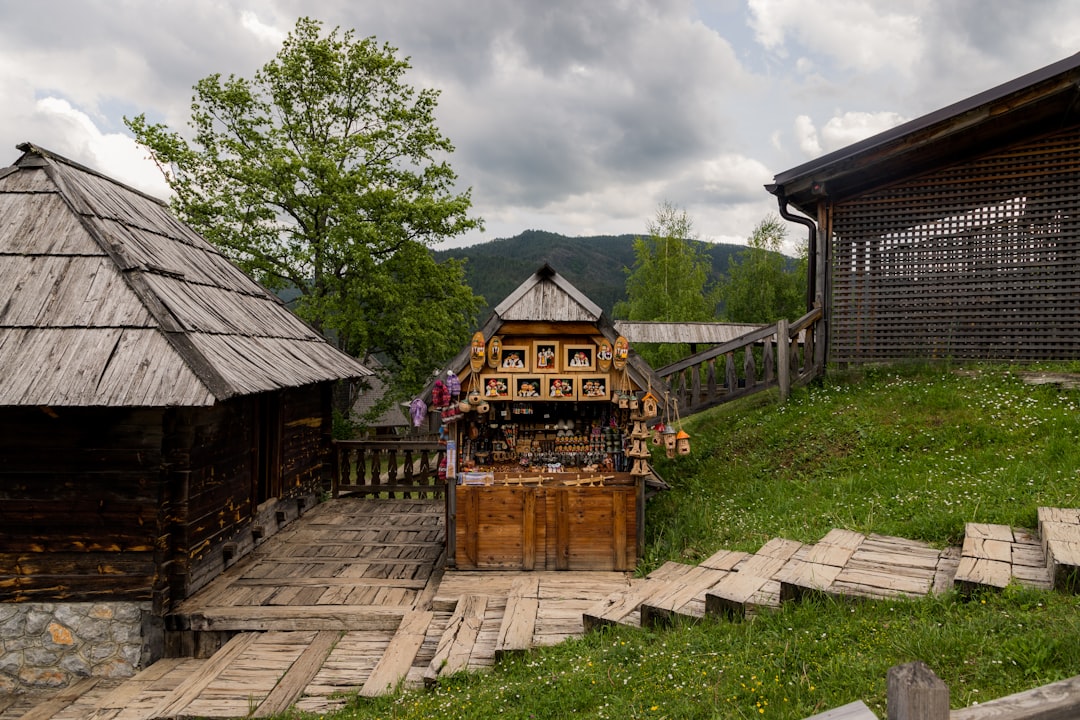
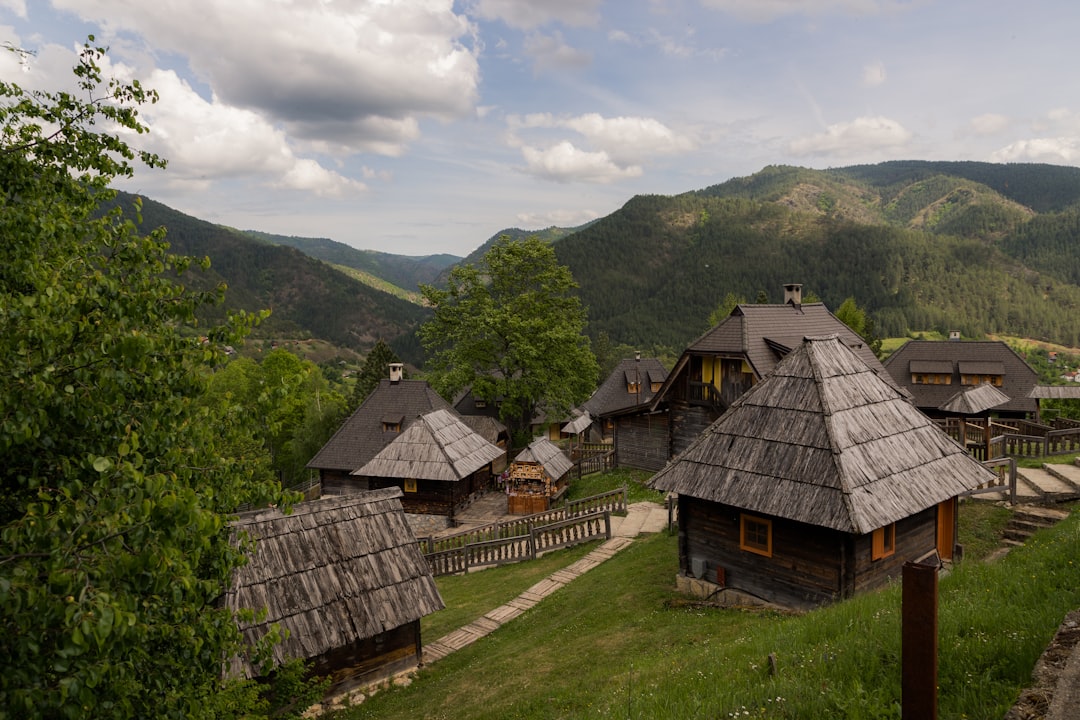
Today, the railway is a tourist magnet, but the woodcraft tradition remains alive. The village has been carefully curated to look like a living museum of Serbian folk architecture. The roofs are steep, designed to shed the heavy snow that blankets the area from November to April. The houses are made of spruce and pine, hand-hewn and assembled without nails in some cases. It's not entirely authentic—there's a commercial layer to it, sure—but the craftsmanship is real. The artisans here aren't just selling souvenirs; they're preserving a technique that goes back centuries. Walking through the streets, you can hear the rhythmic tapping of chisels, a sound that competes with the distant whistle of the train.
Where to Go
Mokra Gora Railway Station — This is the heart of the village and the starting point for the famous Šargan Eight tourist railway. The station building itself is a piece of history, restored to its early 20th-century glory. The platform is where you'll see the steam locomotives being prepared, water tanks being filled, and coal being shoveled. It's a spectacle in itself. Entry is free, but you'll want to buy a ticket for the train ride. Best time to visit is early morning or late afternoon when the light hits the mountains. 15-25 EUR for a round-trip ticket on the steam train.
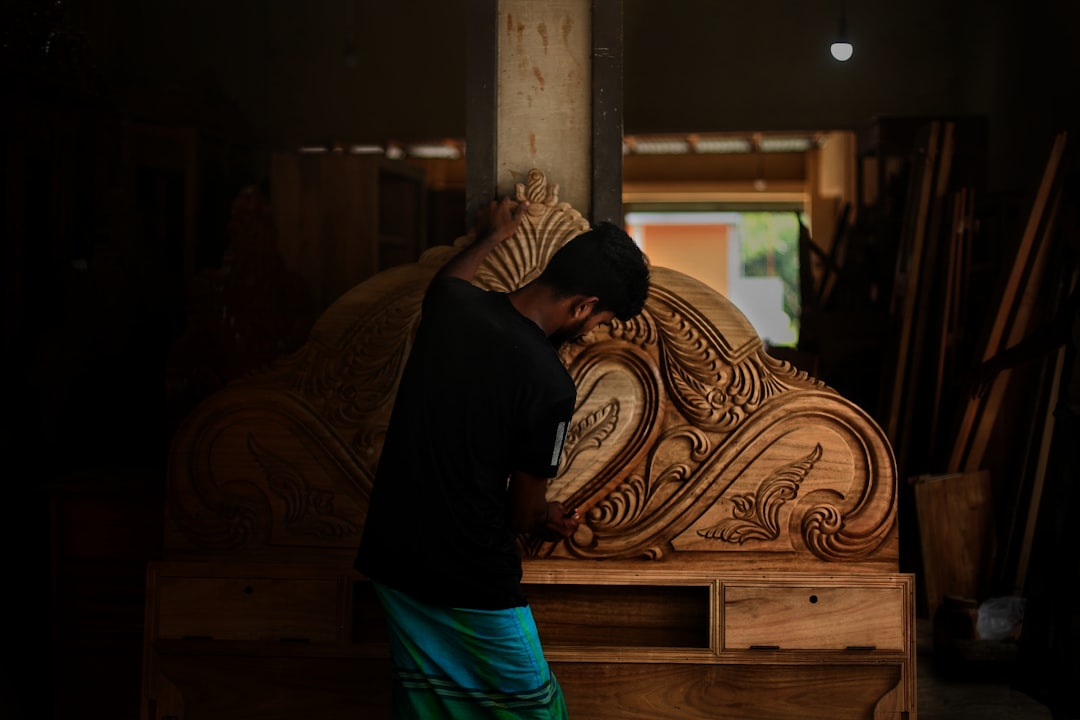
Kozara Woodcarving School — Located just a short walk from the station, this is where the magic happens. The school is a working workshop where apprentices and masters carve intricate figures from local wood. You can watch them work, buy pieces directly from the carvers, or even take a short class. The atmosphere is warm and inviting, with the smell of fresh wood everywhere. Prices vary depending on the complexity of the piece. A small figurine might cost 10-20 EUR, while a larger, detailed carving can go for 50-100 EUR or more.
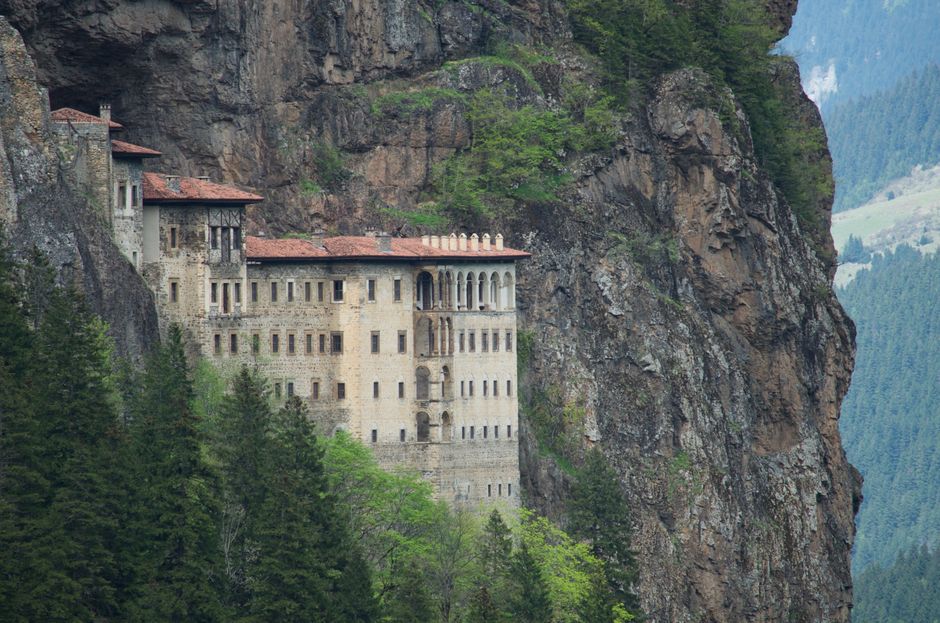
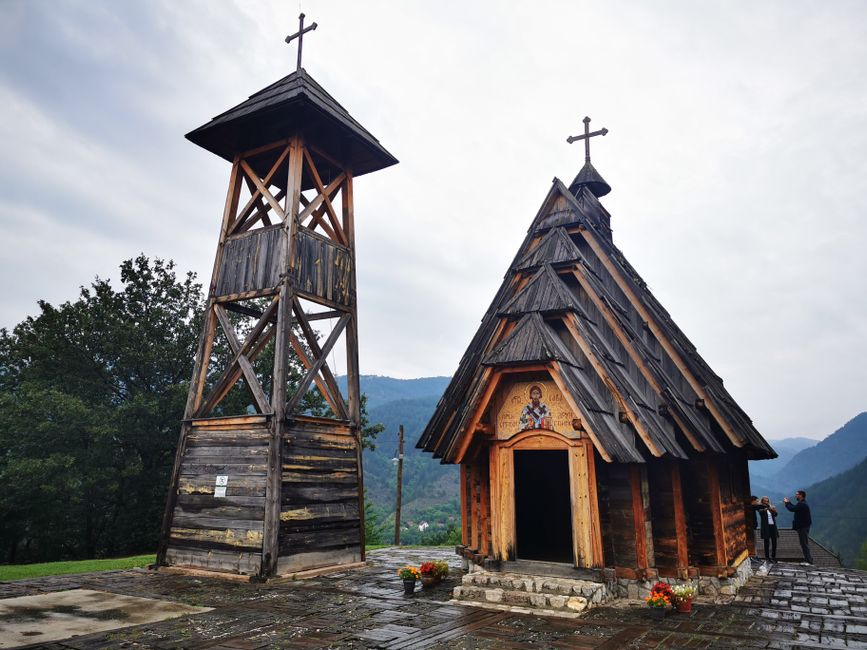
Beljanica Monastery — A short drive or a steep hike from the village, this medieval monastery sits high in the mountains, surrounded by dense forest. It's a place of profound silence and beauty. The architecture is simple but striking, with frescoes that have survived centuries of wear. It's a good spot for a quiet reflection after the bustle of the village. Entry is free, but donations are appreciated. Best visited in the morning to avoid crowds.
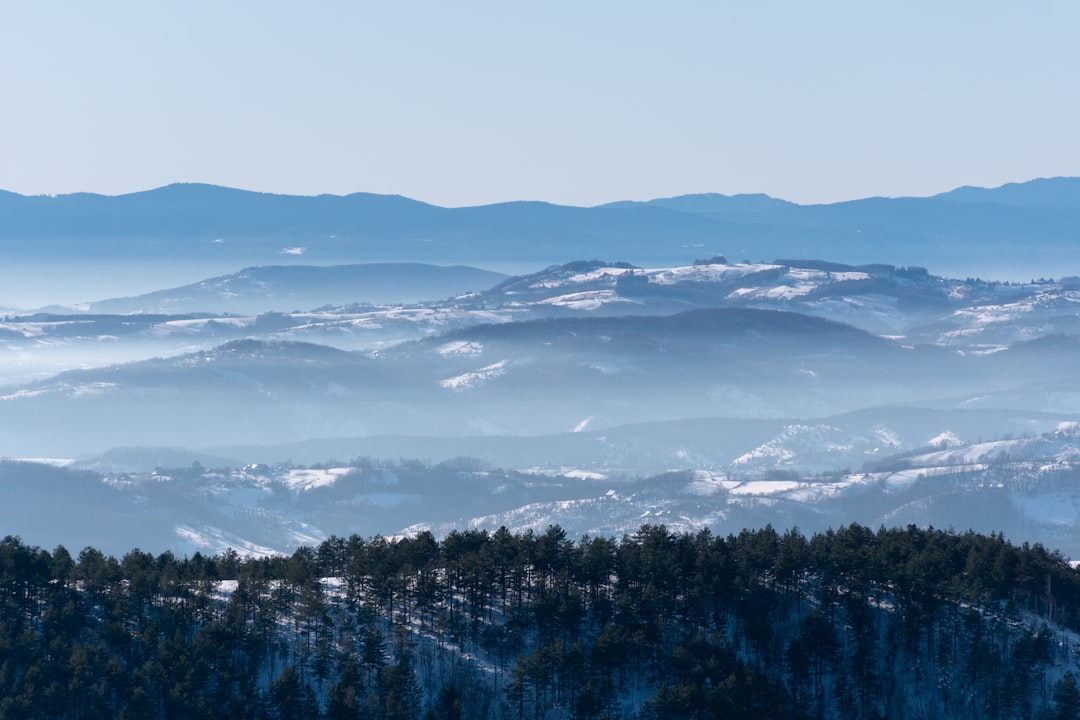
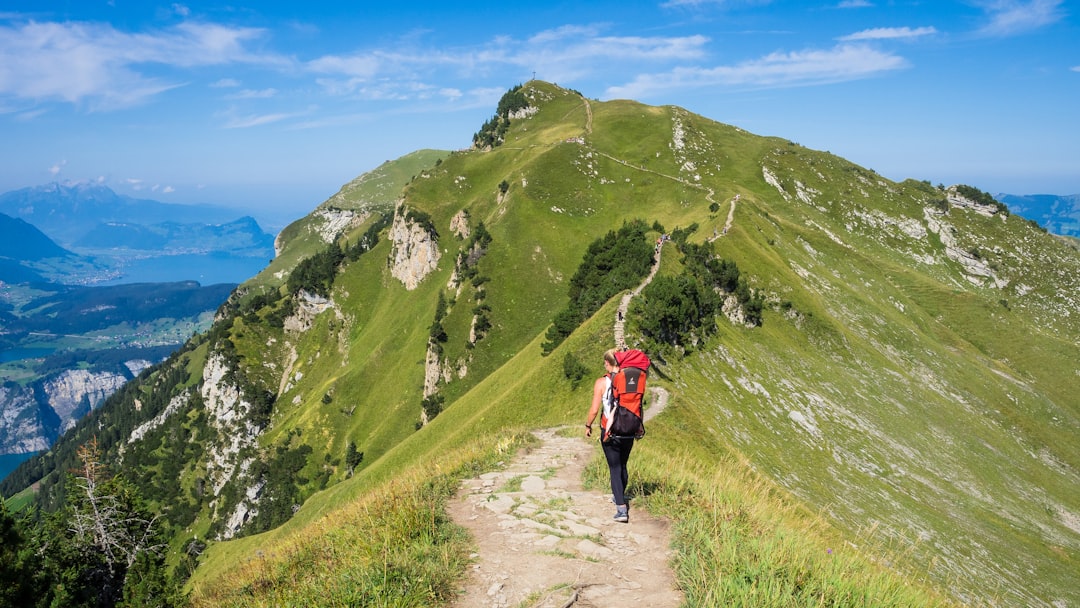
Šargan Eight Loop — This isn't just a train ride; it's an engineering marvel. The train climbs a steep grade by looping around itself in a figure-eight pattern, gaining elevation without needing a switchback. The views from the train window are breathtaking, with the Drina River valley below and the peaks of the Zlatibor Mountain range above. The ride takes about an hour each way. 15-25 EUR for a round-trip ticket.
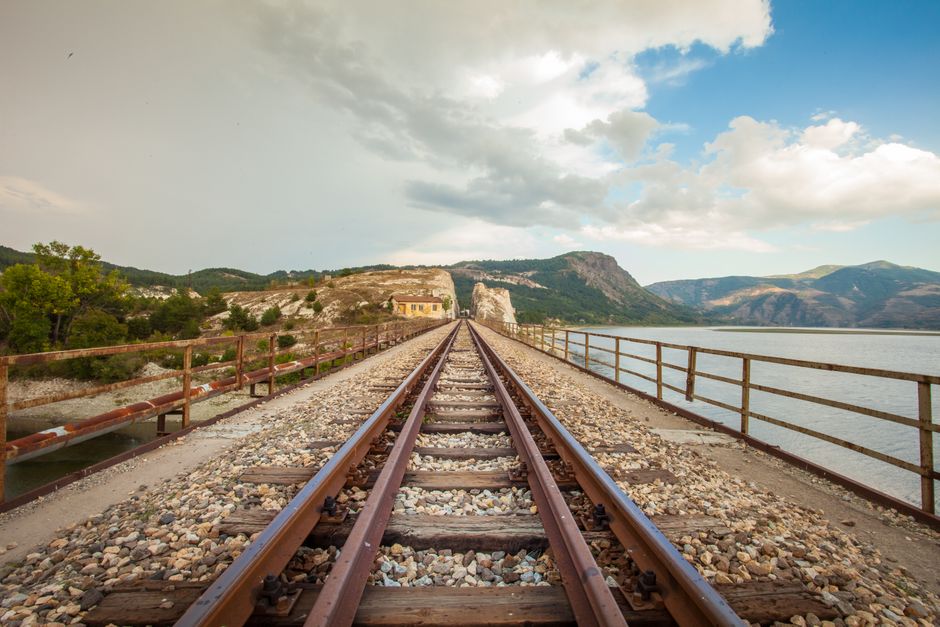
Mokra Gora Folk Museum — A small but fascinating museum that showcases the history of the village and the surrounding region. Exhibits include traditional clothing, tools, and household items. It's a good place to learn more about the daily life of the people who have lived here for generations. Entry fee is 2 EUR. Open daily from 10 AM to 4 PM.
What to Eat & Drink
Food in Mokra Gora is hearty and designed to keep you warm. You'll find lots of stews, roasted meats, and dairy products. Here are a few must-tries:
- Čorba od pasulja (bean soup) — A thick, comforting soup made with beans, bacon, and paprika. 2-4 EUR per bowl.
- Šnicla (breaded cutlet) — A classic Serbian dish, usually served with fries or a salad. 5-8 EUR per serving.
- Kajmak — A creamy dairy product that's essential to Serbian cuisine. It's often served with bread or as a side to meat dishes. 1-3 EUR per portion.
- Roasted Lamb — Slow-cooked and incredibly tender. Often served with potatoes and vegetables. 10-15 EUR per serving.
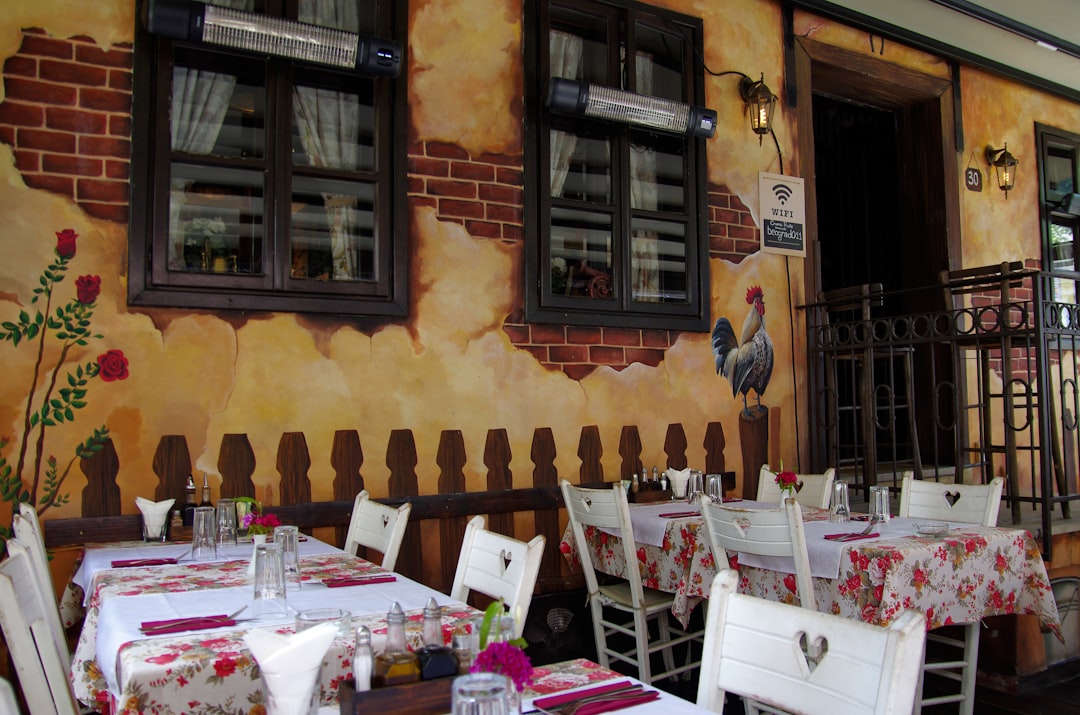
For a budget meal, you can grab a sendvič (sandwich) from a local bakery for 2-3 EUR. If you want to splurge, there are several restaurants in the village that offer traditional meals for 10-20 EUR per person. The Mokra Gora Market is a good place to buy local products like honey, jam, and woodcarvings. It's open on weekends and is a lively spot to browse and eat.
Nightlife
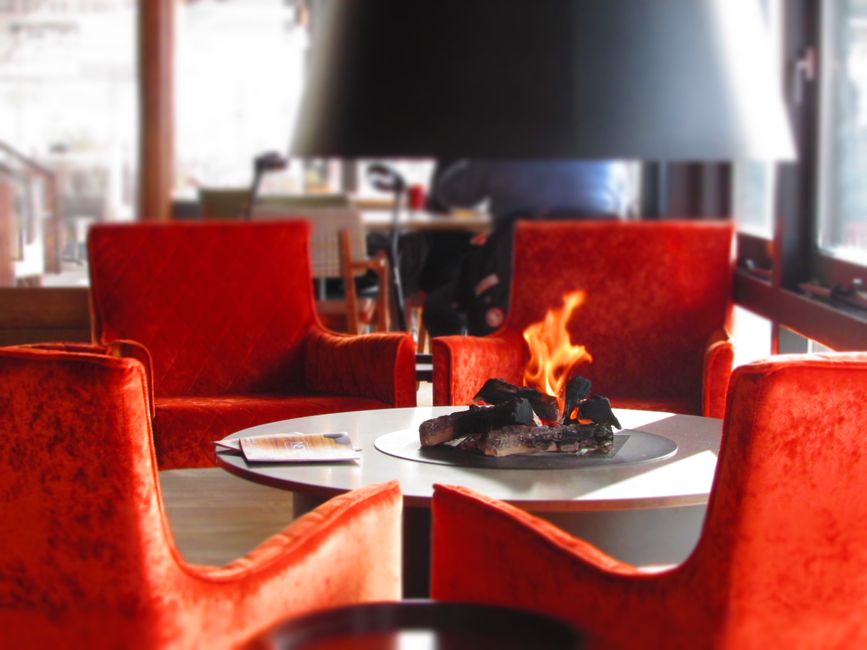
Don't expect a wild nightlife scene in Mokra Gora. This is a quiet, mountain village, and most places close by 10 PM. However, there are a few bars and cafes where you can relax after a day of exploring. The Hotel Mokra Gora has a bar that serves local wine and rakija (a strong fruit brandy). It's a cozy spot with a fireplace, perfect for a quiet evening. The Bar Sargan is another option, with a terrace that offers views of the mountains. Music is usually folk or traditional, and the atmosphere is relaxed.
Getting There & What to Expect
The nearest major city is Užice, about 60 km away. You can get to Mokra Gora by bus or car from Užice. The bus takes about 1.5 hours and costs 3-5 EUR. If you're driving, the road is winding but well-maintained. From Belgrade, it's about a 3.5-hour drive. There are also direct buses from Belgrade to Mokra Gora, but they take longer (around 5 hours).
Accommodation options range from budget hostels to mid-range hotels. A bed in a hostel costs around 15-25 EUR per night, while a room in a hotel is 40-60 EUR per night. There are also several guesthouses and apartments available for rent. The best time to visit is from May to October, when the weather is mild and the trains are running regularly. In the winter, the village is a popular ski destination, but the train service may be limited.
Search accommodation in Mokra Gora on Booking.com →
The Cold Truth
As I pack my bags, the steam from the train has long since dissipated into the crisp mountain air. Mokra Gora isn't a place that leaves you with flashy memories. It doesn't have the neon glow of Belgrade or the coastal breeze of Montenegro. It offers something else: a sense of continuity. The woodcarvers are still carving. The trains are still climbing. The silence is still there, waiting for the next whistle. I came for the adventure, but I stayed for the stillness. And in a world that never seems to slow down, that's a rare and precious thing.
Comments