


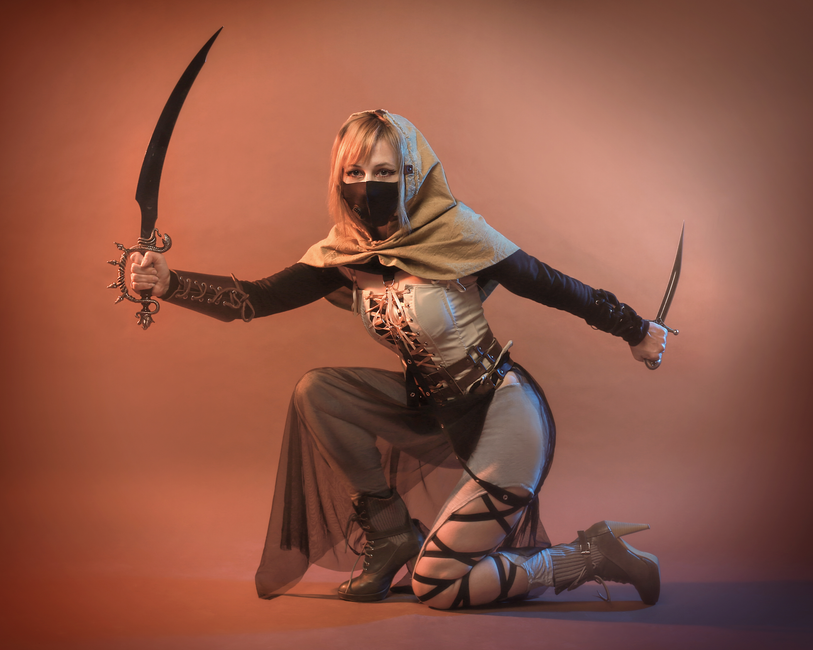
The gaming world is buzzing with speculation and frustration following Microsoft's recent public response to questions about the status of The Elder Scrolls 6. In a statement addressing yet another "no-show" at major industry events, the tech giant hinted that the highly anticipated sequel is undergoing significant internal restructuring. This admission has sent shockwaves through the international gaming community, including a massive player base across the Balkans, where Bethesda Softworks titles have consistently ranked among the most played games in the region. The delay and lack of concrete updates suggest that the project is facing substantial hurdles, potentially altering the release timeline and the nature of the game itself.
For years, fans have waited patiently since the initial announcement at E3 2018. The silence has grown deafening, with only a brief glimpse of a loading screen image shared years ago. Now, Microsoft's comments imply that the studio is not just refining the game but possibly rethinking its core development approach. This is a critical moment for Bethesda Game Studios, as the pressure to deliver a sequel that matches the legacy of Skyrim and Oblivion reaches an unprecedented peak.
The Weight of Legacy and Development Challenges
The Elder Scrolls series is a cornerstone of the open-world RPG genre. Its success is built on player freedom, deep lore, and expansive exploration. However, creating a modern sequel that meets current player expectations is a monumental task. The gaming landscape has evolved dramatically since the last major entry, with competitors like Baldur's Gate 3 and Elden Ring raising the bar for mechanics, storytelling, and technical performance. Microsoft's recent comments suggest that Bethesda is aware of this shift and is taking the necessary time to ensure the new title does not fall behind.
Industry insiders have long speculated that the development of The Elder Scrolls 6 has been complicated by the simultaneous production of Starfield. Bethesda Game Studios split its resources between these two massive projects, leading to slower progress on both. The recent statement from Microsoft confirms that the studio is now consolidating efforts. This consolidation likely means that key personnel are being redirected, and development cycles are being extended. For fans, this means more waiting, but it may also result in a more polished and ambitious final product.
The technical challenges are also significant. Modern open-world games require sophisticated engines, complex AI systems, and seamless online integration. Bethesda's Creation Engine, while powerful, has faced criticism for its limitations in handling large-scale physics and modern rendering techniques. Rumors suggest that the studio may be transitioning to a new proprietary engine, which would explain the extended development time. Such a transition is risky and time-consuming, requiring extensive re-engineering of gameplay mechanics, graphics pipelines, and user interfaces.
Impact on the Balkan Gaming Community
The Balkans have emerged as a significant market for PC gaming, with countries like Serbia, Croatia, and Romania boasting some of the highest per capita gaming rates in Europe. The region is home to a vibrant community of modders, streamers, and esports athletes who are deeply invested in major RPG titles. The Elder Scrolls franchise has a particular resonance here, with local fan groups organizing events, creating mods, and hosting discussion forums in multiple languages. The prolonged uncertainty surrounding the sequel has sparked intense debate within these communities.
Balkan gamers are particularly vocal about their expectations. They demand high-quality content, fair pricing, and robust online features. The region's gaming culture is influenced by both European and global trends, making it a sensitive barometer for international releases. Microsoft's silence has been interpreted as a lack of respect for the player base, leading to frustration on social media platforms. Local gaming influencers in Belgrade, Zagreb, and Bucharest have been amplifying these concerns, calling for more transparent communication from Bethesda and Microsoft.
However, there is also a sense of cautious optimism. Many players understand the complexity of developing a game of this scale. The Balkan modding community, in particular, is preparing for the eventual release by creating tools, tutorials, and support networks. This grassroots engagement demonstrates the deep loyalty of the fan base and their willingness to wait for a quality product. The success of previous titles in the region suggests that, despite the delays, demand for The Elder Scrolls 6 will remain high upon release.
What to Watch For in the Coming Months
As Microsoft and Bethesda navigate this critical phase of development, several key indicators will signal the project's direction. First, watch for announcements regarding new hiring or studio expansions at Bethesda Game Studios. An influx of talent, particularly in engine development and AI, would suggest a major push forward. Second, monitor any leaks or insider reports about the game's setting. Rumors have pointed to locations like Elsweyr or Hammerfell, but official confirmation remains elusive.
The next major industry events, such as the Game Awards or future E3-style showcases, will be crucial testing grounds. Microsoft is likely to use these platforms to provide a meaningful update, even if it is just a teaser trailer. The absence of any mention of The Elder Scrolls 6 at recent events was a red flag for many fans. A tangible reveal, even a small one, would go a long way in calming the community and rebuilding trust.
For Balkan audiences and gamers worldwide, the message is clear: patience is required, but expectations must be managed. The gaming industry is in a state of flux, with studios prioritizing quality over speed. While the wait for The Elder Scrolls 6 is frustrating, it is a testament to the game's importance. Microsoft's recent comments serve as a reminder that great things take time. As development progresses, the focus will remain on delivering an experience that honors the legacy of the series while embracing the future of interactive entertainment. The next few months will be telling, and the community will be watching closely for any sign of progress.

Comments