


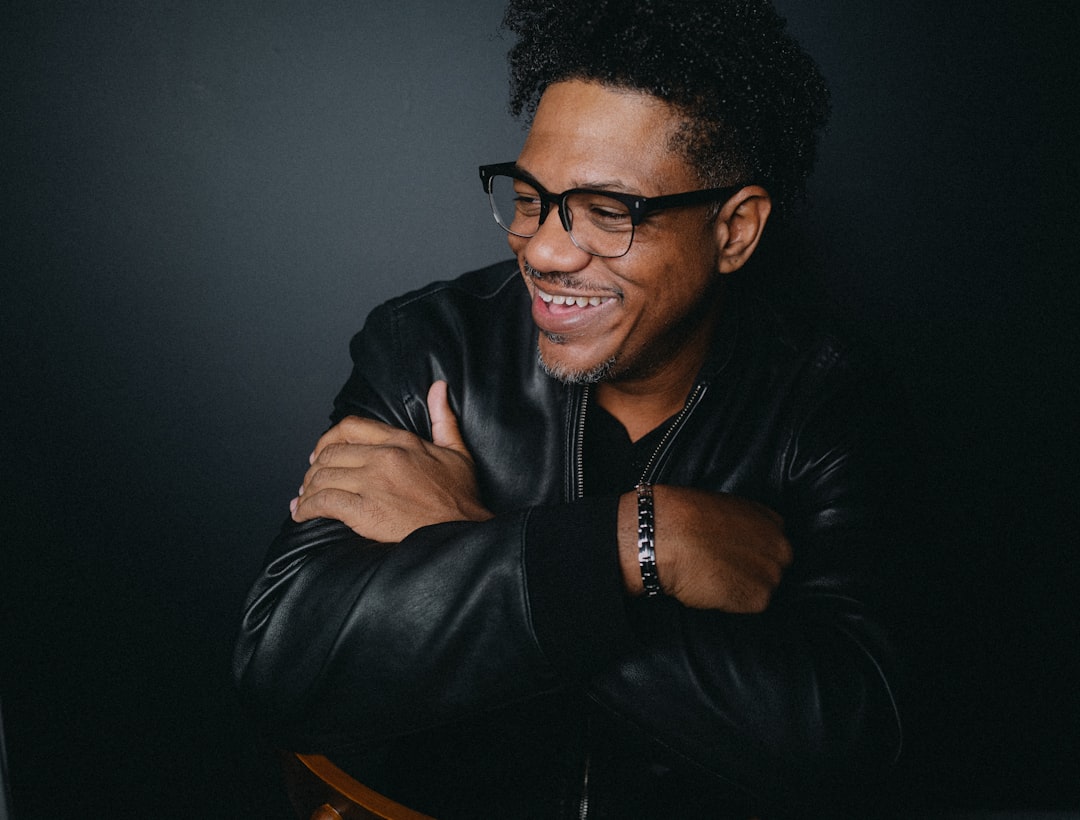
Michael Olise, the dynamic right-winger for Bayern Munich, has become the focal point of a major European transfer narrative this summer. The 22-year-old French international has reportedly given his consent to leave the German giants, signaling a potential end to his tenure at the Allianz Arena. This development intensifies speculation surrounding his future, with several top-tier European clubs preparing substantial offers to secure the services of one of the most promising attacking talents in world football. For Balkan football fans, the saga is particularly relevant due to the intense interest from clubs in the region and the broader implications for the transfer market dynamics in Southeast Europe.
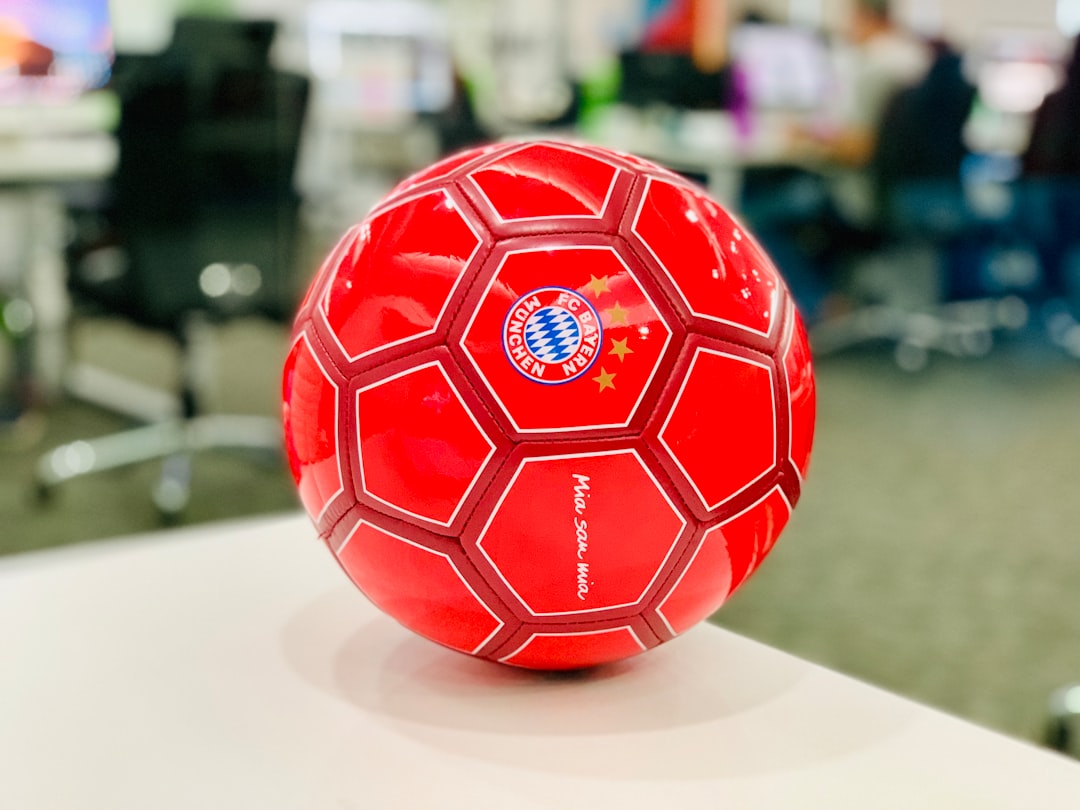
The situation at Bayern Munich has grown increasingly tense as the club’s attempts to extend Olise’s contract have stalled. The player’s current deal runs until 2027, but his dissatisfaction with the proposed terms and his role within the squad has created a rift. Reports indicate that Olise is eager for a fresh start, a move that could see him command a significant transfer fee. The German side is now under pressure to either negotiate a new contract or risk losing a key asset for a fraction of his market value. This high-stakes scenario has drawn attention from across the continent, with scouts and agents monitoring every development closely.
Contract Dispute and Player Ambitions
The core of the issue lies in the disagreement over salary expectations and playing time. Michael Olise joined Bayern Munich from Crystal Palace in 2024 in a deal worth approximately €53 million, making him one of the most expensive signings in the club’s history. However, his integration into the first team has been hampered by injury concerns and stiff competition from established stars like Jamal Musiala and Leroy Sané. Olise has expressed frustration with the limited opportunities he has received, arguing that a regular starting position is essential for his development and international career with the French national team.
Bayer Munich’s management has been reluctant to meet Olise’s wage demands, citing the club’s financial fair play considerations and the need to maintain a balanced squad hierarchy. The player’s representatives have made it clear that staying at the club is contingent upon a guaranteed starting role and a substantial salary increase. As negotiations have broken down, Olise has reportedly instructed his agents to explore options elsewhere. This proactive stance has emboldened interested clubs, who see a window of opportunity to sign a player of his caliber before the transfer deadline.
Top Clubs in the Hunt
Several elite European clubs have emerged as serious contenders for Olise’s signature. Paris Saint-Germain is widely considered the frontrunner, given the player’s French nationality and the club’s ambition to rebuild its attacking line. The Parisians are willing to offer a lucrative contract that would make Olise one of the highest-paid players in Ligue 1. Other interested parties include Manchester City and Real Madrid, both of whom view him as a long-term investment capable of enhancing their squad depth and creativity.
In the Balkans, Partizan Belgrade and Red Star Belgrade have been mentioned in speculative reports, though these links are largely dismissed by experts as unrealistic given the financial disparity. However, the interest from clubs in the region highlights the growing influence of Balkan football markets in European transfer dealings. Additionally, Steaua Bucharest and Dinamo Bucharest fans have shown keen interest in the saga, reflecting the broader enthusiasm for high-profile transfers in Romanian football. The competition for Olise is expected to drive up his transfer value, potentially setting a new benchmark for young wingers in the market.
Impact on the Balkan Football Landscape
While Olise’s primary suitors are based in Western Europe, the transfer saga has resonated deeply with Balkan audiences. The region has a rich history of producing and developing football talent, and the prospect of seeing a star player of Olise’s caliber join a local club, even if speculative, fuels dreams of greater competitiveness on the continental stage. Fans in Serbia, Romania, and Croatia closely monitor such transfers as indicators of the financial health and ambition of their domestic clubs. The involvement of Balkan media in reporting on the saga underscores the interconnectedness of European football and the shared passion for the sport across borders.
Furthermore, the situation highlights the strategic importance of contract management for clubs in the Balkans. As seen in Olise’s case, failing to secure a player’s long-term commitment can lead to significant financial losses and tactical disruptions. Balkan clubs, which often operate with tighter budgets, must learn from these high-profile examples to better navigate negotiations and retain key players. The transfer market is increasingly globalized, and understanding the dynamics at play in top European leagues is essential for clubs in the region to remain competitive and attract international talent.

The coming weeks will be critical in determining Michael Olise’s future. Bayern Munich must decide whether to sell, negotiate a new deal, or risk losing him for free in the future. For interested clubs, timing and financial offers will be decisive. For Balkan fans, the saga serves as a reminder of the dynamic nature of European football and the global reach of transfer news. Whether Olise moves to Paris, London, or elsewhere, his career trajectory will continue to captivate audiences across the continent, including the passionate fan bases in the Balkans who follow every twist and turn in the world’s most popular sport.

Comments