


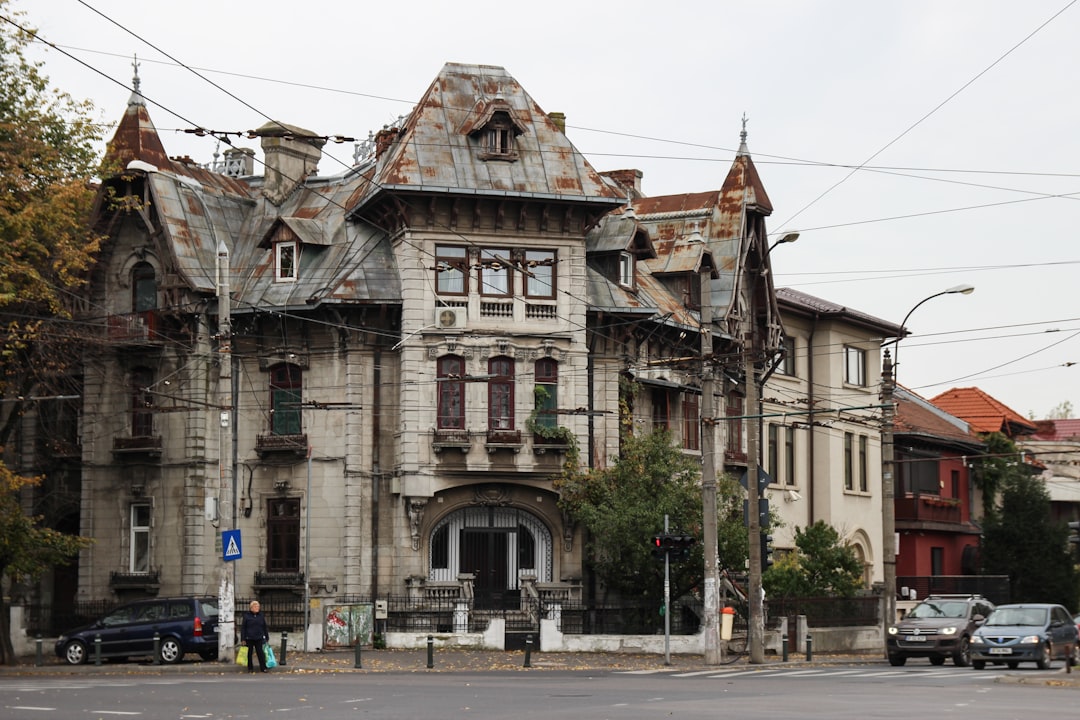
Bucharest’s state-owned metro operator, Metrorex, has initiated a significant procurement process to enhance the security of its underground network. The company has launched a tender worth over 250 million lei (approximately €50 million) to hire security personnel for the city’s metro stations. This substantial investment addresses growing safety concerns and aims to modernize the security infrastructure as the capital prepares for major infrastructure upgrades, including the upcoming Olympic Games bid and the extension of metro lines. The move signals a shift towards a more visible and robust security presence in public transportation, reflecting broader trends in urban safety management across the Balkans.
Context of the Security Tender
The tender, recently published on the Romanian electronic procurement platform SEAP, seeks to cover security services for a period of three years. Metrorex is looking to engage private security firms to provide guards for all active stations across the four existing lines (M1, M2, M3, and M4). The contract value is among the largest for non-infrastructural services in the Romanian public transport sector. The primary goal is to ensure continuous monitoring, prevent vandalism, and assist passengers during peak hours. This follows a series of incidents in recent years that highlighted gaps in station security, prompting pressure from local authorities and citizens for improved safety measures.

The procurement process is competitive, requiring bidders to meet strict criteria regarding experience, personnel qualifications, and equipment standards. Metrorex has emphasized that the new security framework will integrate with existing surveillance systems, including CCTV networks and emergency communication tools. The tender documents specify that security personnel must be trained in crowd control, first aid, and conflict de-escalation. This professionalization of the security force is part of a wider strategy to align Bucharest’s metro system with European standards for public transport safety. The company has stated that the contract will be awarded based on a combination of price and technical quality, ensuring that the selected providers can deliver high-level service.
Impact on Commuters and Urban Safety
For the millions of residents who rely on the Bucharest Metro daily, the introduction of dedicated security guards at every station represents a tangible improvement in the travel experience. Commuters have long reported issues with ticket fraud, petty theft, and occasional disruptive behavior in underground facilities. The presence of uniformed security staff is expected to deter criminal activity and provide immediate assistance in case of emergencies. This is particularly important during rush hours, when stations like Piața Romană and Unirii experience heavy foot traffic. Enhanced security can also contribute to a greater sense of confidence among passengers, encouraging more people to use public transport rather than private cars.
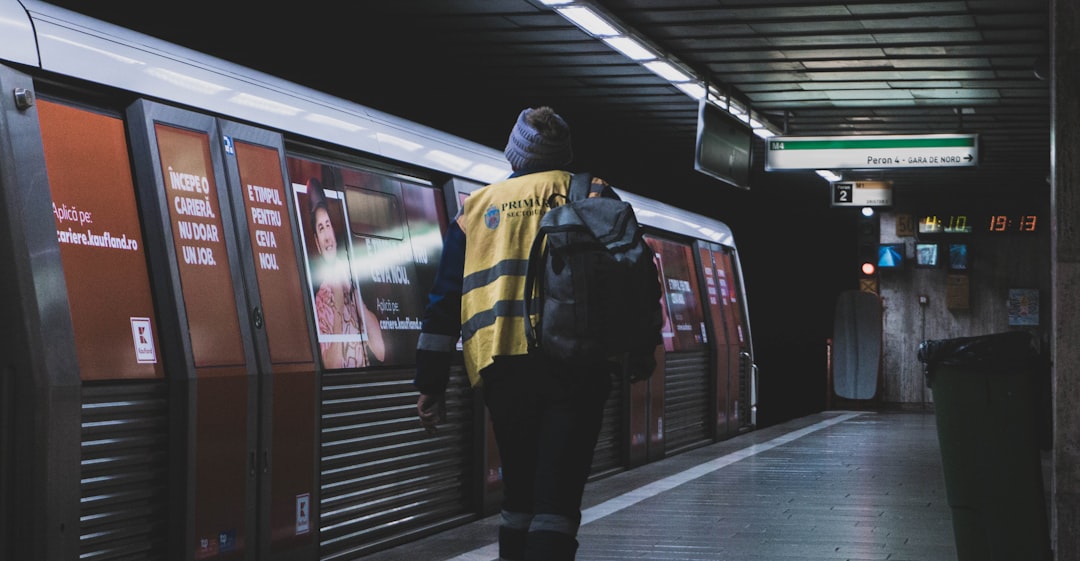
The investment also has economic implications for the private security sector in Romania. With a budget of €50 million over three years, the contract will create hundreds of jobs for security guards and support staff. Major national security firms are likely to compete for the contract, potentially leading to innovation in service delivery, such as the use of mobile patrol units or advanced monitoring technologies. However, the success of the initiative will depend on effective implementation and oversight. Metrorex will need to ensure that security personnel are adequately trained and that their presence is perceived as helpful rather than intrusive. Public feedback will be crucial in refining the service and addressing any concerns that may arise during the initial months of operation.
Balkan Angle: Regional Infrastructure Trends
Bucharest’s move to upgrade metro security reflects a broader trend in the Balkans, where major cities are investing heavily in public transportation infrastructure to support urban growth and international events. Romania is currently preparing a bid to host the 2036 Summer Olympics, with Bucharest as the lead city. As part of this bid, the government has committed to expanding the metro network, including the construction of new lines and the modernization of existing stations. Enhanced security is a key component of this modernization effort, aligning with international standards required for hosting global sporting events. Similar investments are being seen in other Balkan capitals, such as Sofia and Belgrade, where metro systems are being expanded and upgraded to meet rising demand.
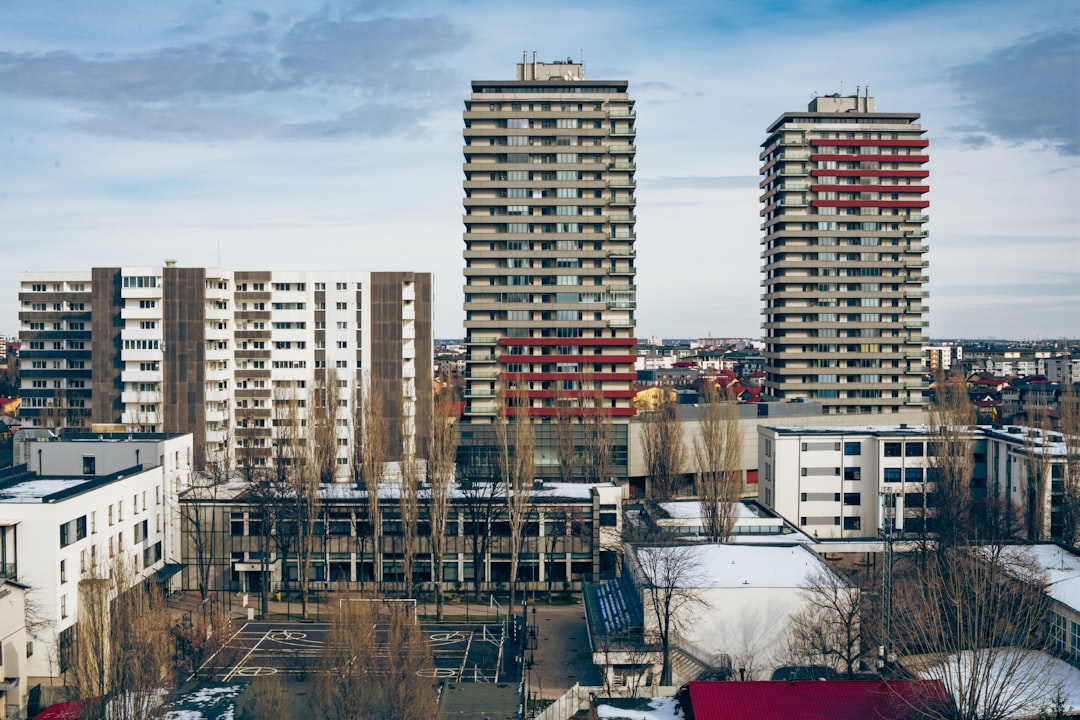
The Balkan region has seen significant progress in public transport development in recent years, driven by EU funding and national priorities. Romania, in particular, has benefited from European Structural and Investment Funds to finance metro expansions and improvements. The security tender is part of this larger ecosystem of infrastructure development, which aims to make cities more livable, sustainable, and attractive to tourists and investors. By prioritizing safety and efficiency, Bucharest is setting an example for other regional cities that are grappling with similar challenges of urbanization and transport modernization. The success of this initiative could serve as a model for other Balkan capitals seeking to enhance their public transport systems.
Looking ahead, the awarding of the security contract is expected in the coming months, with services likely to commence in early 2024. Passengers should anticipate a more visible security presence at stations, including increased patrols and better emergency response capabilities. Metrorex has pledged to communicate regularly with the public about the progress of the tender and the implementation of new security measures. For Balkan audiences, this development underscores the importance of investing in urban infrastructure to support economic growth and quality of life. As Bucharest continues to evolve, the safety and reliability of its metro system will remain a critical factor in its success as a regional hub.


Comments