


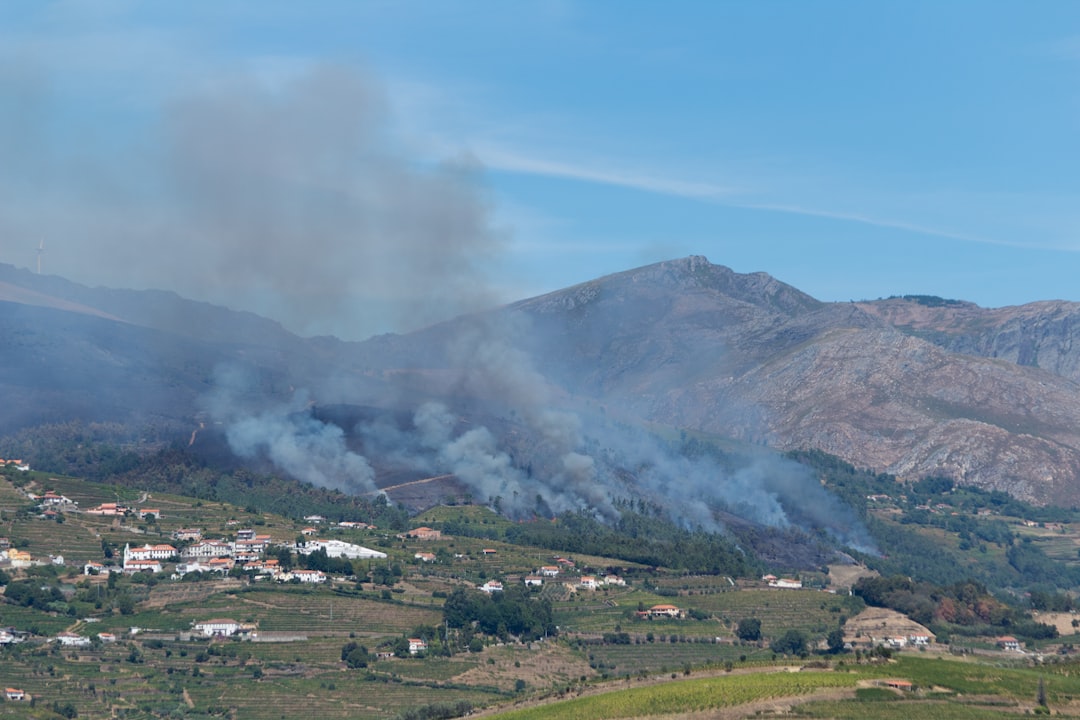
A fire incident involving a train on the Bucharest Metro network has reignited intense discussions across the Balkans regarding the safety standards of aging underground transit systems. The event, which occurred on one of the capital's busiest lines, resulted in temporary service disruptions and emergency evacuations, though fortunately no major casualties were reported. This incident serves as a stark reminder of the vulnerabilities inherent in high-density public transportation networks that are increasingly under pressure to serve growing urban populations in Southeast Europe.
The immediate response involved local fire and rescue services, who managed to contain the blaze before it could spread to adjacent stations. Passengers were evacuated safely, but the psychological impact on commuters and the logistical nightmare of rerouting thousands of travelers have left a lasting impression. For regional authorities, this event is not merely an isolated accident but a potential catalyst for a broader review of maintenance protocols and emergency preparedness strategies across national metro systems.
Background of the Incident and Infrastructure Challenges
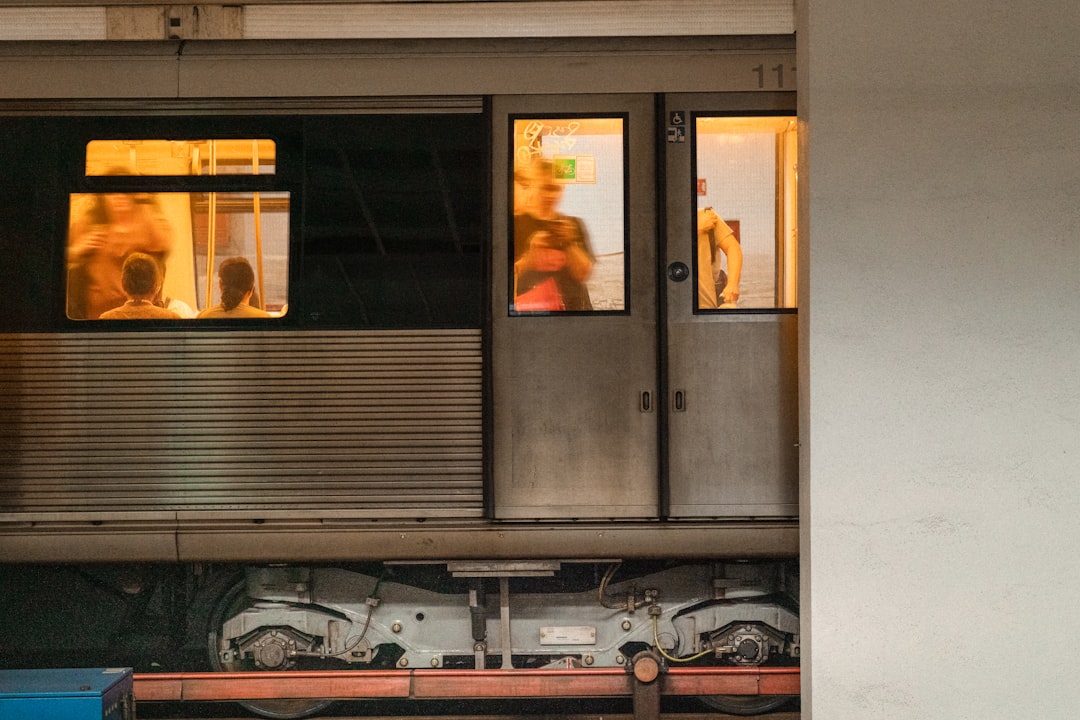
The Bucharest Metro, often referred to locally as Metroul din București, has been the backbone of the city's public transport since the 1970s. While it is the only metro system in Romania, it faces significant challenges common to many post-socialist transit networks: aging rolling stock, outdated signaling systems, and strained maintenance budgets. The recent fire is suspected to have originated from an electrical fault in one of the train cars, a recurring issue in fleets that have operated for decades without comprehensive modernization.
Technical inspections following the incident revealed signs of wear and tear on critical electrical components. Experts point out that while regular maintenance is conducted, the sheer volume of daily passengers—often exceeding capacity during peak hours—accelerates the degradation of infrastructure. The Metroul București operates several lines, including Line M1, M2, M4, and M6, with Line M1 being the oldest and most heavily utilized. The pressure to keep trains running without extensive downtime often leads to deferred maintenance, increasing the risk of mechanical failures.
International standards for metro safety require rigorous testing and frequent replacement of high-risk components. However, balancing these requirements with operational continuity remains a complex task for transit authorities. The incident has prompted calls for accelerated funding from the European Union to support the modernization of the fleet and the implementation of advanced fire detection systems. Without such investments, the risk of similar incidents remains a persistent concern for daily commuters and city planners alike.
Regional Implications and Comparative Safety Standards
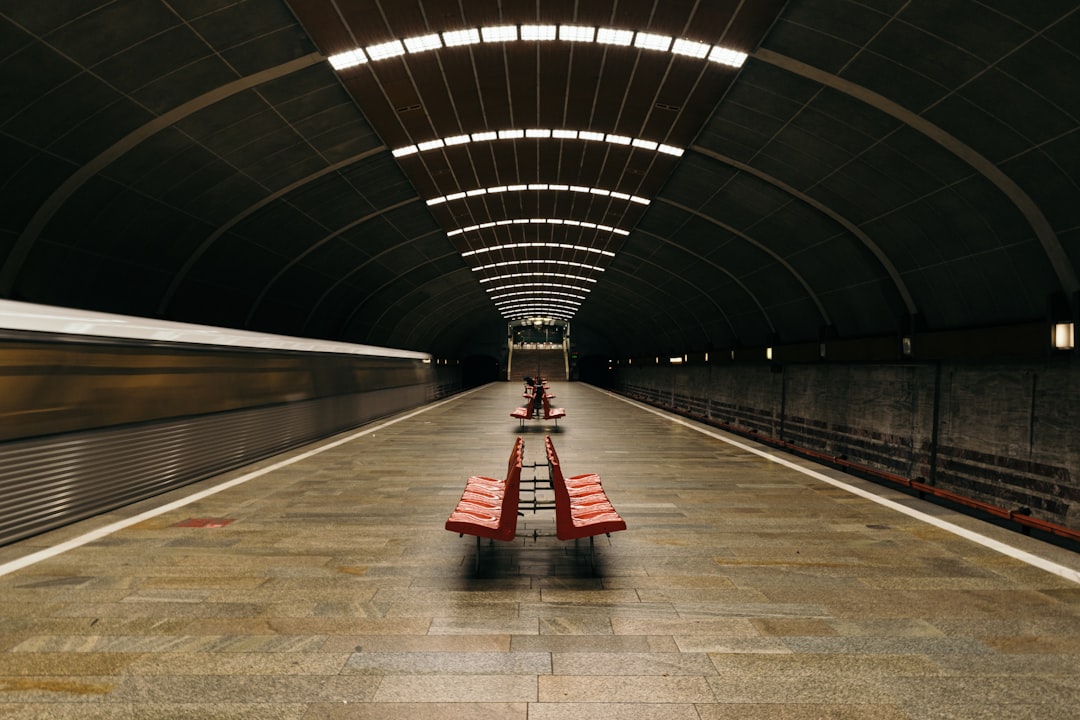
The Bucharest incident has drawn parallels with other metro systems in the Balkans, particularly in Sofia and Belgrade, which also operate older networks inherited from the socialist era. The Sofia Metro, while relatively modern in parts, still relies on some older technology that requires constant vigilance. Similarly, the Belgrade Metro project has faced years of delays, leaving the city reliant on surface transport and raising questions about future safety standards once the underground network finally opens.
Comparative analysis shows that while Western European metros have largely completed their modernization cycles, Southeast European systems are still in transition. This gap creates a disparity in safety protocols and emergency response capabilities. For instance, automatic train protection systems and real-time fire suppression mechanisms are standard in newer networks but are only gradually being introduced in older ones. The Bucharest fire underscores the urgency of closing this technological divide to prevent catastrophic failures.
Furthermore, the incident highlights the importance of cross-border cooperation in transit safety. Sharing best practices, technical expertise, and emergency response strategies can significantly enhance the resilience of regional metro networks. Organizations like the International Association of Public Transport (UITP) play a vital role in facilitating this exchange, but local implementation remains key. Governments in the region must prioritize safety over short-term operational gains to ensure the long-term viability of their public transport systems.
The Balkan Angle: Public Trust and Future Investments
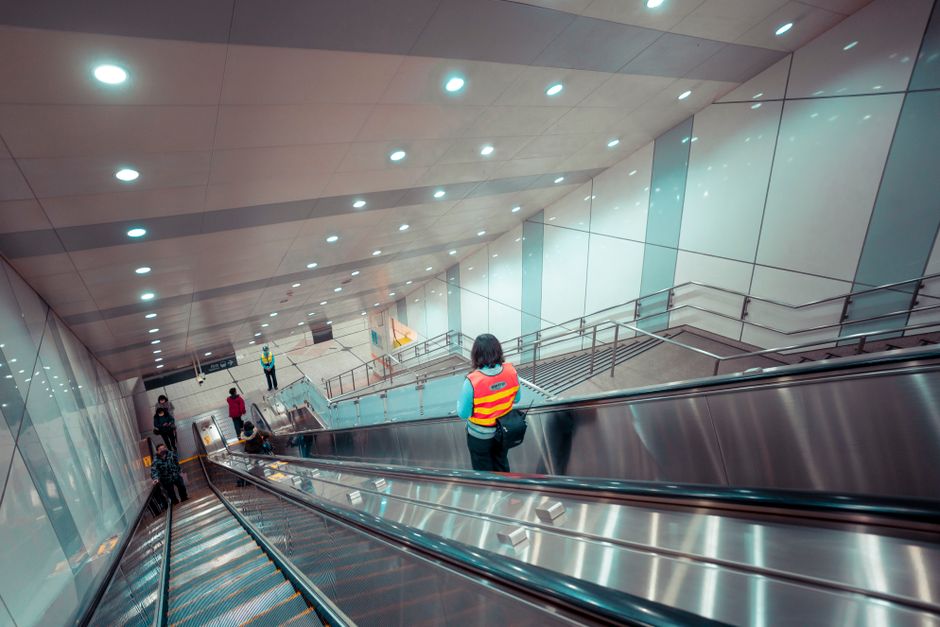
Public trust in public transportation is fragile, and incidents like the Bucharest fire can erode confidence quickly. Commuters are increasingly demanding transparency regarding safety records and maintenance schedules. In the Balkans, where public skepticism towards institutional competence is often high, such events can fuel broader political debates about infrastructure spending and governance. The Romanian Ministry of Transport has faced criticism in the past for slow progress on modernization projects, and this incident may intensify calls for accountability.
From an economic perspective, reliable and safe public transport is essential for urban development and economic growth. A breakdown in service not only inconveniences passengers but also disrupts business operations and reduces productivity. The long-term cost of inaction—potential accidents, legal liabilities, and loss of public confidence—far outweighs the investment required for modernization. Therefore, the Bucharest incident should be viewed as an opportunity to advocate for comprehensive reforms rather than a mere operational hiccup.
Looking ahead, the focus will be on the implementation of corrective measures and the acceleration of modernization plans. The Metroul București management has promised a thorough investigation and immediate repairs, but stakeholders are watching closely to see if these promises translate into tangible improvements. Regional observers will also monitor how other Balkan cities respond to this event, whether by tightening their own safety protocols or by seeking collaborative solutions with Bucharest.
The incident serves as a critical juncture for the Balkan transit sector. It highlights the urgent need for sustained investment, technological upgrades, and a cultural shift towards proactive safety management. As urbanization continues to accelerate in the region, the reliability and safety of metro systems will become even more paramount. The coming months will reveal whether this incident leads to meaningful change or remains a cautionary tale of missed opportunities.



Comments