


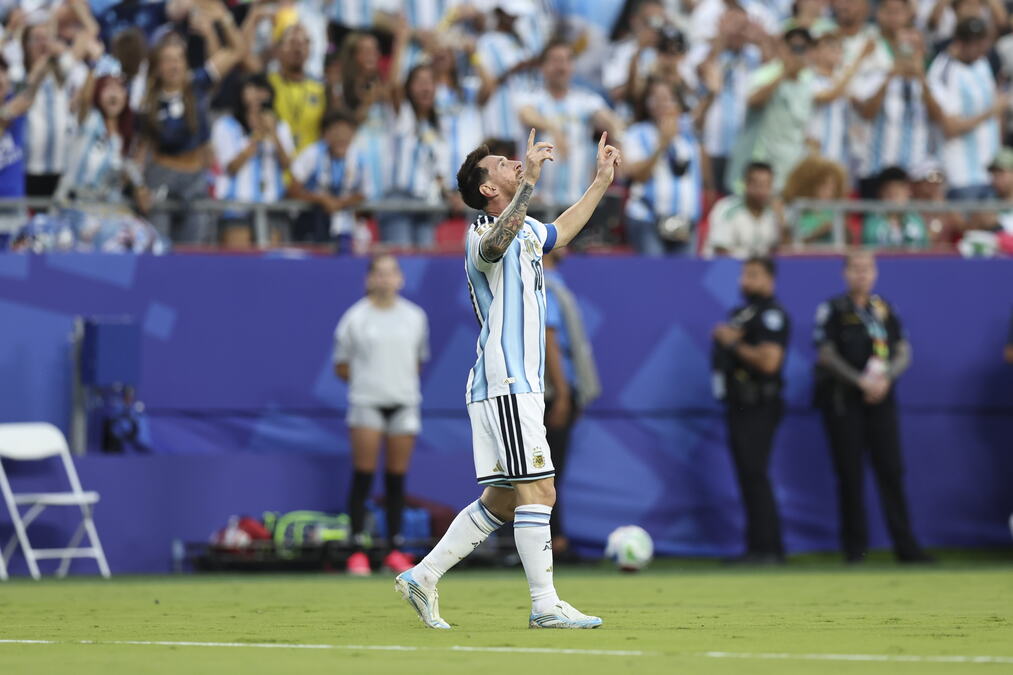
A Night For The History Books
The stage was set, the lights were blazing, and Lionel Messi stepped onto the pitch not just as a captain, but as a living legend. In a performance that defied logic and age, the Argentine maestro dismantled Algeria with a clinical 3-0 victory, sending shockwaves through the global football community. This wasn’t merely a win; it was a coronation of endurance and artistry on the grandest stage of them all.
At 38 years old, the wizard from Rosario didn’t just participate; he dominated. His hat-trick propelled him further up the all-time FIFA World Cup scoring charts, igniting a fierce pursuit of the legendary Miroslav Klose’s record of 16 goals. Entering the tournament with 13, every strike now feels like a step toward immortality. The first goal alone, a thunderous projectile from distance, has already been hailed by pundits as one of the most spectacular efforts of the competition so far.
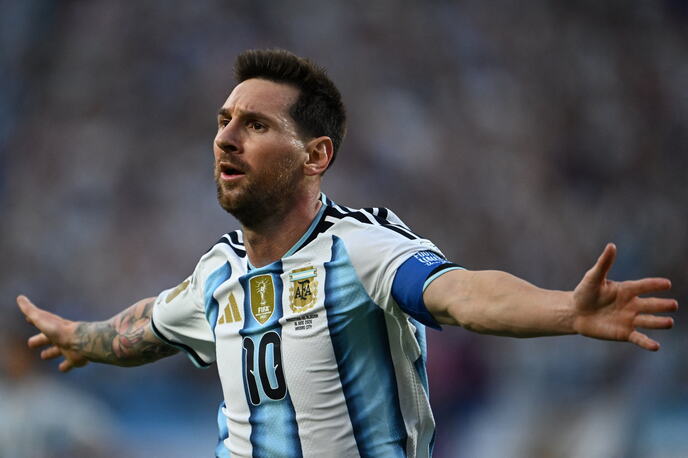
Shattering The Limits
History isn’t just written in this game; it’s rewritten. Messi became the first footballer in history to compete in six World Cups, a feat once thought impossible for the human body to sustain at an elite level. This match also marked his 200th appearance for the national team, joining an exclusive club of immortals. Even more staggering, he became only the second player, alongside Cristiano Ronaldo, to score in five different World Cup tournaments. The boundaries of what is considered possible have been obliterated.
As Argentina dreams of lifting the trophy once more, Messi continues to defy the clock. He holds the record for most appearances at the World Cup, and with every pass, every sprint, and every goal, he widens the gap between himself and the rest of football history. The planet isn’t just talking about him; it’s watching in awe as he turns the impossible into routine. The question isn’t if he will leave a legacy, but how much further he can push the limits before his time runs out.


fenerbahce were miles better this season tbh but messi on another planet rn... honestly didn't see him play 6 world cups lol