


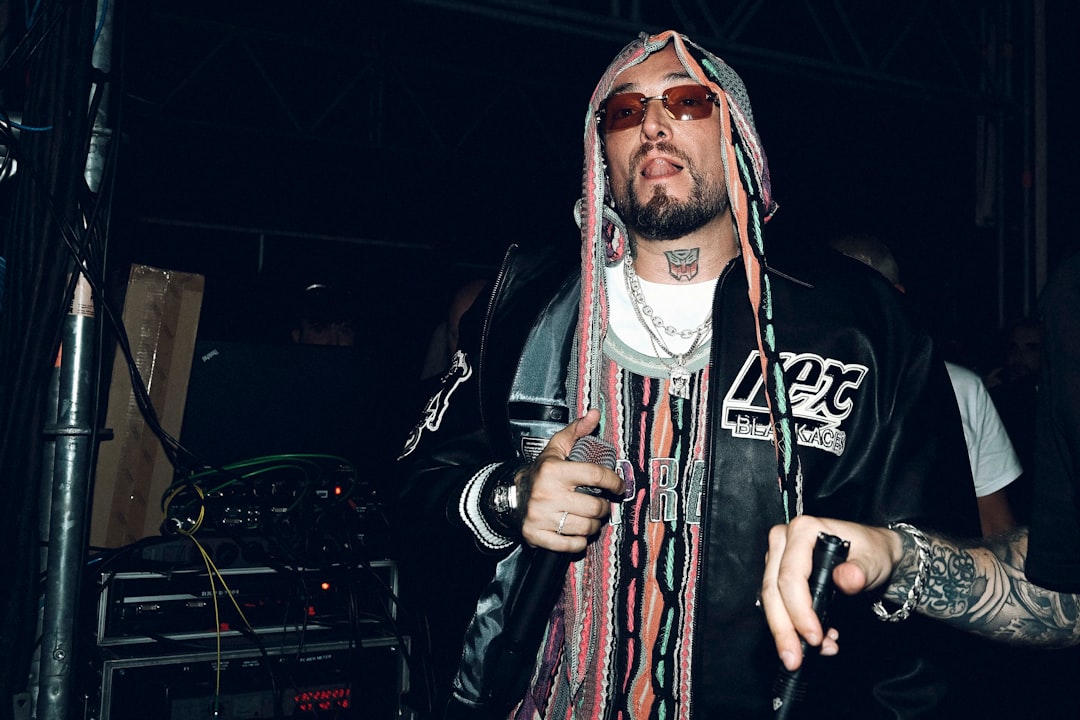
Belgrade-based rapper MC Stojan saw his scheduled performance in Croatia abruptly cancelled after a significant structural failure occurred on stage. The incident, which took place during a high-profile concert, forced the immediate evacuation of the audience and the cessation of all musical activities. This event has sparked widespread discussion across the Balkans, highlighting ongoing concerns regarding safety standards at large-scale public gatherings and music festivals in the region. For fans of the Serbian hip-hop scene, the sudden stop to the show was a shock, underscoring the unpredictable nature of live entertainment logistics.
The rapper, whose real name is Stefan Đurić, is one of the most prominent figures in the Serbian urban music scene. Known for his energetic performances and socially conscious lyrics, he has amassed a massive following not only in Serbia but throughout the former Yugoslav republics. The concert was intended to be a major stop on his recent tour, drawing thousands of fans to the venue. However, the structural integrity of the stage setup proved insufficient for the demands of the performance, leading to a dramatic collapse that was captured on video by attendees and widely shared on social media platforms.
Details of the Incident and Immediate Aftermath
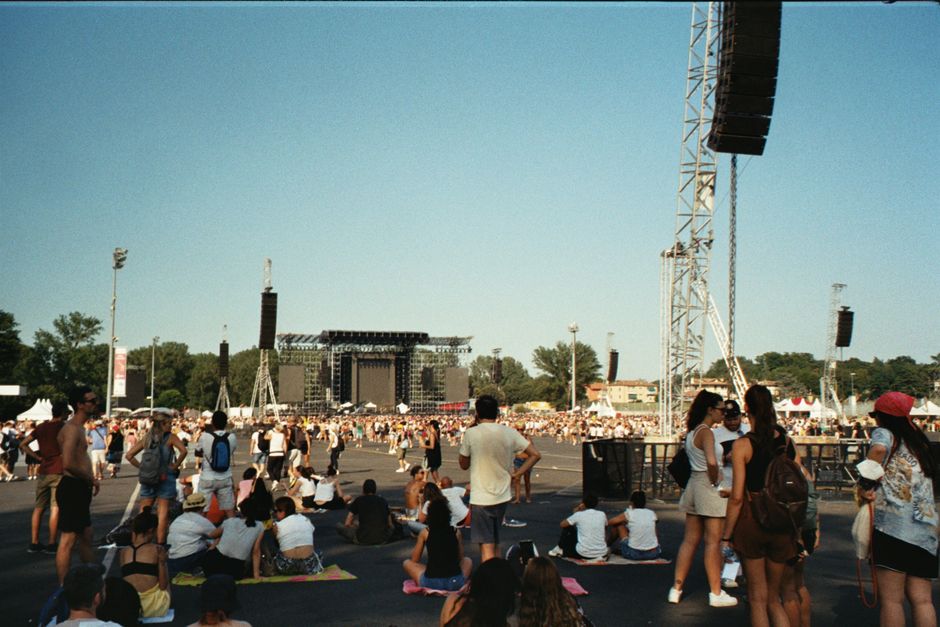
According to initial reports, the stage structure began to give way during the height of the performance. Witnesses described a loud cracking sound followed by the rapid descent of platform sections. MC Stojan, who was performing at the time, reportedly jumped to safety, avoiding serious injury. The swift reaction of the artist prevented what could have been a much more severe tragedy. Emergency services were called to the scene immediately to assess the damage and ensure the safety of the crowd. The audience, initially confused by the sudden halt in music, was guided out of the area by security personnel and event staff.
The venue management has since issued a statement expressing deep regret over the incident. They emphasized that the collapse was due to unforeseen technical failures and that an investigation has been launched to determine the exact cause. The statement assured fans that refunds would be processed for all ticket holders. However, the incident has raised questions about the vetting of equipment and the expertise of the production teams hired for such large events. In the Balkans, where private organizers often handle major festivals, ensuring rigorous safety checks remains a persistent challenge for local authorities and event planners alike.
Impact on Regional Event Safety Standards
This incident serves as a stark reminder of the potential dangers associated with temporary stage constructions. In recent years, several countries in the Balkans have tightened regulations regarding public gatherings and stage safety, particularly after previous incidents involving crowd crushes and structural failures. The collapse in Croatia adds to the pressure on event organizers to adhere to stricter international safety standards. Experts in event management argue that independent inspections of stage rigging and load-bearing capacities should be mandatory before any show begins. The lack of such oversight in this case has drawn criticism from safety advocates and industry professionals.
The reaction from the public has been mixed, with many fans expressing relief that no one was seriously hurt while others are demanding accountability from the organizers. Social media platforms have been flooded with videos of the collapse, some of which have garnered millions of views. The viral nature of the footage has amplified the scrutiny on the event's production company. In Serbia and Croatia, where live music culture is vibrant and deeply embedded in social life, incidents like this resonate deeply. They remind audiences that while the entertainment value is high, the underlying infrastructure must be robust enough to support it.
MC Stojan's Career and Balkan Influence
MC Stojan rose to fame in the late 2000s with his debut album "Praznik za narod", which blended hip-hop beats with traditional Serbian folk elements. His music often addresses social issues, political corruption, and everyday struggles, resonating with a young, urban demographic. Over the years, he has collaborated with international artists and headlined major festivals across the Balkans. His influence extends beyond music; he is seen as a cultural icon who has helped shape the modern sound of Serbian hip-hop. Fans appreciate his authenticity and his willingness to speak truth to power, which has solidified his status as a beloved figure in the region.
The incident in Croatia is unlikely to dampen his popularity, but it does highlight the risks inherent in his profession. Touring extensively across the Balkans requires navigating varying levels of infrastructure quality and regulatory enforcement. For MC Stojan, whose brand is built on connection with his audience, the safety of his fans is paramount. He has taken to social media to thank fans for their support and to reassure them that he is safe. The rapper also emphasized the importance of safety protocols, urging organizers to prioritize the well-being of attendees over spectacle. His stance has been widely praised, reinforcing his image as a responsible and caring artist.

What to Watch For Next
In the coming weeks, the focus will shift to the official investigation report. Authorities in Croatia are expected to release findings regarding the cause of the collapse, which could lead to fines or sanctions for the event organizers. There may also be calls for legislative changes to improve safety standards for live events in the country. For MC Stojan, the immediate concern is rescheduling the cancelled shows and ensuring that future performances are conducted under safer conditions. Fans will be watching to see how the rapper and his team handle the fallout, as well as any potential legal actions from ticket holders.
This incident is a cautionary tale for the entire Balkan music industry. It underscores the need for greater investment in safety infrastructure and more rigorous oversight of event production. As live music continues to thrive in the region, ensuring that venues and stages are up to code is not just a regulatory requirement but a moral imperative. The resilience of the Balkan music scene is evident in its ability to recover from such setbacks, but learning from these mistakes is essential to prevent future tragedies. The coming months will test the commitment of organizers and authorities to making live events safer for everyone involved.

Comments