



Former Romanian international Marius Alexe has officially taken the reins as head coach of Dinamo București’s Under-18 academy team, marking a significant step in his transition from player to educator. The 32-year-old midfielder, who earned 19 caps for the Romanian national team and played for clubs including CFR Cluj, Steaua București, and Rapid Vienna, brings a wealth of top-flight experience to the youth setup. This appointment underscores a broader trend in Romanian football, where former professionals are increasingly being integrated into youth development roles to bridge the gap between elite performance and grassroots training.
Alexe’s move to Dinamo’s academy comes at a time when Romanian clubs are under pressure to produce homegrown talent capable of competing in Europe. With financial constraints limiting transfer budgets, clubs like Dinamo are turning to internal development as a sustainable model. Alexe, known for his technical proficiency and tactical intelligence during his playing days, is tasked with shaping the next generation of Dinamo players. His appointment signals a commitment to long-term growth rather than short-term fixes, a philosophy that resonates with fans and stakeholders alike.
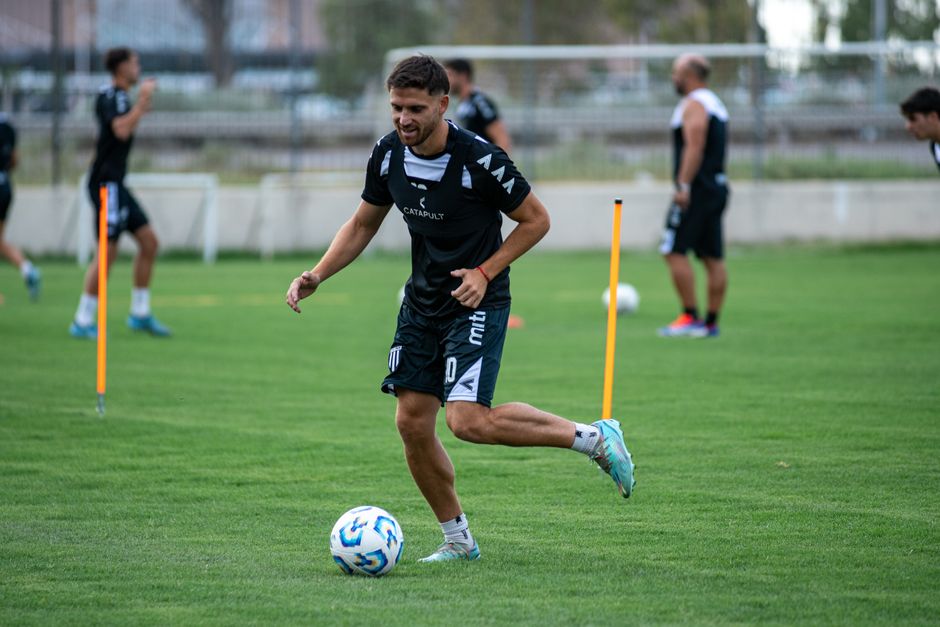
From Professional Pitch to Academy Bench
Marius Alexe’s playing career spanned over a decade, during which he established himself as a reliable midfielder in Liga I. After retiring from professional football in 2022, he pursued coaching certifications and began working with youth teams, including stints at Steaua București and FC Voluntari. His appointment at Dinamo follows a successful trial period where he demonstrated an ability to connect with young players and implement modern training methodologies. The club’s sporting director praised Alexe’s “clear vision” and “proven track record” in player development.
Alexe’s coaching style emphasizes technical refinement, positional awareness, and decision-making under pressure — skills he honed during his time at clubs like CFR Cluj, which won multiple Liga I titles during his tenure. He has also studied abroad, attending coaching seminars in Germany and the Netherlands to incorporate European best practices into his curriculum. This blend of domestic experience and international exposure positions him well to elevate Dinamo’s youth output. Former teammates have noted his “leadership qualities” and “ability to mentor younger players,” traits that translate seamlessly into a coaching role.
The Romanian Football Federation (FRF) has recently prioritized youth development as part of its strategic plan to improve the national team’s performance in international competitions. Clubs are encouraged to invest in academies and employ former professionals as coaches, a policy that aligns with Alexe’s appointment. His role at Dinamo is seen as a model for other clubs seeking to replicate this approach. By leveraging the expertise of former players, Romanian football aims to create a more cohesive development pathway from grassroots to professional level.

Impact on Romanian Football and the Balkan Context
Dinamo București, one of Romania’s most historic clubs, has faced financial and sporting challenges in recent years, including relegation to Liga II in 2023. The club’s return to Liga I in 2024 has reignited hopes among fans, but sustainable success requires a strong youth pipeline. Alexe’s appointment is part of a broader restructuring effort that includes new investments in training facilities and scouting networks. The club’s leadership believes that developing homegrown talent is essential for both competitive performance and financial stability.
In the broader Balkan context, Romania’s focus on youth development mirrors trends in neighboring countries like Serbia and Croatia, where academies have produced numerous international stars. Clubs such as Partizan Belgrade and Dinamo Zagreb have long relied on their youth systems to sustain success. Alexe’s role at Dinamo contributes to this regional narrative, highlighting how former players can drive development in their home countries. Romanian fans are watching closely to see if this model can yield results in the coming years, particularly in European competitions.
The Romanian Football Federation has also introduced new regulations to support youth academies, including mandatory coaching qualifications and minimum spending on development. These measures aim to raise standards across the country and ensure that clubs like Dinamo can compete on equal footing with their Balkan rivals. Alexe’s appointment is a testament to the FRF’s efforts to professionalize coaching and create a more structured development environment. If successful, this approach could inspire other clubs to follow suit, strengthening Romanian football as a whole.
What to Watch Next
As Marius Alexe settles into his new role, all eyes will be on Dinamo’s U18 team to gauge the impact of his coaching. Early indicators of success will include improved technical performance, tactical discipline, and the emergence of standout talents ready for first-team promotion. Fans and analysts will also monitor how Alexe integrates modern training methods with traditional Romanian football values. His ability to produce results on the pitch will determine whether this model becomes a blueprint for other clubs.
The broader implications for Romanian football are significant. If Dinamo’s youth development strategy succeeds, it could lead to increased investment in academies nationwide and a stronger pipeline of talent for the national team. Balkan audiences, who closely follow regional football developments, will be interested in how Romania’s approach compares to its neighbors. Alexe’s journey from professional player to academy coach embodies the evolving landscape of Balkan football, where experience and innovation combine to shape the future of the game.
For now, the focus remains on Dinamo’s youth setup and the potential for Alexe to replicate the success seen in other Balkan academies. With a clear vision and the support of club leadership, he is well-positioned to make a lasting impact. As Romanian football continues to prioritize development, figures like Alexe will play a key role in determining whether the country can reclaim its status as a footballing force in the Balkans and beyond.
Comments