


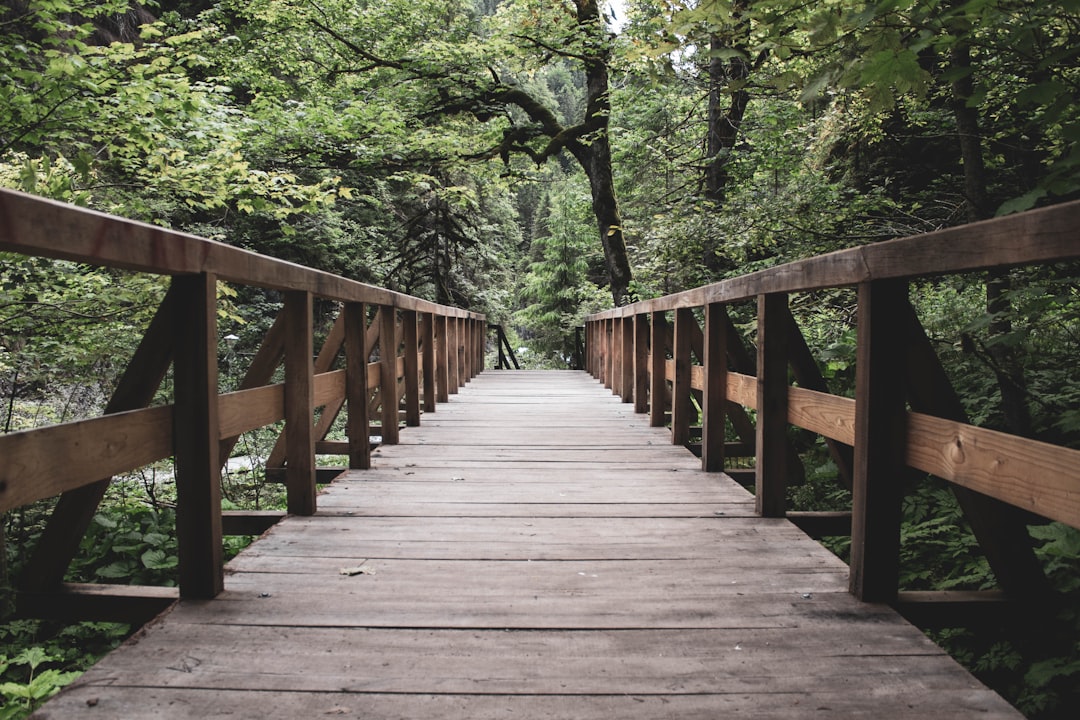
The air in Mamaia doesn't just smell of salt; it smells of cheap sunscreen, stale beer, and the desperate ambition of a thousand people trying to forget they are on a Tuesday. I am standing on the famous Boardwalk, a wooden spine that cuts through the chaos like a nervous system. To my left, a bass-heavy club thumps against the ribs of anyone under thirty. To my right, the Black Sea churns a muddy, relentless grey, indifferent to the neon lights blinking above. A vendor shouts in a dialect that sounds like it was forged in a post-industrial factory, selling grilled mackerel wrapped in newspaper. I buy one. It is greasy, salty, and costs less than a coffee in Bucharest. This is not the Riviera. This is not the Mediterranean. This is the Romanian coast, a place where the glamour is artificial, the crowds are real, and the boardwalk culture is less a leisure activity and more a national ritual of survival.
People ask why I come back. They see the concrete blocks, the crowded beaches, the traffic jams that stretch for miles. They don't see the pulse. This strip, stretching from Eforie to Costinești, is a pressure valve for a nation that has spent decades looking west but staying east. It is loud, it is messy, and it is utterly captivating. The boardwalk isn't just a place to walk; it's the stage. And tonight, the show is in full swing.
History & Identity
The story of Mamaia begins not with tourists, but with royalty. In the late 19th century, King Carol I of Romania recognized the potential of this windswept peninsula. He built a modest wooden palace, Palatul Regal, in 1890, creating the first seaside resort in the country. It was a symbol of modernity, a nod to the European style of leisure that the monarchy wanted to emulate. For decades, it remained a quiet retreat for the elite, a place where the aristocracy could escape the heat of the capital.
Then came the communist era, and everything changed. The regime nationalized the coast, turning it into a state-run holiday destination for the workers. The wooden elegance was replaced by brutalist concrete. The Boardwalk was extended, not for romance, but for mass movement. The beach became a place of organized leisure, with strict hours and state-controlled amenities. The glamour was stripped away, replaced by a utilitarian functionality that defined the post-war era. Yet, even in those grey years, the sea remained a magnet. Families made the pilgrimage, bringing their own food, their own radios, and their own hope for a weekend of freedom.
After the fall of the regime in 1989, the coast exploded. Private investors flocked to the area, building high-rise hotels, nightclubs, and shopping centers. The Boardwalk became the center of this new consumerist universe. It was no longer just a path; it was a commercial artery, lined with bars, restaurants, and souvenir shops. The identity of the coast shifted from a state-controlled retreat to a wild, unregulated playground. The neon lights returned, brighter and louder than ever. The boardwalk culture persisted because it adapted, absorbing the chaos and turning it into its own unique form of entertainment.
Where to Go
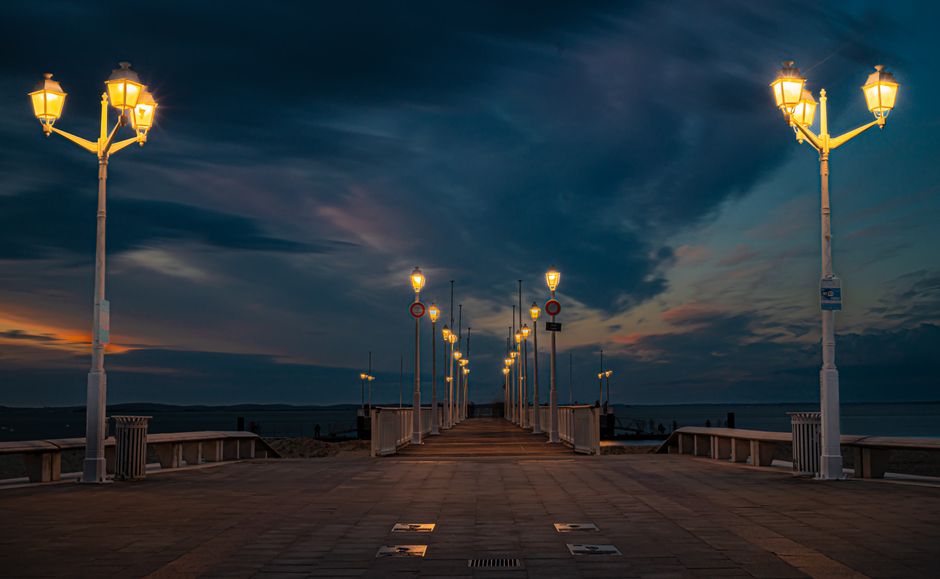
Mamaia Boardwalk — The heart of the action. This 2.5-kilometer wooden path stretches along the coastline, connecting the northern and southern parts of the resort. By day, it’s a mix of joggers, strollers, and sunbathers. By night, it transforms into a pedestrian-only zone filled with open-air bars and live music. It is the place to be seen, and the place to see. Entry is free, but your wallet will suffer if you stay until dawn. Best visited after sunset to experience the full sensory overload.
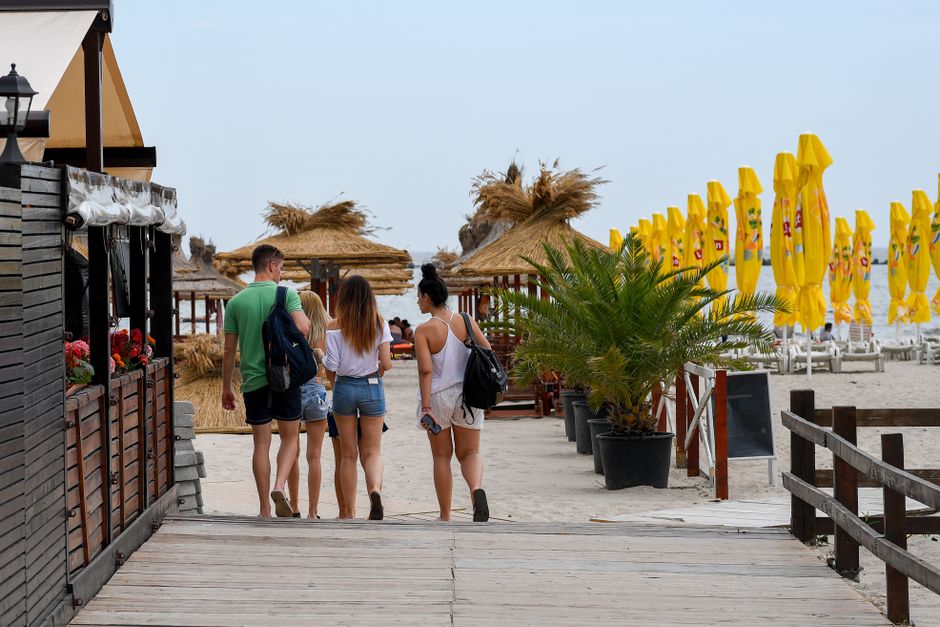
Palatul Regal — The original royal palace, now a museum. It stands as a quiet contrast to the surrounding chaos, a reminder of the resort’s aristocratic roots. The interior features period furniture and portraits of the royal family, offering a glimpse into a more restrained era. The gardens are well-kept, providing a peaceful escape from the noise. Entry fee is around 5 EUR. Best visited in the morning before the crowds arrive.
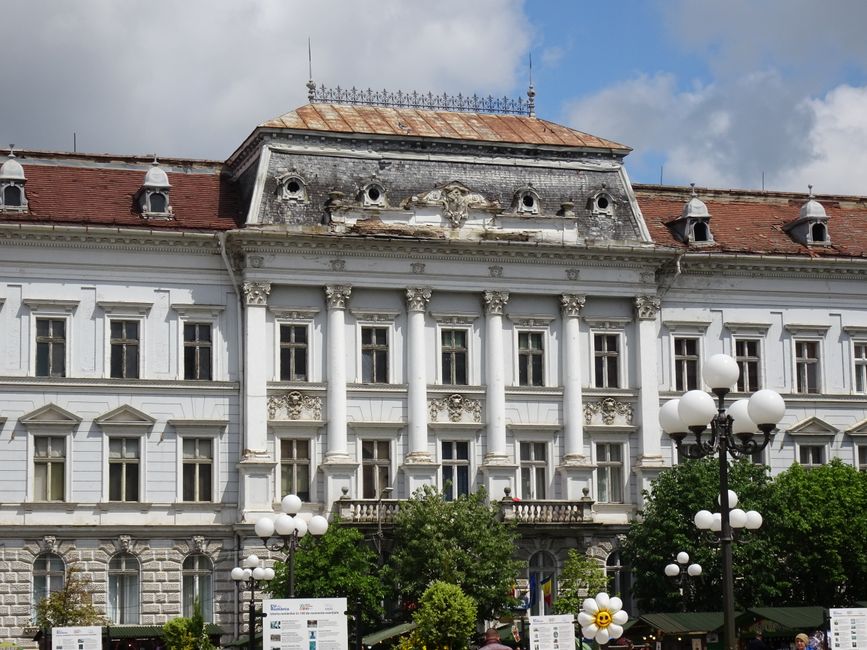
Aquarium Mamaia — One of the largest aquariums in the Balkans, featuring a massive oceanarium with sharks, rays, and penguins. It’s a popular spot for families, offering a cool respite from the summer heat. The underwater tunnel is a highlight, giving visitors a 360-degree view of marine life. Entry fee is approximately 15-20 EUR. Best visited on weekdays to avoid long lines.
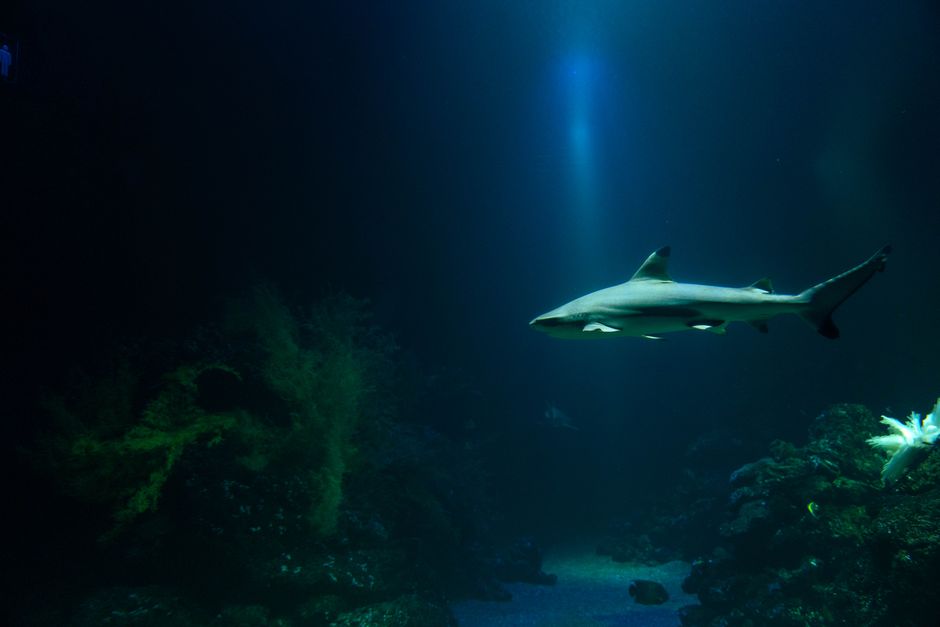
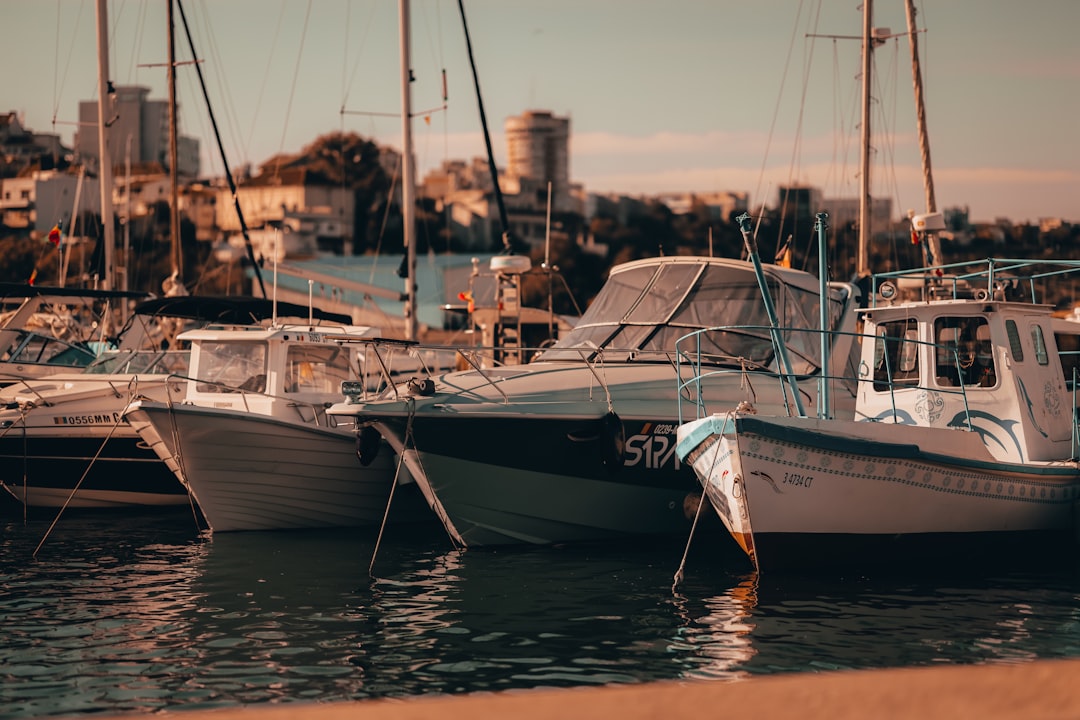
Portul de Plajă — The beach port, a hub of activity with small boats, fishing vessels, and restaurants serving fresh seafood. It’s a great place to watch the sun set over the water, with the sound of gulls and the smell of grilled fish filling the air. Several tavernas line the port, offering traditional dishes at reasonable prices. No entry fee. Best visited in the late afternoon.
What to Eat & Drink
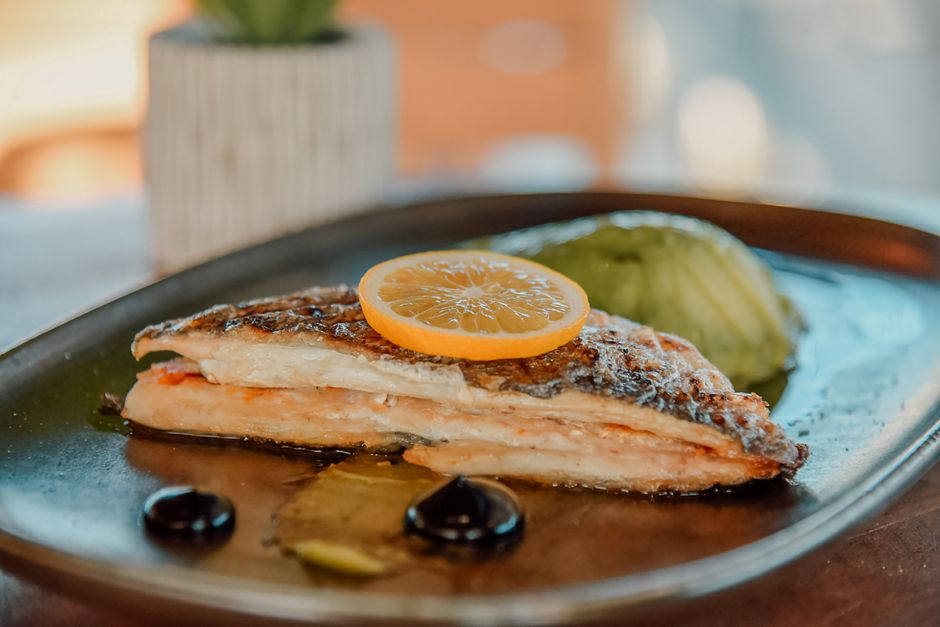
The food scene on the boardwalk is a study in contrasts. You have high-end restaurants serving gourmet dishes at prices that rival Bucharest, and you have street food stalls selling grilled fish and sausages for a fraction of the cost. For budget travelers, mici (grilled minced meat rolls) are a must-try, typically costing 2-4 EUR for a plate of three. Pescuit la grătar (grilled fish), often mackerel or trout, is another staple, costing around 5-8 EUR per serving. Sarmale (cabbage rolls) are available in many traditional tavernas, priced at 6-10 EUR.
For a sit-down meal at a local restaurant, expect to pay between 10-20 EUR per person, excluding drinks. Mid-range hotels and upscale restaurants can charge 25-40 EUR or more. Street food and take-away options are abundant, with prices under 5 EUR for a filling meal. The Boardwalk itself is lined with food trucks and kiosks, offering quick bites like sucuri naturale (fresh fruit juices) and clătite (crepes). For a more authentic experience, head to the Portul de Plajă, where several tavernas serve fresh seafood caught that morning.
Nightlife
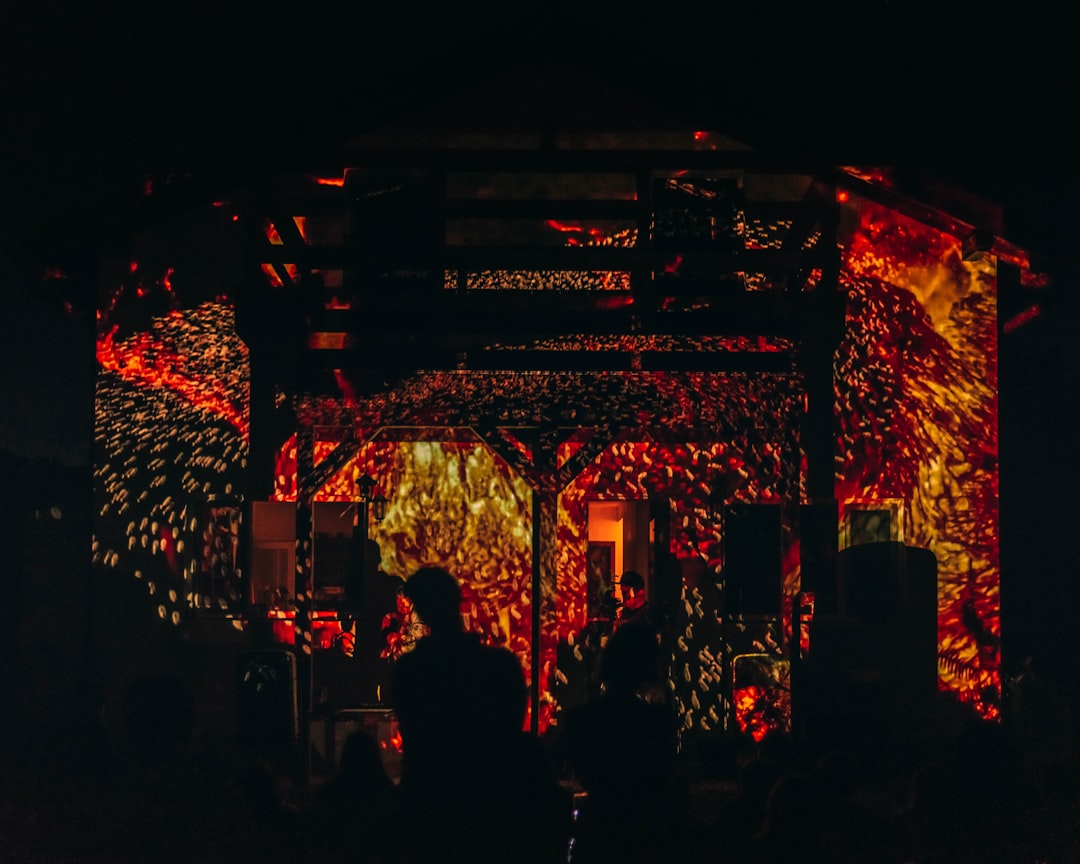
The nightlife in Mamaia is legendary, and for good reason. The Boardwalk is the epicenter, with dozens of bars and clubs competing for attention. The atmosphere is electric, with music blaring from every direction and crowds dancing in the street. La Strada is one of the most famous clubs, known for its large outdoor terrace and international DJs. Cover charges can range from 10-20 EUR, depending on the event. Bar de la Cap is a more laid-back option, offering a view of the sea and a relaxed vibe. Drinks here are reasonably priced, around 3-5 EUR for a beer.
For those seeking a more upscale experience, Hotel Complex Mamaia features several high-end lounges and bars, with prices reflecting the premium setting. Cocktails can cost 8-12 EUR, but the service and ambiance are top-notch. The party goes on until the early hours, with many venues staying open until 4 or 5 AM. It’s a scene that attracts a mix of locals and tourists, all united by a desire to let loose and forget the world outside.

Getting There & What to Expect
The nearest airport is Constanța Airport, located about 30 kilometers from Mamaia. Buses and taxis are available, with a bus ride taking approximately 45 minutes and costing around 5-10 EUR. Taxis are more expensive, ranging from 20-30 EUR. From Bucharest, the drive takes about 3 to 4 hours, covering roughly 250 kilometers. Buses and trains are available, with a train journey taking around 5 to 6 hours and costing between 10-20 EUR. Buses are faster, taking about 3 to 4 hours, with tickets priced at 15-25 EUR.
Accommodation options range from budget hostels to luxury hotels. A bed in a hostel costs around 15-30 EUR per night, while a mid-range hotel room ranges from 50-100 EUR. Luxury hotels can charge 150-300 EUR or more. The best months to visit are July and August, when the weather is hot and the nightlife is at its peak. However, this also means the crowds are largest. For a quieter experience, consider visiting in June or September, when the temperatures are still warm but the crowds are thinner.
Search accommodation in Mamaia on Booking.com →
The Neon Pulse
I am walking back to my hotel, the wooden planks of the Boardwalk still warm beneath my feet. The sun is beginning to rise, casting a pale light over the sea. The clubs are quiet now, the crowds dispersed, leaving behind a trail of empty bottles and discarded umbrellas. It’s a mess, yes. But it’s a beautiful mess. This place is not trying to be something it’s not. It doesn’t pretend to be Cannes or Ibiza. It is Mamaia, raw and unapologetic. The boardwalk culture persists because it is alive. It breathes. It screams. And as long as there are people who need to escape, it will never die. I buy a coffee from a kiosk, the steam rising in the cool morning air. It tastes like salt and survival. I drink it slowly, watching the first fishermen head out to sea. This is the coast. This is the real Romania. And it is enough.
Comments