



Authorities in Novi Sad, the capital of Serbia's Vojvodina province, have arrested a suspect connected to a series of 14 burglaries that have alarmed local residents. The Serbian Ministry of Internal Affairs confirmed the operation, which marks a significant blow to organized criminal activity in the region. The suspect, whose identity has been withheld pending judicial proceedings, is accused of targeting residential homes during daylight hours, exploiting moments when owners were away at work or school. This case highlights a growing concern among Balkan citizens regarding property security and the effectiveness of local law enforcement in combating repeat offenders.
The arrest follows an intensive investigation by the Novi Sad police department, which analyzed surveillance footage, witness testimonies, and forensic evidence from the crime scenes. The sheer volume of incidents—14 distinct break-ins over a relatively short period—suggests a methodical approach rather than opportunistic crime. For the residents of Novi Sad, the resolution provides a sense of relief, but it also underscores the persistent challenge of petty crime in urban centers across the Republic of Serbia. The case has sparked broader discussions about neighborhood safety and the need for enhanced community policing strategies.

Details of the Criminal Operation
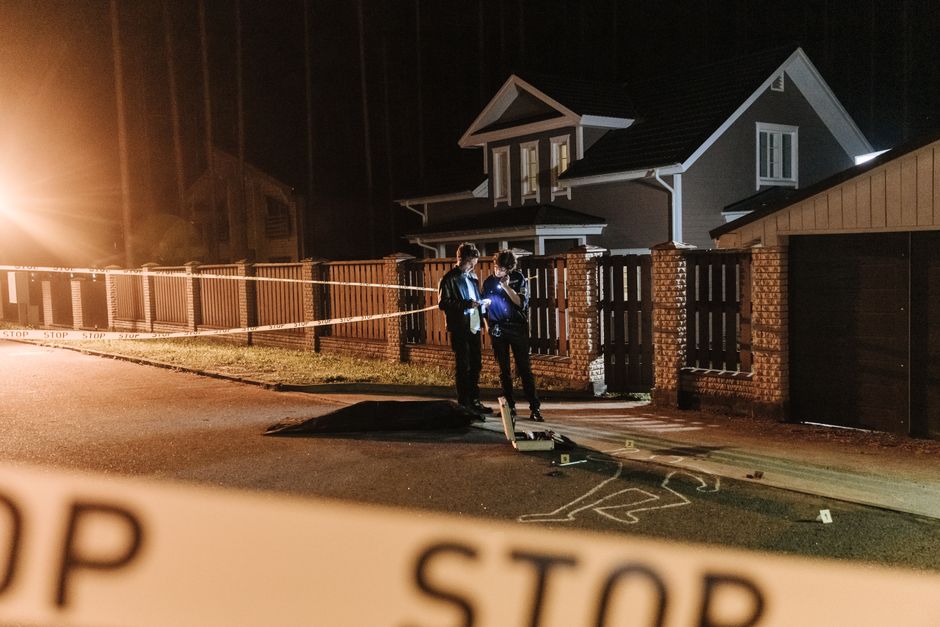
The investigation revealed that the suspect operated with a high degree of precision, selecting targets in various neighborhoods across Novi Sad. According to police reports, the burglaries involved forced entry into ground-floor apartments and houses, with stolen goods primarily consisting of electronics, cash, and jewelry. The suspect allegedly used simple tools to bypass basic security measures, indicating that many victims had not installed advanced alarm systems or reinforced locks. This pattern of behavior suggests a calculated effort to maximize yield while minimizing the risk of detection.
Police sources indicate that the suspect was identified through a combination of digital forensics and traditional detective work. CCTV cameras installed in public spaces played a critical role in tracking the suspect's movements between crime scenes. Once a suspect was identified, officers conducted a surveillance operation that culminated in the arrest. The suspect is now in custody, facing charges of multiple burglaries, which carry significant prison sentences under Serbian criminal law. The prosecution is expected to pursue a lengthy term given the repetitive nature of the offenses.
Impact on Local Community and Safety Concerns
The news of the arrest has circulated widely on social media and local news outlets, generating a mix of relief and anxiety among residents. While the capture of the suspect is a victory for law enforcement, it has also prompted many homeowners to reevaluate their security measures. Real estate agents in Novi Sad report an uptick in inquiries about smart home security systems, motion-sensor lights, and reinforced doors. This shift reflects a broader trend in the Balkans, where urbanization has sometimes outpaced the development of comprehensive neighborhood safety networks.
Local officials have responded by urging residents to remain vigilant and to report any suspicious activity immediately. The Novi Sad municipal government has also announced plans to increase police patrols in areas identified as high-risk. Community leaders have called for greater cooperation between residents and authorities, emphasizing that collective awareness is a powerful deterrent against crime. The case serves as a reminder that even in relatively safe cities, complacency can leave individuals vulnerable to organized theft.
Balkan Context and Regional Crime Trends
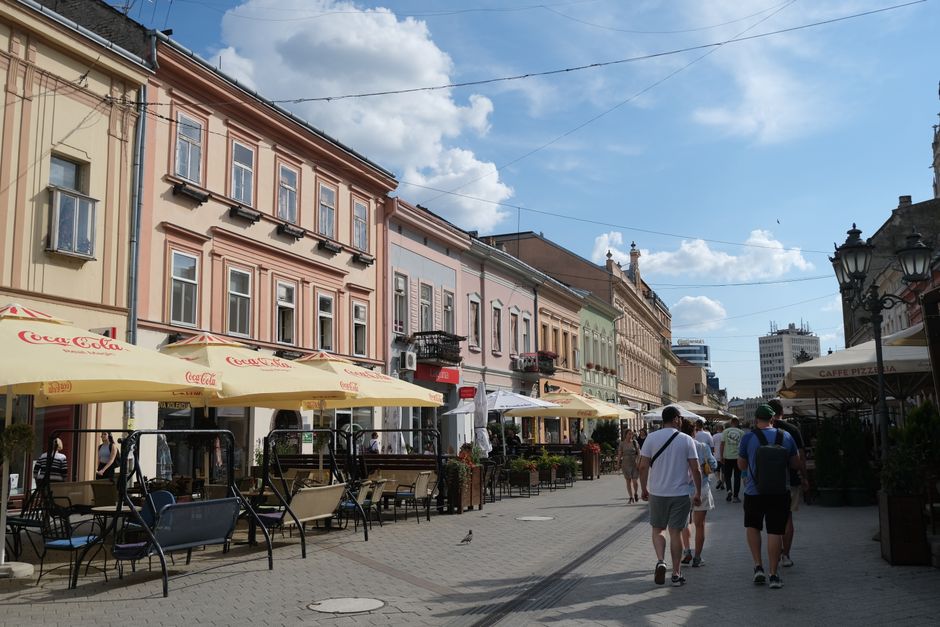
The burglary ring in Novi Sad is not an isolated incident but part of a larger pattern of property crime observed across the Balkans. Countries like Bulgaria, Croatia, and Romania have also reported increases in residential burglaries, particularly in urban centers where population density facilitates anonymous movement. Criminal networks often exploit cross-border porousness, moving stolen goods through informal channels. This regional context suggests that the Novi Sad case may be linked to broader transnational criminal activities, although authorities have not yet confirmed any international connections.
Law enforcement agencies in the Balkans are increasingly collaborating to combat such crimes. The Balkan Cooperation Initiative has facilitated information sharing between police forces, enabling quicker identification of suspects who operate across borders. However, challenges remain, including limited resources and bureaucratic hurdles. The arrest in Novi Sad demonstrates the effectiveness of focused, local investigations, but it also highlights the need for sustained regional cooperation. As economic conditions fluctuate across the Balkans, the pressure on law enforcement to prevent both petty and serious crime continues to grow.
Residents of Novi Sad and the wider Balkan region are advised to take proactive steps to secure their homes. This includes installing visible security cameras, joining neighborhood watch groups, and maintaining open lines of communication with local police. The recent arrests serve as a testament to the capability of Serbian authorities, but long-term safety requires ongoing vigilance. As the judicial process unfolds, the public will be watching to see how the justice system handles this case, which could set a precedent for future prosecutions of similar crimes. The outcome will likely influence public trust in law enforcement and shape community safety policies in the years to come.



Comments