


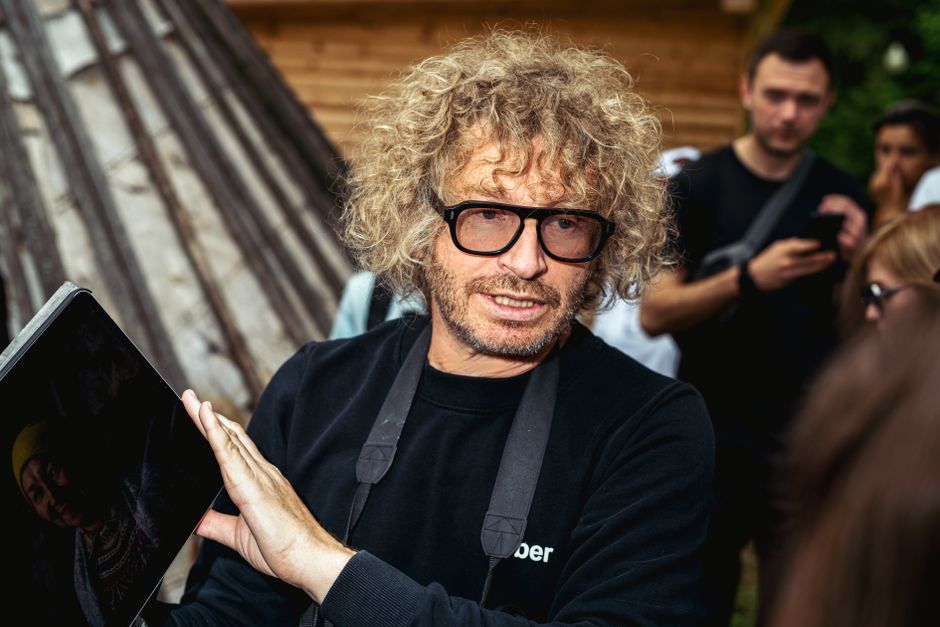
Bulgarian football is currently at the center of a fierce public debate sparked by former player and long-time commentator Lyubo Penev. The 54-year-old, a former captain of the Bulgarian national team and a prominent figure in Balkan sports media, has launched an unrelenting campaign against what he describes as systemic corruption, administrative incompetence, and a lack of vision within the Bulgarian Football Union (BFU). His recent remarks, widely circulated across social media and local news outlets, characterize his stance as a "war" against the establishment, asserting that Bulgarian football will only survive if it undergoes radical, transparent reform. This controversy resonates deeply across the Balkans, where football governance and integrity are perennial topics of public scrutiny.
Penev’s latest comments come in the wake of a dismal period for Bulgarian club football in European competitions. Teams like Ludogorets, CSKA Sofia, and Levski Sofia have struggled to make meaningful progress in UEFA tournaments, leading to widespread disappointment among fans. Penev, known for his blunt and often controversial style, has not shied away from blaming BFU officials, former coaches, and even certain players for the decline. He argues that the current leadership lacks accountability and that the sport’s commercial potential is being squandered due to nepotism and short-term thinking. His voice has become a focal point for fans frustrated by years of stagnation, making his commentary a trending topic not just in Bulgaria but among football enthusiasts across the region.
A Career Defined by Loyalty and Controversy
Lyubo Penev’s background lends significant weight to his criticisms. A product of the CSKA Sofia youth academy, he spent the majority of his playing career with the club, making over 300 appearances and winning multiple Bulgarian league titles. He also earned 23 caps for the Bulgarian national team, including participation in the 1994 FIFA World Cup in the United States, where Bulgaria reached the quarter-finals. His post-playing career has been equally prominent, transitioning into sports journalism and commentary. He has been a regular face on Bulgarian television, providing analysis for major tournaments and domestic league matches. His deep knowledge of the game and his history with the sport’s biggest institutions make his critiques particularly stinging to those in power.
However, Penev’s career has not been without controversy. Throughout his playing days, he was known for his fiery temperament and occasional clashes with referees and opponents. After retiring, he continued to be a polarizing figure, often engaging in public feuds with other pundits, club officials, and even former teammates. His supporters view him as a principled defender of Bulgarian football’s integrity, while his detractors accuse him of being overly dramatic and motivated by personal grievances. Despite these divisions, there is no denying his influence. When Penev speaks, the Bulgarian football world listens, and his recent comments have ignited a broader conversation about the future of the sport in the country.
The Broader Context: Bulgarian Football in Crisis
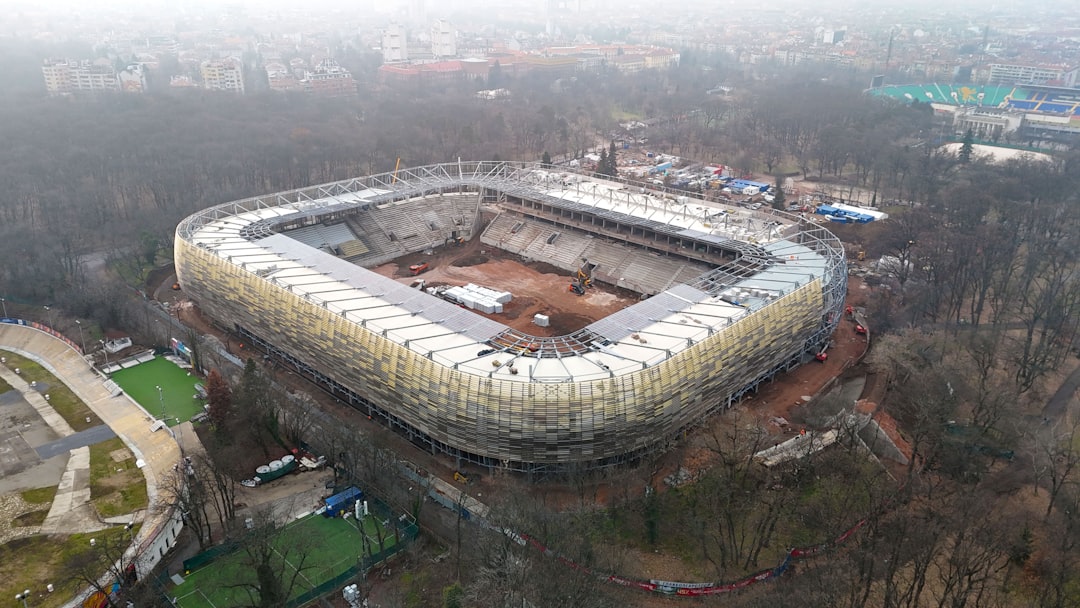
To understand the significance of Penev’s "war," it is essential to look at the current state of Bulgarian football. The BFU has faced numerous challenges in recent years, including financial mismanagement, legal disputes, and a lack of investment in youth development. The national team, once a respected force in European football, now struggles to qualify for major tournaments. The last time Bulgaria qualified for the FIFA World Cup was in 1998, and their only European Championship appearance since then was in 1996. This decline has led to a loss of prestige and a decrease in fan engagement, with attendance at domestic matches dropping significantly.
Club football has also suffered. While Ludogorets has been the dominant force domestically, winning multiple consecutive league titles, their performance in European competitions has been inconsistent. Other traditional powers like CSKA Sofia and Levski Sofia have faced financial difficulties and sporting setbacks, leading to instability and a lack of competitiveness. The Bulgarian First League is often criticized for its low quality and lack of excitement, further alienating fans. Penev’s criticisms hit at the heart of these issues, arguing that the BFU’s failure to address these problems is a betrayal of the sport and its supporters. His call for reform is not just a personal opinion but reflects a growing sentiment among fans and experts that drastic changes are needed.
The Balkan Angle: A Regional Concern
The issues facing Bulgarian football are not unique to the country. Across the Balkans, football governance is often plagued by similar problems, including corruption, political interference, and a lack of transparency. In Serbia, Croatia, and North Macedonia, fans have repeatedly protested against football associations, demanding better management and accountability. The Balkan Arena audience, familiar with these dynamics, will recognize the parallels between Penev’s campaign and the broader struggles of regional football. The success or failure of Bulgarian football has implications for the entire region, as it affects the competitiveness of Balkan clubs in European competitions and the reputation of the area’s football culture.
Penev’s voice adds to a chorus of critics across the Balkans who are calling for a new era in football administration. His willingness to confront powerful figures and institutions sets an example for other journalists and fans in the region. If his campaign succeeds in pushing for meaningful reform in Bulgaria, it could serve as a model for other countries facing similar challenges. Conversely, if his efforts are dismissed or ignored, it may reinforce the perception that change is impossible in the face of entrenched interests. Either way, the debate he has sparked is likely to continue, shaping the future of Bulgarian football and influencing the broader conversation about sports integrity in the Balkans.
As the Bulgarian Football Union faces mounting pressure, the coming months will be critical. Fans, journalists, and experts will be watching closely to see if Penev’s criticisms lead to tangible changes in policy and leadership. The outcome of this "war" will not only determine the future of Bulgarian football but also send a message to the entire Balkan region about the possibility of reform. For now, Lyubo Penev remains a central figure in the debate, his voice a symbol of both frustration and hope for a better future. The stakes are high, and the entire Balkan football community is paying attention.
Comments