


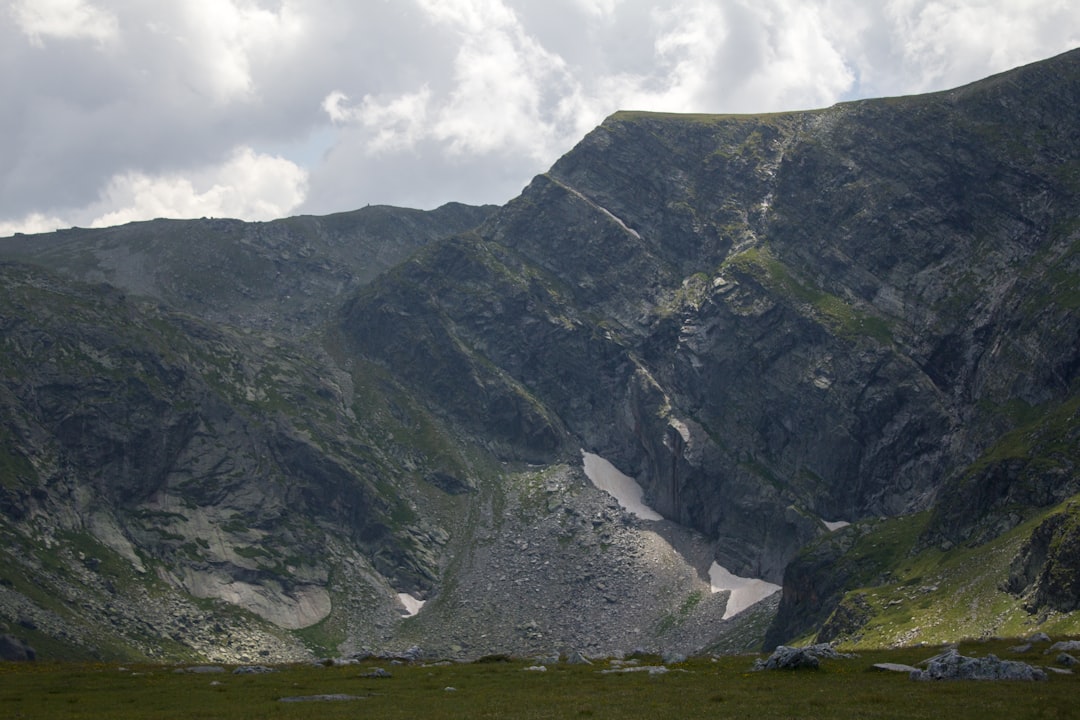
The mud here doesn't just coat your boots; it claims them. I was three hours into a silent ascent through the dense pine forests of Rila National Park, the air thick with the scent of damp earth and decaying needles, when the trees suddenly gave way. It wasn't a gradual thinning. It was an abrupt, violent opening into a sea of green so vast it made my chest ache. This was Banderishki Laki, a high-altitude plateau where the grass grows waist-high and the only sounds are the wind tearing through the tussocks and the distant, mournful bleating of sheep. I sat on a mossy rock, my lungs burning, watching a shepherd in a faded wool coat guide his flock across the horizon. He didn't look back. In this place, you are not a tourist; you are an interruption.
Most people come to the Rila Mountains for the peaks. They want the summit of Musala Peak, the highest point in the Balkans, and they treat it like a checklist item. But the real soul of this range isn't in the rocky summits; it's in the alpine pastures, the *livads*, that stretch between the tree line and the glaciers. These are ancient grazing lands, maintained for millennia by transhumance, where the landscape is shaped as much by livestock as by geology. To trek here is to walk through a living history book, one that smells of wet wool, pine resin, and the sharp, metallic tang of high-altitude air. It is raw, it is demanding, and it is utterly indifferent to your presence.
The Living Landscape
The Rila Mountains are not just a geological formation; they are a cultural artifact. For centuries, shepherds have moved their flocks from the warm valleys of Sofia in the spring to these high-altitude meadows in the summer, descending again before the first snows of autumn. This practice, known as transhumance, has created a unique ecosystem. The pastures are not wild in the traditional sense; they are managed by hoof and tooth. Without the sheep and goats, the meadows would quickly be overtaken by scrub and forest. The open, rolling green expanses you see today are a direct result of human and animal labor stretching back thousands of years.
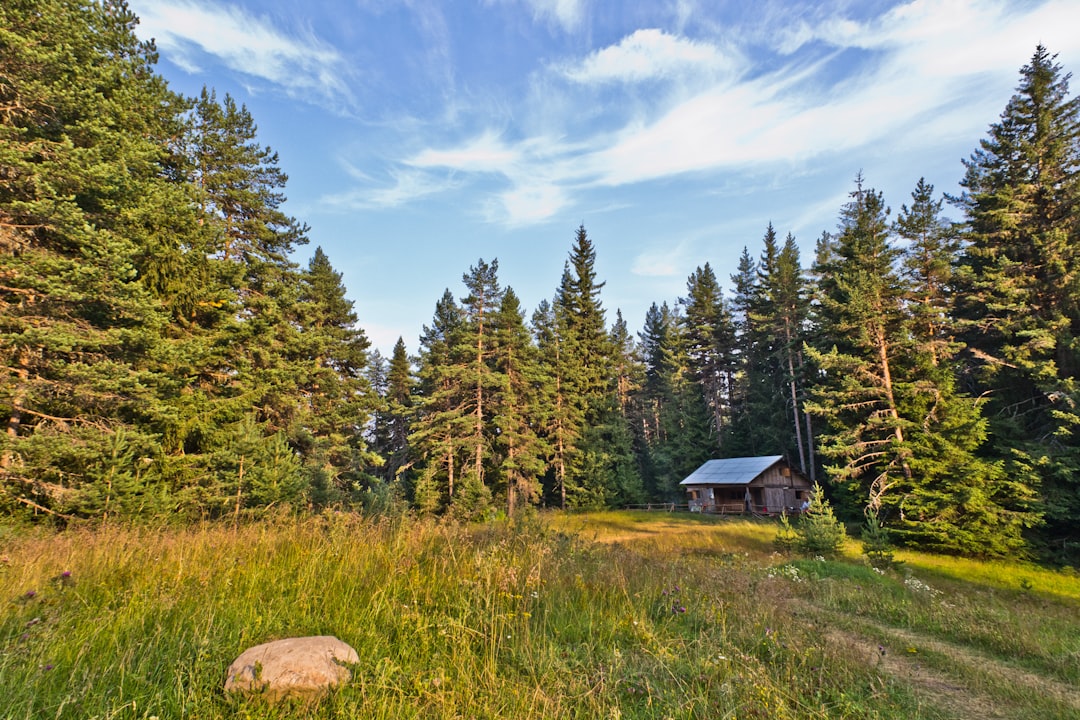
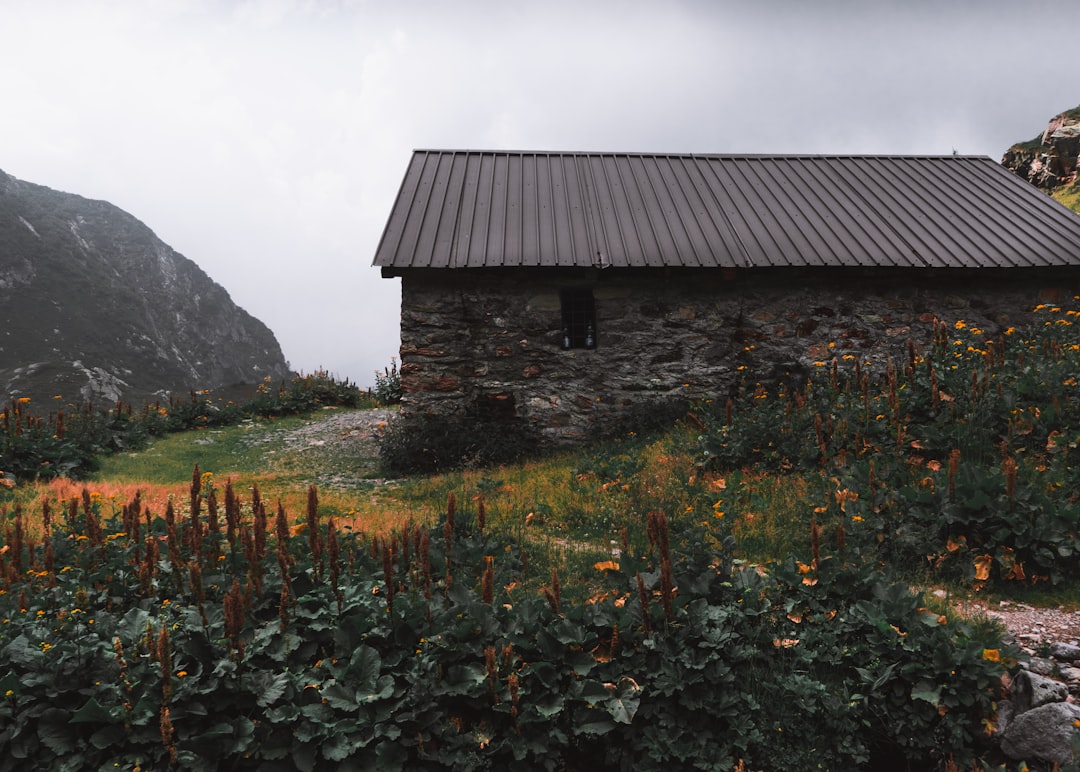
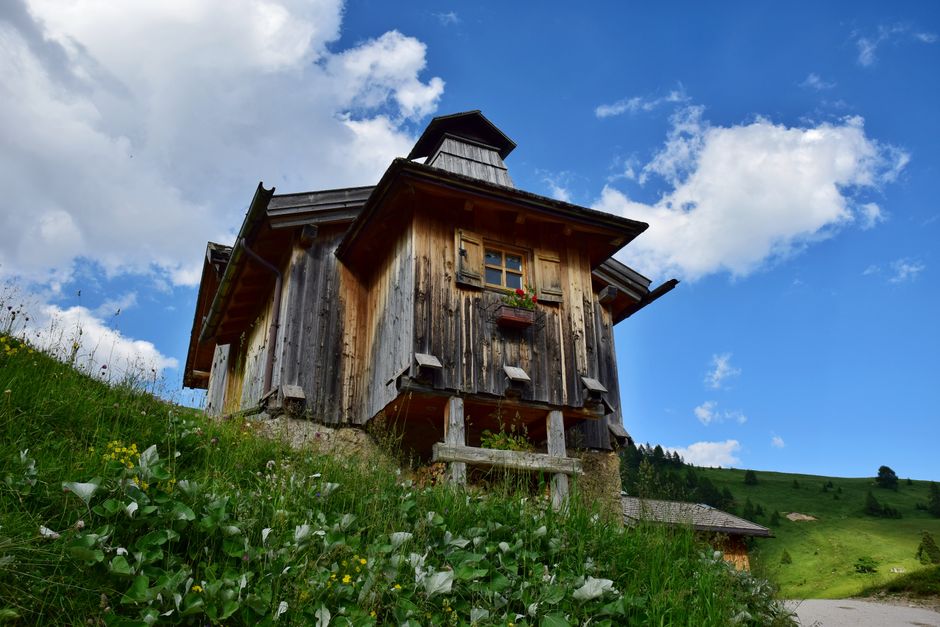
Walking through these pastures feels like stepping into a different time. The wooden huts, or *koji*, scattered across the landscape are simple structures built of stone and timber, often with thatched roofs. They serve as shelter for shepherds during the summer months and are now frequently converted into mountain refuges or private guesthouses. The architecture is functional, devoid of ornamentation, perfectly adapted to the harsh climate. The walls are thick to retain heat, and the windows are small to minimize heat loss. It is a brutalist elegance born of necessity.
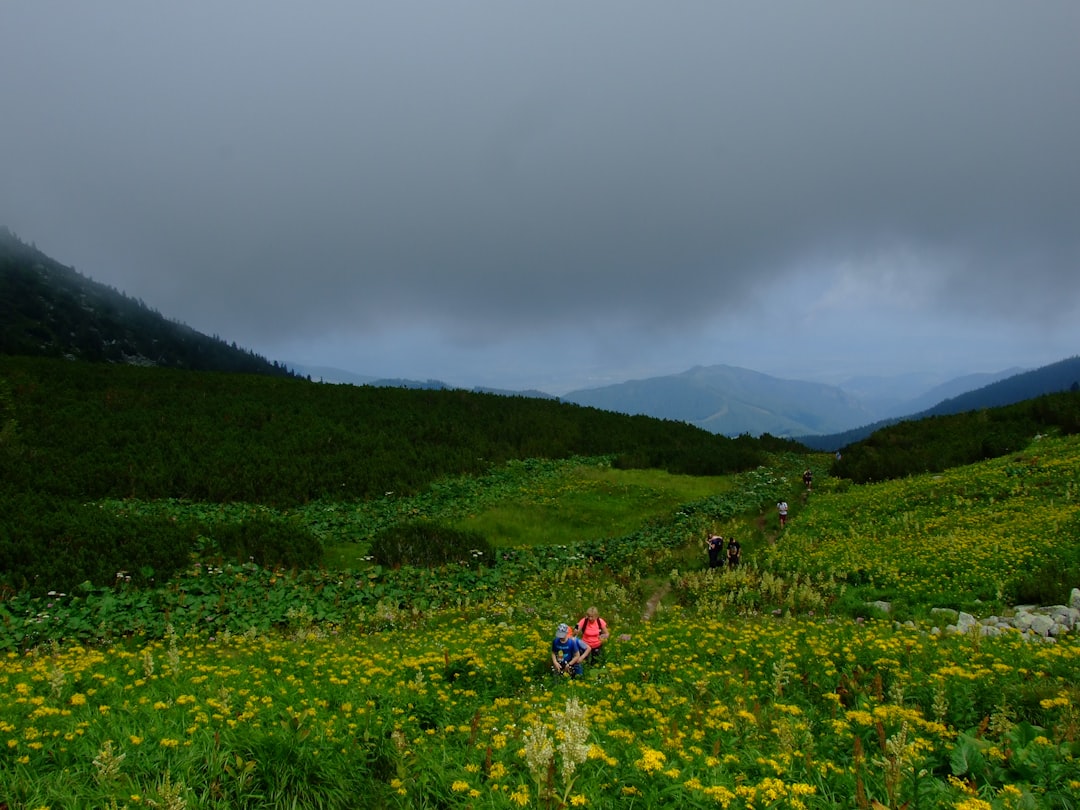
Flora here is resilient and vibrant. In early summer, the pastures are carpeted with wildflowers: edelweiss, gentians, and alpine asters. The colors are intense against the deep green of the grass. But the beauty is deceptive. The weather can change in minutes. A bright, sunny morning can turn into a freezing, horizontal rainstorm by noon. The alpine climate is unforgiving, and the lack of tree cover on the pastures leaves you completely exposed to the elements. You are not just hiking; you are negotiating with the mountain.
Shepherds, Silence, and Stone
The people of the Rila are as rugged as the terrain. You will encounter few tourists in the deeper pastures, especially outside of July and August. Instead, you meet the shepherds. They are a stoic bunch, often speaking little, but their hospitality is genuine if you earn it. I spent an afternoon with a shepherd named Ivan near Banya, sharing a meal of fresh cheese, bread, and rakia in his wooden hut. He spoke of the changing seasons, the price of wool, and the difficulty of keeping the younger generation in the mountains. His life is one of isolation and hard labor, but there is a profound peace in his eyes. He knows this land in a way no map can convey.
The silence of the high pastures is another character in this story. It is not an empty silence, but a full one. It is filled with the rustle of grass, the cry of a hawk, the distant sound of a bell. It forces you to listen, to pay attention. In the cities, noise is a constant assault. Here, silence is a luxury. It allows you to hear your own thoughts, to reflect, to simply be. For many trekkers, this silence is the most rewarding part of the journey. It is a chance to disconnect from the digital world and reconnect with the natural one.
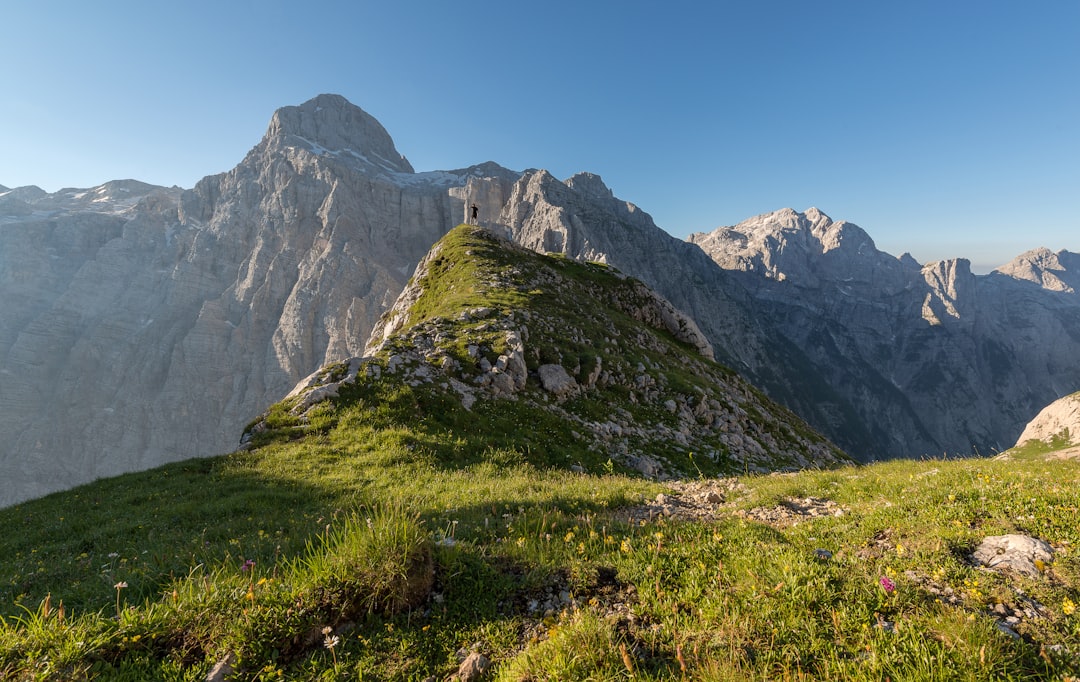
Stone plays a central role in the landscape. The mountains are built of limestone, and the rocks are sharp, jagged, and everywhere. They form natural barriers, create sheltered nooks, and provide a stark contrast to the softness of the grass. Ancient stone crosses and small chapels dot the landscape, markers of faith and survival. They are often covered in moss, blending into the environment. These structures remind you that humans have always sought to make their mark on this land, to impose some order on the chaos of nature.
Routes & Trail Info
The trekking routes in the Rila Mountains are well-marked, but they are not for the faint of heart. The terrain is steep, rocky, and often exposed. Proper footwear is essential. A light day hike is possible, but to truly experience the alpine pastures, you need to commit to a multi-day trek. Here are two classic routes that showcase the best of the region.
Route 1: The Banderishki Laki Loop
Starting Point: Banderitsa mountain refuge
Total Distance: 12 km (round-trip)
Elevation Gain: 400 m
Estimated Duration: 5-6 hours
Difficulty: Intermediate
This route circles the Banderishki Laki plateau, offering panoramic views of the surrounding peaks. The trail is well-maintained but involves some steep sections. It is a great introduction to the alpine environment.
Route 2: The Seven Lakes Valley
Starting Point: Rila Monastery valley floor
Total Distance: 18 km (one-way to the highest lake)
Elevation Gain: 1,200 m
Estimated Duration: 8-9 hours
Difficulty: Experienced
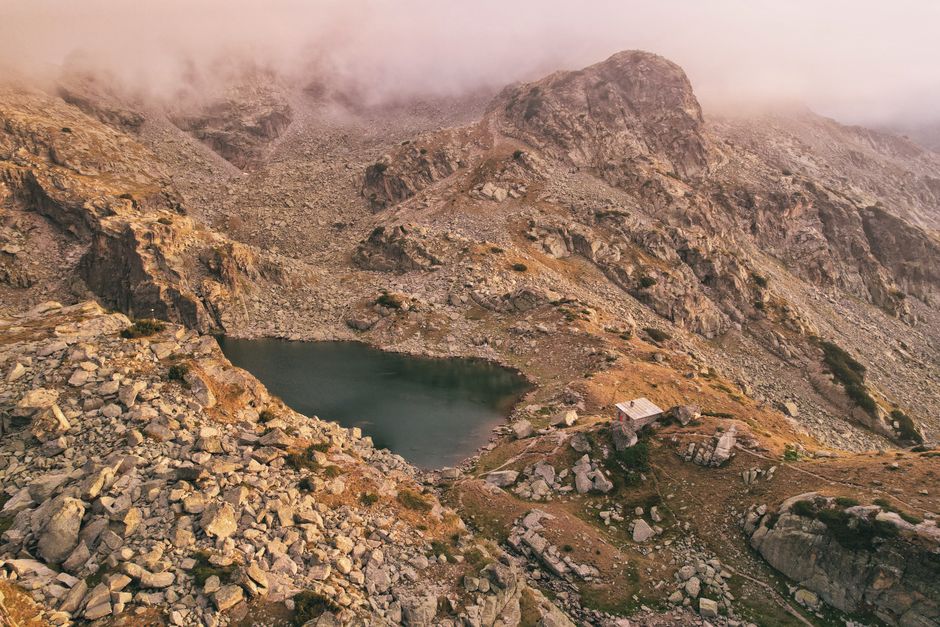
This is a classic trek that leads to the famous Seven Rila Lakes. The trail passes through dense forests before opening up into the high alpine zone. The final ascent to the highest lake is steep and rocky. It is a demanding hike, but the reward is spectacular.
Getting There & What to Expect
The nearest major city is Sofia, which is about 100 km from the Rila National Park. You can reach the park by car, bus, or taxi. The drive from Sofia takes about 2 hours. Buses run regularly from Sofia's central bus station to towns like Banya and Rila Monastery. The cost of a bus ticket is approximately 5-8 EUR one way. Taxis are more expensive, costing around 40-60 EUR from Sofia.
Once in the park, you can hike to the various mountain refuges. Accommodation in the refuges is basic but comfortable. A bed in a dormitory costs around 15-25 EUR per night, while a private room can cost 40-60 EUR. Meals are served at the refuges, with a typical three-course meal costing 10-15 EUR. It is essential to book your accommodation in advance, especially during the peak summer months. Camping is allowed in designated areas, but facilities are minimal.
The best time to visit is between July and September. The weather is stable, and the pastures are green. June can be wet and muddy, while October brings early snows. Children can enjoy the easier trails, but the high-altitude treks are not suitable for young children. The lack of facilities and the demanding terrain make it a hike for adults and older teenagers.
Search accommodation in Banya on Booking.com →
The Weight of the Air
As the sun dipped below the horizon, casting long, bruised shadows across the Banderishki Laki, I felt the weight of the place settle on my shoulders. It wasn't just the physical exhaustion of the climb; it was a spiritual heaviness, a sense of being small in the face of something ancient and immense. The cold began to bite, a sharp, clean pain that reminded me I was alive. I packed my gear, my movements slow and deliberate, and prepared for the descent back to the refuge. The shepherd was gone, his flock settled for the night. The silence returned, deeper now, more absolute. I walked alone into the dark, the stars above sharp and cold, feeling both utterly lost and strangely, perfectly found. This is not a place for comfort. It is a place for truth. And the truth, in the Rila Mountains, is written in grass, stone, and silence.
Comments