


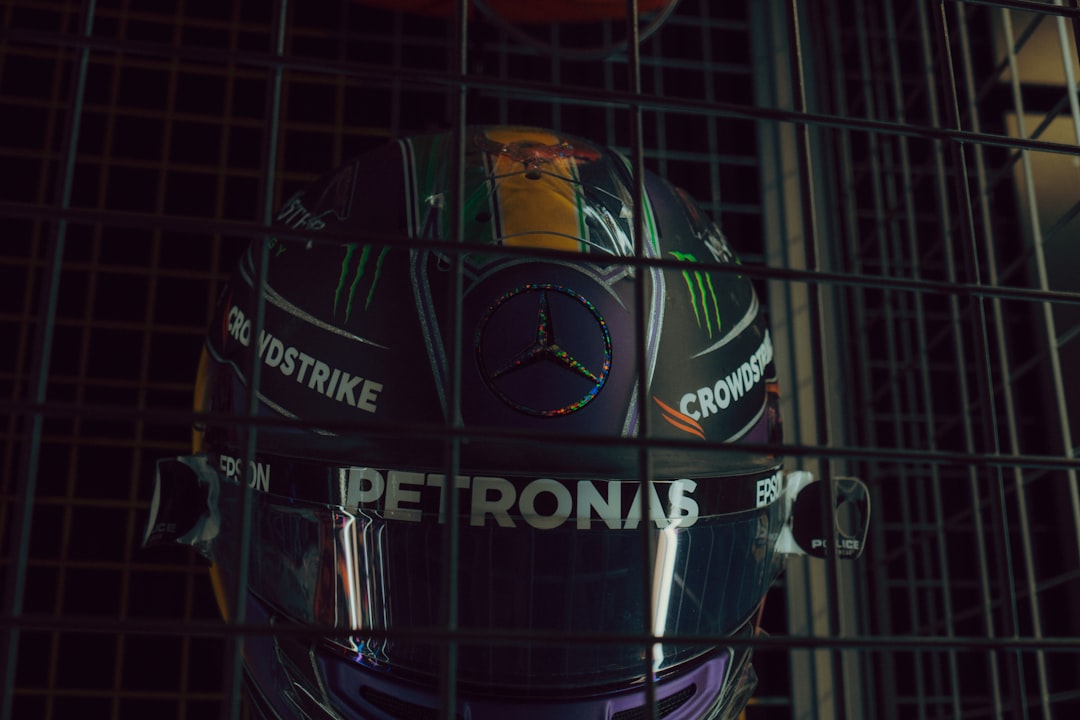
The most significant driver transfer in the history of Formula One is moving from speculation to reality. Seven-time World Champion Lewis Hamilton is poised to leave Mercedes-AMG Petronas at the end of the 2025 season to join Scuderia Ferrari in 2026. This move, widely expected to be announced officially in the coming weeks, marks the end of Hamilton's decade-long tenure with the Silver Arrows and the beginning of a new era with the Italian marque. For the global motorsport audience, this represents a seismic shift in competitive balance. For the Balkan region, where Formula One enjoys a massive and passionate following, the news intensifies the narrative of the sport's greatest rivalry and raises questions about the future of European racing dominance.
The decision to leave Mercedes is driven by a desire for renewed competitiveness. After a dominant period that saw Hamilton win six of his seven world titles with the British team, performance has dipped relative to rivals like Red Bull Racing. Ferrari, currently undergoing a significant technical overhaul under new leadership, presents a project with high potential for the 2026 regulatory changes. Hamilton, now 39, seeks to challenge for championships once more, and Ferrari offers the engineering resources and historical prestige to support that ambition. The deal reportedly includes a substantial salary increase, reflecting Hamilton's status as the commercial face of the sport.
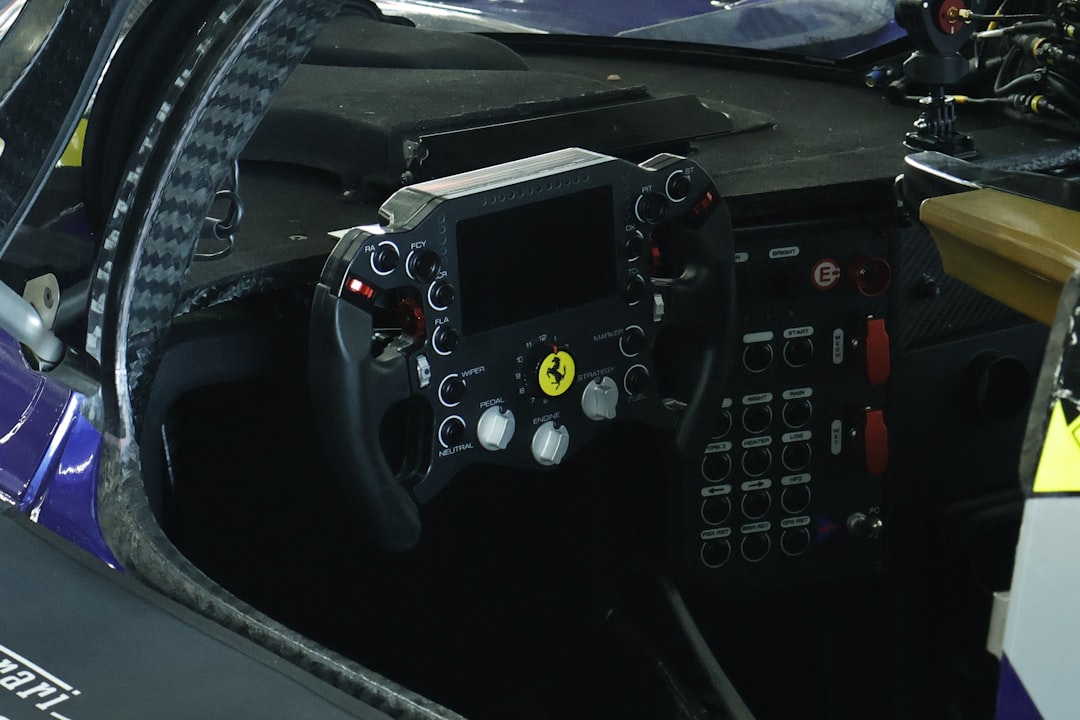
The End of an Era at Mercedes and the Rise of a New Rivalry
Lewis Hamilton's arrival at Ferrari in 2026 will fundamentally alter the landscape of Formula One. Currently, Ferrari's 2026 driver lineup is expected to include Charles Leclerc, the Monegasque star who has been with the team since his debut. The prospect of pairing Leclerc with Hamilton creates a formidable duo but also introduces intense internal pressure. Leclerc, a fan favorite across Europe and the Balkans, will need to prove he can match the experience and race craft of the most successful driver in the sport's history. This dynamic mirrors the past tensions within Mercedes and Red Bull, suggesting that the fight for the second seat and team leadership could be as dramatic as the battle on the track.
For Mercedes, the departure of Hamilton is a blow to their brand identity. The team has been synonymous with Hamilton's success since 2013. His exit forces Mercedes to rebuild their driver lineup from scratch, likely promoting young talents from their academy or recruiting established drivers displaced by other moves. The psychological impact on the team cannot be understated. Hamilton was the anchor of the Mercedes operation, providing consistency and leadership through both victory and defeat. Without him, the team must find a new cultural identity and competitive spark to remain a top-three contender. The transition will be closely watched by engineers and strategists who built their careers around optimizing performance for Hamilton's driving style.
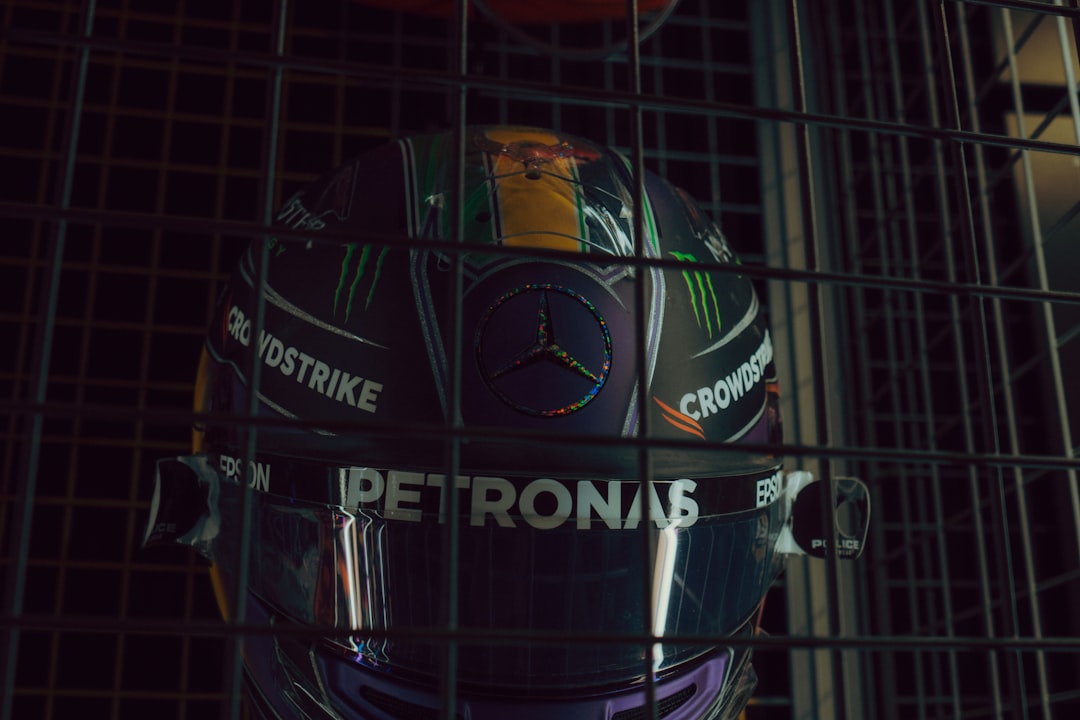
The Balkan Connection: Why This Matters to Regional Fans
Formula One holds a unique place in the hearts of Balkan fans, particularly in Serbia, Croatia, and Bulgaria. The region has produced notable figures in motorsport, including former F1 driver Marko Asmer and rising talents in junior formulas. More importantly, the Balkans are home to some of the most dedicated fan bases in Europe. The move to Ferrari is particularly significant because the Italian team has a strong historical resonance in the region. Many older fans in the Balkans grew up watching the Schumacher era, and the return of a dominant force like Ferrari, bolstered by Hamilton, rekindles that nostalgia. The passion for Ferrari is evident in the vibrant fan clubs that organize watch parties and track visits across Belgrade, Zagreb, and Sofia.
Additionally, the competitive implications for the region's favorite drivers are substantial. With Hamilton joining Ferrari, the gap between the top teams may widen or shift, affecting the chances of drivers from the region or those aligned with regional teams. For instance, the performance of Valtteri Bottas, who has strong fan support in parts of the Balkans due to his popularity in neighboring Finland and broader European appeal, may be impacted by the reshuffling of midfield contenders. Furthermore, the 2026 regulations aim to make cars more accessible and exciting, which could encourage more investment in motorsport development programs in Balkan countries. The visibility of a star like Hamilton in a Ferrari suit will likely boost ticket sales and viewership for races hosted in the region, such as the Monaco Grand Prix or the Spanish Grand Prix, which draw significant audiences from the Balkans via satellite and streaming services.
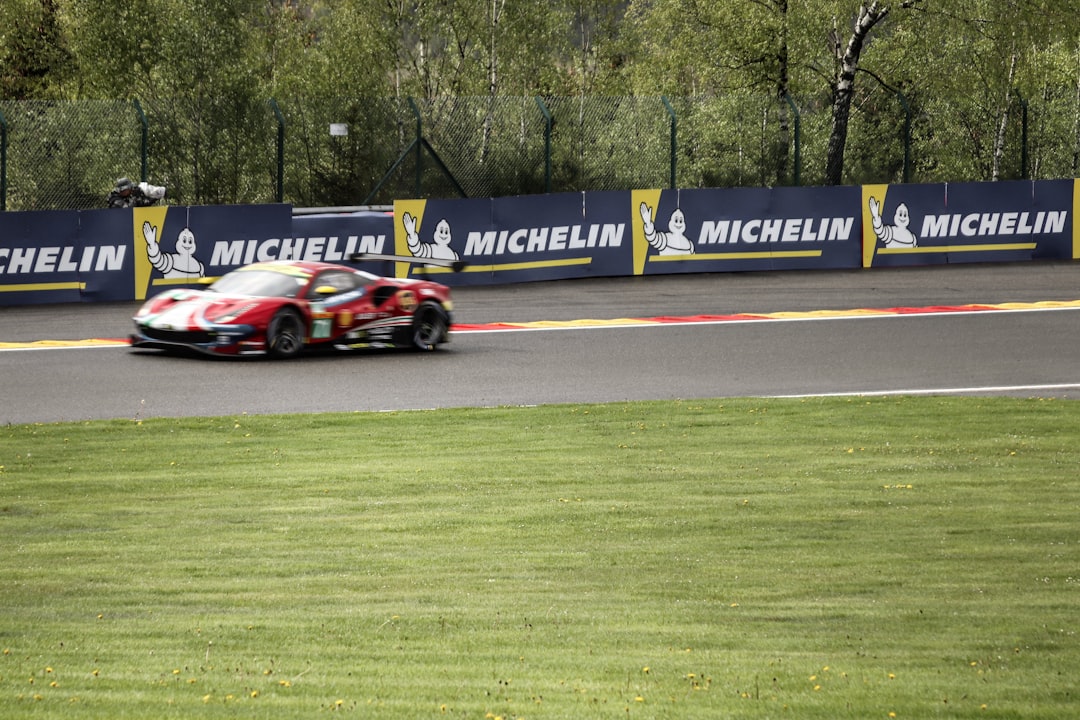
What Comes Next: The Road to 2026
As the 2025 season progresses, all eyes will be on the technical preparations for the 2026 season. Ferrari is investing heavily in a new power unit and chassis design to comply with the upcoming regulations, which emphasize sustainability and performance. Hamilton's early involvement in these development cycles, even before his official debut, will be critical. His feedback on car setup and aerodynamic balance will help Ferrari refine their package ahead of their rivals. The team must ensure that the car suits both Hamilton's smooth, late-braking style and Leclerc's aggressive, high-speed approach. Balancing these two distinct driving philosophies will be a major challenge for Ferrari's technical directors.
For fans in the Balkans and worldwide, the immediate focus remains on the remainder of the 2025 calendar. Hamilton will continue to race for Mercedes, aiming to secure as many points as possible to cement his legacy before the switch. Meanwhile, Ferrari will strive to close the gap to Red Bull, demonstrating that they are a credible destination for the seven-time champion. The announcement of Hamilton's move is just the beginning of a new chapter. The true test will come on the track in 2026, when Hamilton dons the red helmet and attempts to add an eighth world title to his name. Whether he succeeds or not, the sheer magnitude of this transfer ensures that the next few years of Formula One will be one of the most compelling eras in the sport's long history. The rivalry between Hamilton and the new generation of drivers, including Leclerc and Max Verstappen, promises to deliver drama, speed, and unforgettable moments for fans across the Balkans and beyond.

Comments