



Greek television host and media personality Lefteris Eleftheriou has publicly addressed his separation from long-term partner Maria Karampila, ending years of speculation surrounding their relationship. The couple, who were together for 22 years, officially split earlier this year, marking the end of one of Greece’s most prominent on-and-off-screen partnerships. In a recent interview with News247, Eleftheriou provided rare insight into the breakup, emphasizing that the decision was mutual and rooted in personal growth rather than conflict. This development has sparked widespread discussion across Balkan media, where Eleftheriou remains a household name known for his roles in popular Greek television shows and his candid public persona.
The announcement has resonated beyond Greece, drawing attention from audiences in Bulgaria, Romania, and Serbia, where Greek entertainment enjoys significant viewership. Eleftheriou’s transparency about maintaining a respectful relationship with his ex-partner has been praised by fans and media analysts alike. Unlike many high-profile splits that descend into public feuds, this separation is being framed as a mature transition, reflecting changing norms in celebrity relationships. The focus now shifts to how both individuals will navigate their new chapters while preserving their professional and personal boundaries.
Background of the Relationship and Public Timeline
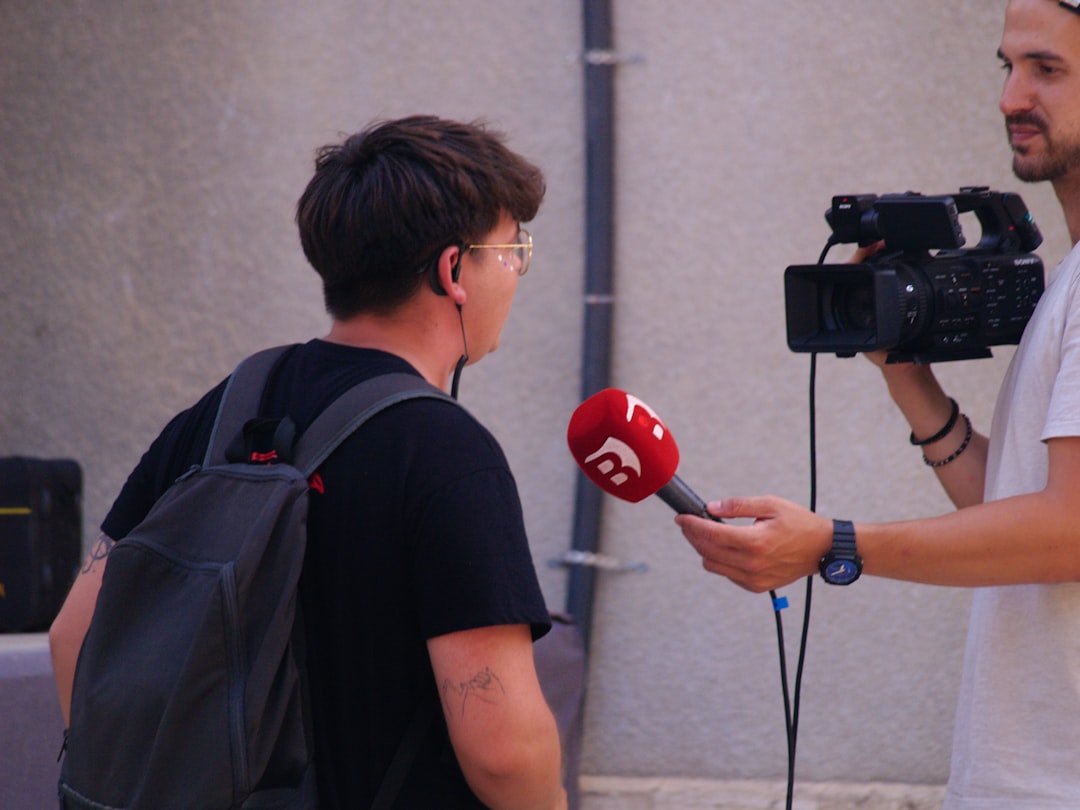
Lefteris Eleftheriou and Maria Karampila’s relationship spanned over two decades, making it one of the longest-lasting unions in Greek show business. The couple first met in the early 2000s and became a familiar sight at red carpet events, charity galas, and television premieres. Their partnership was rarely the subject of scandal, which contributed to their image as a stable and enduring couple. However, in recent months, social media activity and public appearances suggested a gradual distancing between the two. Neither party issued an official statement until Eleftheriou’s recent interview, which clarified the situation and dispelled rumors of acrimony.
Eleftheriou revealed that the decision to part ways came after years of mutual reflection. He described the relationship as evolving naturally, with both individuals seeking different life paths. The host emphasized that there was no third party involved and no dramatic confrontation, framing the split as a conscious choice rather than a crisis. This narrative has been widely circulated in Greek outlets like in.gr and Sports.gr, which have covered the story extensively. The absence of blame or public criticism has been noted as unusual in celebrity culture, where splits often trigger media frenzies and fan divisions.
The timeline of their relationship reflects broader trends in modern partnerships, where long-term commitments are increasingly viewed as flexible rather than permanent. Eleftheriou’s comments have been interpreted by some analysts as a reflection of generational shifts in attitudes toward love and marriage. Younger audiences, in particular, have responded positively to the idea that relationships can end amicably without loss of respect or affection. This perspective aligns with growing conversations across the Balkans about emotional maturity and the redefinition of success in personal relationships.
Significance of the Split and Public Reaction
The public reaction to Eleftheriou’s announcement has been largely supportive, with fans praising his honesty and grace. Social media platforms have seen an outpouring of messages wishing both individuals well, highlighting the emotional impact of their long-standing presence in Greek media. Hashtags related to the split trended in Greece and neighboring countries, with users sharing memories of the couple’s public appearances and expressing admiration for their ability to part without bitterness. This reception underscores the enduring affection audiences hold for the pair, even as their romantic chapter closes.
Media analysts note that the split carries symbolic weight in Greek celebrity culture, where public relationships are often scrutinized and sensationalized. By choosing to address the matter directly and without drama, Eleftheriou has set a precedent for how public figures can handle personal transitions. His approach contrasts sharply with past high-profile breakups that involved legal battles, public accusations, or media wars. This shift may influence how future celebrity separations are covered and perceived, potentially encouraging a more respectful and nuanced discourse in entertainment journalism.
The significance of the split extends beyond Greece, resonating with Balkan audiences who follow Greek media closely. In countries like North Macedonia and Bosnia, where Greek television is widely available and popular, Eleftheriou’s story has been discussed in local forums and social media groups. The narrative of a mature, amicable separation offers a refreshing alternative to the typical celebrity scandal, appealing to viewers who value authenticity and emotional intelligence in public figures. This cross-border interest highlights the interconnected nature of Balkan media consumption and the shared cultural touchstones that unite the region.

Balkan Context and Future Implications
Lefteris Eleftheriou’s status as a media icon in the Balkans amplifies the impact of his personal revelations. Known for his work on shows like Family Hell and Antimima, Eleftheriou has built a career that blends humor, drama, and social commentary, making him a relatable figure to audiences across the region. His openness about the split has been interpreted as a reflection of his on-screen persona—candid, unfiltered, and emotionally honest. This authenticity has endeared him to fans who appreciate his willingness to share personal struggles and triumphs.
The Balkan angle of this story lies in the shared cultural values that prioritize family, loyalty, and respect. Eleftheriou’s emphasis on maintaining a friendship with his ex-partner aligns with these values, reinforcing the idea that relationships can evolve without losing their foundational respect. In a region where public figures are often held to high moral standards, his approach has been seen as exemplary. This perspective is particularly relevant in countries like Croatia and Montenegro, where Greek media influences local entertainment trends and public discourse.
Looking ahead, the focus will likely shift to how both Eleftheriou and Karampila navigate their post-split lives. Eleftheriou has hinted at new professional projects and personal endeavors, while Karampila has remained largely out of the spotlight. Fans and media will watch to see if the pair’s friendship endures and how they manage their public images moving forward. The outcome of this transition could serve as a model for other celebrities in the Balkans and beyond, demonstrating that personal growth and professional success can coexist even after the end of a long-term relationship. The coming months will reveal whether this amicable separation becomes a lasting reference point in celebrity culture.



Comments