


A British Noble’s Response to Tragedy
Fifteen years ago this month, the world was different, but the legacy of compassion remains vivid in the Balkans. Lady Emily Strangford, a British aristocrat, remains forever linked to Bulgaria’s soul. Following the brutal suppression of the April Uprising in 1876, she donated funds and constructed six hospitals in the most devastated regions.
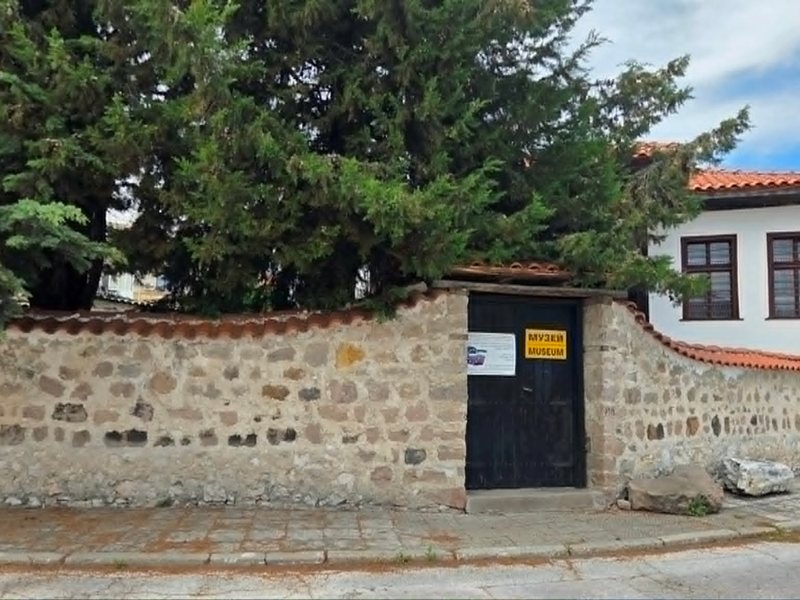
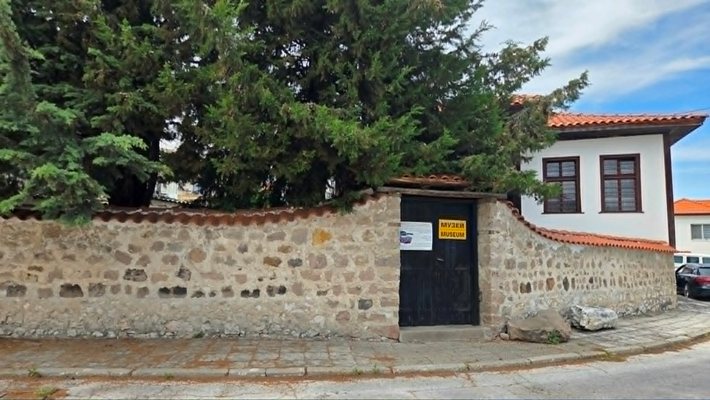
Today, only one of those hospitals survives as a preserved structure, now a museum in the village of Radilovo, near Pazardzhik.
Witnessing the Aftermath
After the uprising, rebel villages were razed. Radilovo was looted and burned. Residents faced months of cold, hunger, disease, and death. On August 1, 1876, American journalist Januarius MacGahan passed through on his way to Batak. Deeply moved by the sight of the burned village and sick population, he wrote for the Daily News.
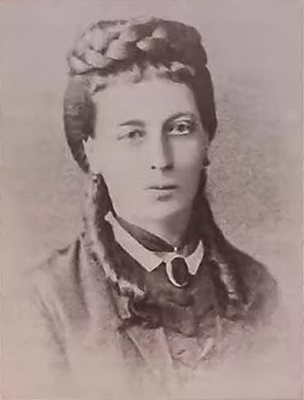
His report spurred Lady Strangford to visit Radilovo in early autumn. Locals remember her as tall, beautiful, horse-riding, and deeply caring. In letters to her sister, she described the villagers as "skin and bones," their faces emaciated. They gathered quietly for blankets, crying softly and kissing her hand. Despite their poverty, they offered her grapes and walnuts, which she could not refuse.
A Living Museum
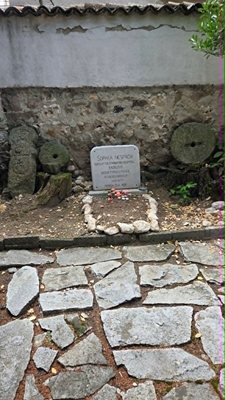
Strangford launched fundraising campaigns for suffering Bulgarians. She recruited four doctors and eight nurses, mostly from Britain, Croatia, and Serbia. One nurse, 18-year-old Croatian Sofia Nespach, stayed in Bulgaria permanently. She worked in Radilovo but died of typhus the following year and was buried in the hospital yard.
Marena Vachkova, a librarian at the "Zora 1903" cultural house, manages the museum collection. "The building was first a hospital, then a school, kindergarten, and mayor’s office," she explains. "For the centenary of the April Uprising, a local historian created two exhibitions here. Since then, it has been a museum."
The displays hold photocopies of documents about the British aristocrat and vessels from the old hospital. The basement kitchen once fed the local population. Efforts to trace Sofia Nespach’s relatives have failed so far, though modern technology offers new hope.


лейди странгфорд истински герой tbh. 150 години минали, а хората все още пазят спомена. съвсем друг свят е бил тогава...