



Search interest in Kyiv has surged across Greece, topping regional trending lists and sparking widespread curiosity among Greek-speaking audiences. The spike reflects renewed attention on Ukraine’s capital amid evolving geopolitical developments, including ongoing military dynamics, diplomatic engagements, and humanitarian updates. For Balkan readers, the trend underscores how closely the region tracks events in Eastern Europe, given shared security concerns, energy dependencies, and migration patterns that directly affect Greece, Bulgaria, Romania, and beyond. This article examines what is driving the search surge, why Kyiv remains central to current events, and how the situation resonates within the Balkans.
What Is Driving the Kyiv Search Trend?
The recent spike in searches for Kyiv aligns with fresh developments in the broader Ukraine conflict, including shifting frontlines, international aid announcements, and high-profile diplomatic meetings. Greek media outlets have amplified coverage due to the country’s historical ties to Ukraine and its role as a key transit point for refugees and humanitarian aid. Additionally, seasonal energy concerns and inflationary pressures in the Balkans keep Ukrainian stability in the public eye, as disruptions in Kyiv can ripple through regional supply chains and gas markets.
Social media platforms and news aggregators have further fueled interest, with viral posts highlighting civilian resilience, infrastructure damage assessments, and updates on foreign military assistance. Greek users, in particular, are searching for real-time information on safety conditions, travel advisories, and ways to support Ukrainian civilians. The trend also coincides with anniversary commemorations of key wartime events, which typically trigger renewed public engagement and scholarly discussion across Europe.

Why Kyiv Matters in the Current Conflict
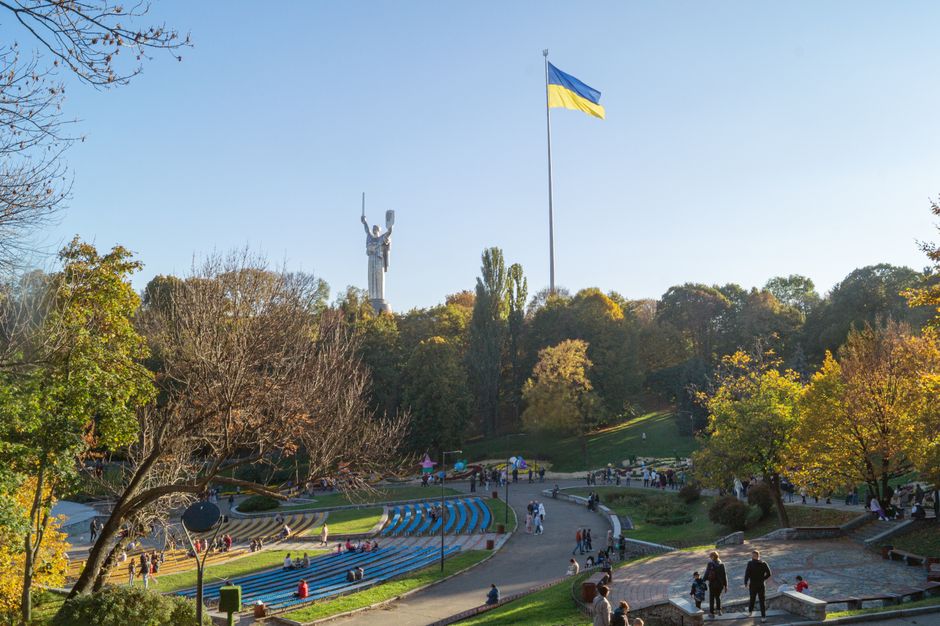
Kyiv remains the political, economic, and cultural heart of Ukraine, and its stability is symbolic of the nation’s sovereignty. Despite heavy combat in eastern and southern regions, the capital has withstood significant pressure, becoming a focal point for international diplomacy and humanitarian coordination. The city hosts major government institutions, foreign embassies, and media headquarters, making it a critical node for information flow and policy decisions. Its continued functioning signals Ukrainian resistance and attracts global solidarity campaigns.
Militarily, Kyiv’s defense has evolved from active combat zones to a strategic rear area supporting frontline operations. The city now serves as a logistics hub for equipment distribution, volunteer mobilization, and cyber defense initiatives. Internationally, it draws visits from NATO officials, EU leaders, and aid coordinators, reinforcing its role as a symbol of democratic endurance. For Balkan nations, Kyiv’s fate is closely tied to regional security architectures, especially as countries like Romania and Bulgaria navigate their own geopolitical positioning between East and West.
The Balkan Angle: Security, Energy, and Humanitarian Ties
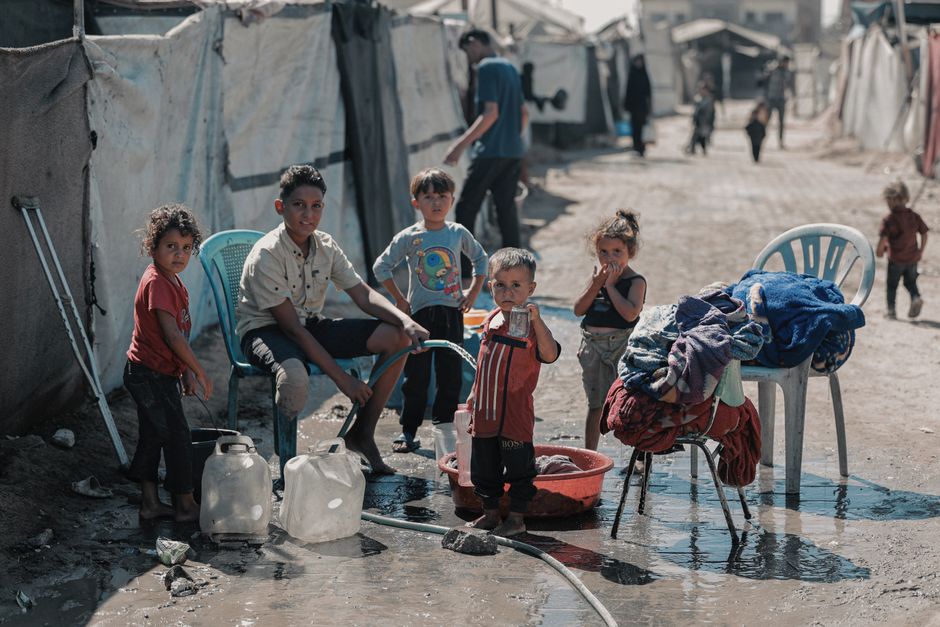
The Balkans have been deeply affected by the war in Ukraine, both directly and indirectly. Greece, Bulgaria, and Romania serve as primary entry points for Ukrainian refugees, with hundreds of thousands resettled or transiting through these countries since the conflict escalated. Kyiv’s condition influences migration flows, as deteriorating safety prompts new waves of displacement. Meanwhile, energy markets in the Balkans remain sensitive to Ukrainian stability, particularly regarding natural gas transit routes and electricity grid interconnections that pass through or rely on Ukrainian infrastructure.
Diplomatically, Balkan states maintain cautious but supportive stances toward Ukraine, balancing relations with Western allies and regional neighbors. Public opinion in Greece, Serbia, and North Macedonia reflects divided perspectives, shaped by historical, religious, and economic factors. Yet, the trend in Kyiv searches reveals a unified concern: how long-term instability in Ukraine could reshape Balkan security, trade, and social cohesion. Monitoring Kyiv is not just about distant warfare—it’s about understanding forces that will shape the Balkans for years to come.
As global attention continues to fluctuate, Kyiv remains a barometer for the war’s trajectory and its wider implications. Readers in the Balkans should watch for updates on ceasefire negotiations, energy policy shifts, and refugee integration challenges—all of which trace back to developments in Ukraine’s capital. Staying informed on Kyiv is not merely an act of global citizenship; it is a practical necessity for anyone living in a region where geopolitics, economics, and human stories intersect daily.



Comments