


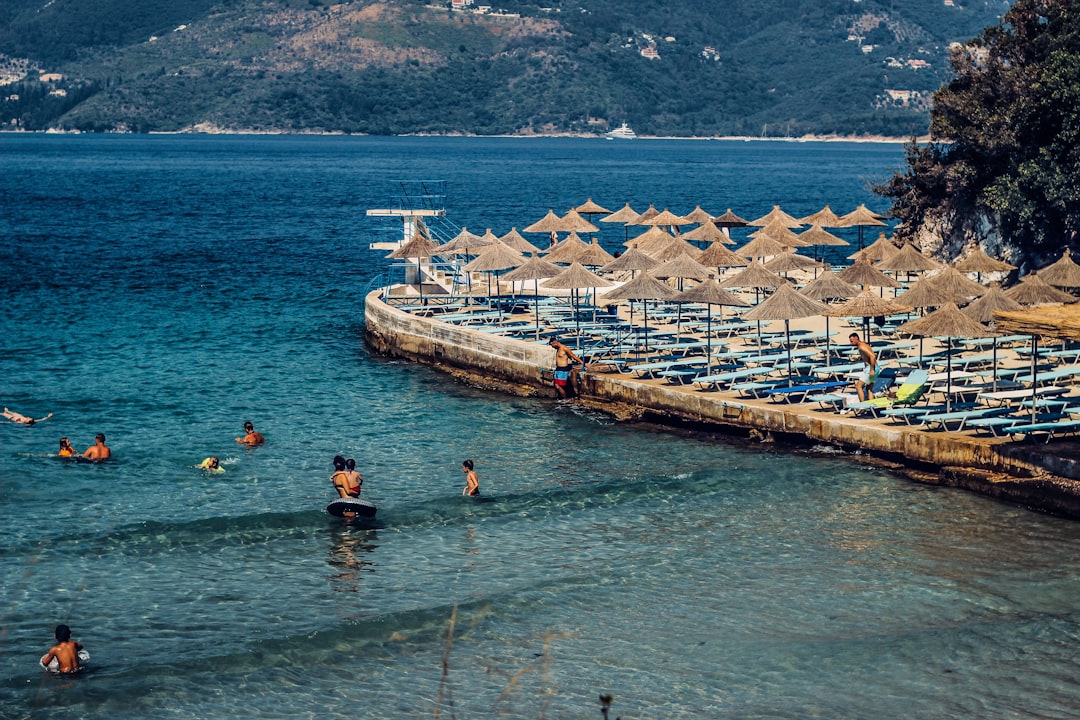
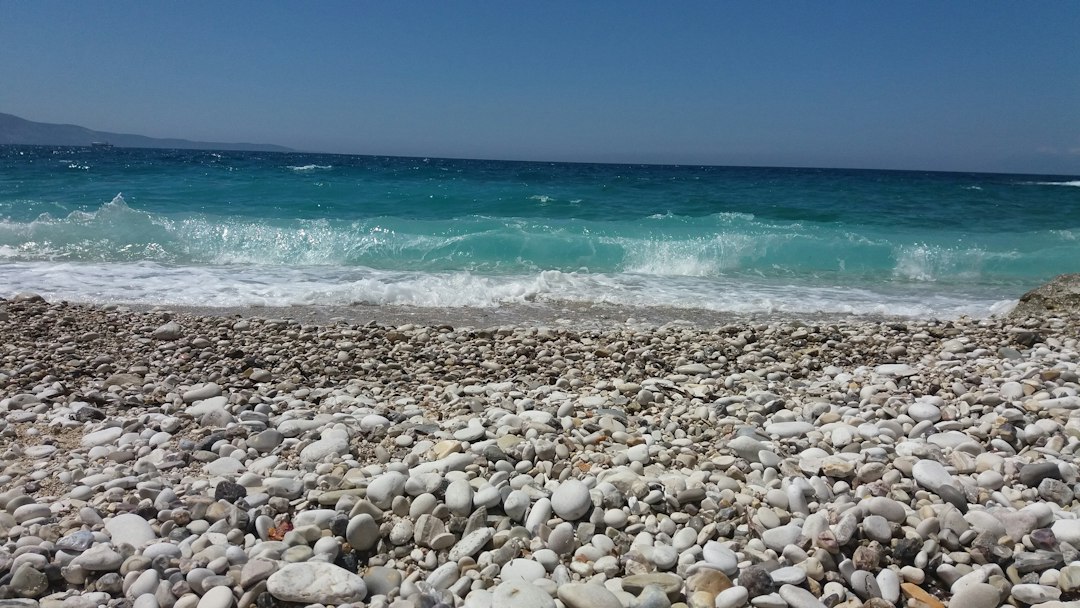
I sat on the sand in Ksamil and picked up a handful, expecting the soft, granular drift of silica that defines the Caribbean. Instead, my fingers felt grit. Sharp, jagged, iridescent grit. I crushed a few grains between my thumb and forefinger and they didn't just crumble; they shattered into smaller, flaky pieces of calcium carbonate. This isn't sand in the geological sense. This is the pulverized remains of thousands of years of marine life. The famous white beaches of Ksamil are not a gift from a volcanic god; they are a graveyard of shells, ground down by the relentless Aegean and Adriatic currents into a powder so fine it looks like sugar. And standing there in the Albanian sun, sweating through my shirt, I realized the entire aesthetic of this place is built on death and decay. It's beautiful, sure. But it's also a little bit grim.
The tourists don't care. They arrive in hordes from the Italian ferries and the Greek island of Corfu, which is just a stone's throw away across the channel. They see the turquoise water and the white ground and think they've stumbled into a tropical paradise. But the locals, the ones who sell you the cheap beers and the grilled octopus, they know better. They know that this sand is unique because it's alive with the remnants of the sea. Every time you walk here, you are walking on the bones of the ocean. It's a perspective that changes how you look at the beach. It's not just a place to tan; it's a geological process happening in real-time under your flip-flops.
History & Identity
The history of Ksamil is tied inextricably to its geography. For centuries, this small village at the southern tip of Albania was a quiet fishing outpost. The waters here are shallow and calm, protected by the Ksamil Islands that dot the coastline like scattered jewels. These islands are actually just exposed limestone reefs, remnants of a time when sea levels were lower. The sand that surrounds them is the result of millions of years of erosion, where the shells of mollusks, crustaceans, and other marine organisms are broken down by wave action and biological processes.
During the communist era under Enver Hoxha, the region was largely isolated. The beaches were off-limits to foreigners, and the infrastructure was non-existent. But this isolation preserved the environment. The shell sand remained pristine, undisturbed by large-scale tourism. It wasn't until the fall of communism in the early 1990s that Ksamil began to open up. Today, it is one of the most popular tourist destinations in the Balkans, but the sand remains the same. It is a testament to the power of nature to create beauty from destruction.
The identity of Ksamil is now synonymous with its beaches. The town has grown rapidly, with hotels and restaurants springing up along the coast. But the core of its appeal remains the unique texture and color of the sand. It is softer than regular sand, more like powdered chalk, and it glows white in the sunlight. This glow is what draws the photographers and the influencers, but it is the history beneath the surface that gives the place its character. It is a place where the past is literally ground into the present.
Where to Go
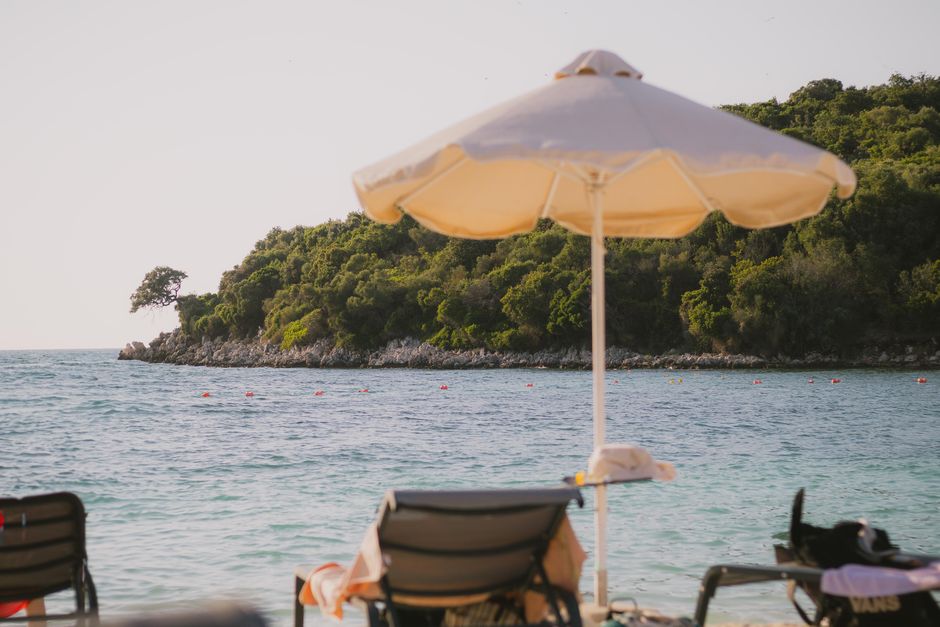
Ksamil Beach 1 — The first beach is the most famous, with its iconic white sand and clear water. It is perfect for swimming and sunbathing, but it gets crowded quickly. Arrive early in the morning to secure a good spot. The sand here is particularly fine and powdery, a result of the high concentration of crushed shells. Entry is free, but you will need to pay for a sunbed and umbrella if you want comfort. 10-15 EUR per day for a set.
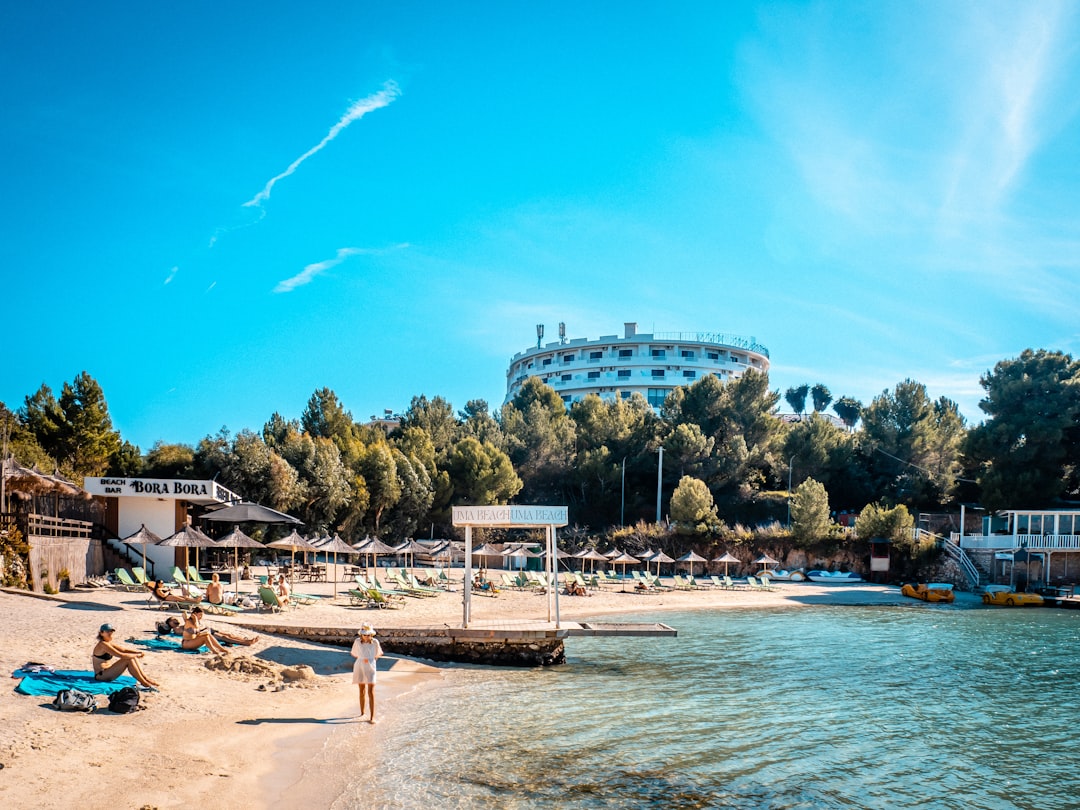
Ksamil Beach 2 — The second beach is slightly less crowded and offers a more relaxed atmosphere. The sand here is a mix of shell fragments and fine grains, creating a softer texture. It is a great spot for families with children, as the water is shallow and calm. The beach is lined with small cafes and bars, offering a variety of food and drinks. Entry is free, but expect to pay for amenities.
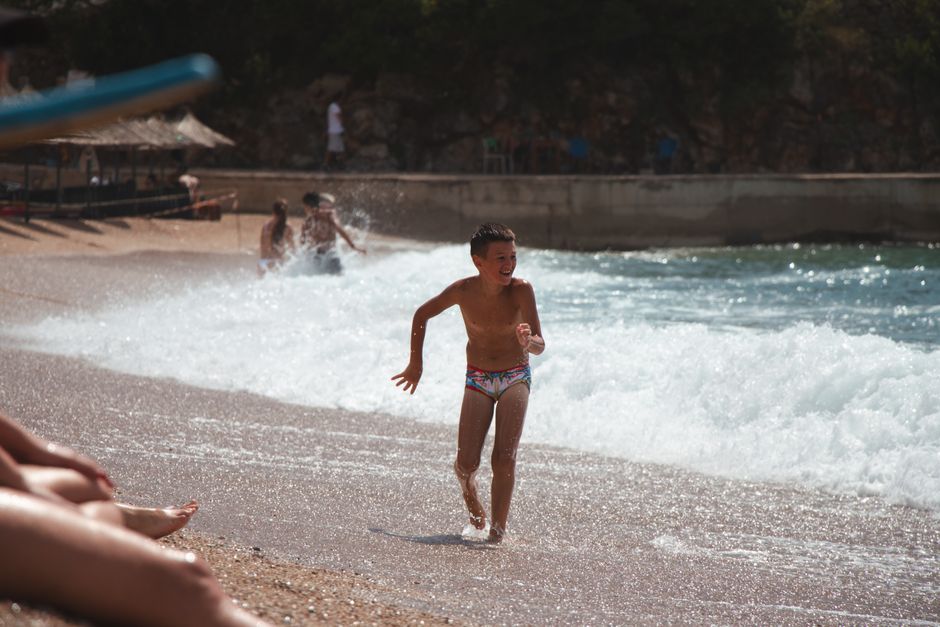
Ksamil Beach 3 — The third beach is the most secluded, with a long stretch of sand and fewer tourists. It is ideal for those who want to escape the crowds and enjoy a more peaceful experience. The sand here is coarser, with larger shell fragments mixed in. It is a great spot for walking and exploring, as the beach extends far into the distance. Entry is free, but there are fewer facilities here compared to the other beaches.
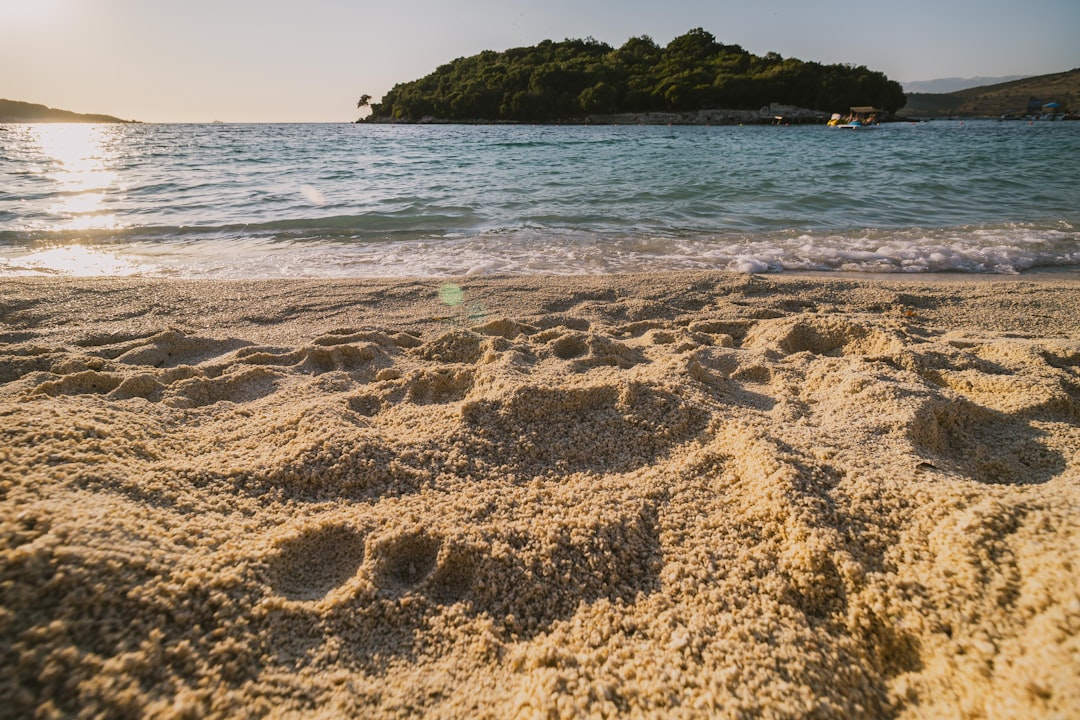
Ksamil Beach 4 — The fourth beach is the smallest and most intimate, with a narrow strip of sand and clear water. It is perfect for couples and those who want a more private experience. The sand here is very fine and powdery, similar to Beach 1. It is a great spot for snorkeling, as the water is clear and the marine life is abundant. Entry is free, but there are no facilities here, so bring your own supplies.
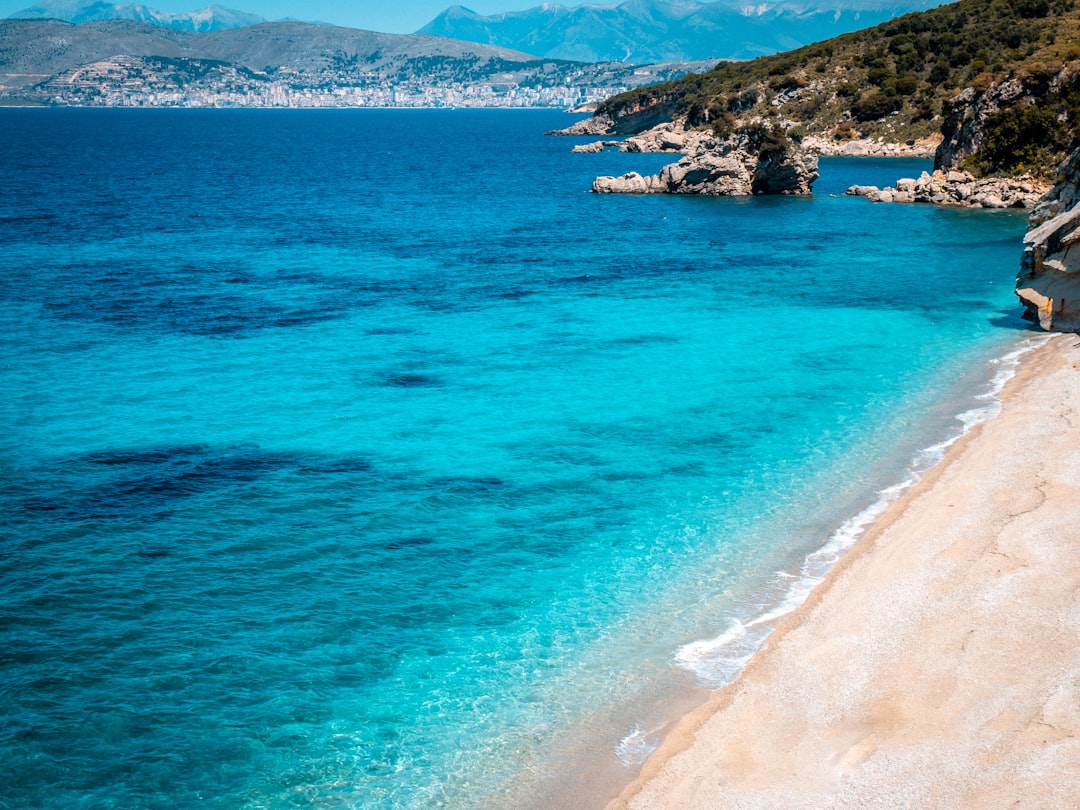
Ksamil Islands — The four small islands in Ksamil Bay are a must-see. They are covered in pine trees and offer stunning views of the surrounding beaches. You can take a boat tour to explore the islands and swim in the crystal-clear waters around them. The sand on the islands is also made of crushed shells, but it is less accessible due to the rugged terrain. Boat tours cost around 15-20 EUR per person.
What to Eat & Drink
After a day on the shell sand, you will be hungry. Ksamil offers a variety of Albanian and Mediterranean dishes that are fresh and delicious. The seafood is particularly good, as it is caught daily in the nearby waters. Here are some must-try dishes:
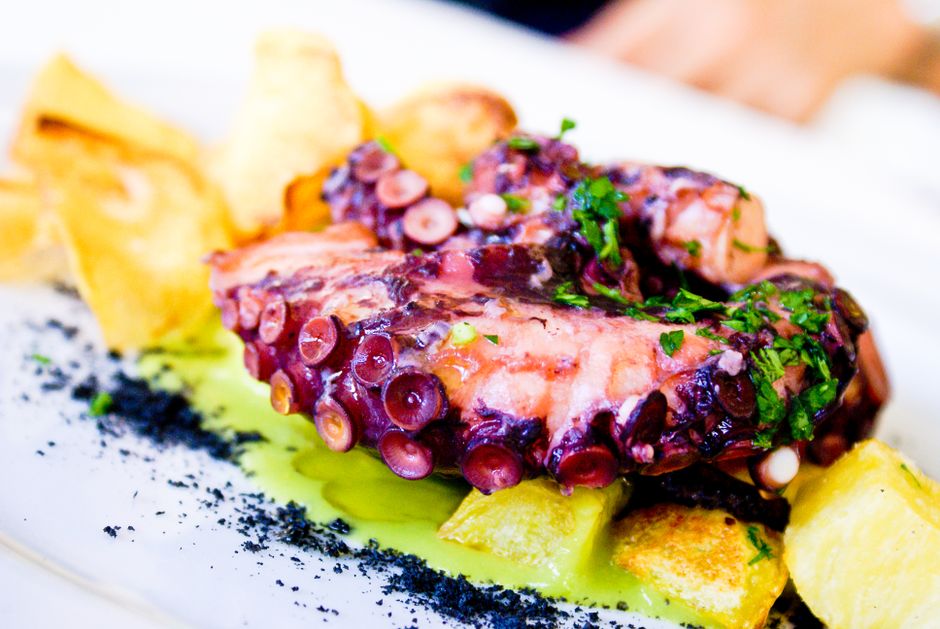
- Grilled Octopus — Tender and juicy, grilled over charcoal and served with lemon and olive oil. 8-12 EUR
- Fish Stew — A hearty stew made with fresh fish, tomatoes, and herbs. 10-15 EUR
- Grilled Squid — Charred and crispy, served with a side of rice or fries. 7-10 EUR
- Albanian Salad — A mix of fresh vegetables, feta cheese, and olive oil. 4-6 EUR
- Baklava — A sweet pastry made with layers of phyllo dough, nuts, and honey syrup. 2-4 EUR
For budget travelers, you can find street food and take-away options for under 5 EUR per meal. There are several small stalls and kiosks along the beach that sell grilled meats, sandwiches, and salads. For a sit-down meal at a local restaurant, expect to pay around 8-15 EUR per person. Mid-range restaurants with a view of the sea cost around 15-25 EUR per person. The main food street in Ksamil is along the beachfront, where you will find a variety of restaurants and cafes.
Nightlife
Ksamil's nightlife is lively and energetic, with a variety of bars and clubs along the beachfront. The main nightlife district is around the main square and the beach, where you will find a mix of local and international venues. Here are some of the best spots:
Bar Ksamil — A popular beachfront bar with a great atmosphere and live music. They serve a variety of cocktails and beers, and the view of the sunset is unbeatable. Cover charge: 5-10 EUR.
Club Ksamil — A large club with a dance floor and a DJ playing electronic music. It is the place to go if you want to party until the early hours. Cover charge: 10-15 EUR.
Beach Bar Ksamil — A relaxed beach bar with a more laid-back vibe. They serve simple drinks and snacks, and the atmosphere is casual and friendly. Cover charge: 3-5 EUR.
Getting There & What to Expect
The nearest airport to Ksamil is Ioannis Kapodistrias International Airport in Corfu, Greece. From there, you can take a ferry to Ksamil, which takes about 20-30 minutes. Ferries run regularly during the summer season and cost around 15-20 EUR per person. Alternatively, you can take a bus from Corfu to the Albanian border and then a taxi to Ksamil. The total journey takes around 2-3 hours and costs around 30-40 EUR per person.
If you are coming from Tirana, the capital of Albania, you can take a bus or a taxi to Ksamil. The journey takes around 4-5 hours by bus and costs around 10-15 EUR. By taxi, it takes around 3-4 hours and costs around 50-70 EUR. If you are driving, the road from Tirana to Ksamil is well-maintained and scenic.
Accommodation in Ksamil ranges from budget hostels to luxury hotels. Budget hostels cost around 20-40 EUR per night, while mid-range hotels cost around 50-100 EUR per night. Luxury hotels and resorts cost around 100-200 EUR per night. The best time to visit Ksamil is from June to September, when the weather is warm and the sea is calm. However, this is also the peak tourist season, so expect crowds and higher prices.
Search accommodation in Ksamil on Booking.com →
The Shell Truth
Walking away from the beach at dusk, the sand crunching under my feet, I couldn't shake the feeling that I was walking on a secret. The marketing brochures talk about "pristine white sands" and "turquoise waters," but they never mention the biology. They don't tell you that every grain is a tiny tombstone. It's a harsh truth, but it's also a beautiful one. It reminds you that nature is always recycling, always breaking things down to build something new. The beauty of Ksamil is not in its perfection, but in its process. It's a place where death becomes beauty, where the past is ground into the present. And maybe that's why it feels so alive. Because it is. It's alive with the echoes of everything that came before.
So next time you visit Ksamil, take a moment to pick up a handful of sand. Look closely. See the fragments, the shards, the tiny pieces of history. Feel the grit. And remember that this place is not just a beach. It's a story. A story of the sea, of time, and of the relentless power of nature to create beauty from destruction. It's a story worth telling. And worth hearing.
Comments