


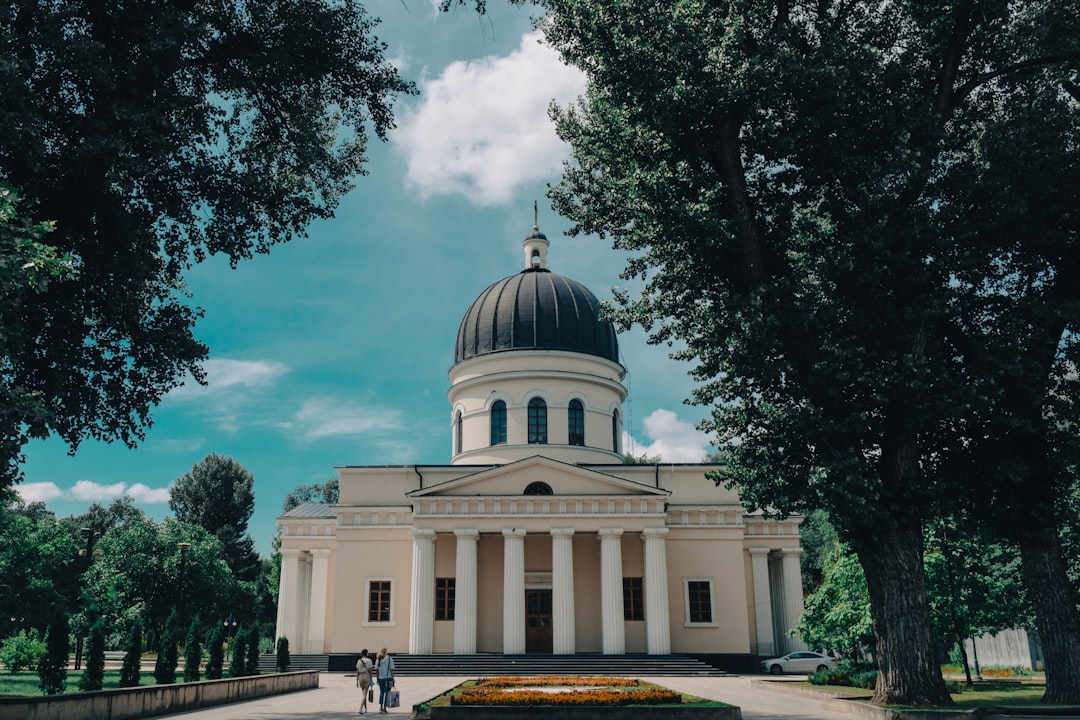
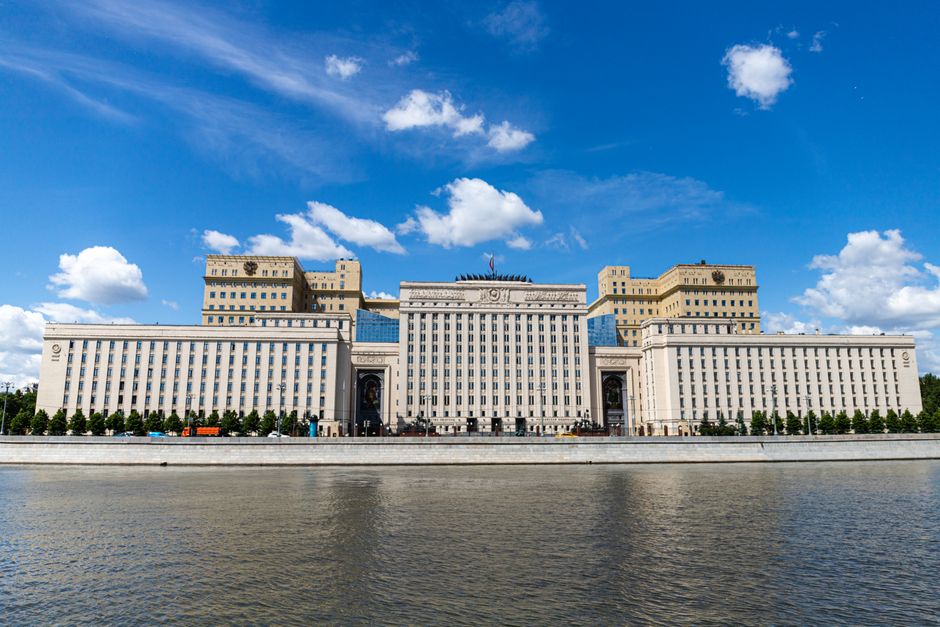
The Kremlin has escalated its rhetorical pressure on Moldova, with Foreign Ministry spokesperson Maria Zakharova issuing stark warnings about the potential consequences of any territorial changes involving the country. In a recent statement that has rippled across Eastern Europe, Zakharova suggested that if the breakaway region of Transnistria were to join Romania, it would fundamentally alter the geopolitical landscape, potentially leading to the dissolution of Moldova as an independent state. These comments, while framed as hypothetical scenarios regarding regional stability, have been interpreted by Chisinau and its Western partners as a direct threat aimed at deterring Moldova's pro-European trajectory. The situation underscores the delicate balance Moldova maintains between its Western aspirations and the lingering influence of its powerful eastern neighbor.
The timing of these remarks is particularly sensitive. Moldova, under President Maia Sandu, has firmly committed to the path of European Union integration, signing an association agreement and securing candidate status. However, the country remains deeply divided, with the Pridnestrovian Moldavian Republic (PMR), commonly known as Transnistria, controlled by pro-Russian separatists and backed by Russian troops. The recent tensions in neighboring Ukraine have heightened fears in Chisinau that Moscow may seek to destabilize the region further. Zakharova's comments serve as a reminder that Moscow views Moldova not just as a neighbor, but as a sphere of influence it intends to protect through diplomatic and potentially coercive means.
The Transnistria Question and Russian Leverage
Transnistria, a narrow strip of land between the Dniester River and the Ukrainian border, declared independence from Moldova in 1990. Although it is not recognized by any UN member state, it functions as a de facto independent entity with its own government, currency, and security forces. Crucially, it hosts approximately 1,500 Russian troops from the Cossack Guard and the 14th Guards Combined Arms Army, remnants of the Soviet military presence. This military footprint gives Moscow significant leverage over Chisinau. Any move by Moldova to reintegrate the region, or for the region to seek union with Romania, would be viewed by the Kremlin as a direct challenge to its security interests.
Zakharova’s specific mention of Gagauzia, another autonomous territorial unit in southern Moldova with a significant ethnic Gagauz population, adds another layer to the narrative. Gagauzia has historically leaned towards Russia and pro-Russian political parties. By linking the potential union of Transnistria with Romania to the fate of Gagauzia, the Kremlin is attempting to portray Moldova’s pro-Western policies as a threat to the rights and stability of its own internal regions. This strategy aims to sow discord within Moldova, encouraging separatist sentiments and undermining the central government's authority. The implication is clear: any shift towards Romania could lead to fragmentation and chaos.
The reference to Romania is particularly provocative. Romania and Moldova share deep historical, cultural, and linguistic ties. Many Moldovans identify as ethnic Romanians, and there are longstanding discussions about the potential unification of the two countries. However, the Romanian government has consistently stated that it respects Moldova's sovereignty and territorial integrity. Despite this, the Kremlin uses the specter of Romanio-Moldovan union as a tool to justify its own interventions. By framing such a union as an existential threat to Moldova's existence, Moscow seeks to galvanize pro-Russian sentiment and justify its continued military presence in Transnistria.
Moldova's Strategic Dilemma and Western Support
For President Maia Sandu, navigating this complex geopolitical landscape is a daily challenge. Her administration has prioritized EU integration as a means to secure economic stability, democratic reforms, and security guarantees. The European Union has responded with significant financial aid and political support, recognizing Moldova's strategic importance in countering Russian influence in the Balkans and Eastern Europe. However, the EU's ability to provide immediate security guarantees is limited, leaving Moldova vulnerable to hybrid threats, including cyberattacks, disinformation campaigns, and energy blackmail.
The recent comments from Zakharova highlight the limitations of soft power in the face of hard military reality. While the EU can offer economic incentives, it cannot currently deploy troops to protect Moldova's borders. This gap in security assurances leaves Chisinau in a precarious position. The government must balance its pro-Western orientation with the need to maintain stability within its own borders, particularly in regions like Transnistria and Gagauzia where Russian influence remains strong. Any misstep could trigger a crisis that Moscow might exploit to deepen its control over the region.
International observers are closely monitoring the situation. The Organization for Security and Co-operation in Europe (OSCE) has a mission in Moldova aimed at monitoring the conflict in Transnistria, but its effectiveness has been constrained by limited access and resources. The United States and other NATO allies have also expressed support for Moldova's sovereignty, but their direct involvement remains cautious. The fear is that any overt confrontation with Russia over Moldova could escalate tensions in the region, potentially spilling over into Ukraine or affecting the broader Balkans. For now, the focus remains on diplomatic pressure and economic support to bolster Moldova's resilience.
Implications for the Balkans and Regional Stability
The situation in Moldova has broader implications for the Balkans, a region that has historically been a battleground for competing great power interests. Countries like Serbia, Bosnia and Herzegovina, and Kosovo face similar challenges in balancing their relationships with the EU, NATO, and Russia. The Kremlin's strategy in Moldova—using energy dependence, political influence, and military presence to maintain leverage—serves as a model for its activities in the Balkans. For instance, Russia has sought to maintain influence in Serbia through energy deals and political support, while also supporting pro-Russian entities in Bosnia and Herzegovina.
The potential for instability in Moldova could have ripple effects across the region. If Moscow were to succeed in destabilizing Chisinau, it could embolden pro-Russian factions in other Balkan states, undermining their EU integration efforts. Conversely, Moldova's success in resisting Russian pressure and moving closer to the EU could serve as a positive example for other countries in the region. The outcome of this geopolitical struggle will likely shape the future of European security and the balance of power in Eastern Europe and the Balkans.
As the dust settles on Zakharova's latest remarks, the focus remains on Moldova's ability to maintain its course towards European integration. The coming months will be critical, with upcoming elections and potential negotiations on the status of Transnistria. The international community, particularly the EU and the US, will need to increase its support for Moldova to ensure that it can withstand the pressure from Moscow. For Balkan audiences, the situation in Moldova is a stark reminder of the ongoing struggle for sovereignty and the importance of strong regional alliances in the face of external threats.


Comments