


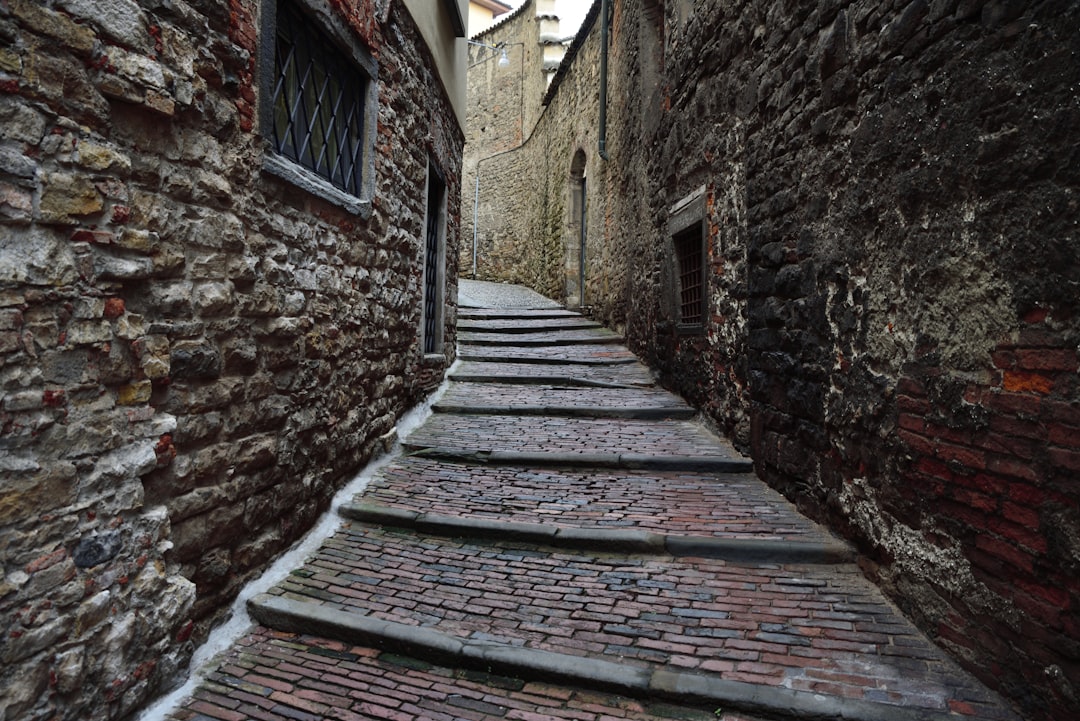
The first time I tried to navigate Kotor, I didn't just walk; I surrendered. It was 2 PM in July, the air thick with the scent of old stone and sunscreen, and I had made the fatal mistake of wearing sandals. I was standing at the base of a staircase so steep it looked like it had been bolted to a cliff face by a mad architect. A local woman, carrying a basket of groceries that weighed more than my entire backpack, breezed past me without breaking a sweat, her heels clicking a rhythmic taunt against the limestone. "Don't look down," she said, not unkindly, before vanishing around a corner that defied Euclidean geometry. That moment defined my entire understanding of Montenegro. This isn't a city you visit; it's a city you survive. The verticality here isn't an aesthetic choice; it's a brutal, unapologetic fact of life that shapes every interaction, every meal, and every breath you take in this Adriatic fortress.
Forget the flat, grid-locked ease of Western European capitals. Kotor is a vertical labyrinth carved into a mountainside, a place where the concept of "ground level" is a myth. The staircases here are the arteries of the city, pulsing with the daily rhythm of residents who have evolved a specific kind of grace under pressure. To understand Kotor, you have to understand the stairs. They are the great equalizer, the silent judge of your fitness, and the most authentic cultural artifact in the region. This is urban living distilled to its most physical, exhausting, and strangely beautiful form.
History & Identity
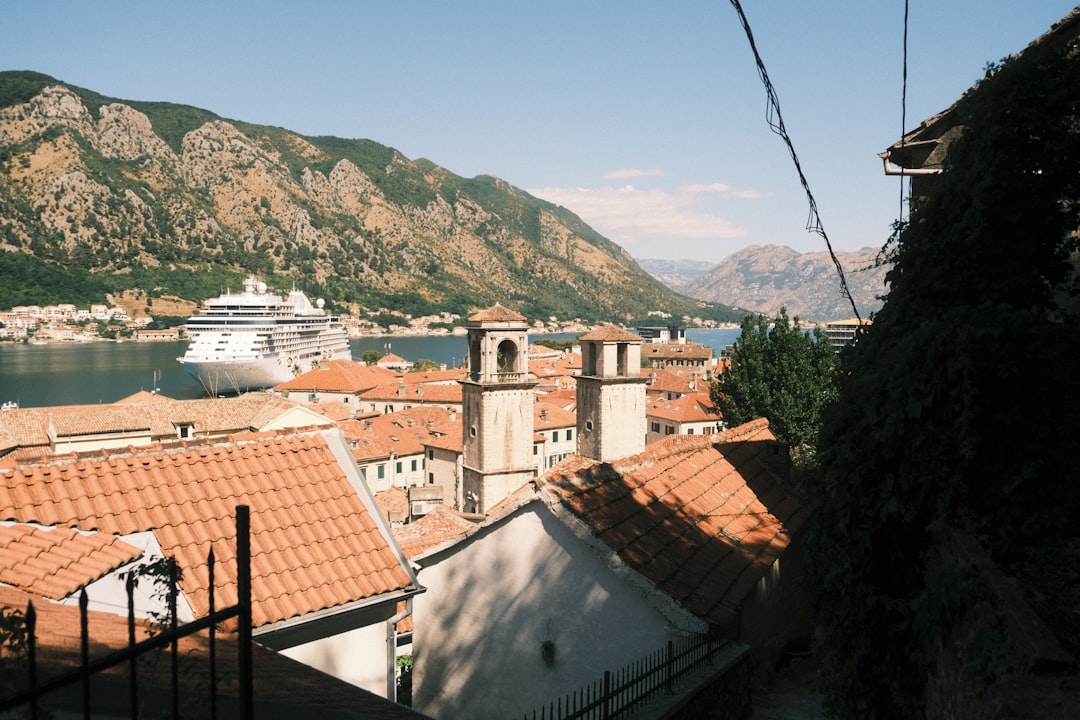
The reason Kotor looks like a medieval video game map is simple: defense. Founded in the 9th century, the city was built on a narrow strip of land between the steep slopes of Mount Orjen Mount Orjen and the calm waters of Boka Kotorska Bay of Kotor. For centuries, this was a strategic stronghold, first under the Narentines, then the Byzantine Empire, and later the Republic of Venice. The Venetians, who ruled for much of the Middle Ages, turned Kotor into a fortress of stone, stacking buildings on top of each other to maximize space and create a natural defensive wall.
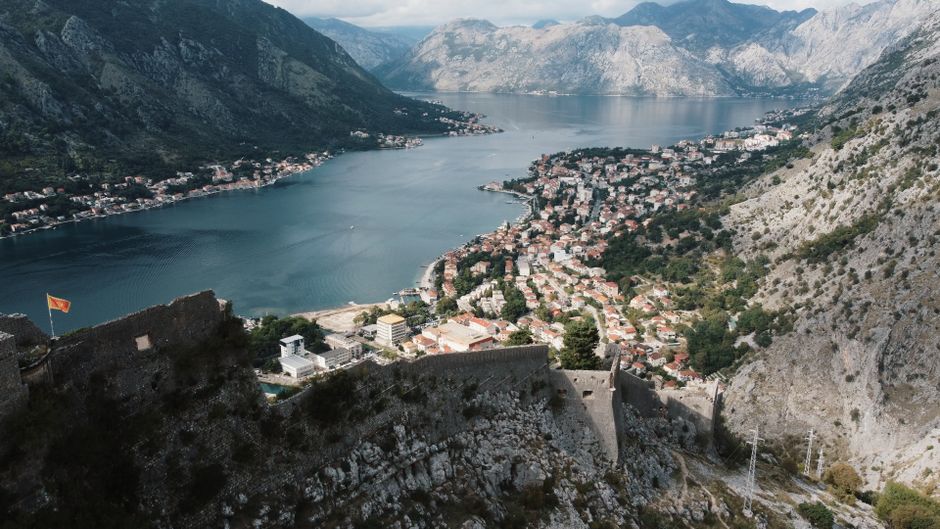
The result is a city that grows upward, not outward. The famous Walls of Kotor Walls of Kotor are the crown jewel of this defensive architecture, winding up the mountain for 4.5 kilometers and reaching heights of 250 meters. But the walls are just the spine; the staircases are the flesh. Every alley, every piazza, and every doorway is connected by a network of steps that have worn smooth under the feet of merchants, soldiers, and locals for over a thousand years. This vertical layout forced a specific kind of community life. Neighbors were literally above and below each other, creating a tight-knit, insular society where privacy was a luxury and shared space was a necessity.
Today, that history is palpable. The city is a UNESCO World Heritage site, frozen in time but alive with modern chaos. The preservation laws mean no elevators, no wide boulevards, no shortcuts. The identity of Kotor is inextricably linked to this vertical struggle. It's a city that demands effort, and in return, it offers a sense of accomplishment that flat cities simply cannot match. The stairs are not just infrastructure; they are the soul of the place, a physical manifestation of resilience and adaptability.
Where to Go
Walls of Kotor — This is the non-negotiable hike. Starting from the Sea Gate Sea Gate, the ascent takes you through tunnels, past cannons, and along the ridge of the mountain. The climb is brutal, with thousands of steps, but the view from the top, overlooking the entire bay and the surrounding peaks, is worth the sweat. Entry is 10 EUR for the full circuit, or 5 EUR for the first three kilometers. Go early in the morning or late in the afternoon to avoid the midday heat and crowds.
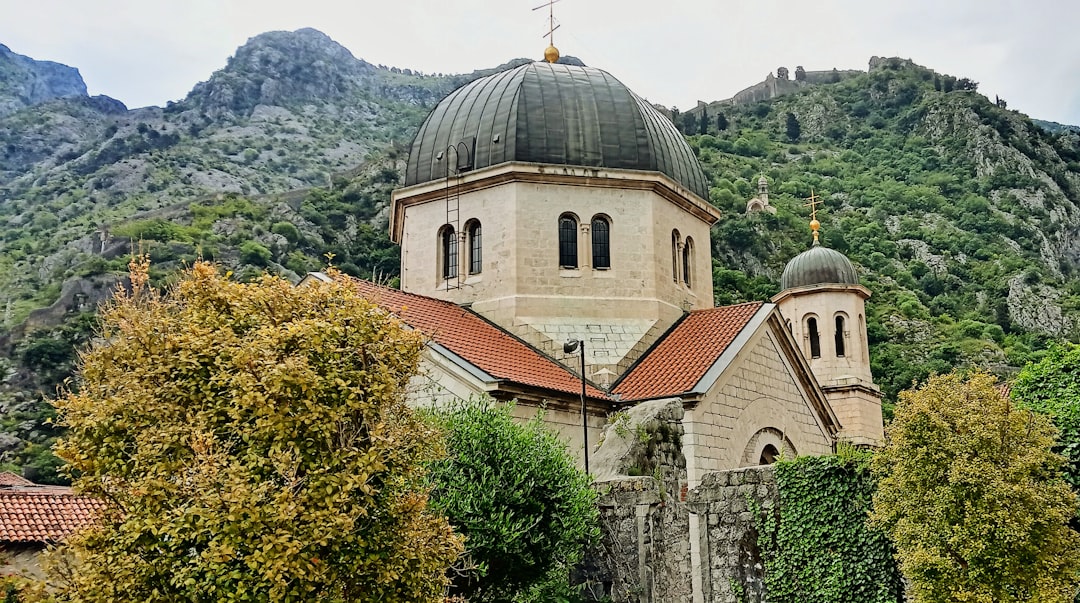
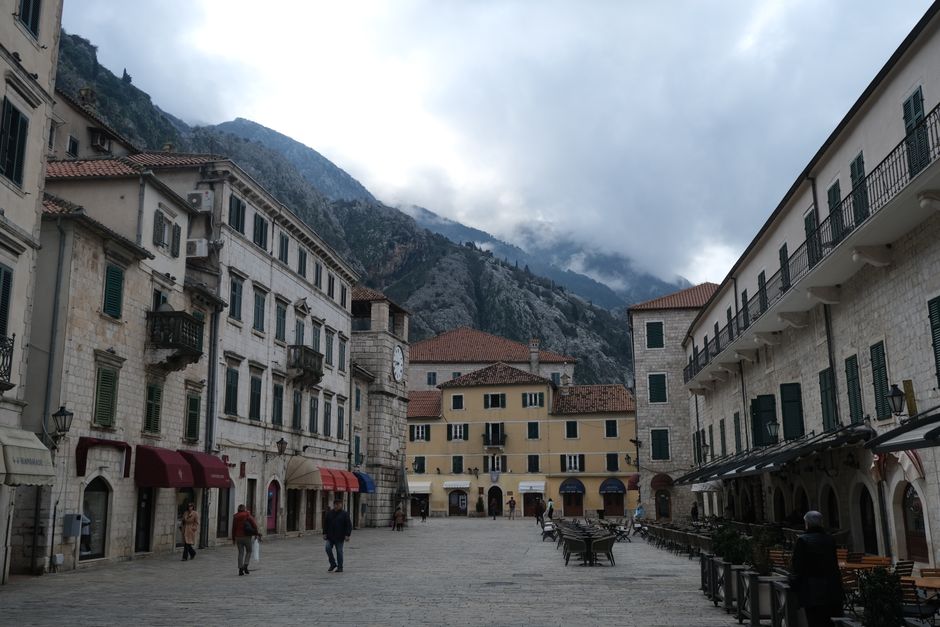
St. Tryphon Cathedral — Located in the main square, Trg Od Zida St. Tryphon Cathedral, this is the spiritual heart of the Old Town. Built in the 12th century and expanded over the centuries, it's a mix of Romanesque and Gothic styles. The interior is dimly lit and filled with medieval frescoes and icons. It's a place of quiet reflection amidst the tourist chaos. Entry is free, but donations are appreciated. The square outside is the main hub for street performers and musicians in the evening.
Museum of Montenegro — Housed in a former Franciscan monastery, this museum offers a deep dive into the region's complex history. The exhibits range from archaeological finds to religious art and modern history. It's a small but significant collection that helps contextualize the layers of empire and resistance that shaped Kotor. Entry is 5 EUR. It's a good place to escape the heat and learn why the city looks the way it does.
Perast — A short boat ride away, this baroque town on the opposite side of the bay is a stark contrast to the medieval chaos of Kotor. Perast Perast is known for its grand palaces and the two churches on the main square. It's flatter, more elegant, and less crowded, offering a nice respite from the stairs. The boat from Kotor costs 5 EUR one way and takes about 20 minutes.
Fort Royal — A short walk from the Old Town, this 16th-century fortress sits on a hill overlooking the entrance to the bay. It offers a different perspective on the city and the sea. The climb is shorter than the Walls but still steep. Entry is 3 EUR. It's a good spot for sunset, with fewer tourists and a more relaxed atmosphere.
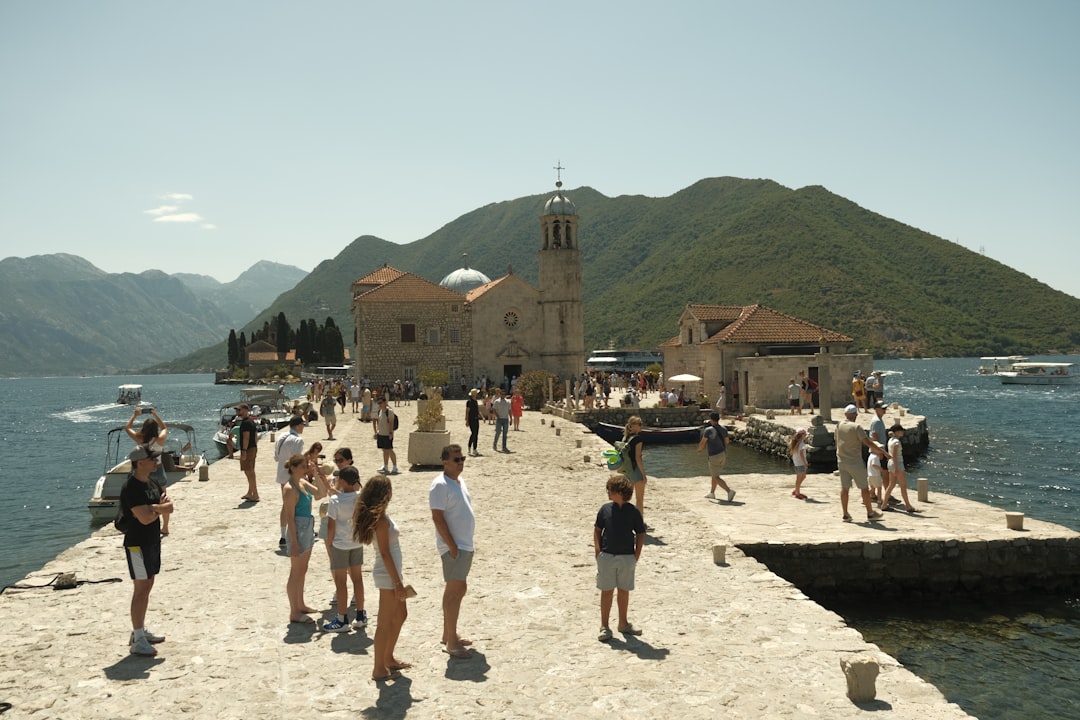
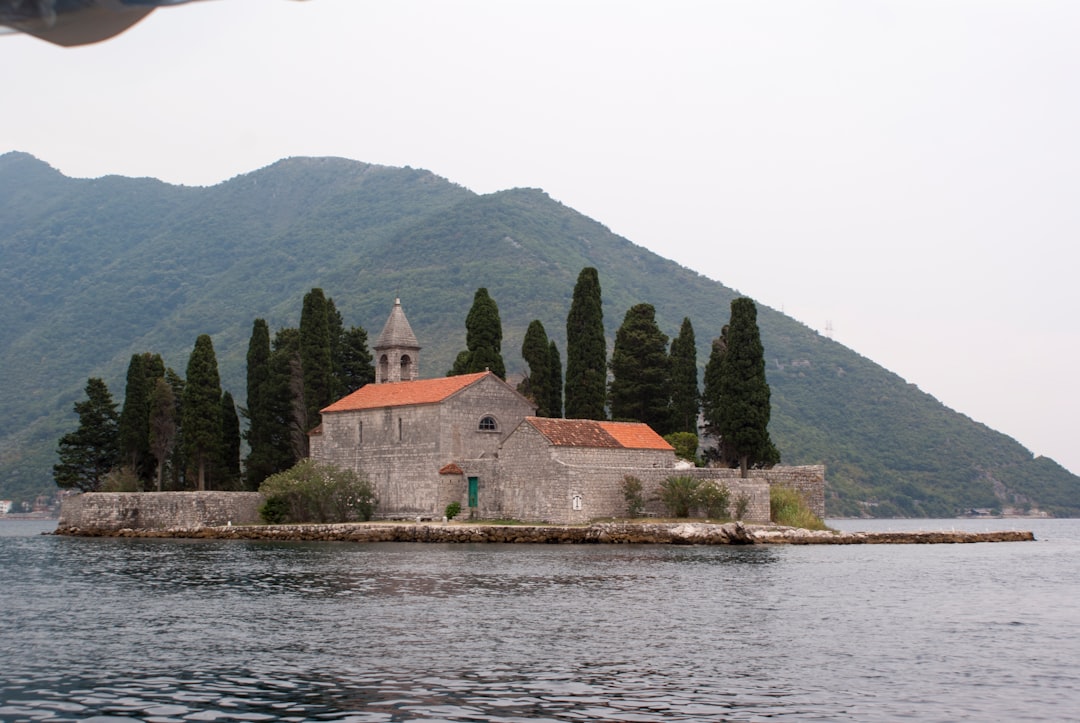
Our Lady of the Rocks — Accessible only by boat, this tiny island and church in Perast is a unique cultural phenomenon. The island itself was built up over centuries by sailors throwing stones into the sea. The church houses a treasury of gold, silver, and paintings. It's a surreal experience, stepping onto a man-made island in the middle of the bay. The boat ride from Perast is 2 EUR one way.
What to Eat & Drink
Eating in Kotor is a strategic operation. You don't just sit down; you fuel up for the climb. The local cuisine is a mix of Mediterranean and Balkan influences, heavy on seafood, olive oil, and fresh vegetables. Ćevapi — small grilled meat sausages served with flatbread and onions — are the go-to street food, costing 3-4 EUR for a plate. They're portable, filling, and perfect for grabbing on the go. Šopska salata — a fresh salad of tomatoes, cucumbers, onions, and white cheese topped with paprika — is a staple side dish, costing 3 EUR. It's light, refreshing, and cuts through the heaviness of the meat dishes.
For sit-down meals, Ribara — grilled fish served with potatoes and vegetables — is a must-try. It's expensive, often 15-25 EUR per person, but the quality of the seafood from the bay is unmatched. Pie — a savory pastry filled with cheese, meat, or potatoes — is another local favorite, costing 4-6 EUR for a slice. It's hearty and comforting, perfect for a cold evening after a long day of climbing. The main restaurant district is around Trg Od Zida and the surrounding alleys, where you'll find a mix of tourist traps and local spots. Look for places with outdoor seating and a menu that features local ingredients. Avoid the places with photos of the food outside; they're usually overpriced and low quality.
Drinks are generally affordable. A draft beer costs 2-3 EUR, while a glass of local wine is 3-5 EUR. Kotor is known for its Ribnjak wine, a red variety that pairs well with the local cuisine. For coffee, the local style is strong and sweet, similar to Turkish coffee, costing 1-2 EUR. It's the perfect pick-me-up after a steep climb. There are also several cafes with outdoor terraces where you can watch the world go by, literally, as people stream up and down the stairs.

Nightlife
Nightlife in Kotor is not about clubbing; it's about lingering. The main action is in the Old Town, particularly around Trg Od Zida and the narrow alleys leading to the sea. The atmosphere is relaxed, with live music spilling out from small bars and cafes. Bar Kotor is a popular spot for locals and tourists alike, known for its cocktails and live jazz music. The cover charge is usually free, but drinks are 5-8 EUR each. The vibe is intimate, with stone walls and low lighting creating a cozy atmosphere.
For a more energetic scene, head to Club Kotor, located in a converted warehouse near the port. It plays electronic and dance music, attracting a younger crowd. The cover charge is 5 EUR, and drinks are slightly cheaper here, around 4-6 EUR. The space is larger and more open, with a dance floor and a stage for DJs. It's a good place to dance off the calories from the day's climbing. Another option is Bar Marina, located right on the water. It has a more upscale vibe, with a menu of cocktails and light bites. The view of the bay at night is stunning, with the lights of the Old Town reflecting on the water.
The nightlife in Kotor is best experienced in the summer, when the weather is warm and the streets are filled with people. In the winter, the scene is quieter, with most bars closing earlier. But even then, there's a certain charm to the empty streets and the sound of the wind whistling through the alleys. It's a reminder that this is a living city, not just a tourist destination.

Getting There & What to Expect
Getting to Kotor is relatively easy, though it requires some planning. The nearest airport is Tivat Airport Tivat Airport, located about 20 kilometers away. Taxis from the airport to Kotor cost 20-30 EUR and take about 30 minutes. Buses are also available, costing 5 EUR and taking about 45 minutes. From Podgorica, the capital of Montenegro, there are frequent buses to Kotor, costing 10 EUR and taking about 2.5 hours. The journey is scenic, winding through the mountains and along the coast.
Once you're in Kotor, the best way to get around is on foot. There are no cars in the Old Town, and the steep slopes make cycling or driving impractical. If you need to transport luggage, there are porters available at the main entrance, charging 5-10 EUR per bag. For accommodation, there's a wide range of options. Budget hostels cost 20-40 EUR per night, while mid-range hotels are 50-100 EUR per night. Luxury hotels can cost 150-300 EUR or more. The best time to visit is in the spring or autumn, when the weather is mild and the crowds are smaller. Summer is hot and crowded, while winter is cold and quiet.
Expect to be tired. The stairs will take a toll on your legs, so wear comfortable shoes and take breaks often. Stay hydrated, especially in the summer, and don't be afraid to ask locals for shortcuts or advice. They're generally friendly and helpful, even if they're a bit amused by your struggle. Kotor is a city that rewards effort, and the view from the top is always worth the climb.
Search accommodation in Kotor on Booking.com →
The Vertical Verdict
As I stumbled out of the Old Town gates that evening, my calves burning and my sandals worn through, I realized something. I hadn't just visited Kotor; I had earned it. Every step up the Walls, every stumble on a loose stone, every breathless pause on a landing had been a transaction. The city doesn't give you anything for free. It demands your physical presence, your sweat, your patience. In a world of flat, easy, Instagram-ready destinations, Kotor is a rebellious act. It refuses to be consumed passively. It forces you to engage, to struggle, to adapt. And in that struggle, you find a connection to the place that no flat tourist trail could ever provide. The stairs aren't a barrier; they're the bridge. And once you've crossed them, you understand why the people here walk with such a distinctive, confident stride. They know the way. You're just catching up.
Comments