


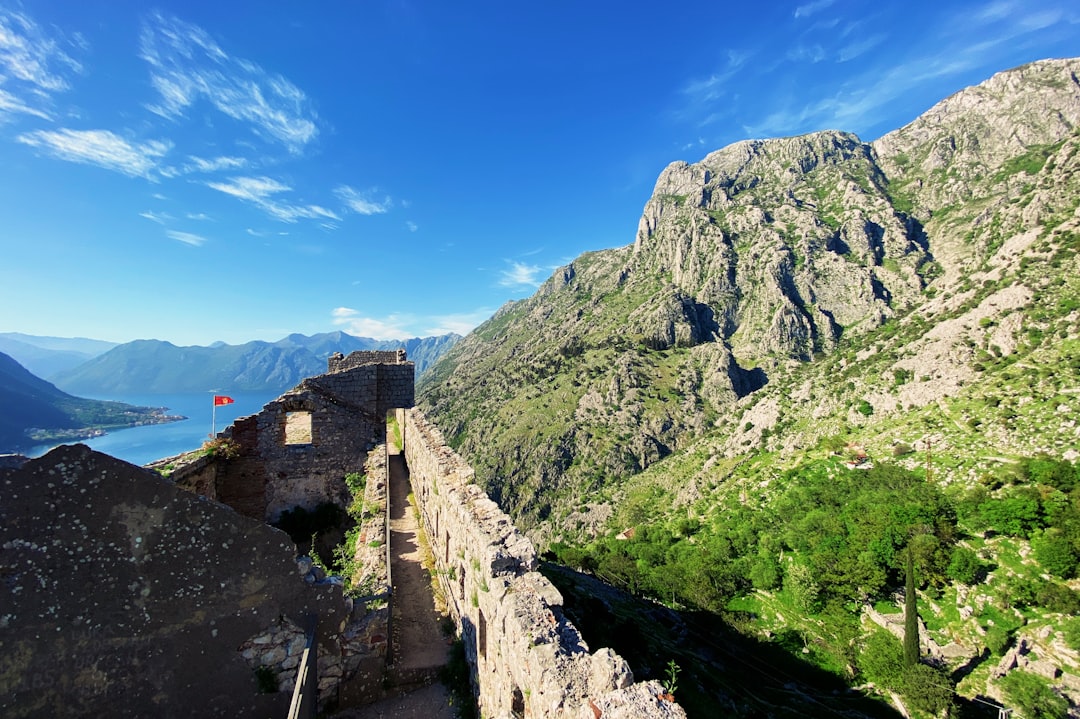
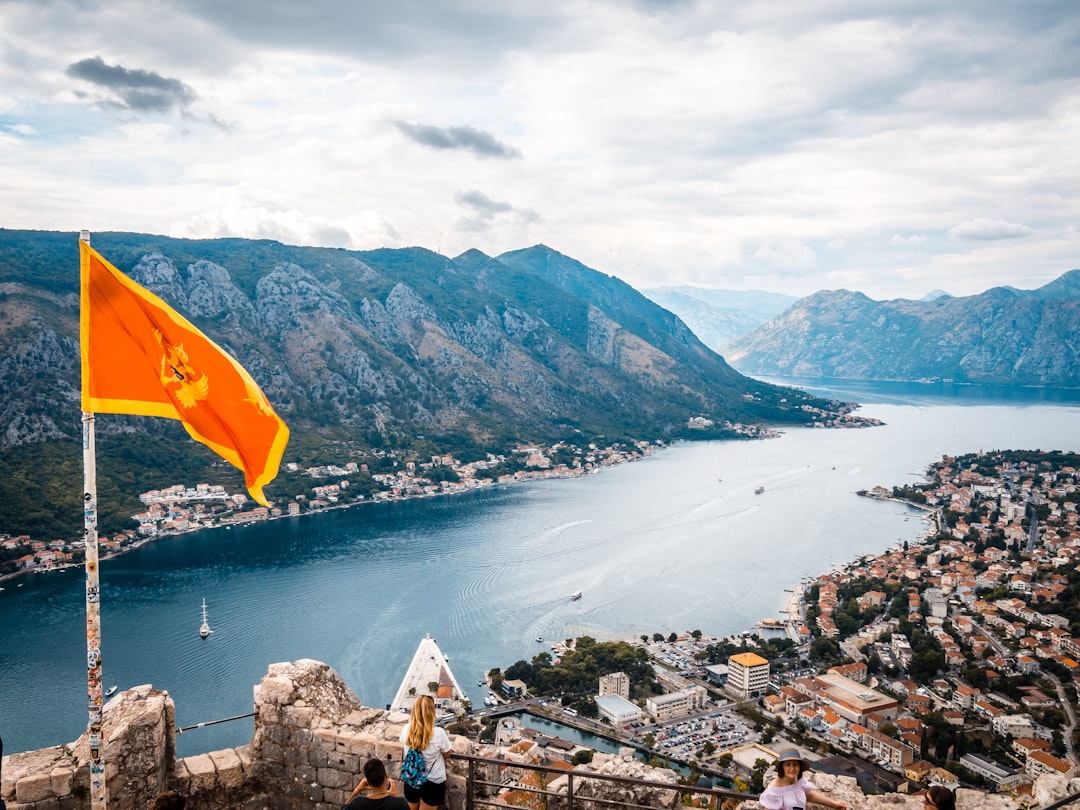
The air up here is thin, salty, and tastes like old stone. I am sitting on a crumbling parapet of Mount San Giovanni, legs dangling over a drop that would make a lesser man question his life choices. Below, the bay folds like a piece of expensive silk, dotted with boats that look like toys. I have climbed 1,350 steps. My lungs are burning. My phone has no signal. And I have never felt more alive in Kotor. This isn't a hike. It's an assault on gravity, a vertical pilgrimage through centuries of war, plague, and Venetian pride. The locals don't call it a trail. They call it a ladder to heaven, built by slaves and maintained by stubbornness.
I started at the base of the Kotor Old Town walls just as the morning mist was lifting off the Boka Kotorska bay. The stone was slick with dew. By the time I reached the first terrace, my shirt was soaked through. The view? Worth every blister. This is not a gentle stroll through a park. This is a climb into the soul of Montenegro, where history is carved into limestone and the only thing tougher than the terrain is the people who live here.
History & Identity
The walls of Kotor are not just defensive structures. They are a statement. Built over centuries, starting in the 9th century and massively fortified by the Venetians in the 15th and 16th centuries, these walls were designed to keep out the Ottomans, the French, and anyone else who wanted a piece of this strategic bay. The Fortress of San Giovanni at the summit was the crown jewel, a military stronghold that overlooked every approach to the city. Walking these steps is walking through layers of conflict. You can still see the scars of cannonballs on some of the lower battlements.
The Venetian influence is everywhere. The architecture, the layout of the old town, even the way the streets twist and turn to confuse invaders. But beneath that is a deeper, older story. Kotor has been ruled by Byzantines, Serbs, Austro-Hungarians, and Italians. Each left a mark. The walls survived earthquakes, including a massive one in 1979 that required extensive restoration. Today, they stand as a UNESCO World Heritage site, a testament to human resilience. The climb is a reminder that this city was never easy to take, and never easy to leave.
For the modern visitor, the walls are a paradox. They are a major tourist attraction, yet they remain a living part of the city. Locals still use the upper paths for shortcuts. Children play near the gates. The fortress itself is rarely open, but the view from the top is open to all who can make the climb. It's a democratization of power, one step at a time.
Where to Go
The Lower Gate (Nikolje) — This is your starting point. Located in the Old Town, just off the main square, it's the easiest access point. The stone steps are worn smooth by centuries of feet. There's a small museum nearby if you want context before you start. Entry to the walls themselves is free, but the museum charges a fee. Best time to go: early morning, before the heat kicks in.
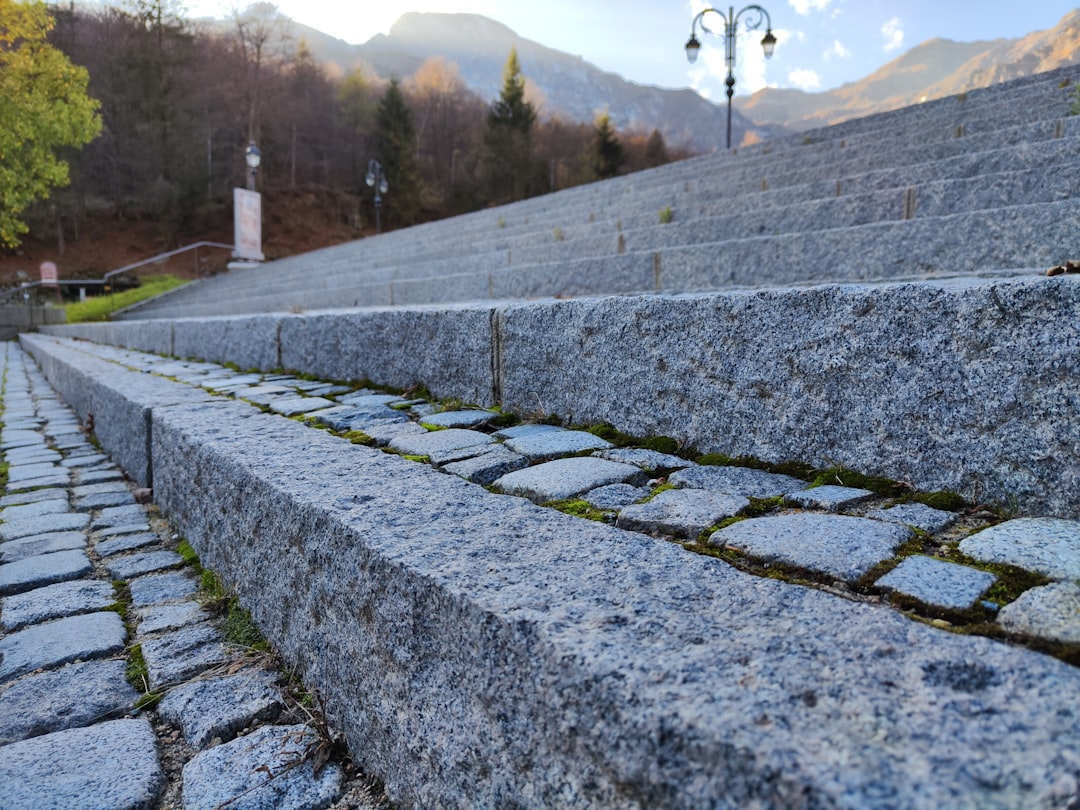
The Middle Gate (Pile) — Halfway up, you hit this massive gatehouse. It's a good place to rest and take in the view of the bay and the surrounding mountains. There are a few benches and a small kiosk selling water and snacks. Prices are higher than in town, so bring your own water. The stone here is darker, weathered by centuries of rain and sun.
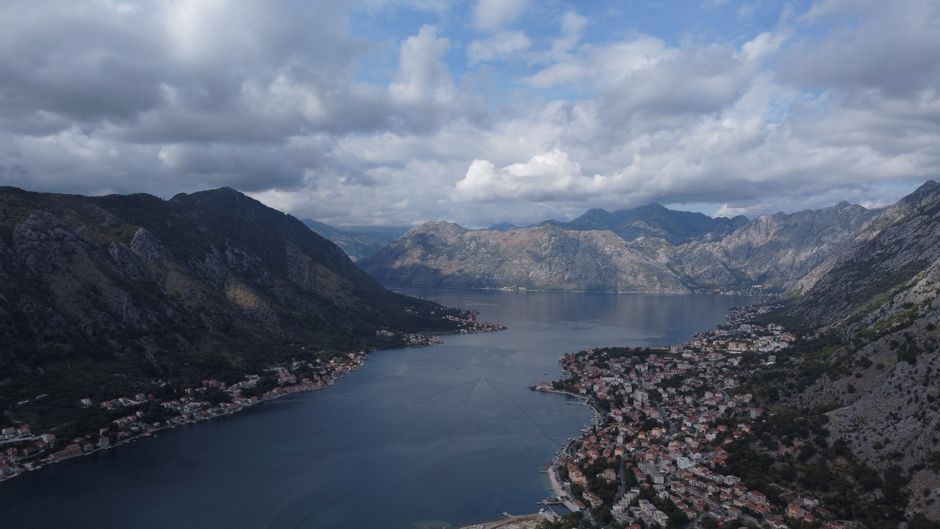
The Upper Fortress (San Giovanni) — The summit. The fortress itself is mostly ruins, but the panoramic view is unbeatable. You can see all of Boka Kotorska, the Orjen Mountains, and on clear days, even Italy. The wind is strong here, and the sun is intense. Bring a hat and sunscreen. There are no facilities at the top, just stone and sky.
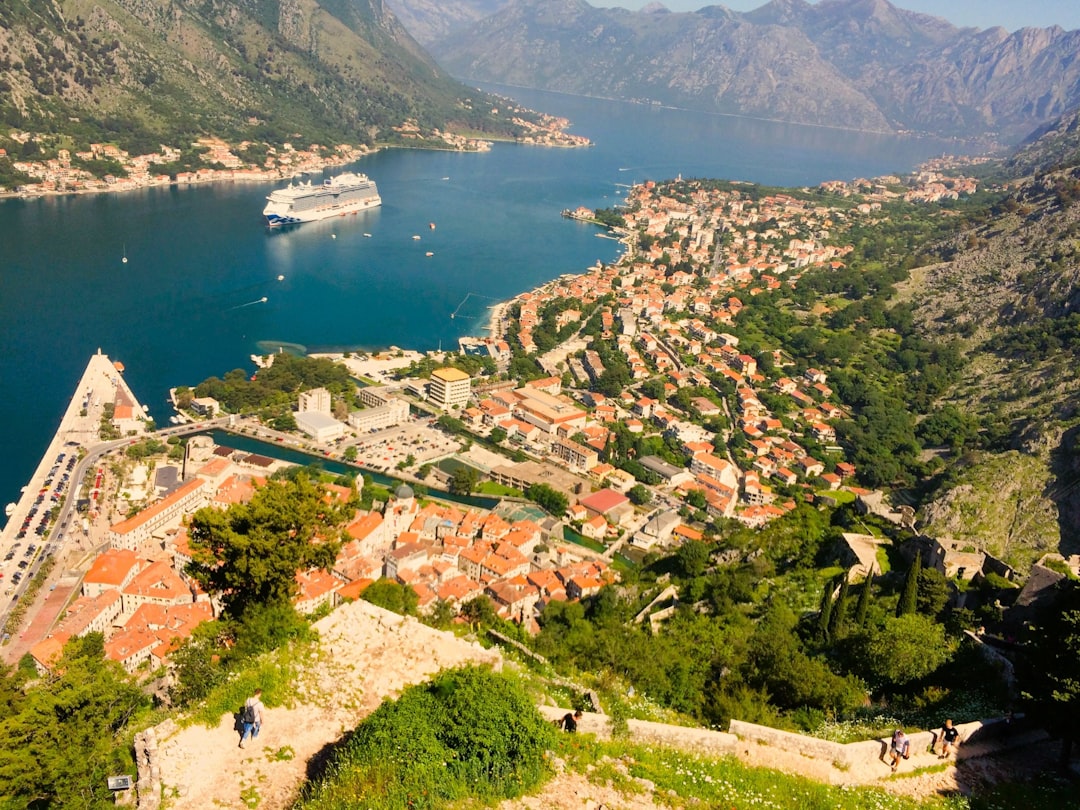
St. John's Church Ruins — Near the fortress, you'll find the ruins of a small church. It's a quiet spot, often overlooked by crowds. The view from here is slightly different, more focused on the eastern part of the bay. It's a good place to sit and reflect on the climb.
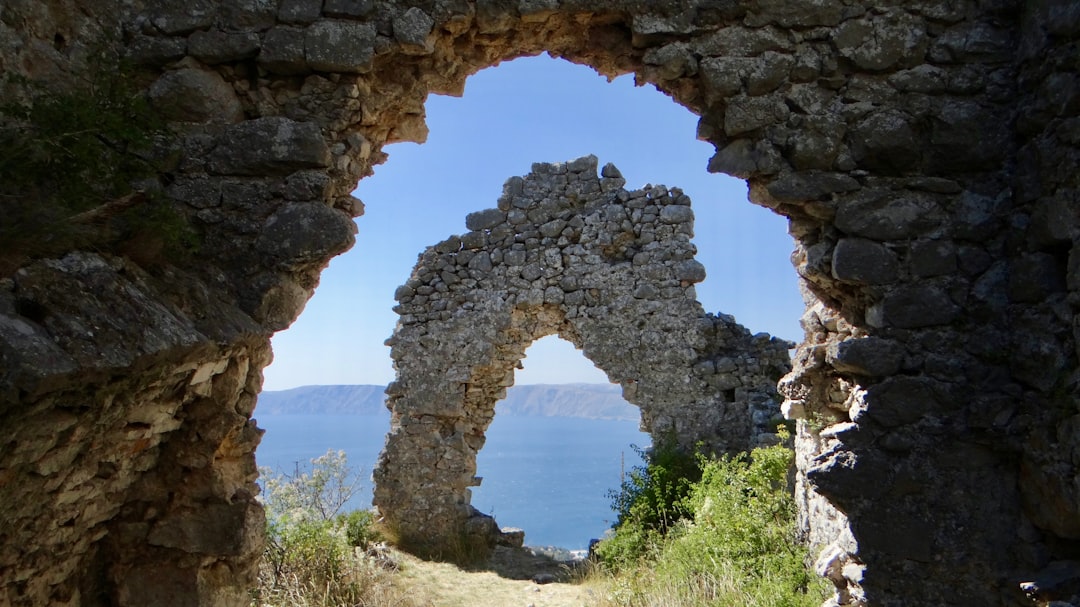
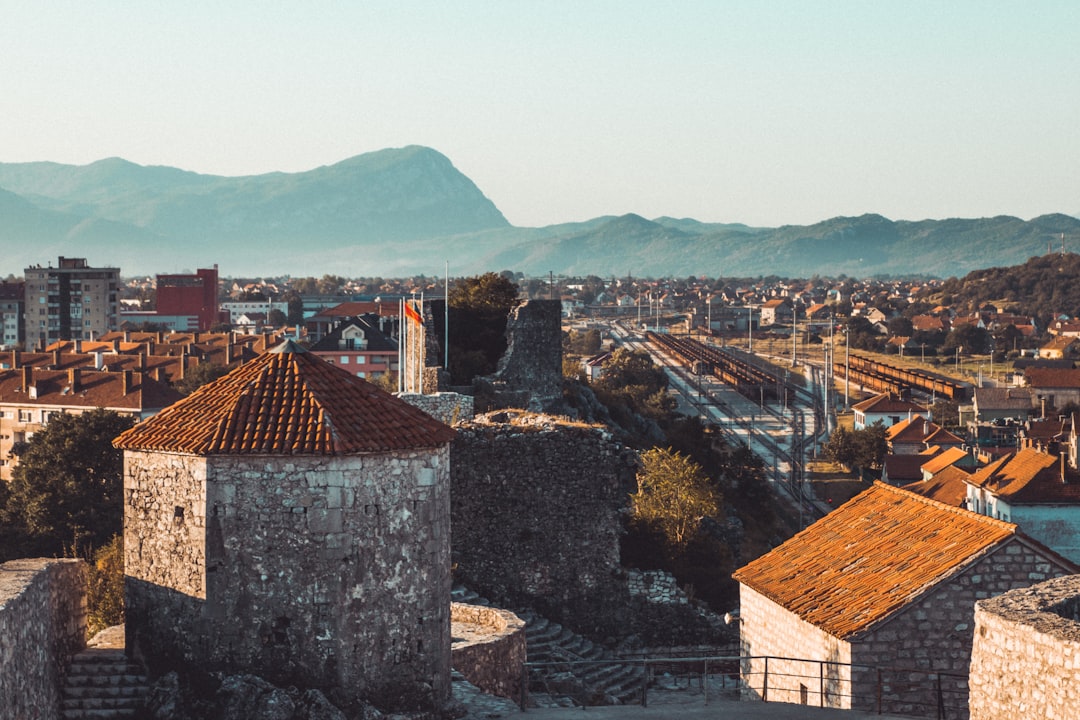
The Venetian Ramparts — These are the sections of wall that wrap around the city's eastern side. They offer a different perspective, looking out over the modern part of Kotor and the road to Tivat. The stonework here is more ornate, with decorative elements that hint at the Venetian aesthetic. It's less crowded than the main path, making it a good alternative for those seeking solitude.
What to Eat & Drink
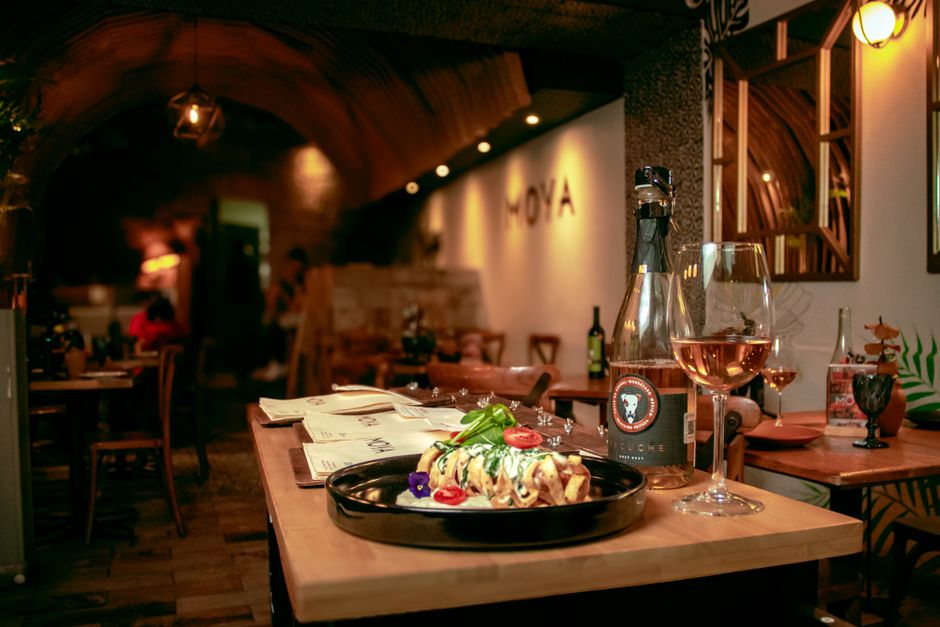
Before you climb, fuel up. Kotor's Old Town is filled with cafes and restaurants, but prices can be steep near the main square. Head a few blocks away to find better deals. Ćevapi — grilled minced meat sausages — are a local favorite, typically costing 4-6 EUR. Pair them with lepinja (flatbread) and onions for a hearty meal. Peka — lamb or veal cooked under a bell-shaped metal lid with potatoes and peppers — is a classic Montenegrin dish, usually 12-18 EUR per person. It's slow-cooked and incredibly tender.
For something lighter, try pršut — a type of dry-cured ham similar to prosciutto — served with sir (cheese) and olive oil. A plate will set you back around 5-8 EUR. Drinks are affordable if you stick to local options. Mountenegrin wine, particularly Vranac (red) or Rizvanac (white), is excellent and cheap. A glass of house wine is usually 2-3 EUR. Coffee is a way of life here. A turska kafa (Turkish coffee) is 1-2 EUR and strong enough to power you through the first few hundred steps.
Budget breakdown: Street food or simple meals can be found for 5-8 EUR per person. A sit-down meal at a local restaurant is 10-15 EUR per person. Mid-range restaurants with a view will run 20-30 EUR per person. Avoid the places with large photos of food outside — they're tourist traps. Look for places where locals are eating. The Stradun, the main pedestrian street in the Old Town, has a mix of options, but venture into the side streets for better prices and authenticity.
Nightlife
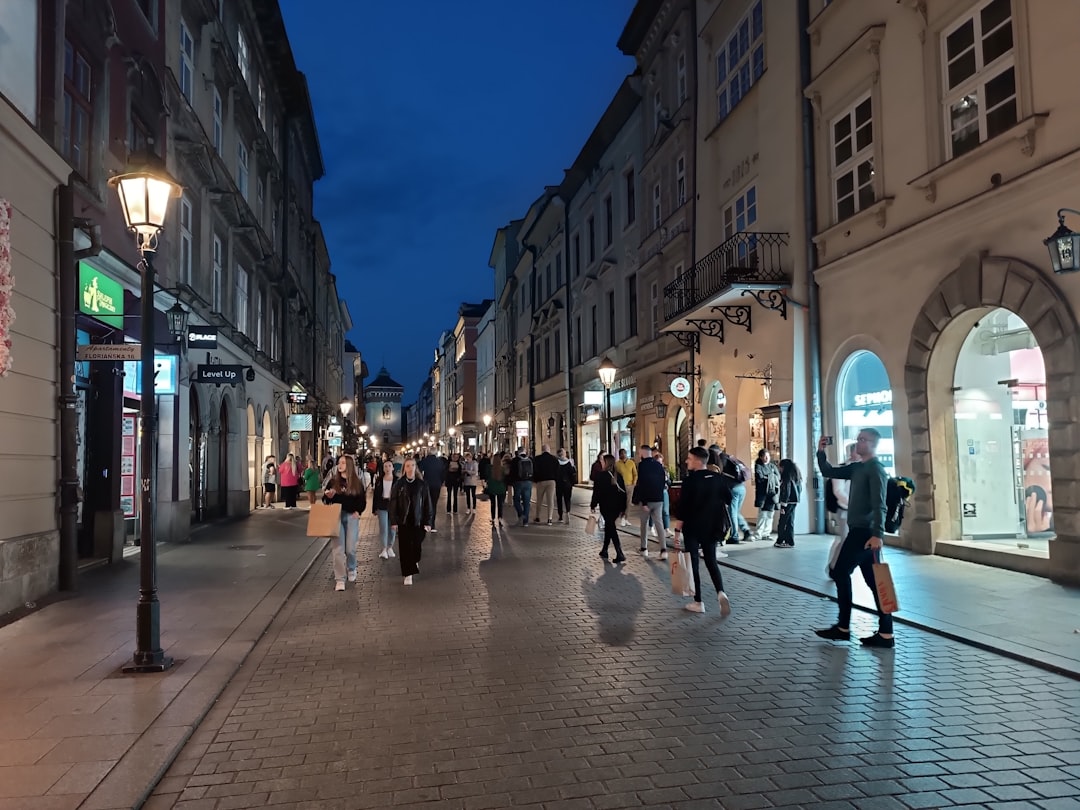
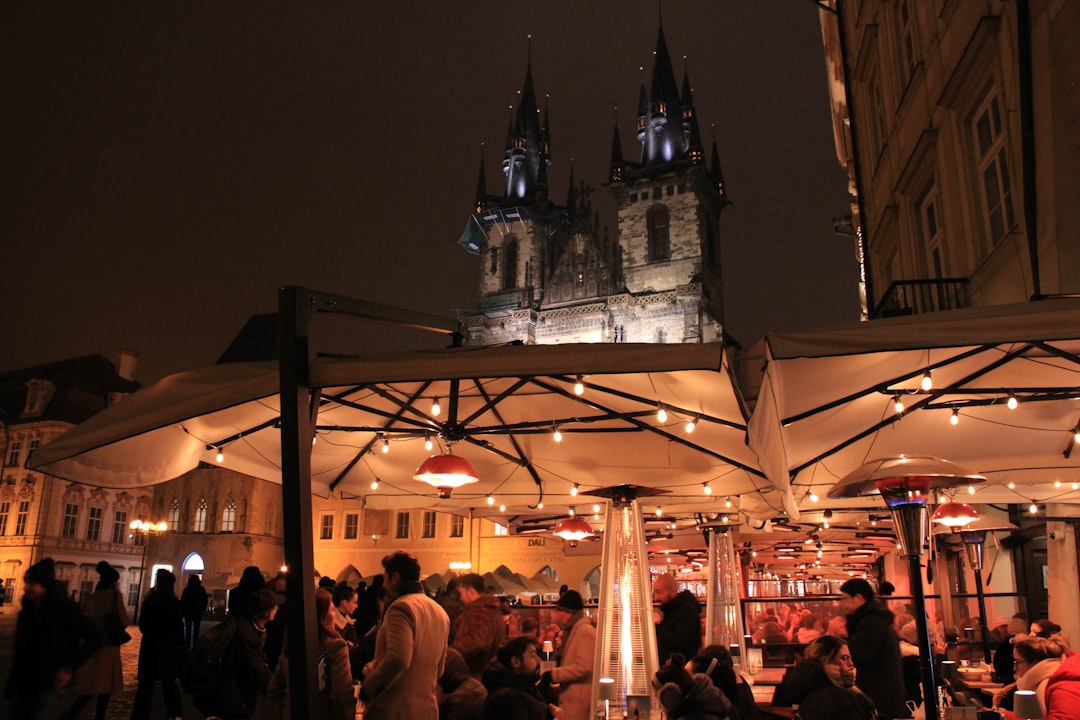
Kotor's nightlife is centered around the Stradun and the Old Town Square. Bars are open-air, with live music starting in the evening. The atmosphere is lively but not rowdy. Bar Boka is a popular spot for cocktails, with prices around 5-8 EUR per drink. Club Kotor offers dance music until late, with a cover charge of 5-10 EUR depending on the night. Bar Gromila is a hidden gem, tucked away in a small alley, known for its craft beers and relaxed vibe. Drinks are 3-5 EUR.
For a more upscale experience, Hotel Park Kotor has a rooftop bar with stunning views of the bay. Cocktails here are 8-12 EUR, but the view is worth it. The nightlife scene is seasonal, peaking in July and August. In the off-season, options are more limited, but the bars that remain open are often more authentic and less crowded.
Getting There & What to Expect
The nearest airport is Tivat Airport, about 15 km from Kotor. From the airport, you can take a taxi to Kotor for 20-30 EUR or a bus for 3-5 EUR. The bus journey takes about 30 minutes. From Podgorica, the capital, you can take a bus to Kotor, which takes about 2.5 hours and costs 5-8 EUR. Buses run several times a day. If you're driving, the road from Podgorica to Kotor is scenic but winding. Allow for extra time.
Accmodation in Kotor ranges from budget hostels to luxury hotels. A bed in a hostel dorm is 10-20 EUR per night. A private room in a budget hotel is 30-50 EUR per night. Mid-range hotels with a view of the bay are 60-100 EUR per night. Luxury hotels can exceed 150 EUR per night. Book in advance during peak season (July-August). The best months to visit are May-June and September-October, when the weather is warm but not scorching, and the crowds are smaller.
The climb to Mount San Giovanni takes about 45 minutes to an hour each way, depending on your fitness level. The steps are steep and uneven. Wear sturdy shoes with good grip. Bring water, sunscreen, and a hat. There are no facilities at the top, so plan accordingly. The climb is not recommended for young children or those with mobility issues. However, the lower sections of the walls are accessible and offer great views without the full climb.
Search accommodation in Kotor on Booking.com →
The Final Step
I sat on the edge of the fortress, watching the sun dip below the horizon, painting the bay in shades of orange and purple. The climb had been brutal, but the reward was absolute. This isn't just a hike. It's a conversation with history, a physical engagement with the past. Every step up was a step back in time. Every breath was a reminder of how many people had walked these same stones before me. I descended in the dark, using my phone's flashlight to guide me down the ancient steps. The city lights twinkled below, a beacon of modern life amidst ancient ruins. I was exhausted, blistered, and utterly satisfied. Kotor's walls had taken everything I had, and given me back a piece of myself I didn't know I'd lost. If you come here, don't just look at the view. Earn it.
Comments