


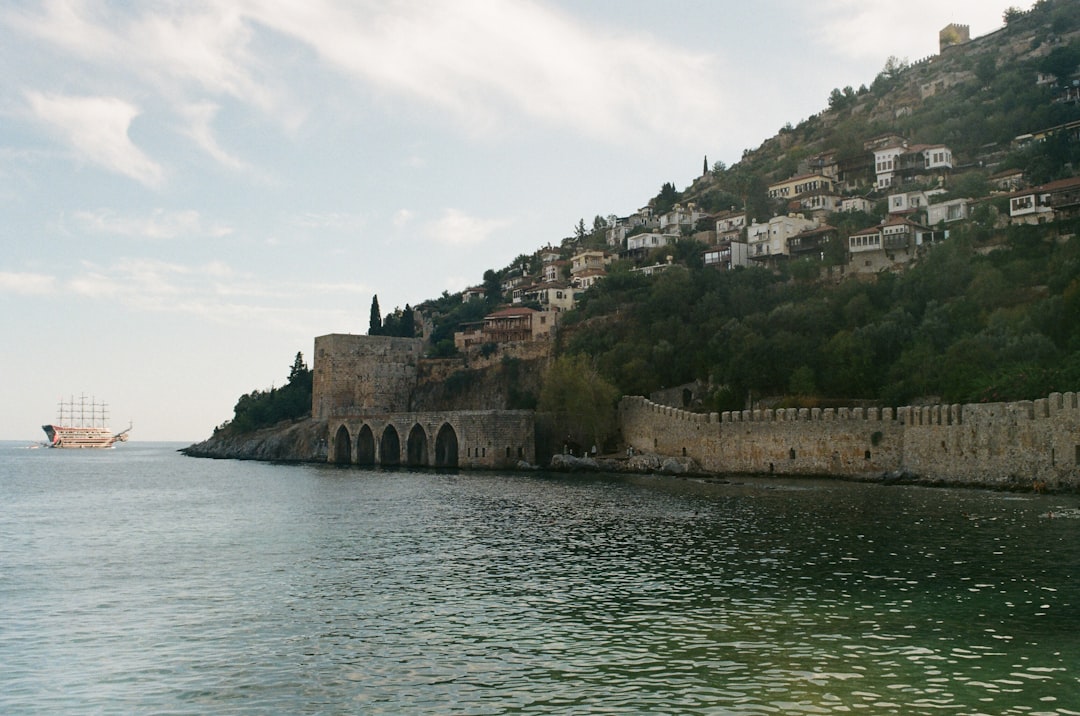
The Climb That Almost Killed Me
I stood at the bottom of the Kotor Fortress walls, looking up at a stone staircase that seemed to defy gravity, physics, and common sense. The air was thick with the smell of diesel from the cruise ships idling in the bay and the faint, salty tang of the Adriatic. A local vendor, sweating through his linen shirt, offered me a water bottle for 3 EUR. I took it. I needed it. The climb ahead wasn't just a hike; it was a vertical assault on my cardiovascular system. The walls of Kotor are not just a tourist attraction; they are a medieval military masterpiece that demands respect, sweat, and a serious pair of sneakers.
As I started the ascent, the heat radiating off the ancient limestone was palpable. The stairs, worn smooth by centuries of soldiers, merchants, and now, thousands of tourists like me, twisted upward in a dizzying spiral. There were no railings, just the sheer drop to the right and the towering wall to the left. My lungs burned. My legs screamed. But the view? The view was worth every drop of sweat. This was the moment I understood why these walls have stood for over a thousand years. They were built to intimidate, to defend, and to survive. And as I climbed, I could almost hear the echoes of medieval battles, the clash of swords, and the roar of cannons.
History & Identity
The fortress walls of Kotor are a testament to the city's turbulent past. Built originally by the Romans in the 1st century AD, the walls were expanded and reinforced by the Venetians in the 15th and 16th centuries. They were designed to protect the city from Ottoman invaders, pirates, and rival maritime powers. The walls are a marvel of medieval military engineering, with thick stone blocks, strategic bastions, and a series of gates that controlled access to the city. The Venetians, known for their naval prowess, understood the importance of fortifications, and they spared no expense in ensuring that Kotor was impregnable.
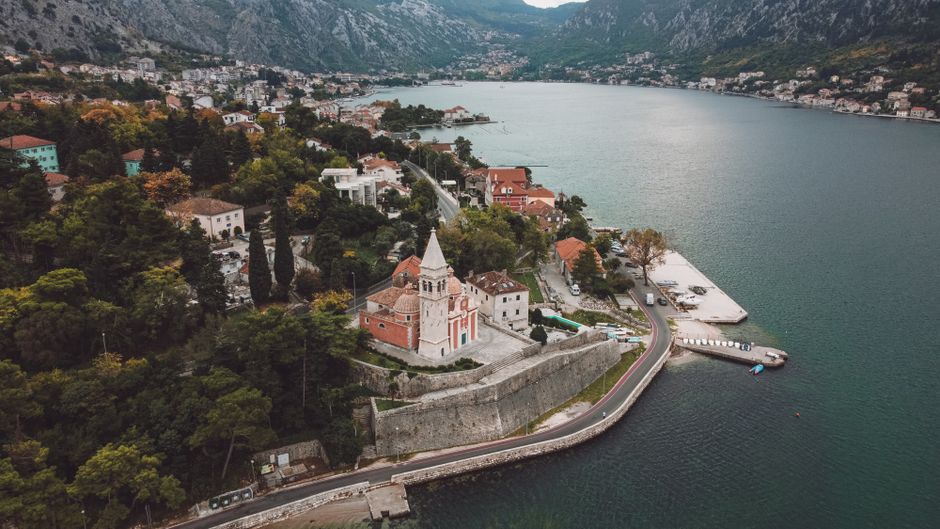
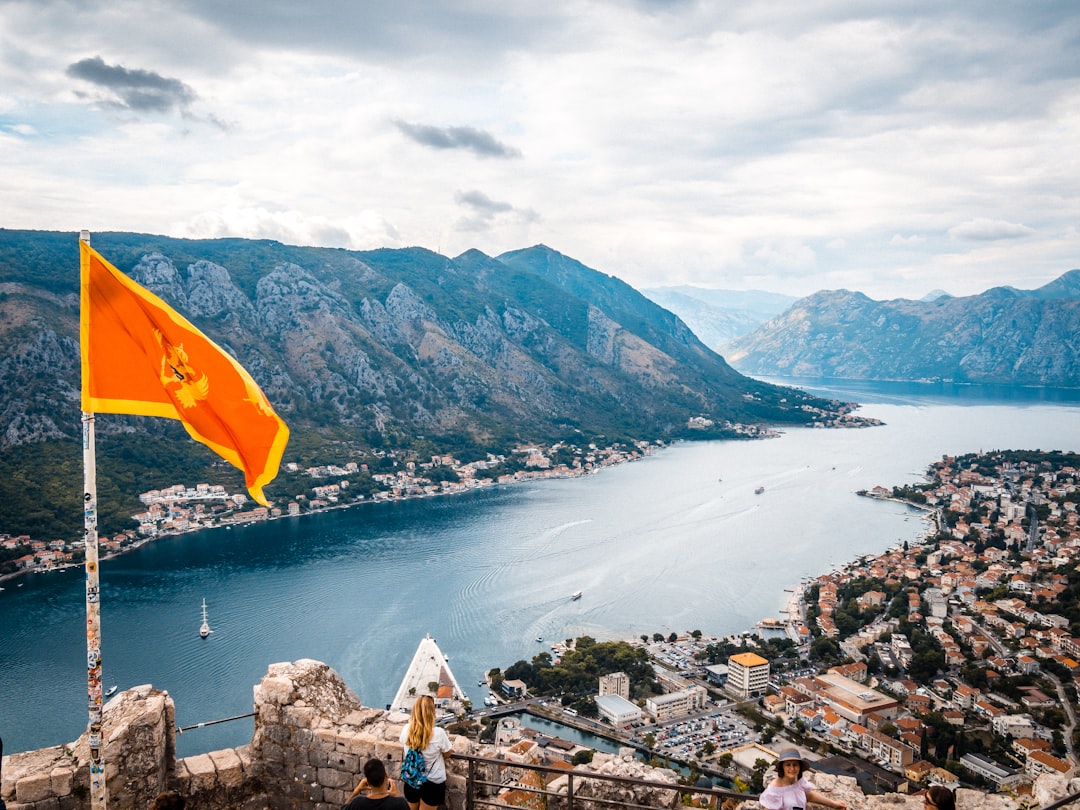
But the walls are more than just a military structure. They are a symbol of the city's identity, a reminder of its resilience and its ability to withstand the test of time. The walls have survived earthquakes, wars, and the ravages of nature. They have been repaired and restored countless times, but their core structure remains intact. Today, they are a UNESCO World Heritage Site, a testament to the enduring power of human ingenuity and determination. As I climbed higher, I could see the city of Kotor spread out below me, a maze of narrow streets, colorful buildings, and historic landmarks. The walls framed the city like a painting, a perfect composition of history and beauty.
Where to Go
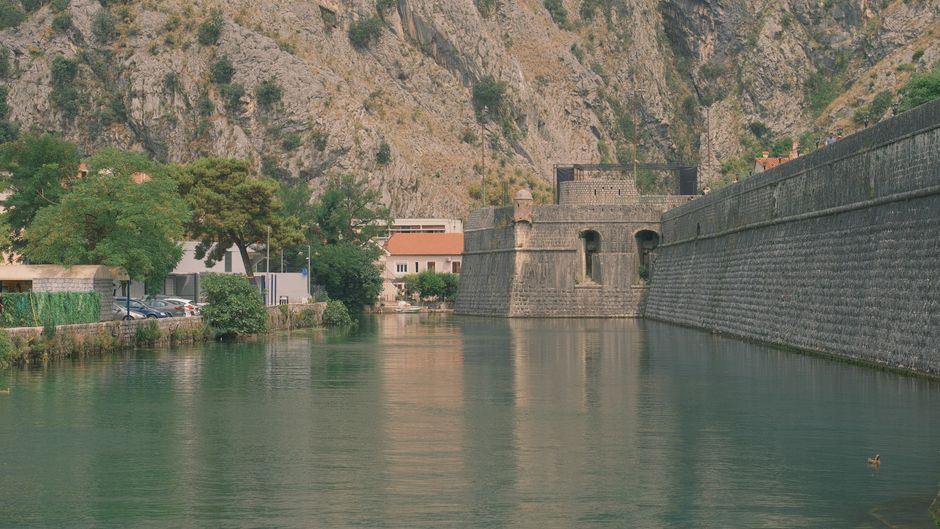
Kotor Fortress Walls — The main attraction of the city, the walls offer a challenging climb and stunning views of the bay and the city. The climb takes about 45 minutes to an hour, depending on your fitness level. Entry fee is 10 EUR for adults, 5 EUR for children. Best time to visit is early morning or late afternoon to avoid the heat and crowds.
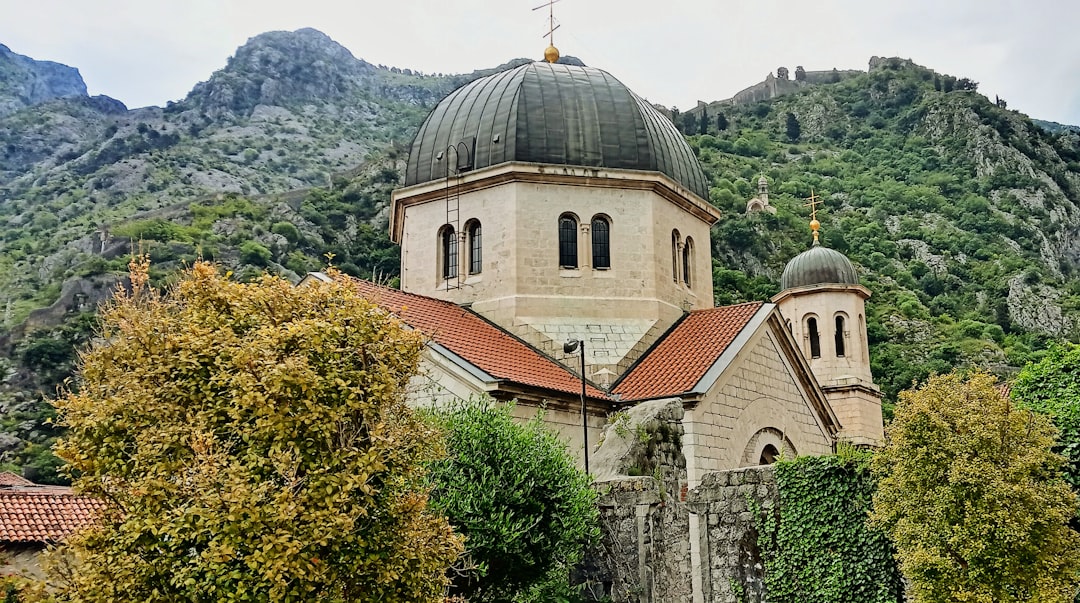
St. Tryphon Cathedral — Located in the heart of the old town, this cathedral is a masterpiece of Romanesque and Gothic architecture. Built in the 12th century, it features beautiful stained glass windows, intricate carvings, and a peaceful atmosphere. Entry fee is 5 EUR. Best time to visit is during the day when the light streams through the windows.
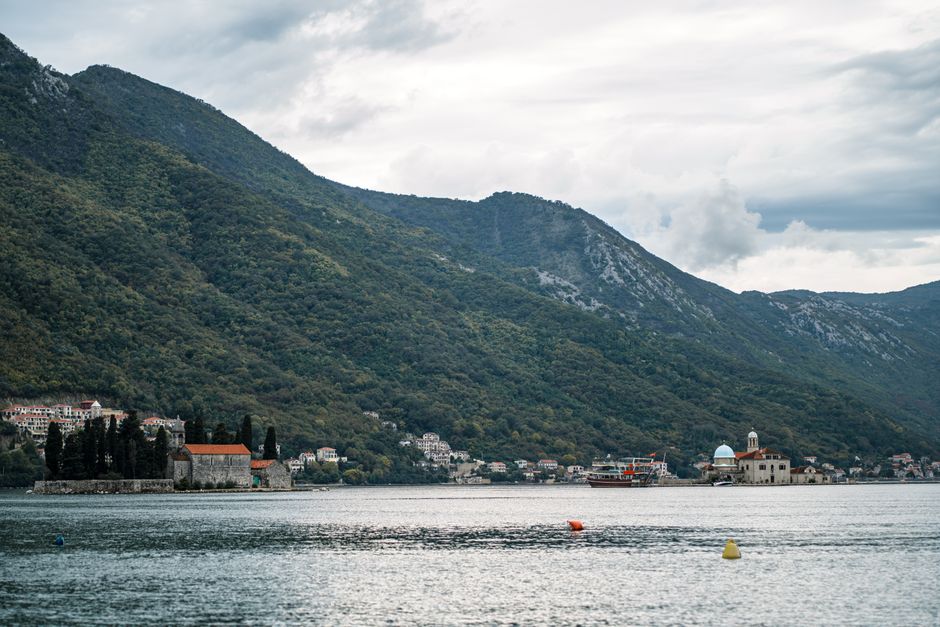
Our Lady of the Rocks — A small island in the bay, this church is a unique example of Venetian architecture. Built on a rock in the middle of the bay, it offers a stunning view of the city and the surrounding mountains. Entry fee is 3 EUR for the boat ride. Best time to visit is in the morning when the water is calm.
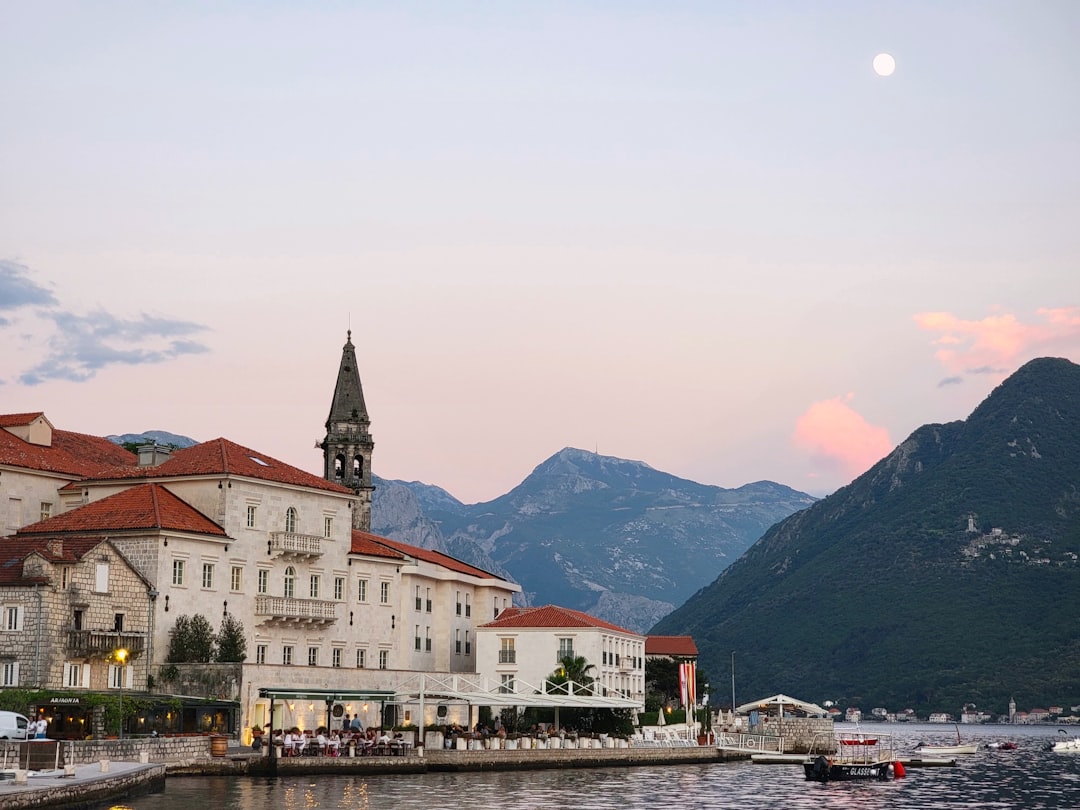
Kotor Old Town — The old town is a labyrinth of narrow streets, historic buildings, and charming squares. It's a great place to wander around, explore shops, and enjoy the local cuisine. No entry fee. Best time to visit is in the evening when the streets are lit up and the atmosphere is magical.
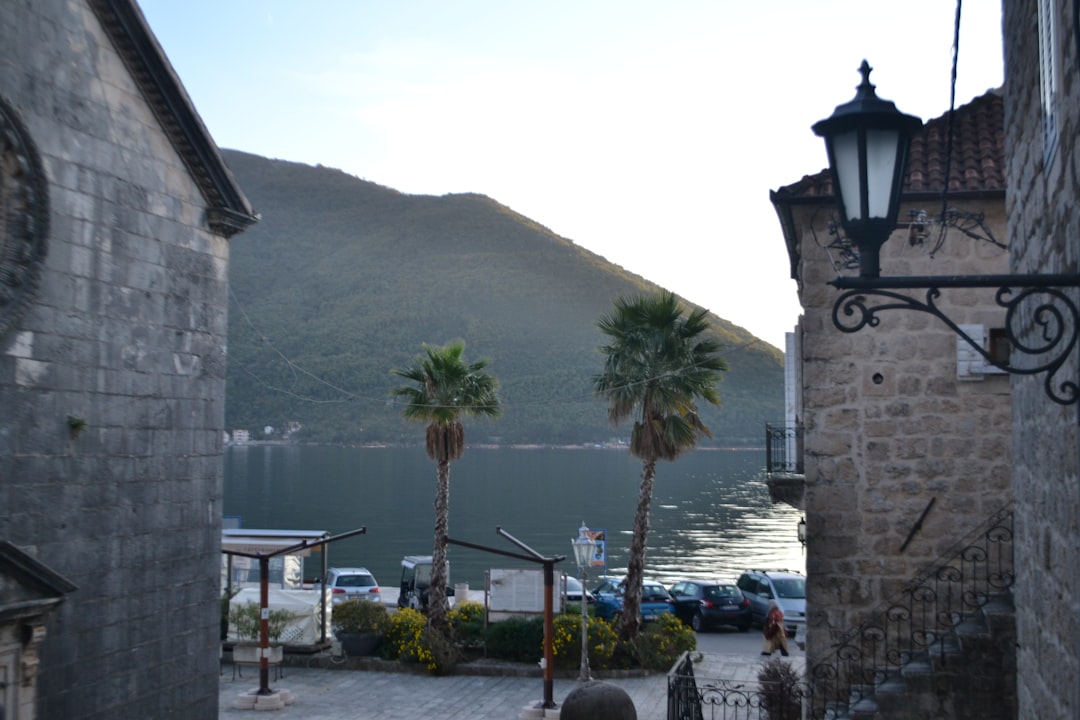
Fortress of San Giovanni — Located at the top of the fortress walls, this fortress offers a panoramic view of the bay and the city. It's a great place to relax and enjoy the view after the climb. Entry fee is included in the fortress ticket. Best time to visit is in the late afternoon when the light is golden.
What to Eat & Drink
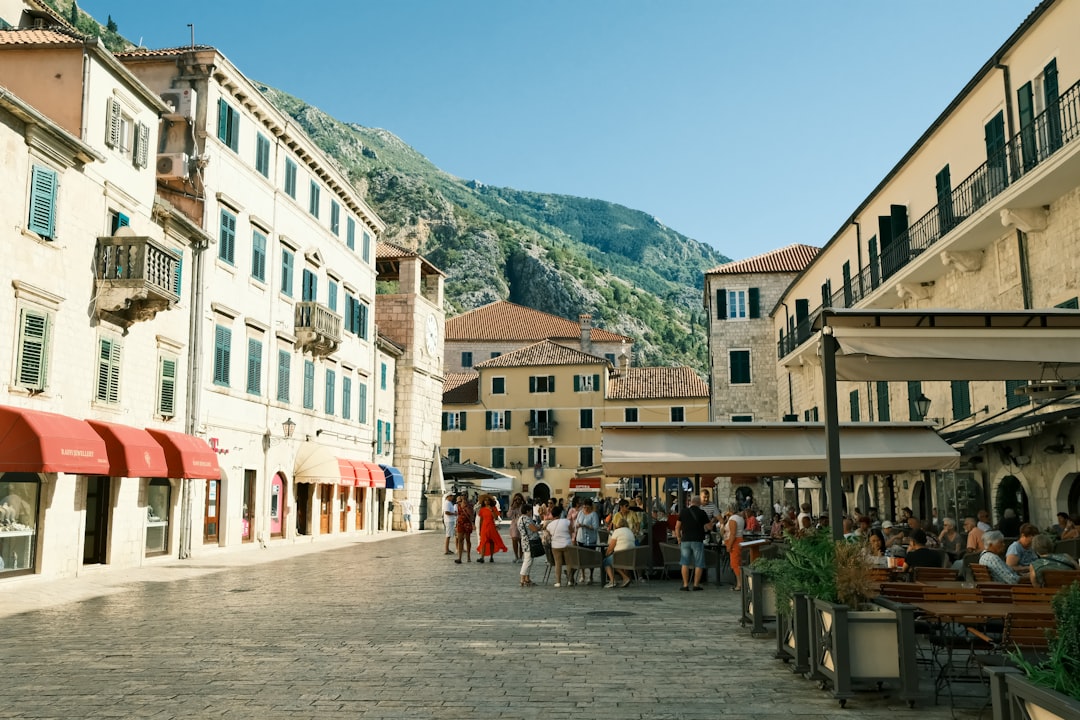
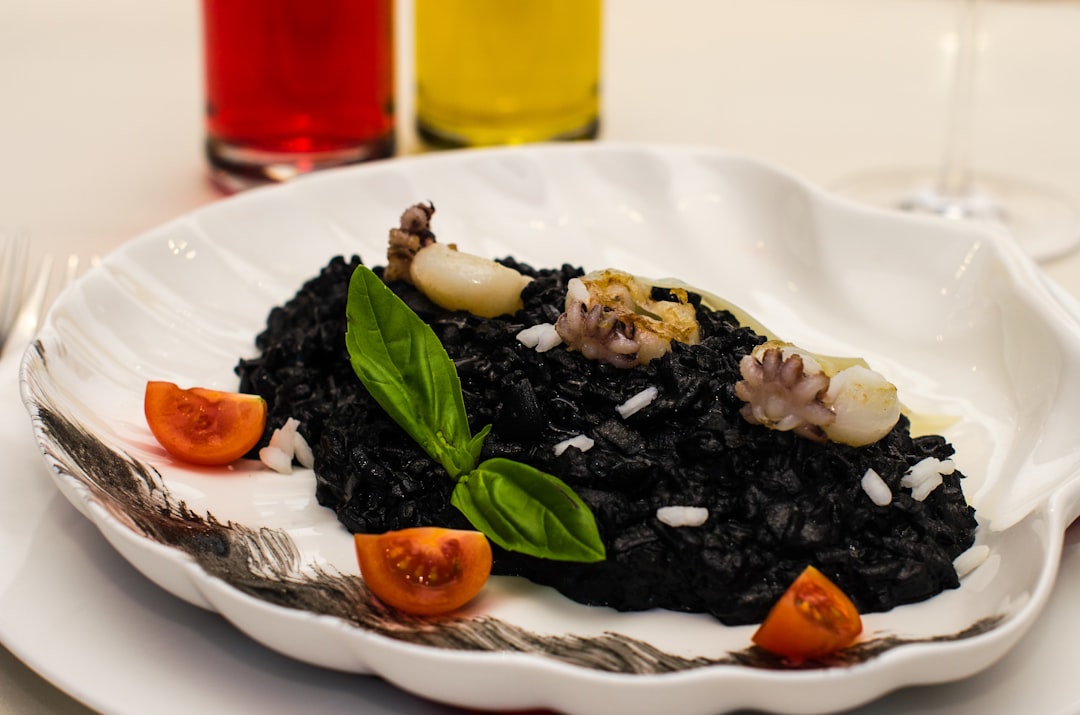
After the climb, you'll need to refuel. Kotor is known for its delicious seafood, and there are plenty of restaurants in the old town to choose from. Here are some local dishes to try: crni rižot (black risotto) — 8-12 EUR, pasulj (bean stew) — 5-7 EUR, ćevapi (grilled minced meat) — 6-8 EUR, pita (savory pie) — 3-5 EUR, šopska salata (cucumber and tomato salad) — 3-4 EUR. For budget travelers, street food and take-away options are available for under 5 EUR per meal. Sit-down local restaurants range from 8-15 EUR per person, while mid-range restaurants are 15-25 EUR. The Stradun is the main street in the old town, lined with cafes and restaurants. It's a great place to grab a bite and people-watch.
Nightlife
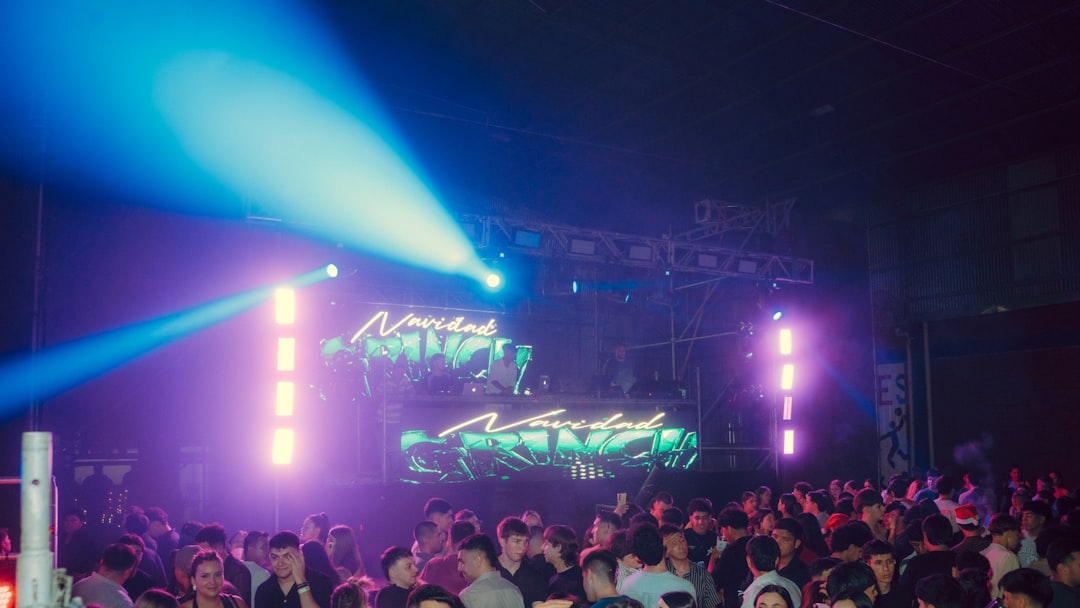
When the sun sets, Kotor comes alive. The old town is filled with bars and clubs, offering a lively nightlife scene. The main bar district is around the Stradun and the Old Square. Here are some specific venues to check out: Bar Bora — a popular bar with live music and a great atmosphere. Cover charge is 5 EUR. Club Kotor — a nightclub with DJ sets and a dance floor. Cover charge is 10 EUR. Pub Kotor — a cozy pub with a wide selection of beers and cocktails. No cover charge. The nightlife scene is vibrant and energetic, with a mix of local and international visitors. It's a great place to unwind after a day of exploring the city.
Getting There & What to Expect
The nearest airport is Tivat Airport, located about 20 km from Kotor. There are regular bus and taxi services from the airport to the city, taking about 30 minutes and costing 10-15 EUR for a taxi. From Belgrade, Serbia, the drive is about 5 hours and 400 km. From Zagreb, Croatia, it's about 6 hours and 500 km. Buses are available from major cities in the region, with travel times ranging from 4 to 6 hours and costs from 15-25 EUR. Accommodation in Kotor ranges from budget hostels at 20-40 EUR per night to mid-range hotels at 50-100 EUR per night. The best months to visit are April to June and September to October, when the weather is mild and the crowds are smaller.
Search accommodation in Kotor on Booking.com →

The View From the Top
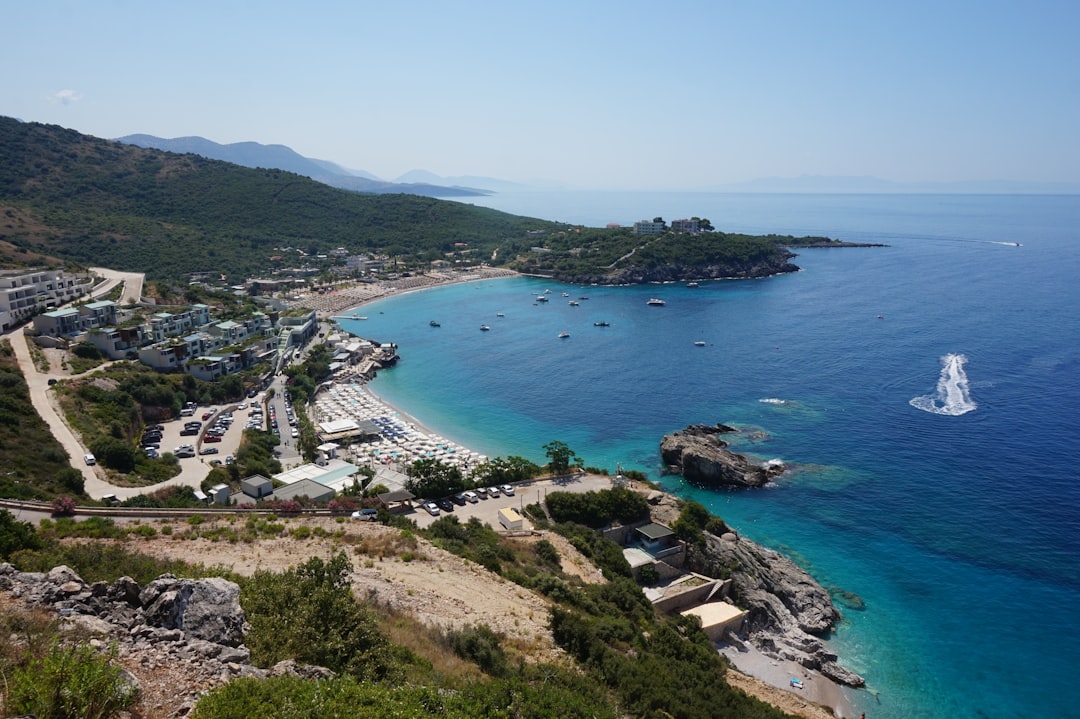
I reached the top of the fortress walls, gasping for air, my legs trembling, but my heart full. The view was breathtaking. The bay stretched out before me, a shimmering expanse of blue, framed by the towering mountains. The city of Kotor lay below, a jewel of history and beauty. I sat on the stone steps, watching the sun set over the Adriatic, feeling a sense of peace and accomplishment. The fortress walls had tested me, but they had also rewarded me. They had shown me the beauty of the past, the resilience of the human spirit, and the power of a place that has stood the test of time. As I descended the stairs, I knew I would never forget this moment. The walls of Kotor were more than just stone and mortar. They were a story, a legend, a memory. And I was now a part of that story.
Comments