


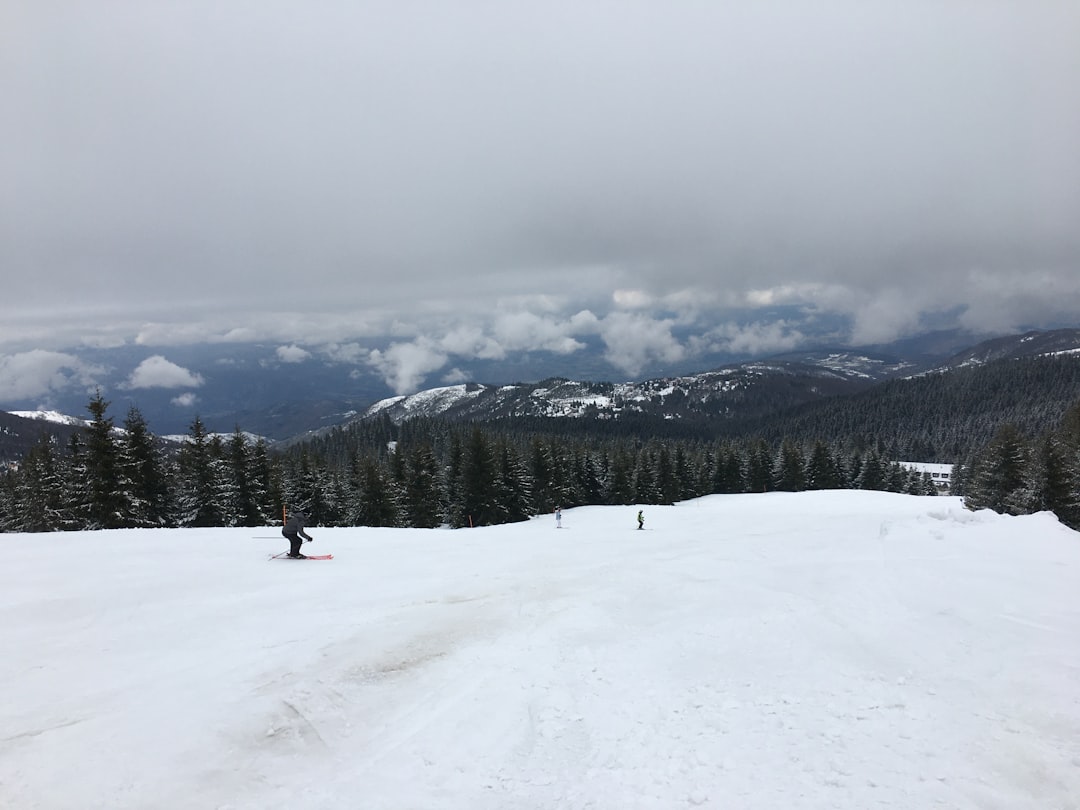
The wind off Jastrebak doesn't just blow; it bites. I'm standing at the edge of the tree line, my fingers numb despite three layers of wool and a down jacket that cost more than my first car. The ski lifts are groaning behind me, churning out a conveyor belt of Europeans in neon gear, but I'm not going up. I'm going sideways. Into the dark, silent pines. This is Kopaonik, Serbia's crown jewel of winter tourism, and while 99% of the crowds are chasing the groomed powder of Pavlovac, the real story is hidden in the frozen silence of the old-growth forests. It's cold enough to crack your teeth, but the air tastes like pine resin and freedom.
I'm not here for the chairlifts. I'm here for the crunch of snow under a boot that hasn't been waxed for speed. The locals in Ćićevac look at me like I'm crazy when I ask for trail maps instead of lift tickets. They want to sell me a hot chocolate and a pass for the quad chair. But Kopaonik isn't just a ski resort; it's a national park with a spine of granite and a heart of ancient beech and spruce. If you stay on the slopes, you're seeing the postcard. If you step off, you're seeing the soul.
History & Identity
Before it was a winter playground for Belgrade's elite and tourists from across Europe, Kopaonik National Park was a place of spiritual refuge. The name itself might derive from the Serbian word for "head," referring to its shape, or perhaps from a local legend about a shepherd named Kopaon. For centuries, the mountain was home to monasteries that offered sanctuary from Ottoman rule and shifting borders. The Studenica Monastery isn't on Kopaonik itself, but the spiritual lineage of the region is deep, with smaller hermitages dotting the higher elevations.
The mountain's identity shifted dramatically in the 1960s when it was designated a national park and developed as a ski destination. Today, it's a hybrid beast: a modern resort infrastructure layered over a wild, protected landscape. The tension between these two worlds is palpable. You can hear the thump of bass from a lodge one moment and the call of a golden eagle the next. This duality is what makes Kopaonik compelling. It's not a pristine wilderness untouched by man, nor is it a sterile theme park. It's a living, breathing ecosystem that accommodates both the thrill-seeker and the contemplative walker.
Where to Go
Pavlovac — The main ski resort base. While you're avoiding the slopes, you can't ignore Pavlovac. It's the hub, with its modern gondola and ski school. But look past the lift lines. The forest trails just below the summit of Jastrebak offer panoramic views of the entire massif without the crowds. It's the perfect place to start or end a day, with cafes serving strong Turkish coffee that cuts through the chill. Entry to the forest trails is free, but you'll need good footwear.
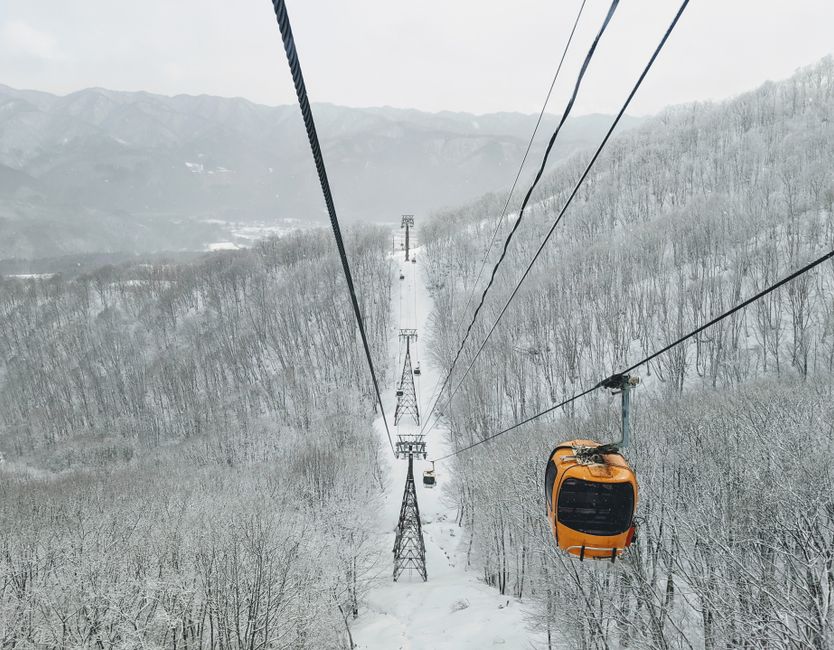
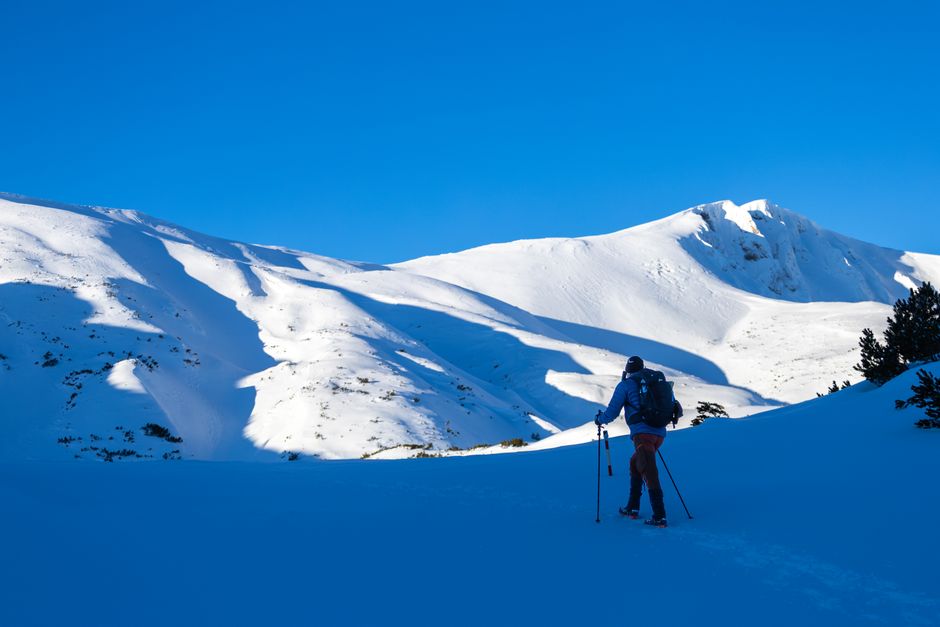
Jastrebak Peak — The highest point in the park at 2,017 meters. You don't need skis to reach it. A steep but well-marked trail leads from Pavlovac. In winter, the path is often packed hard by skiers who go off-piste, making it manageable with crampons or even sturdy boots if the snow isn't too deep. The view from the top, if the clouds part, stretches to the Bulgarian border and beyond. It's a physical challenge, but the reward is a sense of isolation that's rare in a national park this popular.
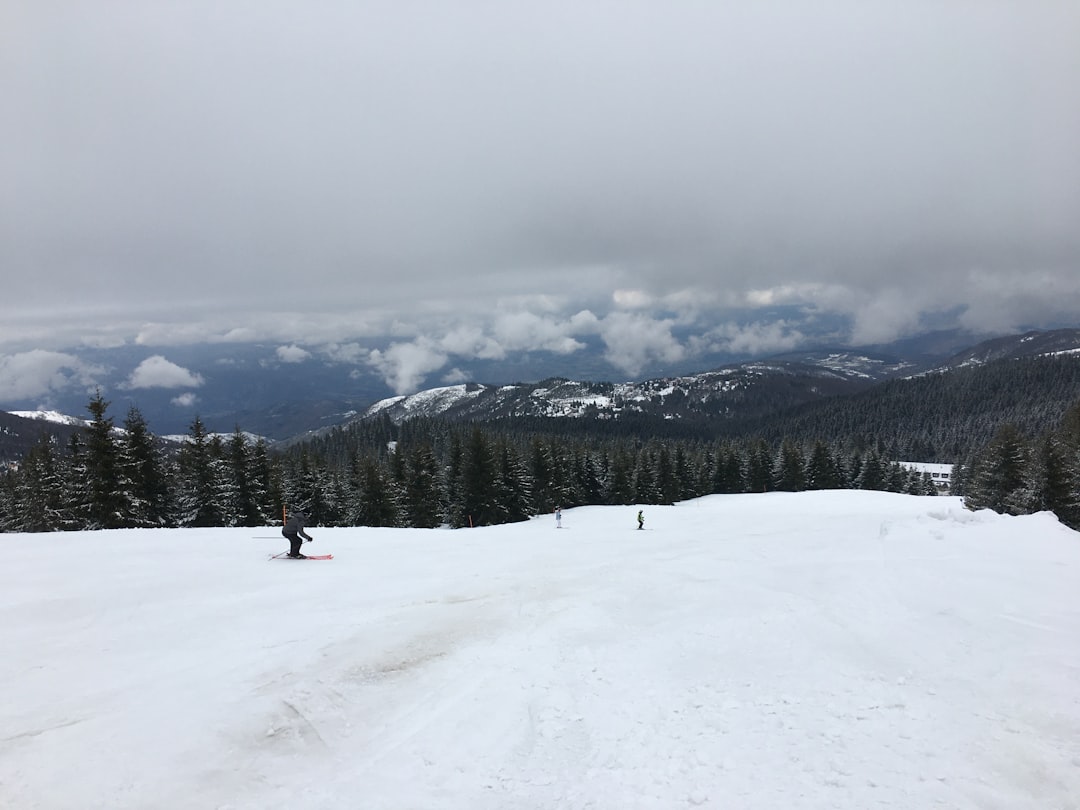
Vidlik — The southern base of the mountain. Less developed than Pavlovac, Vidlik feels more like a traditional village. The trails here are gentler, winding through dense spruce forests. It's a quieter alternative, perfect for those who want to escape the resort buzz. The Vidlik area has a few smaller lifts and a more relaxed atmosphere. The forest trails here are less trodden, offering a deeper sense of immersion in the winter woodland.
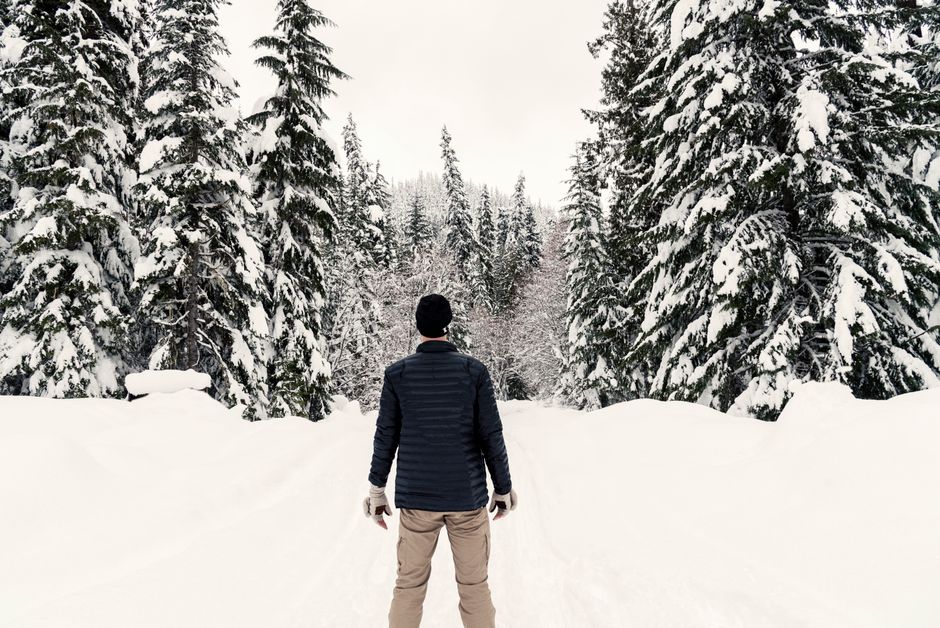
Žužnja — A newer development on the eastern slopes. It's less crowded and offers a different perspective of the park. The trails here are often snowier and less packed, requiring more effort but offering greater solitude. It's a good spot for snowshoeing, as the snow is deeper and less disturbed by ski traffic. The facilities are modern but smaller, keeping the focus on the natural surroundings.
What to Eat & Drink
Winter in the mountains demands calories. You'll burn them fast. The local cuisine is hearty, designed to keep you warm after a day in the cold. Forget light salads; you need fat, protein, and carbs.
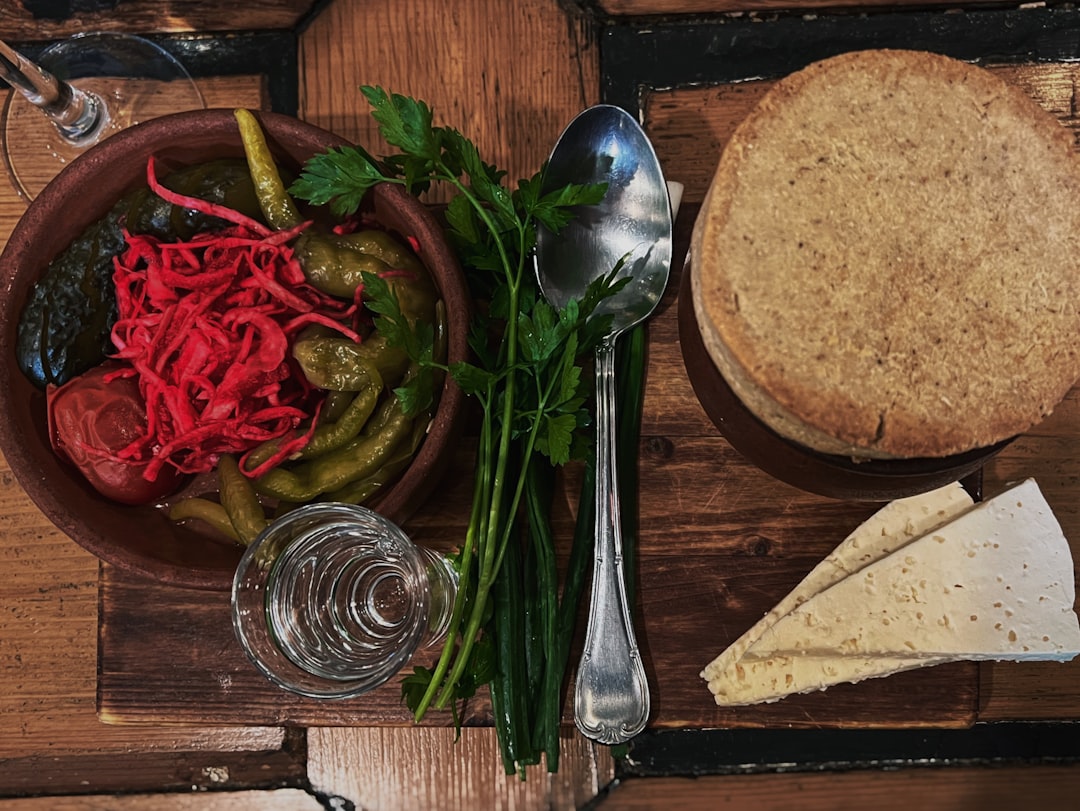
- Šopska salata — A refreshing start. Cucumber, tomato, onion, and kajmak (clotted cream). 3-5 EUR
- Karađorđeva šnicla — A breaded pork cutlet topped with kajmak and cheese. It's heavy, it's greasy, and it's delicious. 8-12 EUR
- Čorba — Serbian soup. Whether it's lešnik (game) or pasulj (bean), it's a bowl of warmth. 3-6 EUR
- Kajmak — Not a dish, but a staple. Served with bread or on meat. It's creamy, salty, and essential. 1-2 EUR
- Rakija — The national spirit. Plum or elderflower. It goes down hot and stays warm longer. 2-4 EUR per shot.
Budget breakdown: You can survive on street food and take-away for under 5 EUR per meal if you stick to pljeskavica (burgers) and bread. A sit-down meal in a local restaurant will set you back 10-15 EUR per person. Mid-range hotels with rooms and meals might charge 15-25 EUR per person. For budget travelers, there are food courts in the main resort areas and smaller konobas (taverns) in the villages that offer hearty meals at lower prices.
The food scene is centered around the main lodge areas in Pavlovac and Vidlik. Look for places with outdoor seating, even in winter — Serbs love to sit outside, wrapped in blankets, drinking rakija and watching the snow fall. It's part of the experience.
Nightlife
Don't let the mountains fool you. Kopaonik has a nightlife, and it's lively. The main action is in Pavlovac, where the Skijale and Top Plaza areas buzz with bars and clubs. The music is a mix of local pop, techno, and international hits. The crowds are a mix of skiers, party-goers, and locals.
Top Plaza — The epicenter of nightlife. Multiple bars and clubs under one roof. Cover charge is usually 5-10 EUR, including a drink. It gets crowded, especially on weekends. The atmosphere is high-energy, with loud music and dancing until late.
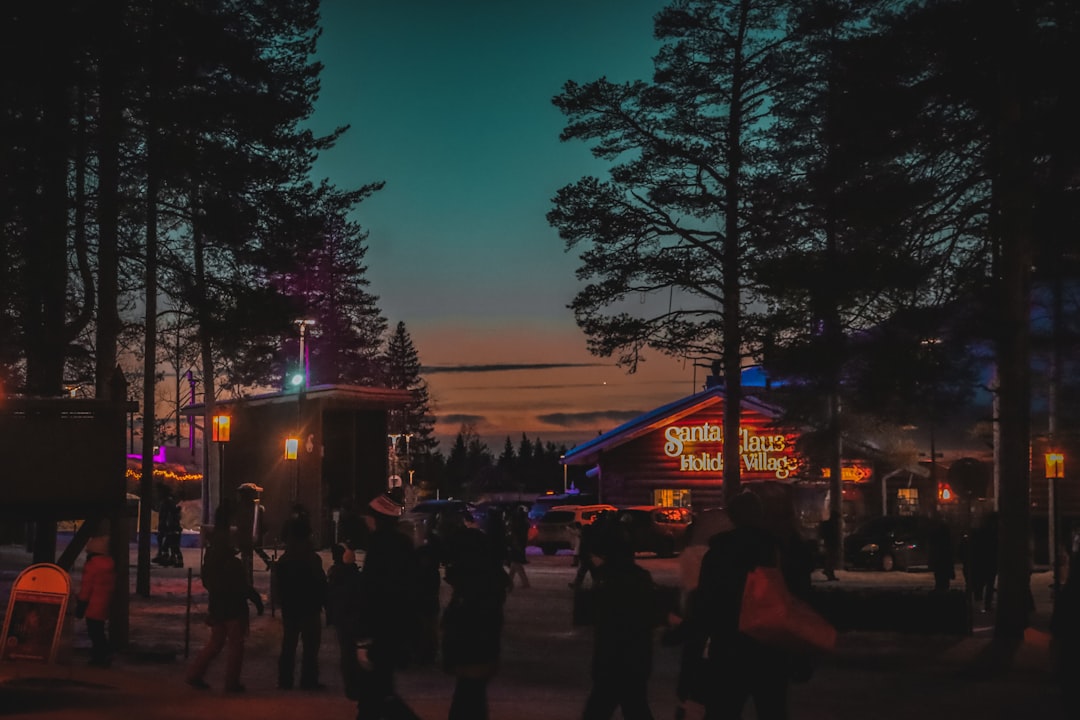
Skijale Bar — More relaxed, with a view of the slopes. Good for a drink after a day of hiking or skiing. The music is softer, the crowd is older, and the vibe is more chill. Cover is 3-5 EUR.
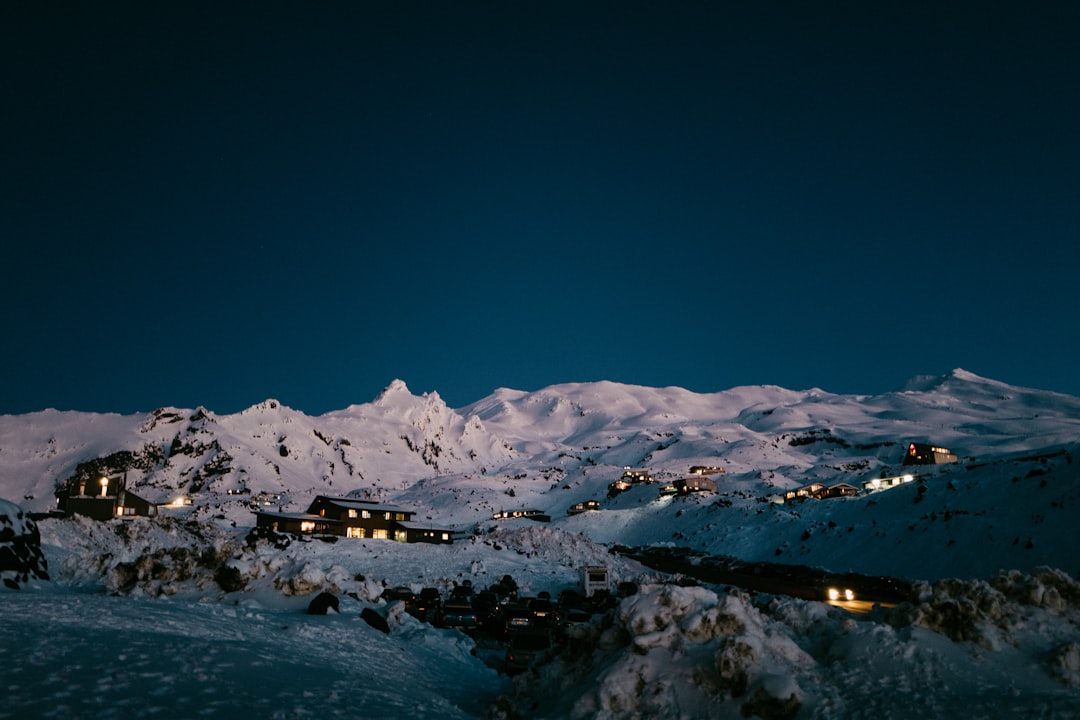
For a more local experience, head to the village of Ćićevac at the base. There are a few smaller bars and taverns where you can drink rakija with locals and hear some folk music. It's less polished, but more authentic. Cover is usually free, or just the cost of a drink.
Getting There & What to Expect
The nearest airport is Belgrade Nikola Tesla Airport. From there, you can take a bus or a car to Kraljevo, the closest major city, which is about 100 km from Pavlovac. The drive takes about 1.5 to 2 hours. From Kraljevo, there are buses and taxis to Pavlovac and Vidlik. The bus takes about 1 hour and costs around 5-10 EUR. A taxi will cost more, around 30-50 EUR.
Accommodation ranges from budget hostels and guesthouses in the villages to luxury hotels in the resort areas. A budget hostel or guesthouse room costs 20-40 EUR per night. Mid-range hotels with breakfast are 50-80 EUR per night. Luxury hotels can go up to 150-200 EUR or more. Camping is possible in designated areas, but facilities are limited in winter.
The best months to visit are December through March. February is usually the snowiest month, but also the most crowded. December and January are quieter but can be colder. April is still possible for skiing, but the snow quality varies.
What to expect: Cold temperatures, often below freezing. Snow depths can vary, so check conditions before you go. The trails are not always marked, so bring a map or a GPS. The wildlife is active, so be aware of your surroundings. The locals are friendly, but English isn't widely spoken outside the resort areas.
Search accommodation in Kraljevo on Booking.com →
The Silent Snow
I found my moment at dusk. I'd hiked up a narrow trail from Vidlik, staying below the ski runs, where the snow was untouched. The trees were heavy with white, bending under the weight. The silence was absolute, broken only by the crunch of my own boots and the occasional snap of a branch giving way. I sat on a fallen log, wrapped in my jacket, and watched the sun dip below the ridge. The sky turned a deep purple, then black. The first stars appeared, sharp and bright against the cold air. In that moment, the crowds, the lifts, the noise of the resort faded away. There was just the mountain, the snow, and the quiet. It was cold, yes. But it was also alive. And for a few hours, it was mine.
Comments