


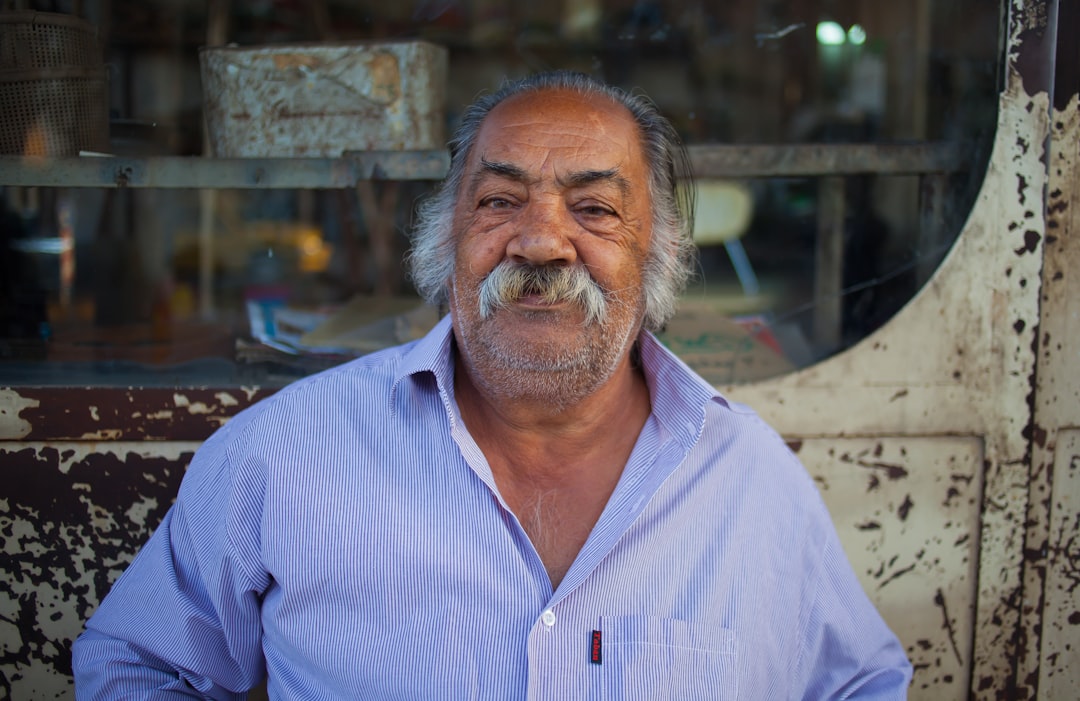
Kemal Kılıçdaroğlu, the prominent Turkish opposition figure and former leader of the Republican People's Party (CHP), has emerged from a period of significant health-related absence to announce a renewed political strategy. The trend surrounding his name recently stems from reports indicating he has drawn a new roadmap for the opposition bloc, specifically targeting collaboration with three other party leaders. This development marks a critical juncture in Turkish politics, as the opposition seeks to consolidate its forces against the ruling Justice and Development Party (AKP) ahead of future electoral cycles. For the Balkan audience, Kılıçdaroğlu’s moves are significant due to Turkey’s extensive economic and geopolitical ties with the region, including Greece, Bulgaria, and the Western Balkans.
Kılıçdaroğlu, who served as the CHP chairman from 2010 to 2023, remains a polarizing yet influential figure in Ankara. His recent health struggles, including a stroke and heart issues, had raised questions about his political future. However, his return to the political forefront signals a determination to maintain his role as the de facto leader of the opposition coalition. The "new roadmap" reportedly involves aligning with leaders of smaller opposition parties to create a more unified front, addressing internal fragmentation that has historically weakened the anti-government vote. This strategic shift aims to revitalize the "National Alliance" (Milli İttifak) structure that brought him to the presidential run-off in 2023.
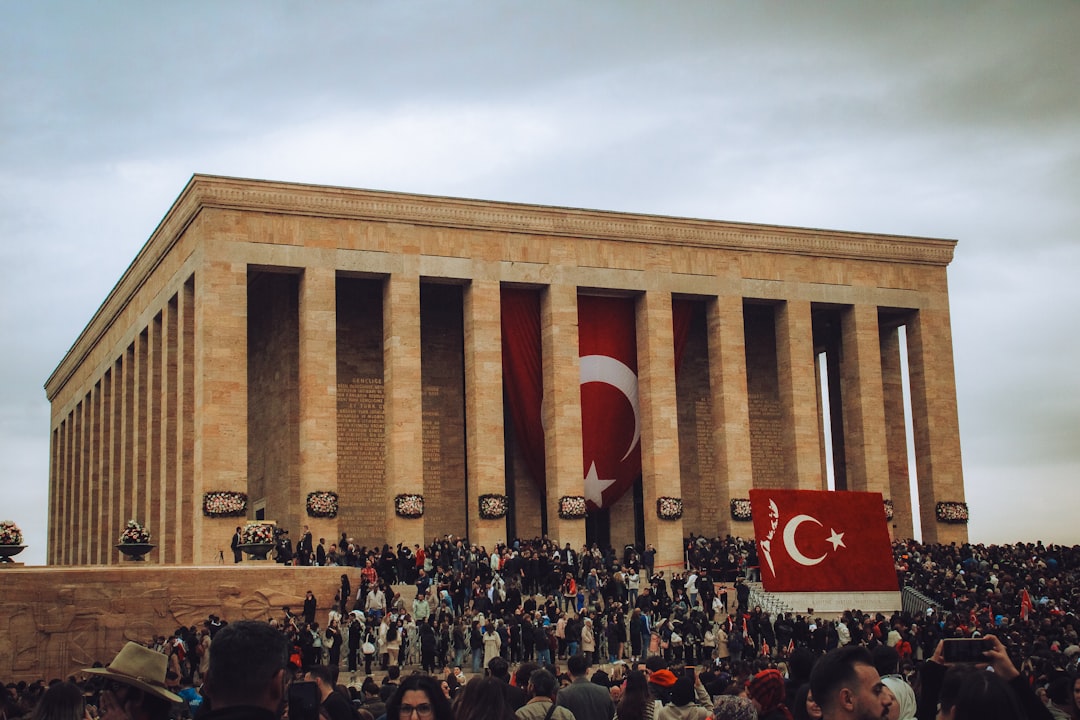
The Strategic Realignment of the Turkish Opposition
The core of the recent news revolves around Kılıçdaroğlu’s efforts to bridge gaps between the CHP and other secular or nationalist opposition groups. The report from Haber7 highlights that he has specifically identified three party leaders to collaborate with, suggesting a move beyond the traditional CHP-centric approach. This tripartite or multiparty coordination is essential because the Turkish electoral system often rewards unified candidates and lists. By drawing this roadmap, Kılıçdaroğlu is attempting to prevent the splitting of the opposition vote, a scenario that benefited the AKP in previous local and general elections.
Analysts suggest that this realignment is not merely symbolic but structural. The opposition faces the challenge of presenting a coherent alternative to the AKP’s economic policies and foreign affairs stance. Kılıçdaroğlu’s strategy involves leveraging his personal political capital to mediate between party egos and ideological differences. The focus is on policy coordination rather than just electoral pacts, aiming to build a sustainable political project that can withstand the next election cycle. This approach contrasts with the more fragmented opposition landscape seen in the years following the 2018 elections.
The identification of three specific partners indicates a targeted outreach. While the exact identities of all three partners are subject to political maneuvering, the general consensus points towards cooperation with the Nationalist Movement Party (MHP) or other centrist-left alliances, though the latter remains complex due to historical tensions. The goal is to create a broad coalition that can appeal to secular, nationalist, and liberal voters simultaneously. This consolidation effort is crucial for the opposition to present a credible threat to the ruling party’s dominance, which has persisted for over two decades.

Implications for Turkey and the Balkan Region
The political dynamics in Turkey have profound implications for the Balkans. Turkey is a key regional player, maintaining complex relations with Greece, Bulgaria, Romania, and the Western Balkan states. A stable opposition or a potential change in government could alter Turkey’s foreign policy trajectory, particularly regarding energy cooperation, migration management, and EU accession talks. Kılıçdaroğlu has historically advocated for a "Europe-oriented" foreign policy, emphasizing democratic norms and closer integration with Western institutions. If his roadmap succeeds in strengthening the opposition, it could lead to a shift in Ankara’s diplomatic tone towards its Balkan neighbors.
For countries like Greece and Bulgaria, a more predictable and EU-aligned Turkish government could ease tensions in the Aegean Sea and along the land borders. The CHP has often criticized the AKP’s confrontational rhetoric, proposing instead a dialogue-based approach. This is particularly relevant for the Western Balkans, where Turkey invests heavily in infrastructure and cultural projects. A unified opposition that prioritizes regional stability could influence these investments, potentially making them more transparent and aligned with EU standards. Balkan audiences watch these developments closely as they impact trade, tourism, and political stability in the region.
Moreover, the internal Turkish political scene serves as a barometer for democratic health in the wider region. The success or failure of Kılıçdaroğlu’s new roadmap will indicate the resilience of Turkey’s opposition mechanisms. If the opposition remains fragmented, it may empower nationalist and authoritarian tendencies, affecting the broader democratic discourse in Southeast Europe. Conversely, a successful consolidation could inspire similar coalition-building efforts in other Balkan countries facing political polarization. The international community, including EU institutions, monitors these shifts carefully, as they impact the broader geopolitical balance in the Eastern Mediterranean and the Balkans.
What to Watch Next in Turkish Politics
As Kılıçdaroğlu implements his new roadmap, the immediate focus will be on the reactions of the targeted party leaders. Will they accept the CHP’s terms for cooperation, or will they insist on independent campaigns? The next few months will likely see a series of closed-door meetings and public announcements that will define the shape of the opposition coalition. Observers will also watch for any policy shifts, particularly on economic management and foreign relations, as the opposition tries to differentiate itself from the AKP’s record.
Additionally, the health and political stamina of Kılıçdaroğlu remain a variable. His ability to sustain a high-intensity political campaign will be tested as the opposition pushes for unity. The CHP may also need to address internal party dynamics, ensuring that younger members and local branches support the central leadership’s strategic decisions. For the Balkan audience, the key takeaway is the potential for a more stable and predictable Turkish political environment, which could foster better regional cooperation and economic integration. The coming period will be decisive in determining whether the opposition can transform its ambition into tangible political power.



Comments