


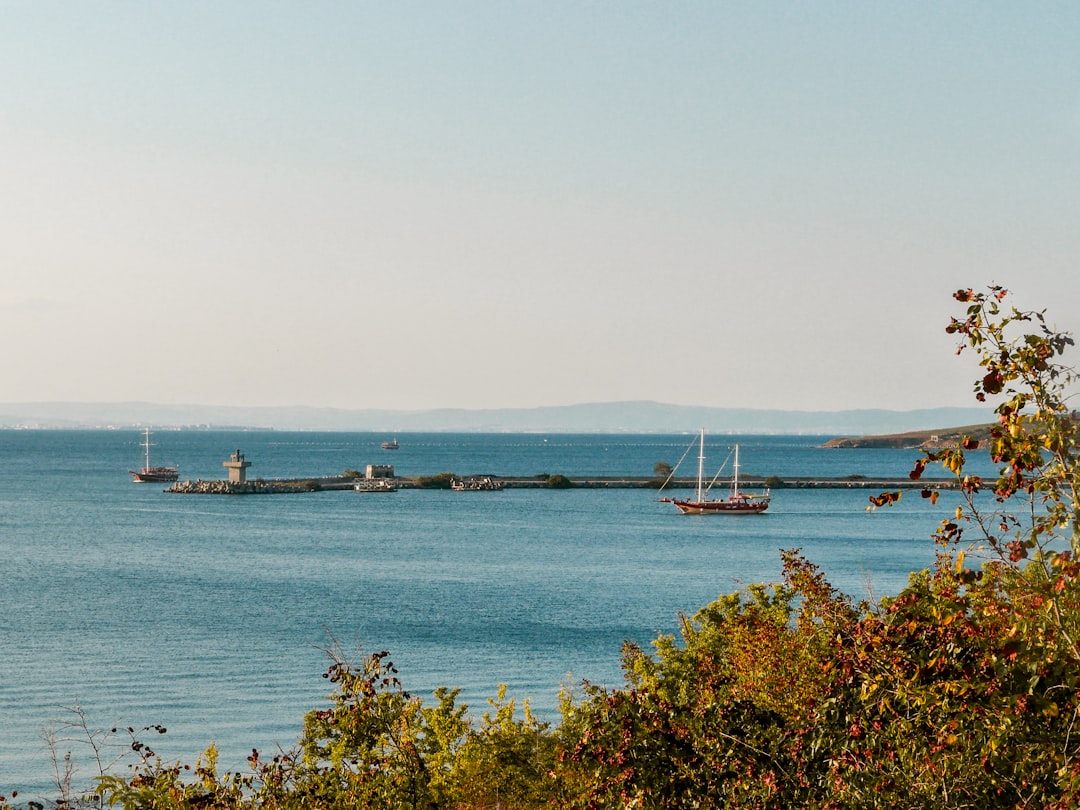
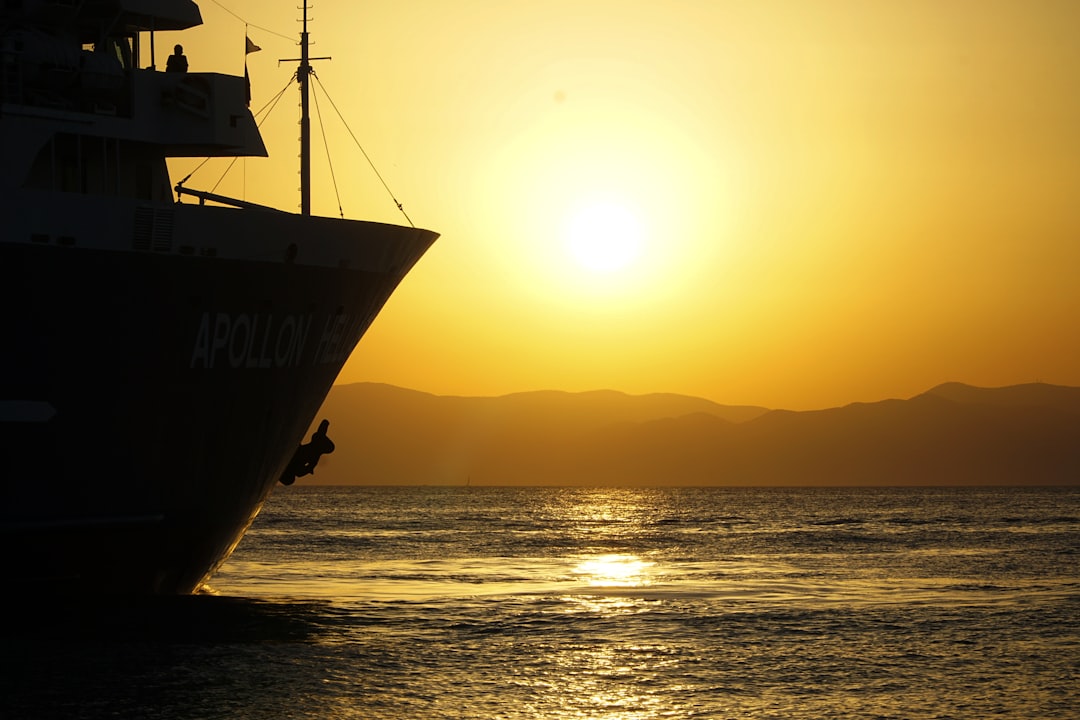
I left my phone in the car. Not in the glove box, not in a drawer, but physically placed it back in the rental sedan parked three kilometers away in Sozopol. The ferry ride to Karaada Island is less than ten minutes, a choppy, salt-spray dash across the Black Sea, but it feels like crossing a border into the Stone Age. There are no cell towers here. No Wi-Fi routers blinking in cafes. No influencers setting up ring lights on the sand. Just wind, pine trees, and the relentless, gray-green churn of the sea. I didn't come here to relax; I came to suffer the withdrawal. The first hour on the island, I checked my pocket instinctively forty times. By the third hour, I realized I hadn't thought about an email in six hours. It was terrifying. It was glorious.
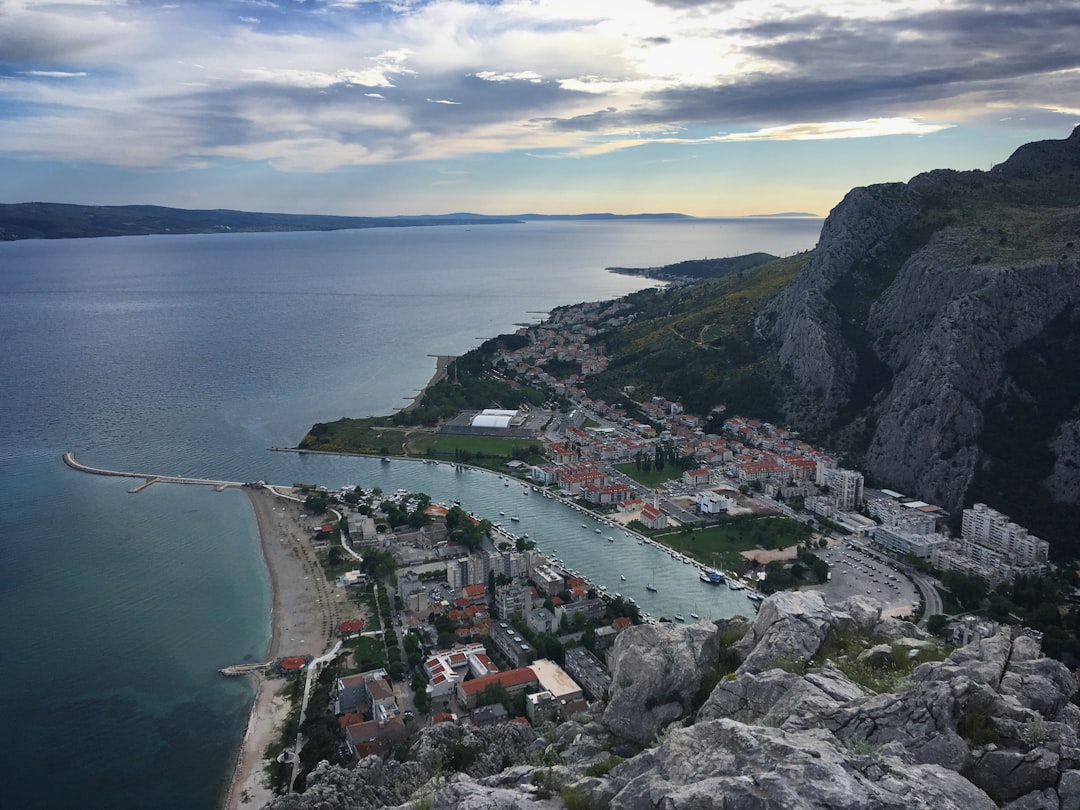
Most people treat the Bulgarian coast like a slot machine: spin the wheel, land on a resort, drink cheap beer, and leave. But Karaada is the glitch in the matrix. It's a small, flat island off the coast of Sozopol, one of the oldest continuously inhabited cities in Europe, and it has been a nature reserve since 1998. The only buildings allowed are a few wooden cabins and a couple of rustic restaurants. You can't drive here. You can't ride a scooter here. You walk, you swim, you sit. If you're looking for a place to close your laptop and stare at the horizon until your brain stops buzzing, this is the only spot on the Balkan coast that forces you to do it.
History & Identity
To understand why Karaada feels so isolated, you have to look at the history of the Sozopol archipelago. For centuries, this island was a strategic naval outpost. The name "Karaada" comes from the Turkish word karadağ, meaning "black rock," likely referring to the dark volcanic stones found in the area or the shadows cast by the dense pine forests. During the Ottoman period, it served as a military base for the Turkish navy, controlling the entrance to the Sozopol Bay. You can still see the ruins of old fortifications and the foundations of barracks hidden in the underbrush, remnants of a time when this strip of sand was about warfare, not wellness.
In the 20th century, the island's role shifted from military to ecological. After the fall of communism, Bulgaria began integrating into European environmental frameworks. In 1998, Karaada was officially declared a nature reserve to protect its rare flora and fauna. The government restricted construction, banning high-rise hotels and concrete structures. This decision saved the island from the fate of its neighbors, like Golden Sands or Sunny Beach, which became concrete jungles of all-inclusive resorts. Today, the island's identity is tied to its silence. It's a place where the only authority is the wind, and the only currency is patience. The history here isn't written in marble; it's written in the erosion of the cliffs and the preservation of the pine forests.
The island is also part of the Sozopol Archipelago, a cluster of small islands that have been a protected area for over two decades. This designation means that fishing is heavily regulated, and the beaches are left in their natural state. There are no sunbeds rented out by the meter, no umbrellas with logos, no lifeguard towers with advertising banners. The identity of Karaada is raw, unpolished, and fiercely protected. It's a place that refuses to be commodified, which makes it the ultimate rebel destination in a region obsessed with mass tourism.
Where to Go
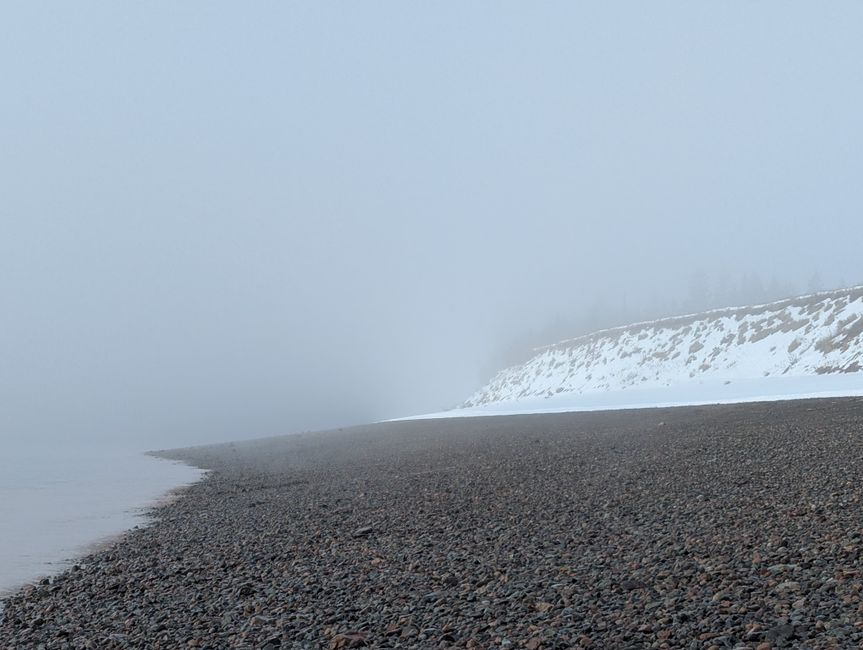
Karaada Beach — The main attraction is the beach itself, a long stretch of white sand and smooth pebbles that curves around the island's northern side. It's not a manicured strip; it's wild, with driftwood scattered along the high-tide line and dunes covered in hardy grasses. The water is shallow for a long way out, making it safe for swimming, but the sea can get rough quickly. There are no facilities on the beach itself, so you bring your own towel and umbrella. The best time to visit is early morning, when the fog is still lifting off the water and the only sound is the cry of seagulls. Entry is free, but you pay with your time, not money.
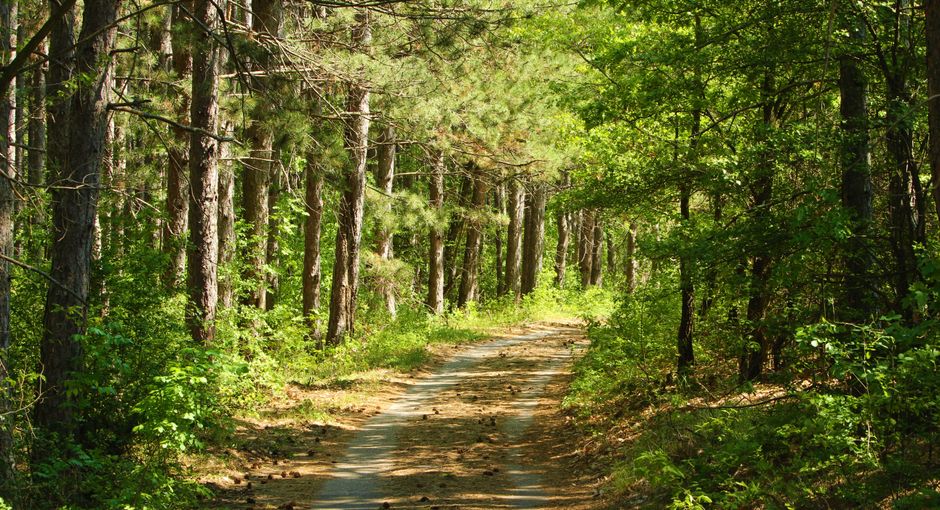
The Pine Forest Hike — Once you've had enough of the sun, head inland. The island is covered in a dense pine forest that offers a cool, shaded walkway. The trail is not marked, but it's easy to follow; just look for the path worn into the earth by locals and hikers. The forest is home to rare bird species, including herons and egrets, which you can spot if you stay quiet. The air smells of resin and salt, a combination that is oddly calming. The hike takes about 30 minutes to reach the highest point on the island, where you get a panoramic view of Sozopol and the mainland. It's a short walk, but it feels like a journey into the heart of the island's wilderness.
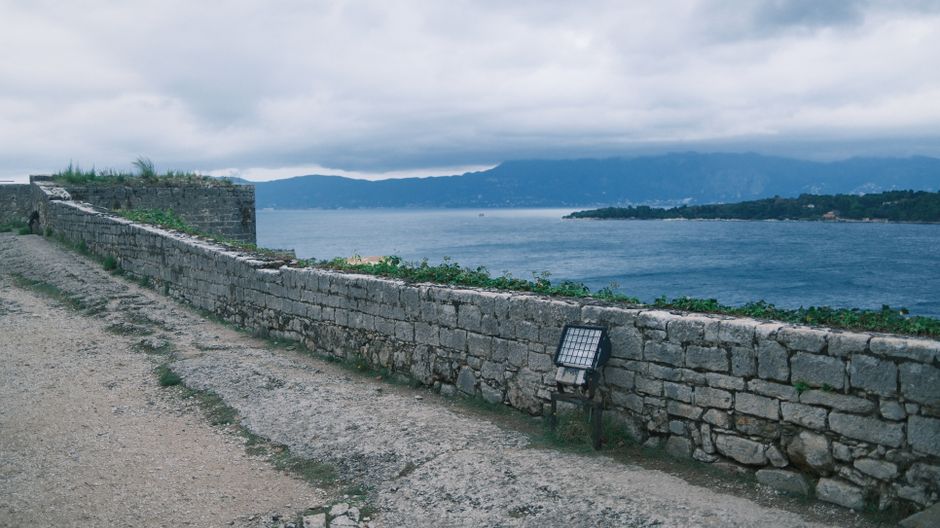
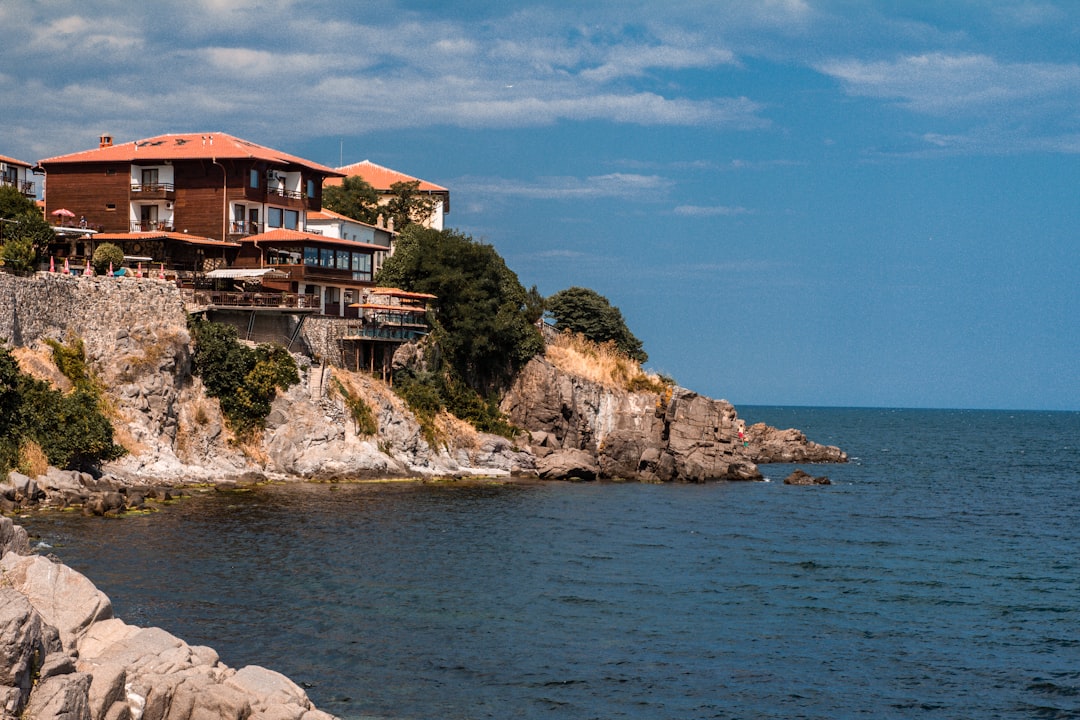
The Old Fort Ruins — Near the southern tip of the island, you'll find the crumbling remains of the Ottoman-era fort. There's no signpost, no guided tour, no entrance fee. It's just stones and grass. But standing there, you can imagine the soldiers who once stood watch, looking out for enemy ships. The ruins are overgrown, blending into the landscape, which adds to their mystery. It's a perfect spot for a picnic or a moment of reflection. The view from the ruins looks back towards Sozopol, where the white domes of the Byzantine churches glint in the sun. It's a stark contrast between the past and the present, the military and the spiritual.
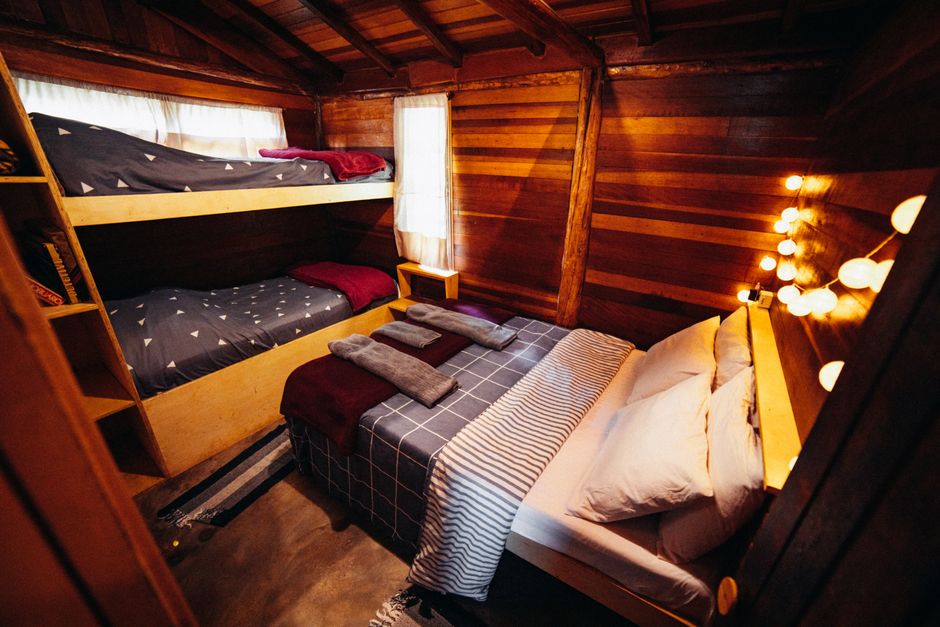
The Wooden Cabins — If you're planning to stay overnight, the island has a few rustic wooden cabins. They are simple, with basic amenities: a bed, a bathroom, and a small kitchen. There's no air conditioning, no TV, no internet. The cabins are run by local families who have lived on the island for generations. They offer a chance to experience island life, not as a tourist, but as a guest. The cabins are booked months in advance, so you need to plan ahead. But if you can get one, it's worth it. Falling asleep to the sound of the waves and waking up to the smell of pine is an experience you can't get anywhere else.
What to Eat & Drink
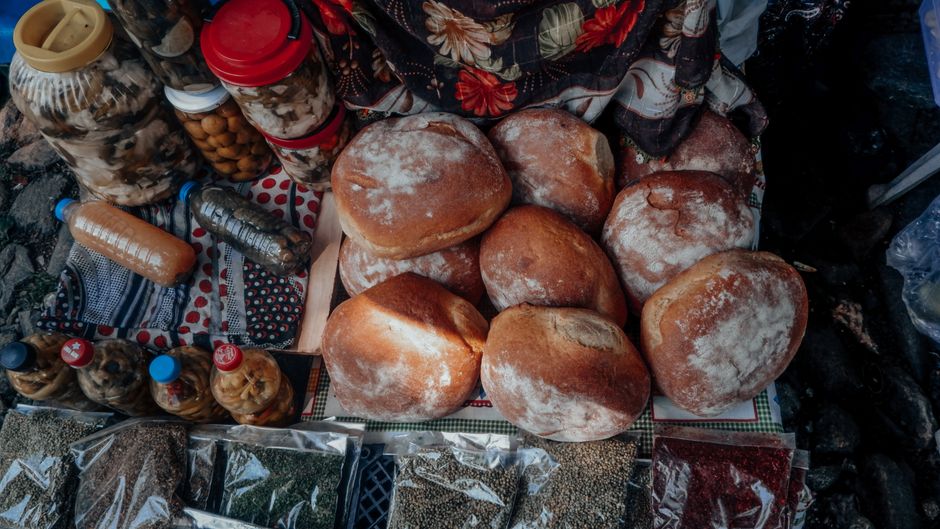
Food on Karaada is simple, fresh, and honest. There are no gourmet restaurants here, just a few small eateries that serve local dishes. The star of the show is the fish, caught daily by local fishermen. You'll find grilled sea bass, mackerel, and squid, served with a side of shopska salad and fresh bread. The prices are reasonable, but you pay in cash, as there are no card machines on the island. A typical meal of grilled fish and salad costs around 15-25 EUR per person. It's not cheap, but it's worth it for the freshness and the view. The restaurants are open-air, with tables set up on the sand or under the trees, so you can eat while listening to the sea.
For a budget meal, you can grab a banitsa (a savory pastry) or a kebab from one of the small kiosks. These cost around 3-5 EUR and are perfect for a quick lunch. If you're feeling adventurous, try the black sea trout, a local specialty that is smoked and served cold. It's a delicacy that you won't find anywhere else. For drinks, you'll find local beer, wine, and rakia (a strong fruit brandy). The rakia is strong, so take it easy. A glass of local wine costs around 4-6 EUR, and a beer costs around 2-3 EUR. The prices are higher than on the mainland, but the experience is unique.
One of the best places to eat is Restaurant Karaada, located near the ferry landing. It's a small, family-run place with a menu that changes daily based on what the fishermen catch. The owner, a local fisherman, often comes in to talk to the guests, sharing stories about the sea and the island. It's a chance to connect with the locals and learn about their way of life. The food is simple, but it's cooked with love and served with a smile. It's the kind of place where you don't just eat; you experience. For a budget traveler, packing a picnic from Sozopol is also a great option. There are many bakeries and delis in the old town where you can buy fresh bread, cheese, and olives for under 10 EUR.
Nightlife
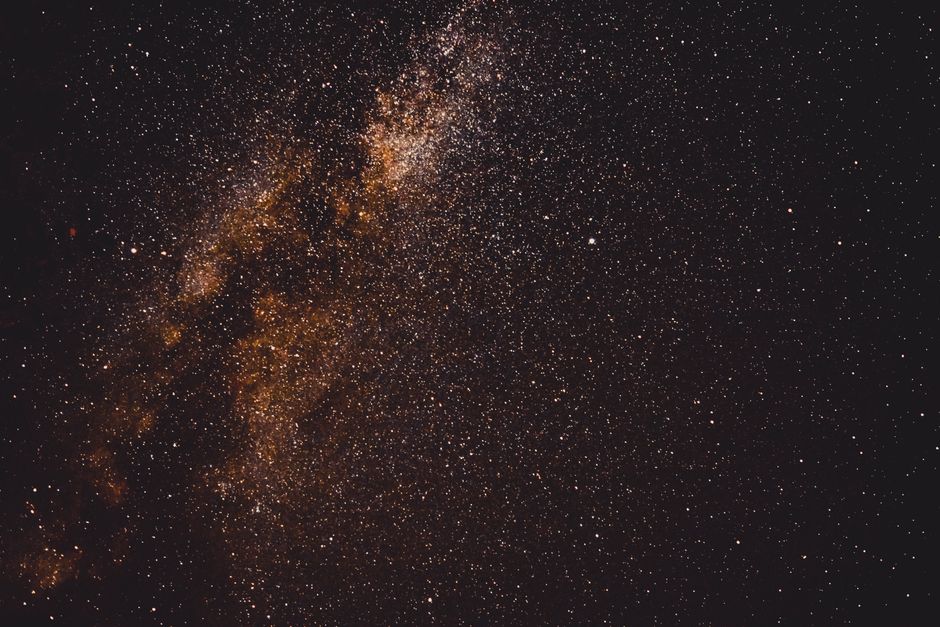
Let's be clear: there is no nightlife on Karaada. No clubs, no bars, no DJs. The sun goes down, the restaurants close, and the island goes silent. This is not a place for partying; it's a place for resting. If you're looking for nightlife, you'll need to take the ferry back to Sozopol, which has a vibrant scene of bars and clubs along the coast. But on the island, the nightlife is the stars. The sky is dark, free from light pollution, and you can see the Milky Way stretching across the heavens. It's a sight that puts things into perspective. You sit on the sand, wrapped in a blanket, and watch the stars move. It's not exciting, but it's profound. It's a reminder that there's more to life than noise and lights.
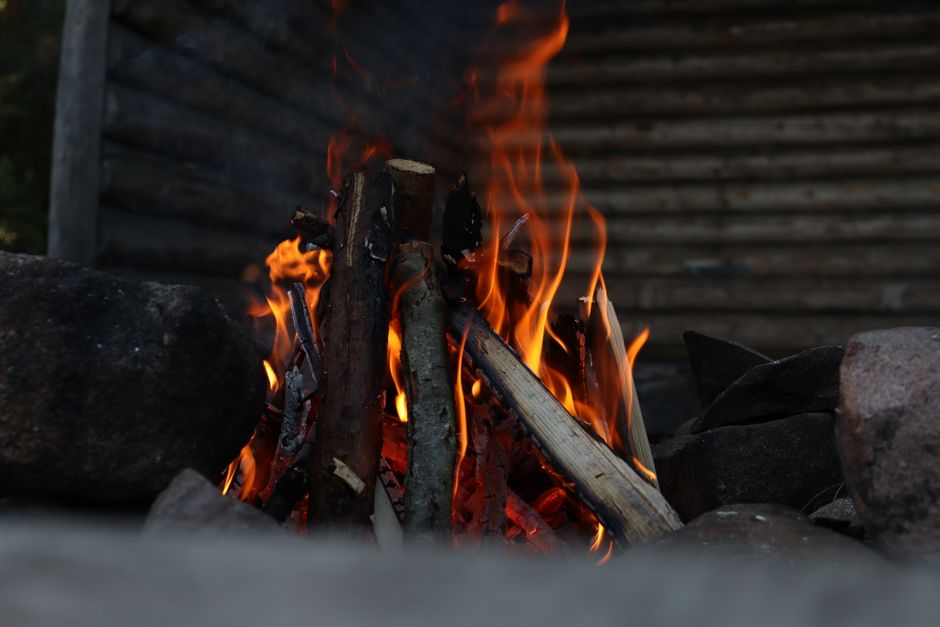
Some of the wooden cabins have small bonfire pits where guests can gather in the evening. It's a chance to talk, to tell stories, to connect with other travelers who have come for the same reason: to escape. The atmosphere is relaxed, intimate, and genuine. You don't need to be cool or trendy here; you just need to be present. It's the opposite of a club, but in some ways, it's more rewarding. You leave the island not with a hangover, but with a sense of peace. You leave with a clear head and a quiet heart. That's the real nightlife of Karaada.
Getting There & What to Expect
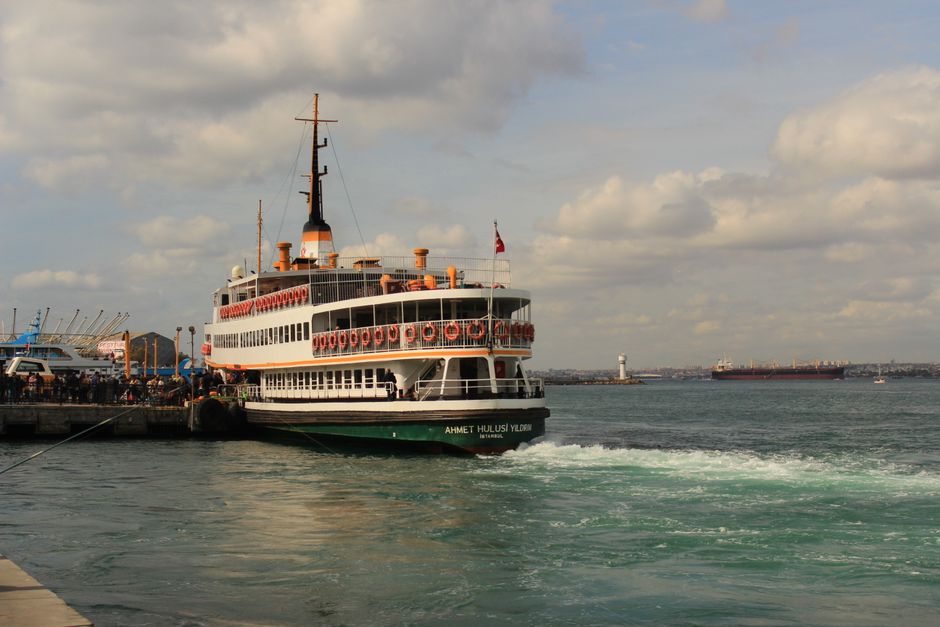
Getting to Karaada is easy, but you need to plan ahead. The only way to reach the island is by ferry from Sozopol. The ferry departs from the Sozopol port, located near the old town, and runs regularly from April to October. The ride takes less than ten minutes, and the cost is around 3-5 EUR for a round trip. The ferries are small, open boats, so you'll get a good view of the coast. If you're traveling with a group, you can charter a private boat, which costs around 50-100 EUR per hour. It's a more expensive option, but it gives you more flexibility.
From Sozopol, you can reach the island by bus, car, or train from major cities like Varna or Burgas. The bus ride from Varna takes about two hours and costs around 5-10 EUR. The train is a slower option, but it offers a scenic view of the coast. If you're driving, the road from Burgas to Sozopol is well-maintained and takes about 45 minutes. Parking in Sozopol can be tricky, especially in peak season, so arrive early. There are several parking lots near the port, but they fill up quickly. The cost of parking is around 2-5 EUR per day.
Accommodation on the island is limited to the wooden cabins, which cost around 40-80 EUR per night. They are booked months in advance, so you need to reserve early. If you can't get a cabin, you can stay in Sozopol, where there are many hotels and apartments. Budget hostels in Sozopol cost around 15-25 EUR per night, while mid-range hotels cost around 50-100 EUR per night. The best time to visit Karaada is from May to June or September to October, when the weather is pleasant and the crowds are smaller. In July and August, the island can get crowded, and the cabins book up quickly. If you're looking for a digital detox, avoid the peak season and go when the island is quiet.
Search accommodation in Sozopol on Booking.com →
The Silence After the Storm
On my last night on the island, the sky turned a bruised purple, and the wind picked up. The sea, usually calm, began to slap against the shore with a rhythmic fury. I sat on the sand, watching the waves crash over the rocks, and I felt something shift inside me. The anxiety that had been humming in the back of my mind, the constant ping of notifications, the pressure to be productive, it all just dissolved. It was replaced by a deep, abiding silence. Not the silence of emptiness, but the silence of fullness. I was present. I was alive. I was enough.
When I took the ferry back to Sozopol the next morning, I retrieved my phone from the car. It buzzed immediately, a cascade of emails and messages flooding the screen. But I didn't feel the urge to check it. I just put it in my pocket and walked towards the old town. The island had changed me, not in a dramatic way, but in a subtle, lasting one. It had reminded me that there is a world beyond the screen, a world of wind and water and stars. And that world is waiting for you, just a ten-minute ferry ride away. If you're ready to disconnect, Karaada is the place to go. If you're not, maybe you should try anyway.
Comments