


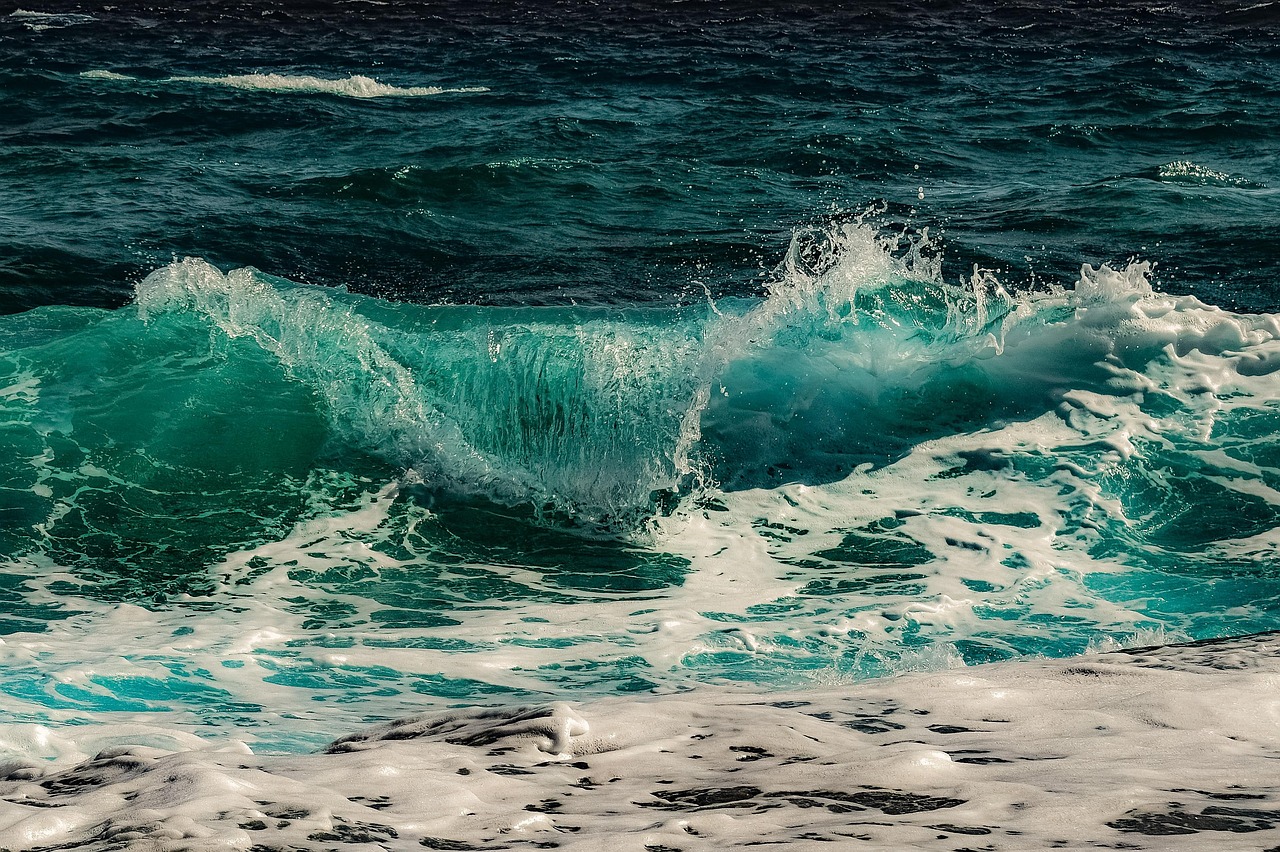
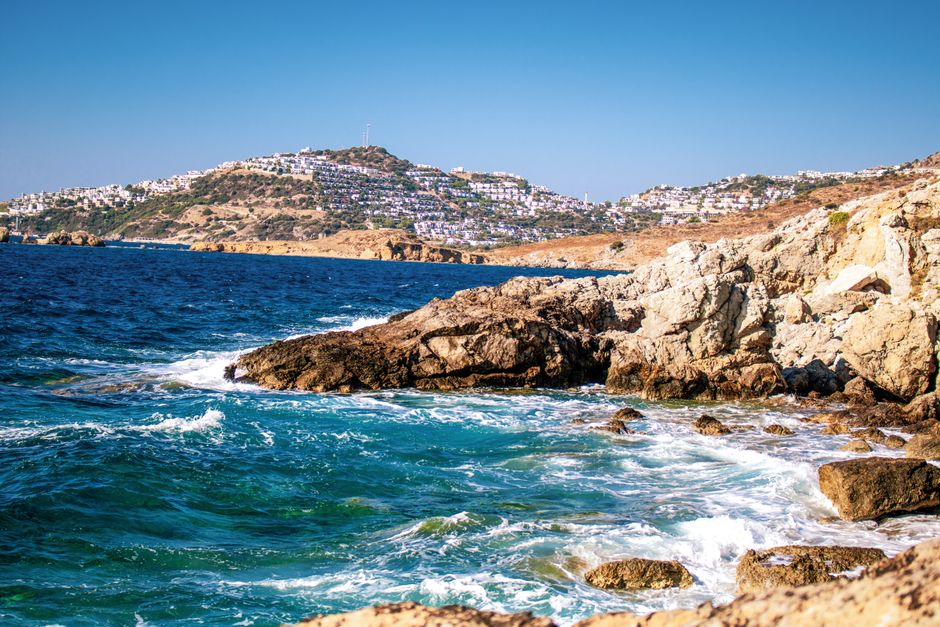
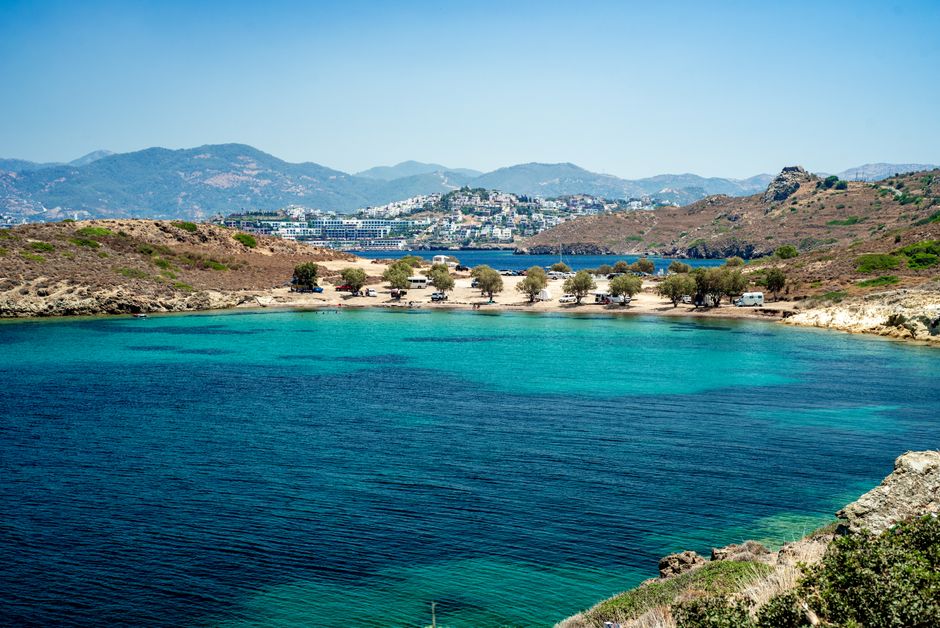
But beneath the glitz of the superyachts and the Instagram-ready sunsets, there's a raw, elemental beauty to this stretch of coast. The Aegean here is not the lazy, warm bath of the Mediterranean south. It's sharper, clearer, and often deceptively cold, even in August. I spent my morning chasing the perfect cove, driving along the coastal road that hugs the cliffs, looking for the spots where the locals actually go, away from the crowded main beaches. What I found was a mix of hidden pebble bays, historic sea caves, and stretches of sand that seem to have been poured by gods who enjoyed symmetry. This is the Turkish Riviera at its most intense, where history meets hedonism in the salt spray.
History & Identity
The identity of Bodrum is inextricably linked to the sea. Known to the ancient Greeks as Halicarnassus Halicarnassus, this city was one of the most important in the Hellenistic world. It's the birthplace of Herodotus, the "Father of History," and the site of the Mausoleum at Halicarnassus Mausoleum at Halicarnassus, one of the Seven Wonders of the Ancient World. While the Mausoleum itself is gone, its legacy looms over every stone and wave. The Bodrum Castle Bodrum Castle, built by the Knights Hospitaller in the 15th century, stands guard over the harbor, a stark reminder of the strategic importance of this peninsula. Today, that history is the backdrop to a modern identity built on tourism, luxury real estate, and a vibrant nightlife scene that rivals any in Europe.
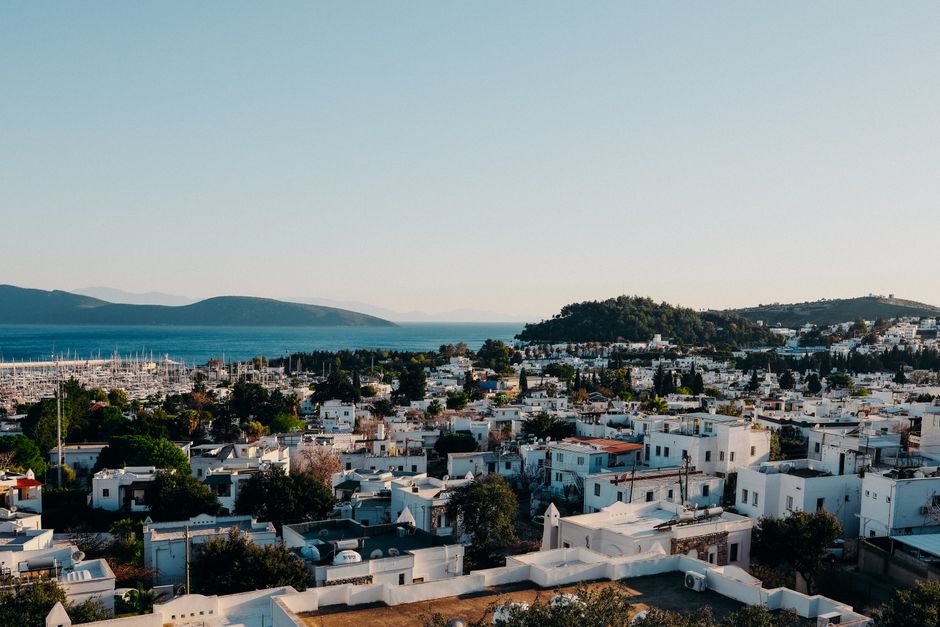
The Aegean coast near Bodrum has evolved from a quiet fishing hub into a global destination. The Bodrum Peninsula is dotted with resorts, marinas, and beach clubs that cater to an international crowd. Yet, the local culture persists in the fishing villages and the family-run tavernas that line the quieter bays. The identity here is a blend of the ancient and the contemporary, the traditional and the trendy. It's a place where you can see a Roman column next to a designer boutique, and where the call to prayer mixes with the sound of reggae from a beach bar.
Where to Go
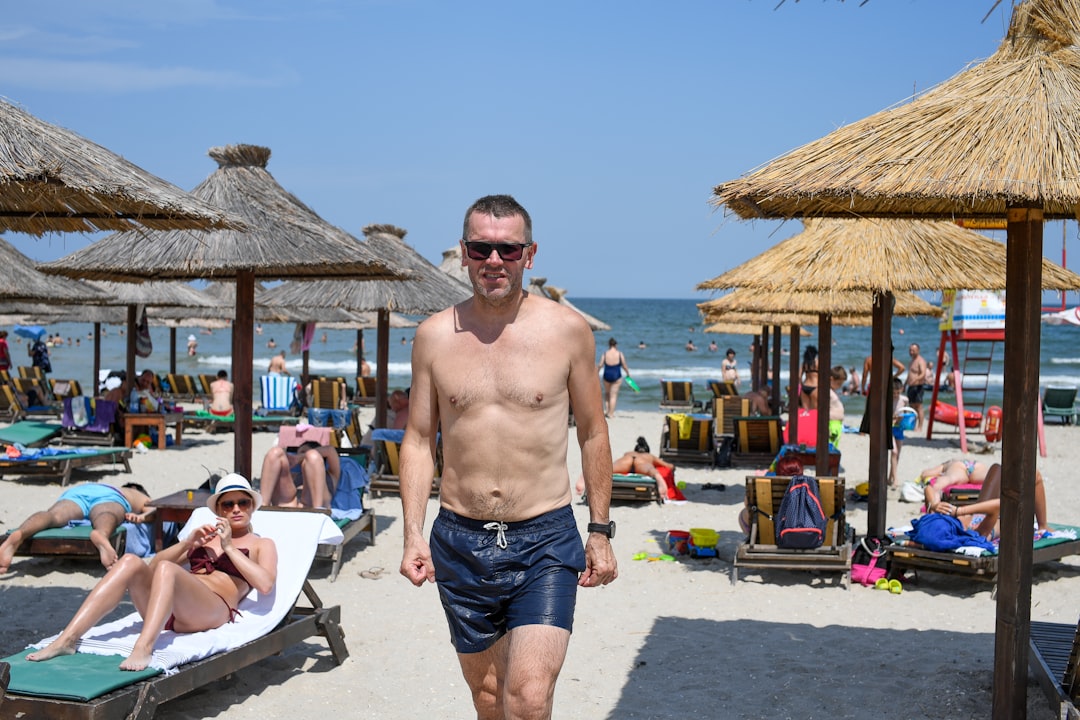
Gumbet Beach — Located just south of the main town, Gumbet is the epicenter of party beach culture. The sand here is fine, and the water is shallow, making it popular with younger crowds. The beach is lined with bars and clubs that play music from morning until late at night. It's loud, energetic, and not for those seeking tranquility. Entry to the beach is free, but beach club access and sunbeds cost around 10-20 EUR per day. Best time to visit: Late afternoon for the sunset parties.
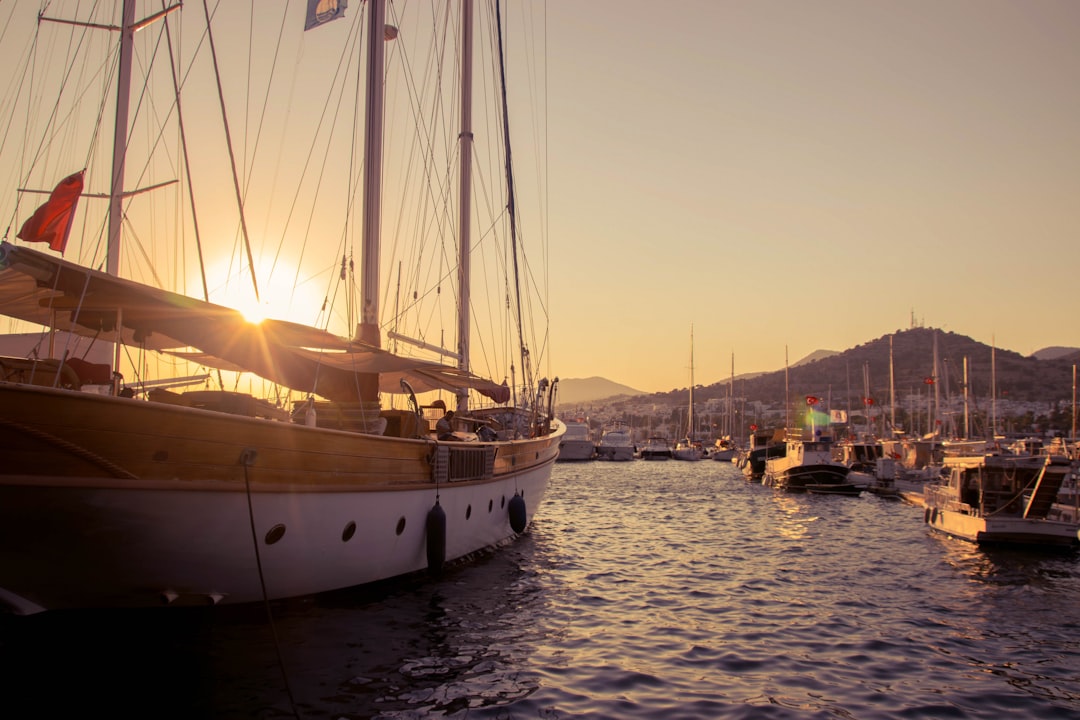
Turgutreis Beach — In contrast, Turgutreis to the north offers a calmer, more family-friendly atmosphere. The beach here is long and wide, with clear, shallow waters that are ideal for swimming and water sports. It's less crowded than Gumbet and has a more relaxed vibe. Many hotels line the coast, but there are also public access points. Beach clubs here are more upscale, with prices for sunbeds ranging from 15-30 EUR. Best time to visit: Mid-morning for swimming.
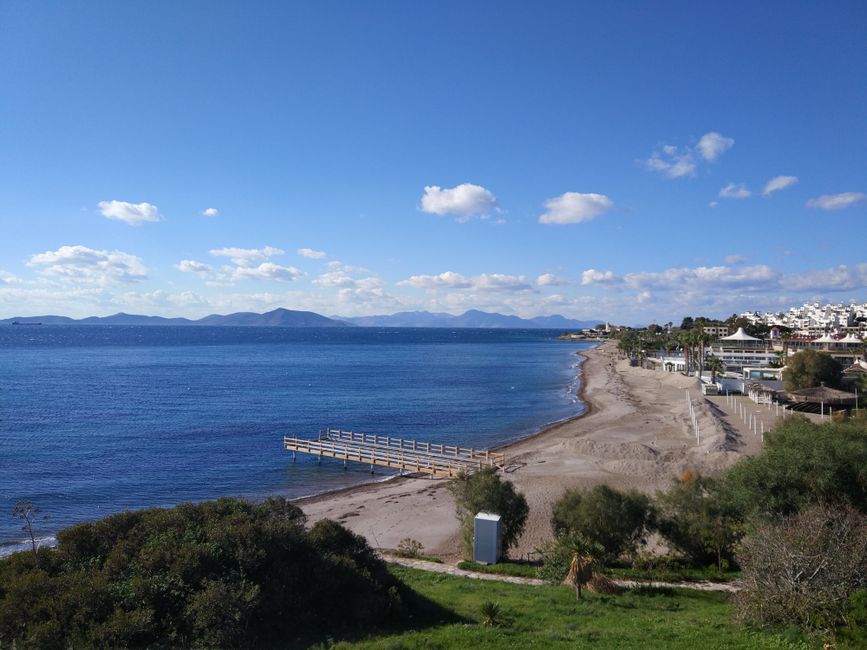
Bitez Beach — Situated between Bodrum and Turgutreis, Bitez is a popular spot for windsurfing and kitesurfing due to its consistent winds. The beach is sandy and relatively flat, making it easy to access. It's a great place to watch the windsurfers or join in if you have the skills. There are several windsurfing schools offering lessons for around 30-50 EUR per hour. Best time to visit: Morning when the winds are steady.
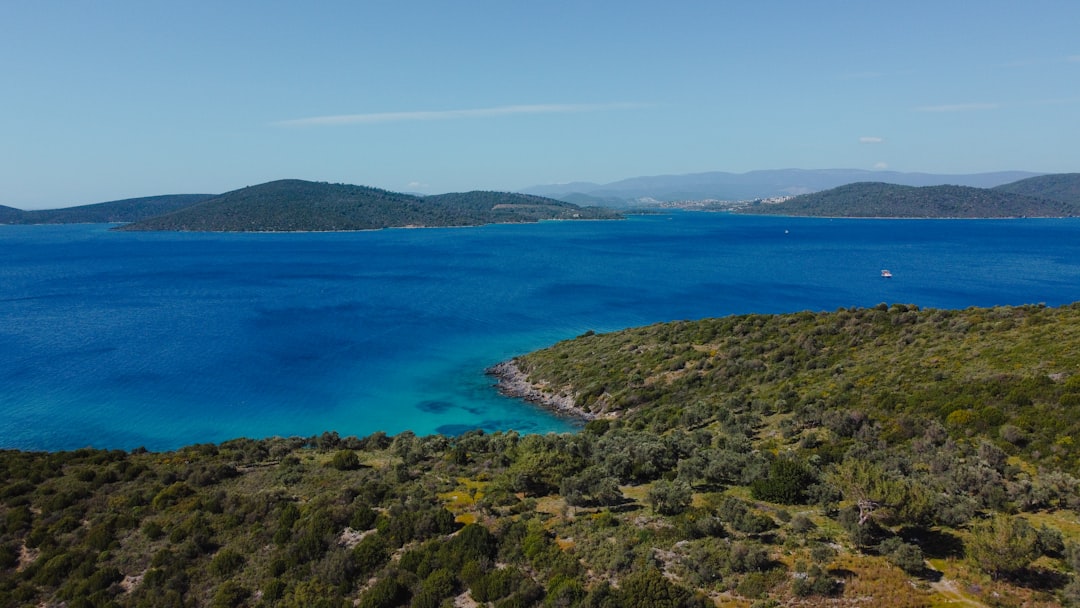
Yalıkavak Beach — Located further north on the peninsula, Yalıkavak is known for its luxury marina and high-end beach clubs. The beach here is smaller and more pebbly, but the water is crystal clear. It's a popular spot for yacht owners and those who prefer a more exclusive atmosphere. Beach clubs here can charge upwards of 50-100 EUR for sunbeds and drinks. Best time to visit: Afternoon for yacht spotting and luxury dining.
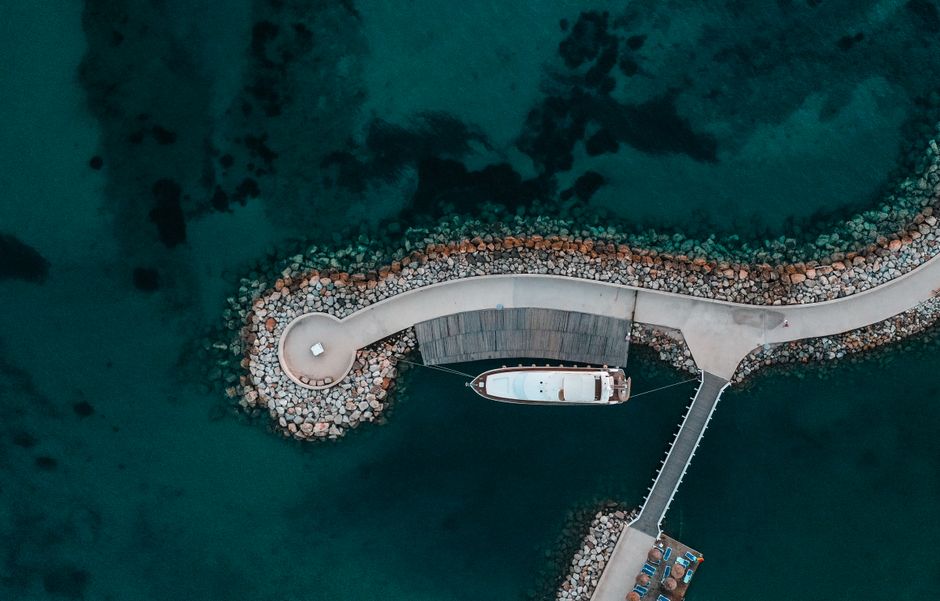
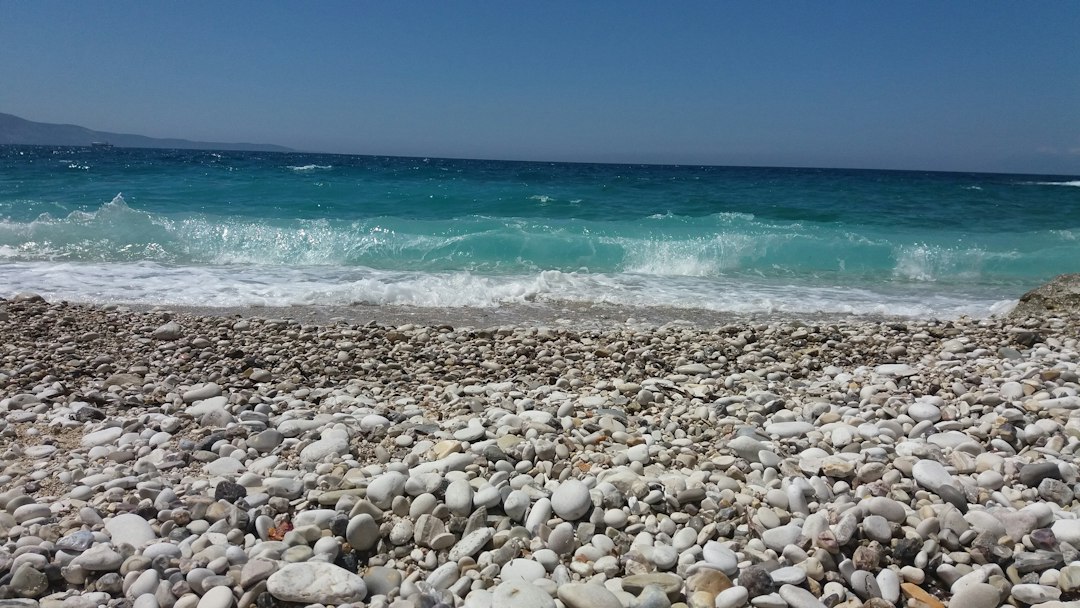
Ölüdeniz (Bodrum Cove) — Not to be confused with the famous Ölüdeniz in Fethiye, this small cove in Bodrum is a hidden gem. It's a small, pebbly beach with clear, blue water, surrounded by cliffs. It's less commercialized and offers a more secluded experience. Access is via a short walk down from the road. Entry is free, but facilities are limited. Best time to visit: Early morning to avoid the midday heat.
What to Eat & Drink
Eating on the Aegean coast is a sensory overload in the best way. The cuisine is heavily influenced by the sea, with fresh fish and seafood being the stars of the show. Tava Balığı (pan-fried fish) is a staple, often served with a side of Lahmacun (Turkish pizza) and Şakşuka (eggplant and pepper stew). A typical meal at a local restaurant will cost around 15-25 EUR per person. For a budget meal, you can find Pide (boat-shaped pizza) or Köfte (meatballs) for 5-10 EUR. Street food options include Simit (sesame bread rings) for 1-2 EUR and Döner wraps for 3-5 EUR.
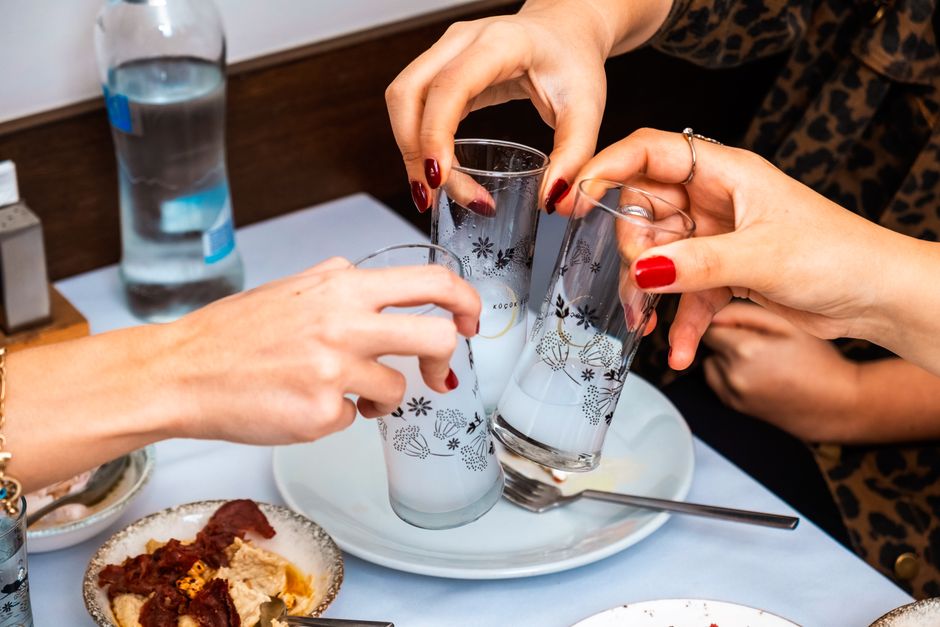
The drink scene is equally vibrant. Rakı, known as "lion's milk" when mixed with water, is the national spirit and is almost always served with meze (appetizers). A glass of Rakı costs around 3-5 EUR. For something lighter, try Ayran (yogurt drink) for 1-2 EUR or a fresh Şalgam (turnip juice) for 2-3 EUR. The main food streets in Bodrum are around the Old Town and the harbor area, where you can find a mix of traditional and modern eateries. For a more budget-friendly option, check out the local markets and food courts in Bitez and Gumbet.
Nightlife
Nightlife in Bodrum is legendary. The main hub is the Old Town, where the narrow streets are filled with bars, clubs, and live music venues. The atmosphere is electric, with a mix of locals and tourists enjoying the night. Paradise Beach Club is one of the most famous spots, offering live DJs, pool parties, and a vibrant crowd. Cover charges can range from 10-20 EUR, and drinks are pricey. Another popular spot is Club Bamboo, known for its electronic music and international DJs. It's located on the beach and offers a more upscale experience. Cover charges here can be higher, around 20-40 EUR.
For a more laid-back vibe, head to the bars in Gumbet. The beach bars here stay open late, with music pumping until the early hours. Boomerang Beach Club is a favorite among younger crowds, offering affordable drinks and a party atmosphere. Cover charges are minimal, around 5-10 EUR. The nightlife in Bodrum is diverse, catering to all tastes and budgets, from luxury beach clubs to budget-friendly bars.
Getting There & What to Expect
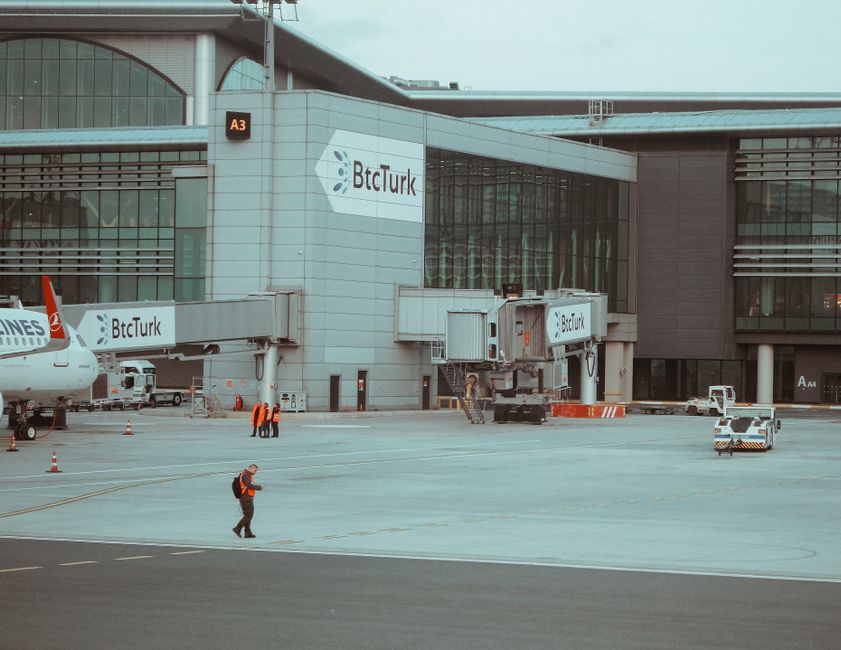
The nearest airport is Milas-Bodrum Airport Milas-Bodrum Airport, located about 36 km from the town center. It's well-connected to major cities in Turkey and Europe, with flights from Istanbul, Ankara, and various European hubs. From the airport, you can take a bus to Bodrum for around 5-10 EUR, which takes about 45 minutes to an hour. Taxis are also available, costing around 50-80 EUR. If you're driving, the coastal road from Izmir is scenic but can be busy in peak season. The drive takes about 4 hours.
Accommodation in Bodrum ranges from budget hostels to luxury resorts. A bed in a hostel costs around 15-30 EUR per night, while a mid-range hotel room can cost 50-100 EUR per night. Luxury hotels and villas can cost upwards of 200-500 EUR per night. The best time to visit is from May to October, when the weather is warm and the sea is swimmable. July and August are the peak months, with crowded beaches and higher prices. Shoulder seasons in May, June, and September offer a good balance of good weather and fewer crowds.
Search accommodation in Bodrum on Booking.com →
The Salt in the Veins
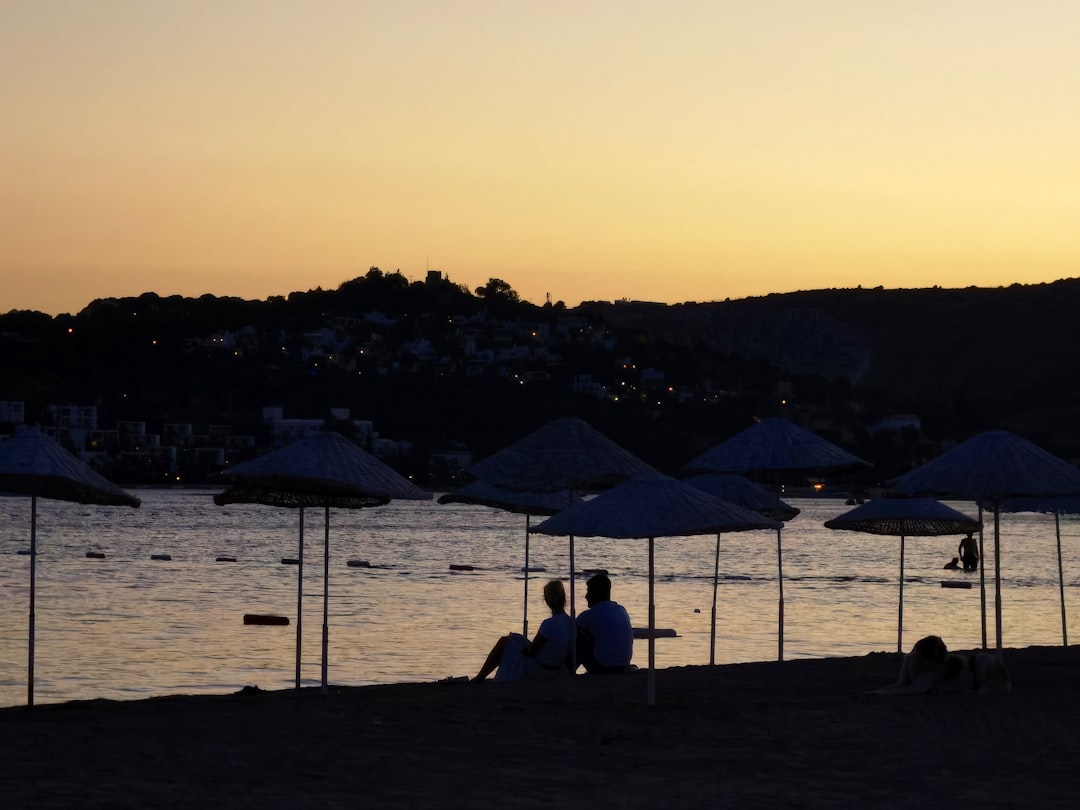
As the sun dipped below the horizon, painting the sky in shades of orange and purple, I realized that Bodrum isn't just a place you visit; it's a feeling you carry with you. The salt in the air, the sound of the waves, the taste of the Rakı — it all seeps into your pores. I left with a sunburn, a full stomach, and a head full of memories. The Aegean coast near Bodrum is a place of contrasts, where ancient history meets modern luxury, and where the party never seems to end. It's a place that demands you slow down, soak it all in, and let the sea wash away the worries of the world. I'll be back, not for the ruins or the ruins, but for the blue, that relentless, beautiful blue that calls you back, again and again.
Comments