


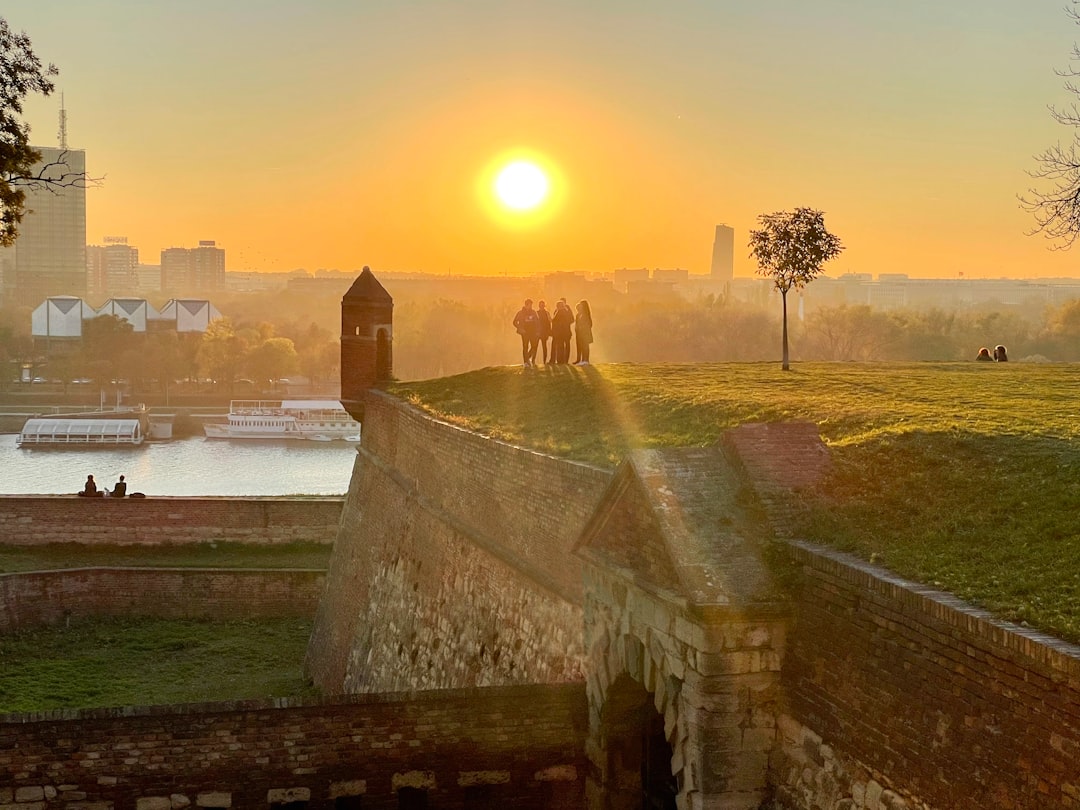
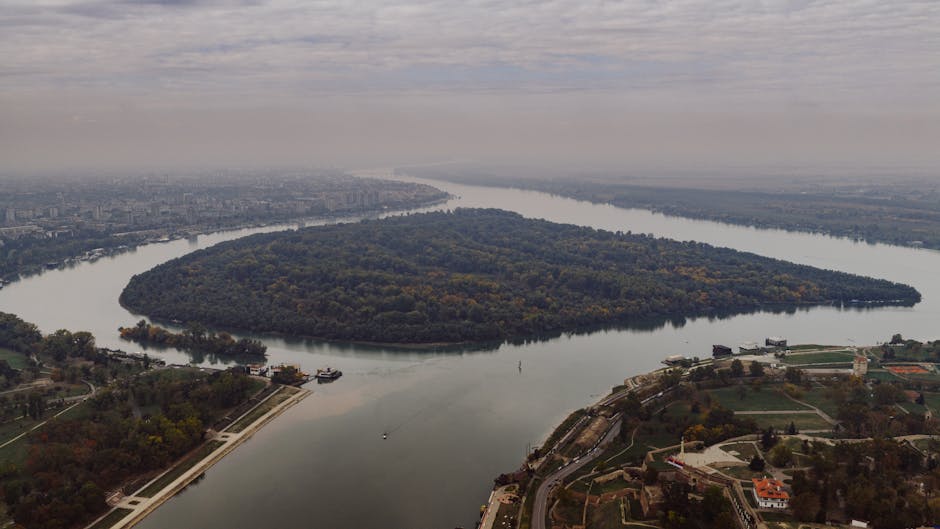
The wind off the Danube doesn't whisper; it howls, carrying the scent of river mud, diesel fumes, and the faint, metallic tang of history. I stood on the edge of the cliff, a half-empty bottle of slivovitz in my hand, watching the sun bleed into the water where the Sava River meets the Danube. Below me, Belgrade sprawled like a chaotic, neon-lit beast, indifferent to the centuries of blood spilled on this exact rock. A local guy in a faded Crvena Zvezda scarf walked past, lit a cigarette, and muttered something about the Austrians. He didn't look at me. He didn't need to. We were both just witnesses to the same stubborn, unkillable spirit of this city. This isn't a postcard. It's a wound that learned to smile.
I had come to Kalemegdan expecting a tourist trap. I found a fortress that feels more like a living, breathing entity, scarred by sieges, rebuilt by empires, and now dominated by the lazy, golden afternoons of Belgraders. The air is thick with the smoke of pršnjak (smoked ham) from the nearby stalls and the distant hum of traffic from the city center. There are no velvet ropes here. Just stone walls worn smooth by centuries of hands, cannonballs embedded in the masonry like petrified memories, and a view that stretches all the way to the Serbian Orthodox Church of St. George on the hill across the river. This is the heartbeat of the Balkans, and it beats loudly.
History & Identity
Kalemegdan is not just a park or a fortress; it is the physical embodiment of Belgrade's trauma and resilience. The site has been inhabited since the Neolithic period, but its strategic importance peaked during the medieval era and the Ottoman-Habsburg wars. The fortress you see today is largely a product of the 18th century, built by the Austrians, but the scars go much deeper. It has been captured and recaptured more times than any other city in Europe. The sheer weight of this history is palpable. You walk past the Gate of Eternal Peace, and you realize that "peace" here is not a given; it is a hard-fought, fragile victory.
The identity of Belgrade is inseparable from this fortress. It served as the last line of defense for centuries, a symbol of resistance against the Ottoman Empire, and later, a monument to Yugoslav unity. During World War II, it was heavily damaged by Allied bombing, only to be rebuilt in the post-war era as a public park and cultural space. Today, it stands as a testament to the city's ability to endure. The Belgrade Fortress is no longer a military installation, but its presence looms large over the city's psyche. It is a place where history is not taught in textbooks but felt in the cold stone under your fingertips and the wind in your face.
The fortress also played a crucial role in the development of Belgrade as a modern capital. In the 19th and 20th centuries, it was transformed into a public park, with the addition of the Kalemegdan Park and various monuments. The Monument to the Unknown Hero, located on the hill above the fortress, is a striking example of this shift from military stronghold to memorial space. It honors those who died in the Balkan Wars and World War I, a reminder of the cost of freedom. The fortress is now a place of leisure, reflection, and national pride, where locals come to walk their dogs, play chess, and drink coffee, seemingly unfazed by the ghosts of the past.
Where to Go
Kalemegdan Park — The heart of the fortress complex, this sprawling green space offers a mix of historical ruins, manicured lawns, and panoramic views. It's the perfect place to start your visit, with well-maintained paths leading to various points of interest. Entry is free, and it's open 24/7, making it ideal for both day trips and late-night strolls. The park is dotted with benches, fountains, and small cafes, providing a relaxing atmosphere amidst the historical grandeur.
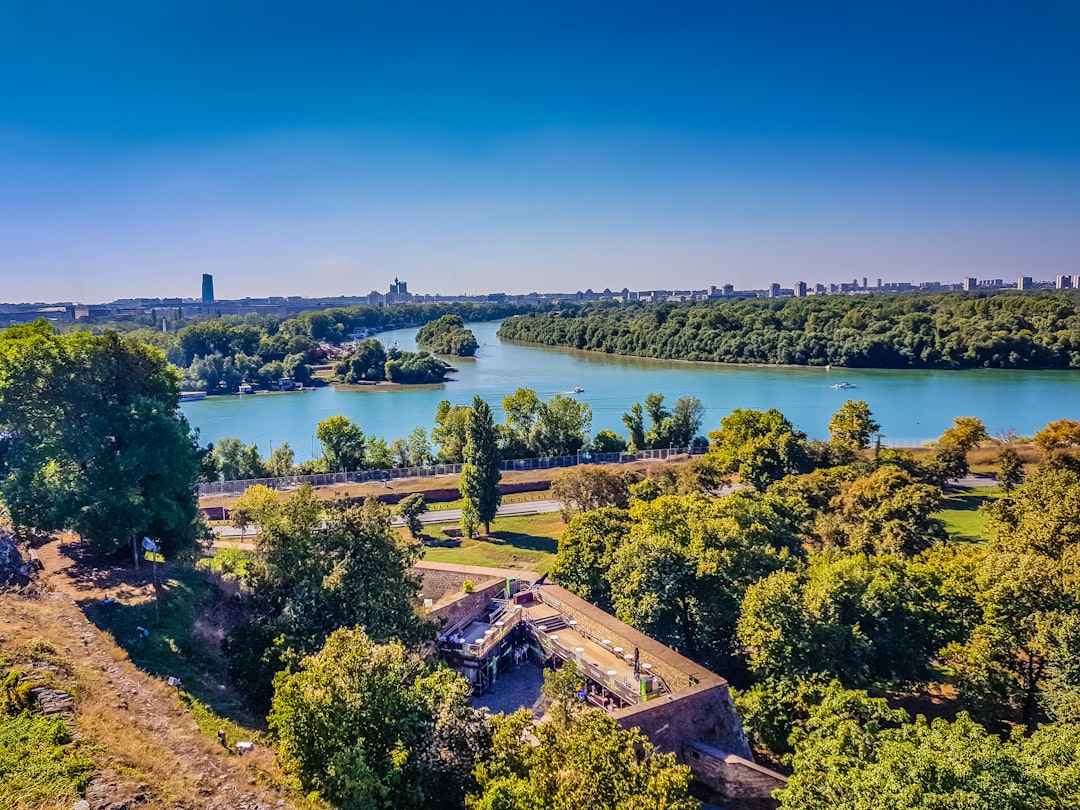
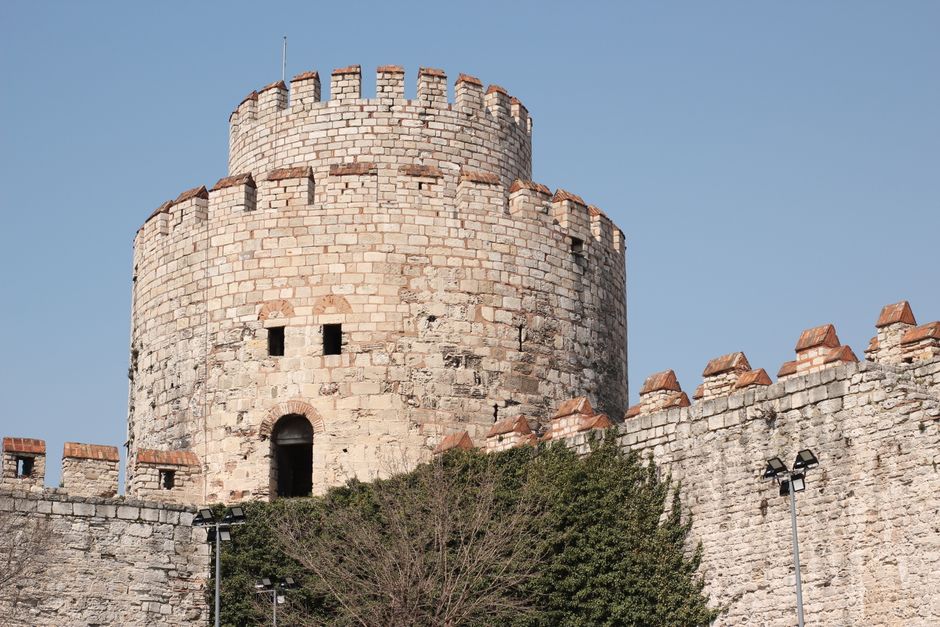
Belgrade Fortress Ruins — The core of the site, these ruins include the Upper and Lower Towns, with remnants of walls, towers, and bastions dating back to the Roman, Byzantine, and Ottoman periods. The Stone Tower is a key landmark, offering a glimpse into the fortress's defensive architecture. The ruins are open to the public, and guided tours are available for those who want to delve deeper into the history. The best time to visit is early morning or late afternoon, when the light is soft and the crowds are thinner.
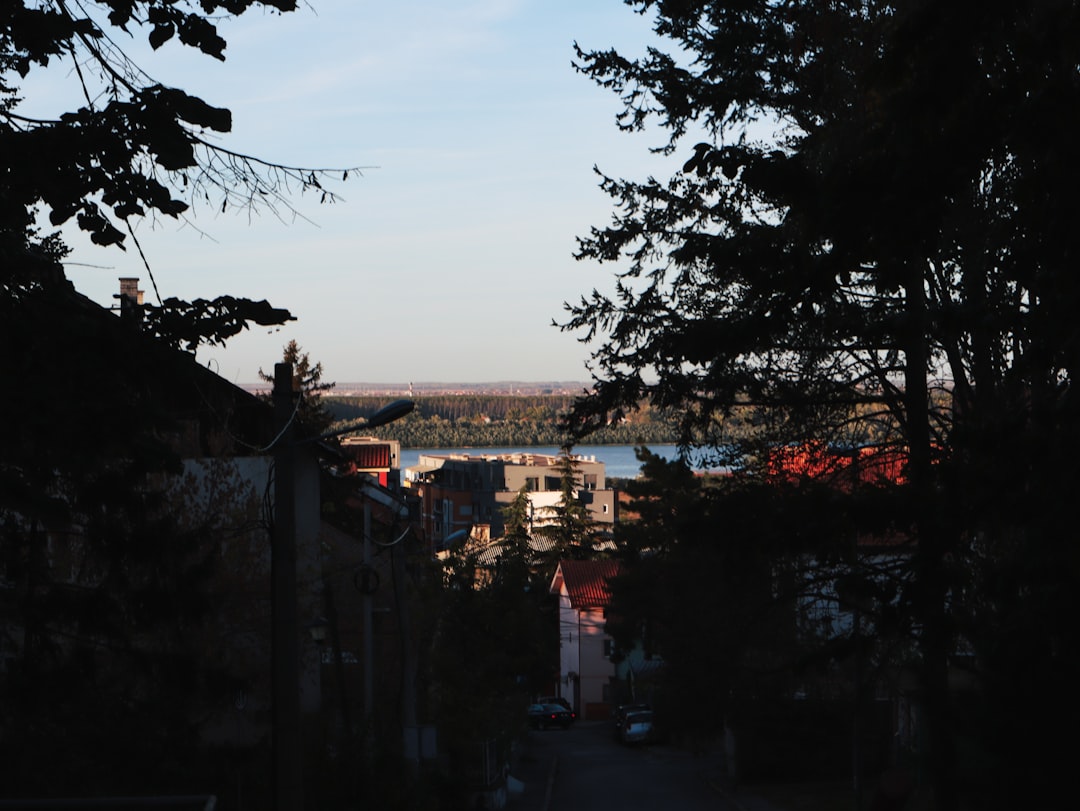
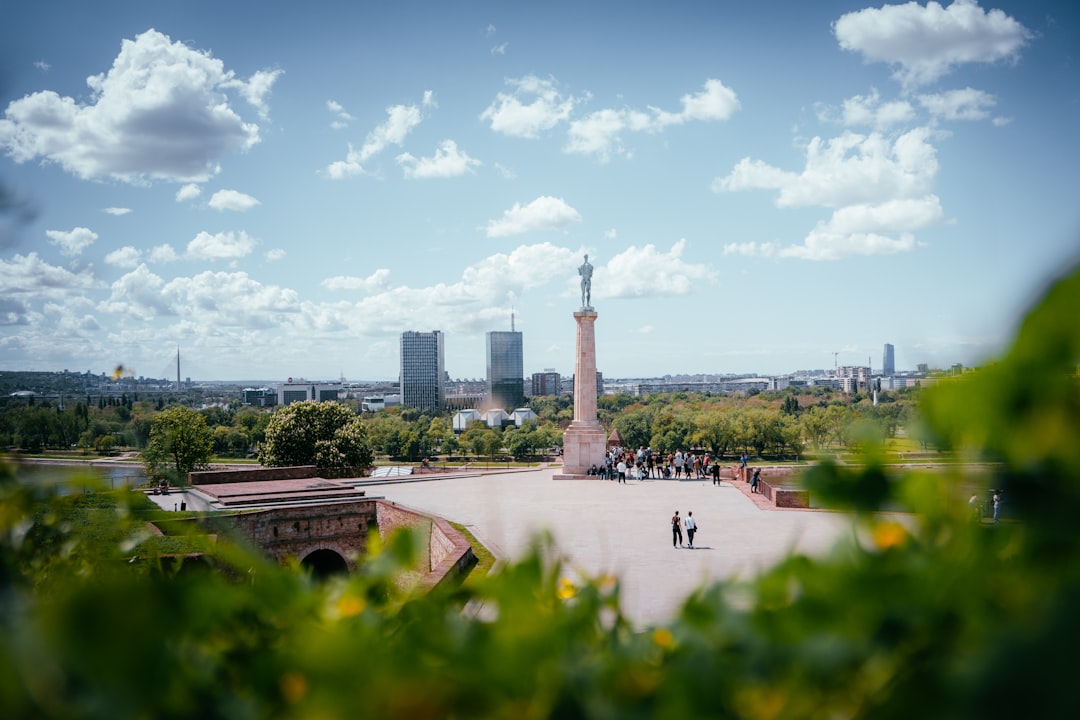
Monument to the Unknown Hero — Located on the hill above the fortress, this imposing monument is dedicated to the soldiers who died in the Balkan Wars and World War I. Designed by Jovan Ilkić, the monument is a striking example of interwar Serbian architecture, with its tall column and surrounding colonnade. The view from the top is breathtaking, offering a 360-degree panorama of Belgrade and the surrounding landscape. Entry is free, and the site is open daily.
Nebojša Tower — One of the most iconic structures within the fortress, this tower is now home to the Historical Museum of Belgrade. The museum houses a collection of artifacts, photographs, and exhibits that tell the story of Belgrade's history, from its earliest settlements to the present day. The tower itself is a beautiful example of Ottoman military architecture, with its thick walls and arched windows. Entry to the museum is around 3 EUR, and it's open from Tuesday to Sunday.
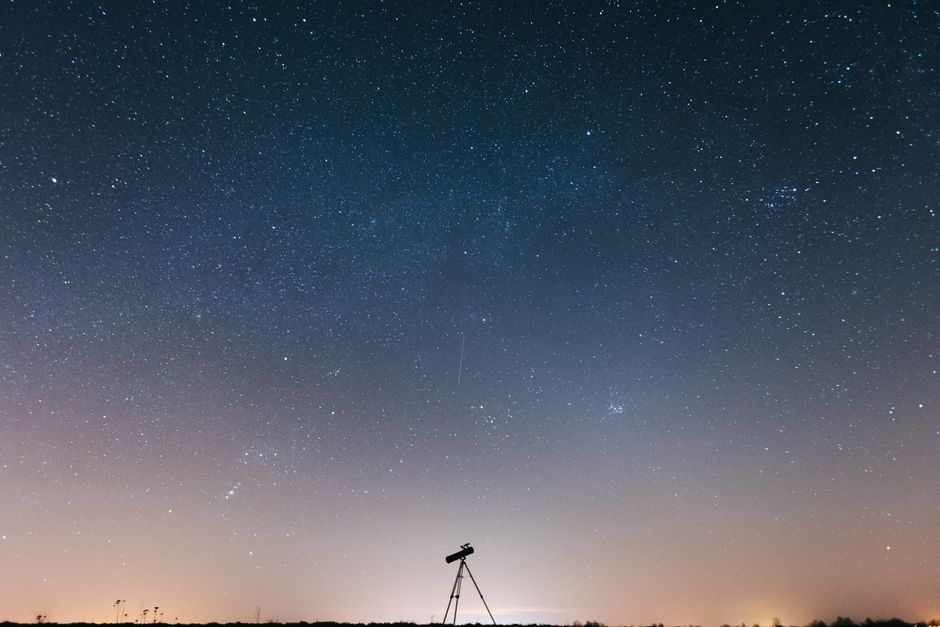
Kalemegdan Observatory — A small but fascinating spot within the park, this observatory offers a chance to look through telescopes and learn about astronomy. It's a quiet, peaceful place, away from the main crowds, and a great spot for stargazing on clear nights. The observatory is run by the Astronomical Society of Serbia, and public viewing sessions are held regularly. Entry is free, but donations are welcome.
What to Eat & Drink
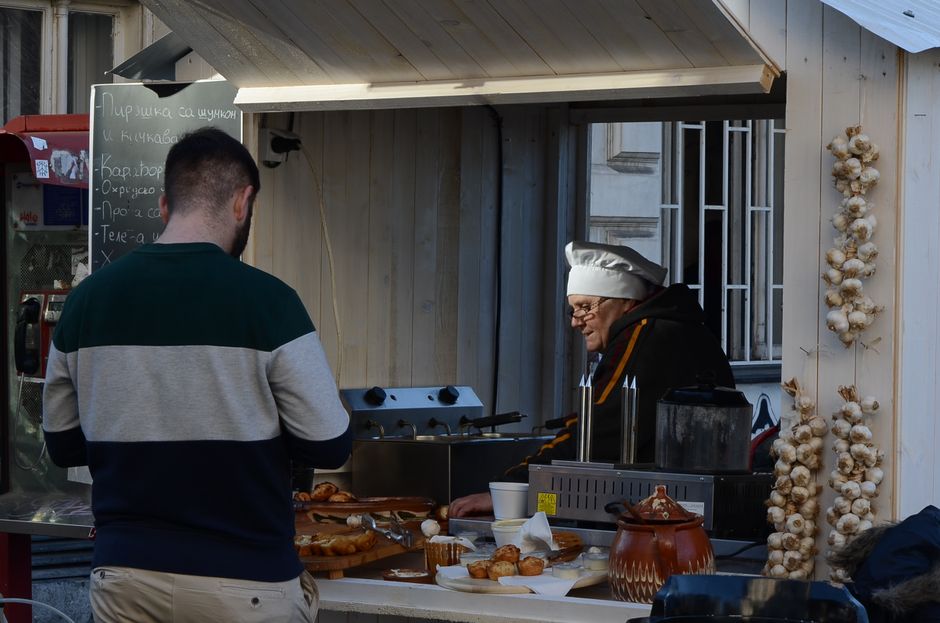
Belgrade's food scene is a hearty, comforting affair, rooted in Balkan traditions and Ottoman influences. At Kalemegdan, you'll find a mix of street food stalls and small cafes offering local specialties. Ćevapi — small, grilled meat sausages served with lepinja (flatbread) and onions — are a must-try, typically costing 3-5 EUR for a plate. Burek — a flaky pastry filled with cheese, meat, or spinach — is another staple, available for 2-4 EUR per piece. For a lighter option, Šopska salata — a fresh salad with tomatoes, cucumbers, onions, and feta cheese — costs around 3-4 EUR.
Budget travelers can easily eat well in Belgrade, with street food and take-away options under 5 EUR per meal. Sit-down local restaurants offer hearty meals for 8-15 EUR per person, while mid-range options range from 15-25 EUR. The Skadarlija district, just a short walk from the fortress, is famous for its bohemian atmosphere and traditional restaurants. For a more modern twist, head to the Dorćol area, which is packed with trendy cafes and bistros. Take-away options are plentiful, with food courts and kiosks scattered throughout the city center.
Nightlife
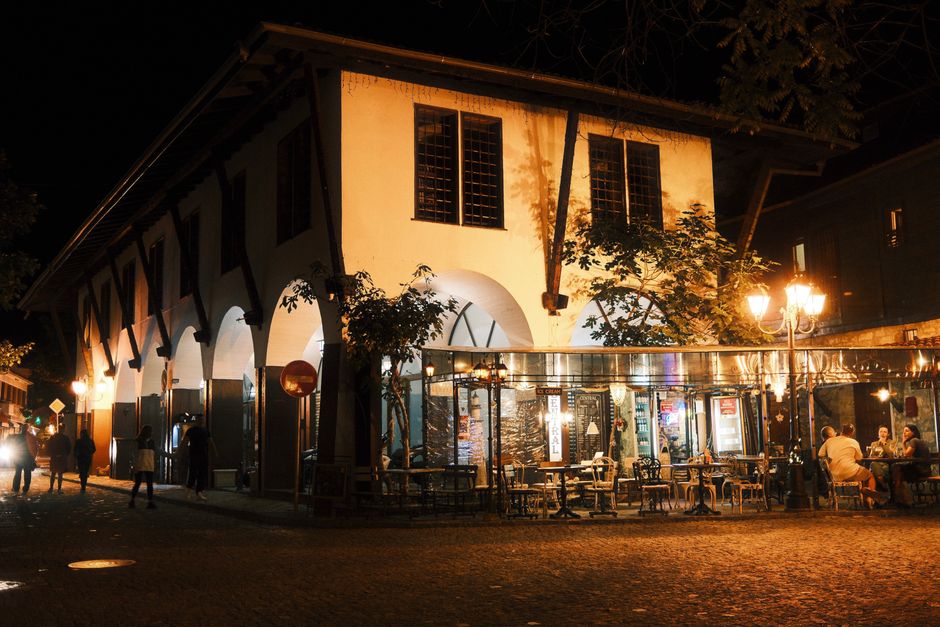
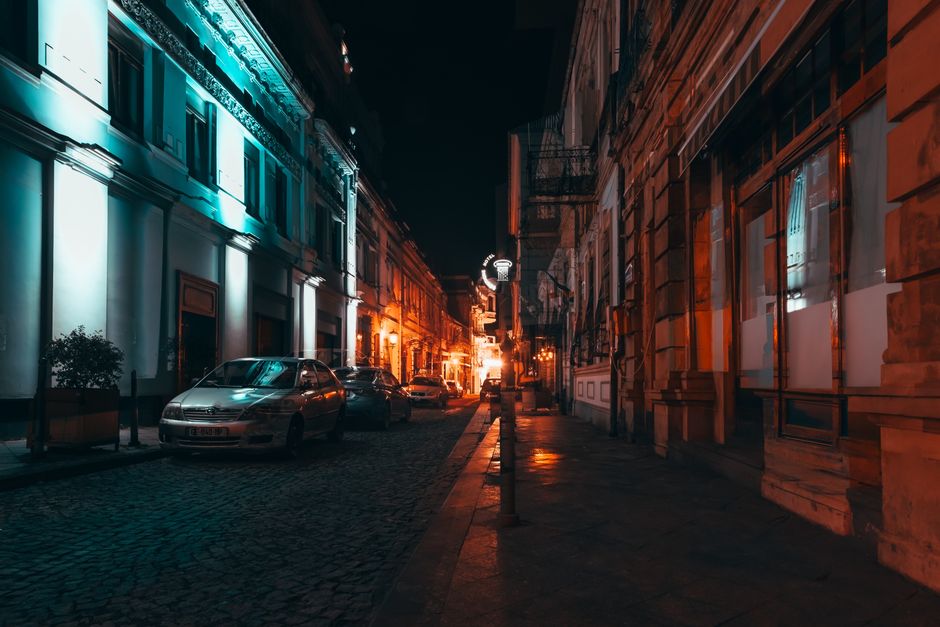
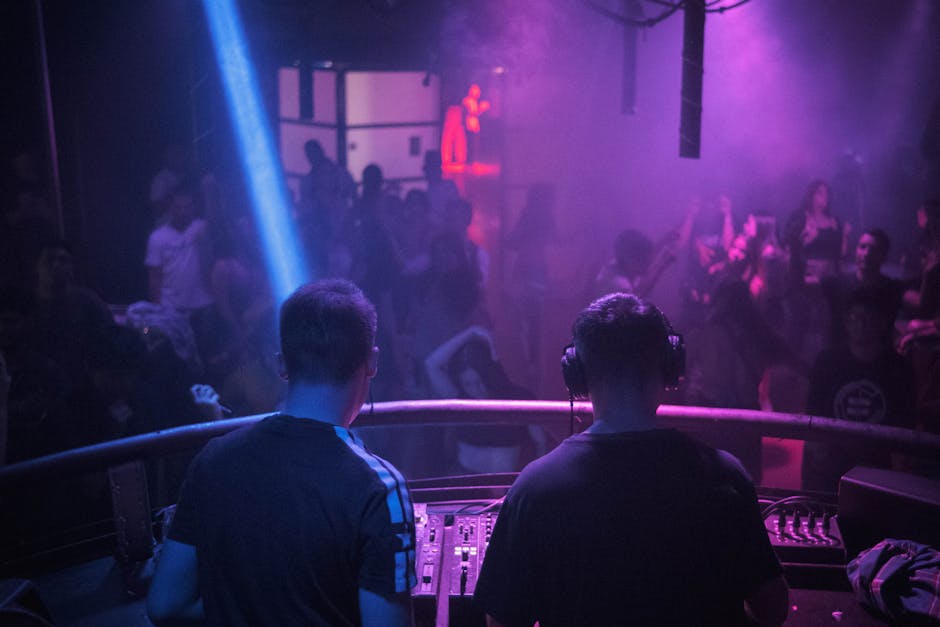
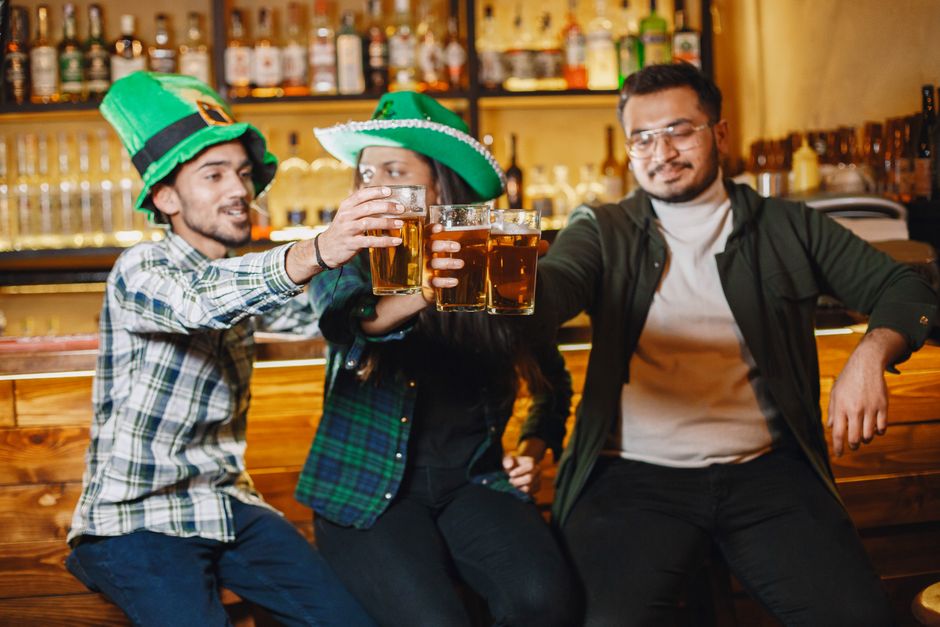
Belgrade's nightlife is legendary, and Kalemegdan is just the starting point. The main action spills over into the Old Town and the Dorćol district, where bars and clubs line the narrow streets. Big Foot — a massive club located in a former power plant — is a must-visit for electronic music fans, with a cover charge of around 5-10 EUR. Irish Times — a cozy pub in Skadarlija — offers live music and a relaxed atmosphere, perfect for a nightcap. Limundo — a popular bar in the Old Town — is known for its craft cocktails and vibrant scene, with drinks starting at 3-5 EUR. The city comes alive after dark, with music pumping from every corner and the streets filled with locals and tourists alike.
Getting There & What to Expect
The nearest airport is Belgrade Nikola Tesla Airport, located about 18 km from the city center. From the airport, you can take a bus or taxi to Kalemegdan, with the journey taking around 30-40 minutes. Buses cost around 3 EUR, while taxis range from 10-15 EUR. From major Balkan hubs like Sofia or Zagreb, you can reach Belgrade by bus or train, with travel times ranging from 4 to 8 hours and costs between 20-50 EUR. Once in the city, Kalemegdan is easily accessible by tram, bus, or on foot from the Old Town.
Accommodation in Belgrade is affordable and varied. Budget hostels cost around 20-40 EUR per night, while mid-range hotels range from 50-100 EUR. Luxury options are available for . The best months to visit are spring (April to June) and autumn (September to October), when the weather is mild and the crowds are thinner. Summer can be hot and crowded, while winter is cold but offers a unique, atmospheric experience. Kalemegdan is open year-round, and the fortress ruins are accessible at any time. Guided tours are available for a fee, and there are plenty of self-guided options for those who prefer to explore on their own.
Search accommodation in Belgrade on Booking.com →
The Unkillable Rock
I left Kalemegdan as the first stars appeared, the wind still whipping around the stone walls. My head was spinning a little from the slivovitz, my feet aching from the climb, but my soul felt strangely light. This place doesn't care about your itinerary. It doesn't care about your budget. It just is. A rock in the middle of two rivers, battered by history, yet standing tall. I watched a group of kids playing football on the grass, their laughter echoing off the ancient walls. For a moment, the past and present merged, and I understood why Belgradeers love this place so fiercely. It's not just a fortress. It's a promise. A promise that no matter how many times you're knocked down, you'll always get back up. And if you're lucky, you'll get to watch the sunset over the Danube while you do it.
Comments